Vedanta Copper, a subsidiary of India’s Vedanta Limited (NSE:VEDL), has announced plans to invest $2 billion in copper-processing facilities in Saudi Arabia. This development is part of Saudi Arabia’s broader effort to position itself as a global leader in metals and mining. The announcement was made during a major economic event where Saudi Arabia unveiled nine investment deals totaling over $9.32 billion (35 billion riyals).
The $2 billion investment will fund the construction of advanced copper smelting and refining facilities in Saudi Arabia. The new plants will have the capacity to process 400,000 tonnes of copper annually. Vedanta also plans to establish a facility to produce up to 300,000 tonnes of copper rods per year, a critical material for electric cable manufacturing.
This move comes at a time when copper demand is growing thanks to its use in renewable energy systems and electrification. According to Vedanta, global copper demand is expected to increase by 40% by 2040. The company highlighted copper’s central role in decarbonization efforts, particularly in achieving climate targets set by the Paris Agreement. These targets require substantial investment in renewable infrastructure, with annual funding needs projected at $1 trillion between 2025 and 2030.
Strategic Importance for Saudi Arabia
The Vedanta deal aligns closely with Saudi Arabia’s Vision 2030, a sweeping economic diversification initiative designed to reduce the kingdom’s reliance on oil and unlock $2.5 trillion in untapped mineral resources. The initiative aims to increase the mining sector’s contribution to the national GDP from $17 billion to $64 billion by the end of the decade.
Currently, Saudi Arabia imports most of its copper to meet domestic demand, estimated at 365,000 tonnes annually. That figure is expected to more than double by 2035. Vedanta’s investment is projected to contribute nearly $19 billion to Saudi Arabia’s GDP, reduce dependency on imports, and stimulate the growth of downstream industries. The projects are also expected to create thousands of jobs, further supporting Vision 2030’s objectives.
Regional and International Partnerships
The Vedanta deal was one of several major investments announced in Saudi Arabia this week. Other agreements include partnerships with international companies such as China’s Zijin Group. These deals underscore Riyadh’s broader strategy to attract foreign direct investment to strengthen its mining and metals sectors.
Saudi Arabia has also established Manara Minerals, a joint venture between the Public Investment Fund (PIF) and the Saudi mining company Ma’aden. This fund is designed to acquire mineral assets abroad, aligning with the kingdom’s focus on metals essential for renewable energy and infrastructure.
In 2023, Manara Minerals made its first major international move by acquiring a 10% stake in Vale’s copper and nickel spin-off, Vale Base Metals, valued at $26 billion. Saudi Arabia is also pursuing a stake in Pakistan’s Reko Diq copper and gold mine, a $7 billion project partially owned by Barrick Gold and the governments of Pakistan and Balochistan. Pakistan recently formed a high-level committee to finalize terms for Saudi Arabia’s potential acquisition of a 15% stake in Reko Diq.
Copper Supply Challenges and Global Impact
The global copper market faces significant supply constraints as demand continues to rise. The metal is vital for renewable energy systems, electric vehicles, and infrastructure projects tied to the global energy transition. Vedanta and other industry leaders have warned of a looming copper undersupply.
BHP, the world’s largest mining company, recently forecasted a global copper deficit of 10 million tonnes within the next decade. In response, the company has committed at least $14 billion to expand operations at the Escondida mine in Chile, the largest copper mine globally, as well as other projects in the region.
The above references an opinion and is for information purposes only. It is not intended to be investment advice. Seek a licensed professional for investment advice. The author is not an insider or shareholder of any of the companies mentioned above.

Filo Corp. (TSX:FIL) has reported new drilling results from its Filo del Sol project in Argentina, underscoring the scale and potential of the copper-gold deposit. This announcement coincides with the company’s pending acquisition by mining giants BHP Group (ASX,NYSE:BHP) and Lundin Mining (TSX:LUN) for C$4.1 billion. The deal, which is expected to close by early 2024, comes as global demand for critical metals like copper is intensifying.
Filo’s recent drill results from the Aurora zone indicate substantial resource growth and improved mineralization grades. Drillhole FSDH107 intersected 1,270 meters grading 0.55% copper, 0.35 grams of gold per tonne, and 12.6 grams of silver, for a copper-equivalent grade of 0.92%. Within this interval, a higher-grade section yielded 624 meters at 0.78% copper, 0.41 grams of gold, and 5.3 grams of silver, translating to a copper-equivalent grade of 1.13%.
The results have expanded the Aurora zone by 300 meters to the west, increasing its known width to 700 meters. Filo Corp. highlighted that mineralization is now defined across 5.5 kilometers, stretching from the Tamberias zone in the south to Bonita in the north.
Jamie Beck, Filo’s president and CEO, commented in a press release: “This deposit demonstrates extraordinary scale and continuity. With these results, we are pushing the boundaries of what we know about Filo del Sol’s potential.”
Ongoing Exploration and Strategic Steps
The company is aggressively exploring the deposit with nine drill rigs operating under a 30,000 to 35,000-meter program. The data collected will contribute to future resource estimates and inform the next phases of development. Additionally, metallurgical testing on sulphide mineralization and environmental studies are ongoing to evaluate the project’s feasibility further.
Filo’s exploration strategy includes step-out drilling to define the deposit’s boundaries and pinpoint high-grade zones. A recent magnetotelluric survey has identified areas of high conductivity, indicating further exploration targets.
Regional Context and Strategic Importance
Filo del Sol is located within the Vicuña copper district, a promising copper-gold hotspot straddling the Argentina-Chile border. Neighboring projects like NGEx Minerals’ Lunahuasi and Los Helados deposits highlight the district’s potential as a key source of metals critical for the global energy transition.
The timing of Filo’s developments aligns with projections of a significant copper supply shortfall. Analysts forecast a 10-million-tonne gap by 2035, driven by increased demand for electrification and renewable energy technologies. Filo del Sol, already considered an advanced project, is positioned as one of the few assets capable of addressing this looming supply crunch.
The acquisition by BHP and Lundin Mining is poised to accelerate Filo’s development. The companies plan to integrate Filo del Sol with Lundin’s nearby Josemaria project, creating a consolidated hub of high-potential deposits in the region.
Additional Drill Results Confirm Growth Potential
Beyond Aurora, other zones within the Filo del Sol project also yielded promising results. Drillhole FSDH112, located 1.5 kilometers northeast in the Bonita zone, intersected 1,282.5 meters grading 0.46% copper, 0.16 grams of gold, and 4.9 grams of silver for a copper-equivalent grade of 0.61%. This included a higher-grade interval of 528.5 meters at 0.77% copper, 0.2 grams of gold, and 6 grams of silver, equating to 0.97% copper-equivalent.
Meanwhile, in the Tamberias zone, located 4.3 kilometers southwest of Bonita, drillhole FSDH116 intercepted 610 meters grading 0.15% copper, 0.39 grams of gold, and 2.2 grams of silver. These results suggest the presence of a gold-rich porphyry system, according to Beck.
The Filo del Sol deposit consists of overlapping porphyry copper-gold systems and high-sulphidation epithermal mineralization. This complex geological makeup creates an orebody rich in copper, gold, and silver, with mineralization extending to depths of 1.5 kilometers and widths of 800 meters.
High-grade corridors within the deposit improve its economic prospects and suggest the potential for additional bonanza-grade zones. Current resources at Filo del Sol include 432.6 million tonnes of indicated material grading 0.33% copper, containing 3.2 million pounds of metal. Inferred resources add 211.6 million tonnes grading 0.27% copper for 1.3 million pounds.
The above references an opinion and is for information purposes only. It is not intended to be investment advice. Seek a licensed professional for investment advice. The author is not an insider or shareholder of any of the companies mentioned above.

ElectraLith, a lithium technology startup backed by Rio Tinto (ASX:RIO), is set to secure a significant funding round worth AUD 27.5 million (USD 17.9 million) within the coming week, according to its Melbourne-based CEO. This comes as the global lithium market grapples with fluctuating demand and pricing challenges.
“The lithium market is not great, venture capital markets aren’t great, (so) the fact we are about to close this round with an oversubscribed investor base … for us that’s fantastic,” CEO Charlie McGill told Reuters in an interview.
ElectraLith has developed an innovative direct lithium extraction (DLE) technology, which could revolutionize lithium production in resource-limited areas like Chile’s Atacama Desert. Unlike traditional methods that rely on water-intensive evaporation ponds or open-pit mining, ElectraLith’s DLE-R process extracts lithium from brine deposits using filtration membranes, eliminating the need for water or chemicals. The process consumes minimal energy and reinjects the remaining brine back into the aquifer, addressing environmental concerns often associated with lithium mining.
The technology’s scalability remains a key focus for the company. CEO Andrew McGill emphasized the importance of maintaining membrane properties during large-scale projects, which the company plans to address using the new funds. The upcoming funding round will support the construction of ElectraLith’s first pilot plant at Rio Tinto’s Rincon operations in Argentina. The pilot plant is expected to be operational in about a year, with two additional pilot plants planned thereafter.
ElectraLith’s technology could offer a significant cost advantage. By producing lithium hydroxide directly without the need for water or chemicals, the company claims it can achieve production costs at nearly half of its competitors. This positions ElectraLith as a potential game-changer in an industry projected to grow to over USD 10 billion in annual revenue within the next decade.
Several other companies, including Exxon Mobil, are also vying to commercialize DLE technologies. DLE is poised to transform the lithium market by significantly reducing production times. While traditional methods can take months or even years, DLE can cut this down to mere hours or days. This efficiency, combined with the environmentally friendly aspects of ElectraLith’s process, could drive significant adoption in the industry.
ElectraLith’s ownership structure includes venture capital firm IP Group, Rio Tinto, and Monash University, where the membrane technology was initially developed under the guidance of Professor Huanting Wang. The company has also expanded its reach to the United States, collaborating with Australia-listed Mandrake Resources on a project in Utah. Here, the scarcity of water, compounded by competition for resources in the Colorado River Basin, highlights the advantages of ElectraLith’s water-free process.
McGill underscored the strategic edge offered by their technology in such regions. “The availability of water in areas with lithium mines is a major problem,” he noted. “In Utah, for example, water from the Colorado River basin is already allocated to cities like Las Vegas and Los Angeles. You can’t get a water permit. So we show up and say, ‘We don’t need water.’”
ElectraLith’s ability to bypass water dependency could reshape the dynamics of lithium extraction, particularly in arid and water-stressed areas. By addressing these environmental and logistical challenges, the company is positioning itself as a key player in the evolving lithium market.
The successful commercialization of ElectraLith’s DLE technology could significantly increase Rio Tinto’s efforts to expand its footprint in the lithium sector. With global demand for lithium-ion batteries continuing to grow, driven by the electric vehicle (EV) market and renewable energy storage solutions, innovations like ElectraLith’s may prove critical to meeting these needs sustainably.
The above references an opinion and is for information purposes only. It is not intended to be investment advice. Seek a licensed professional for investment advice. The author is not an insider or shareholder of any of the companies mentioned above.

Libero Copper (TSXV:LBC) recently announced details of its ongoing 14,000-metre exploration program at the Mocoa porphyry copper-molybdenum project in Putumayo, Colombia. Situated within Colombia’s Jurassic Copper Belt, the Mocoa project represents Libero Copper’s flagship asset. The current program aims to expand the resource, increase geological understanding, and test newly identified areas, signaling a significant step in advancing the Mocoa project.
14,000-Metre Drill Program Overview
The core of Libero Copper’s exploration strategy at Mocoa includes a robust drill plan intended to clarify the high-grade copper and molybdenum distribution while potentially enlarging the resource through both infill and step-out drilling. This comprehensive initiative not only targets refining insights into the mineral deposit but also aims to assess new areas like Piedralisa and Neblina for additional resource potential. These high-priority zones were selected based on recent airborne geophysical surveys and fieldwork, which revealed soil anomalies for copper, molybdenum, zinc, and lead.
The multi-pronged approach combines infill drilling to confirm high-grade zones within wide-spaced drilling areas and step-out drilling to investigate the deposit’s potential for expansion. The project integrates geological, geophysical, and geochemical data collected over recent years to shape a coherent strategy for Mocoa. The company’s previous work on this site included extensive drilling that mapped a strike length of over 1,000 meters, covering a width of 600 meters and depths reaching 900 meters. With new drill holes planned to extend and verify high-grade zones, Libero Copper aims to deepen its understanding of the deposit’s core and test previously uncharted regions.
Expansion of Mocoa System
As the program progresses, Libero Copper has focused its efforts on confirming the extent of high-grade copper and molybdenum cores in the Mocoa system. The 14,000 meters of planned drilling will play a key role in this, drawing on a geological model updated through extensive relogging and fieldwork that has spanned several years. This drilling plan reflects Libero Copper’s emphasis on understanding the alteration and lithologies of the deposit in greater detail. Approximately 8,126 meters of previous drilling data have been re-evaluated to inform this updated model, based on samples collected from 2008 through 2022.
The Mocoa project’s historical drilling has intercepted high-grade copper and molybdenum cores across the deposit, though with wide spacing between drill holes. To address this, the current program’s infill drilling is designed to improve the grade distribution data in these wide-spacing areas, as well as test deeper portions of the porphyry system beneath the initial inferred mineral resource estimate. The goal is to confirm the high-grade cores and explore resource expansion in multiple directions, with a particular focus on extending the mineral resource boundary to the north and northeast, where mineralization is projected to continue.
Step-Out Drilling Strategy
Step-out drilling forms another essential aspect of the Mocoa program, intended to expand the overall mineral resource to the north and northeast. This portion of the project will explore additional mineralization that could extend beyond the current resource boundaries, potentially boosting the size and quality of the deposit. By following the identified plunge of high-grade cores, this drilling effort aims to establish a clearer understanding of the deposit’s full extent.
Libero Copper has also taken measures to mitigate the environmental impact of these operations by utilizing existing drill pads. This approach reduces surface disturbance, supporting the project’s commitment to preserving the surrounding ecosystem. Additionally, the installation of a rainwater collection system ensures water self-sufficiency for drilling, consumption, and sanitation needs. This setup not only secures a steady water supply but also eliminates reliance on external sources, aligning with the company’s commitment to sustainable resource use.
Progress on MD-044 Drill Hole
The MD-044 drill hole marks the first in the series of planned drills under this 14,000-meter program. As of November 5, 2024, the drill has reached a depth of 615 meters, with a target depth of 1,200 meters. This hole aims to assess the continuity of high-grade mineralization extending northeast of the deposit, probing below the existing inferred resource estimate.
Detailed logging of MD-044 has identified argillic alteration and iron oxides within the upper 100 meters, overlaid with sericite, which supersedes earlier potassic alteration phases. The mineralization observed in this interval includes copper in quartz veinlets with chalcopyrite, chalcocite, and minor bornite, as well as molybdenum in molybdenite-rich B-type veinlets. The logging data suggest a complex interplay of alteration phases and mineralization, with potential implications for understanding the deposit’s structural and geochemical evolution.
Surface Exploration and New Target Areas
Libero Copper’s exploration efforts extend beyond drilling. Surface exploration is set to follow up on the Neblina, Piedralisa, and Silencio areas near the main Mocoa deposit. Detailed mapping and soil sampling will cover these zones over the 2024-2025 season, with specific focus areas that emerged as promising during recent geophysical surveys.
The Neblina zone, located to the north-northeast of Mocoa, consists of two sub-regions—Neblina West and Neblina East. Neblina West, approximately 2 kilometers north of the main deposit, shows magnetic anomalies and demagnetized zones indicative of underlying porphyry systems. Neblina East, situated 3 kilometers northeast of the deposit, has yielded locally elevated molybdenum values. Together, these sub-zones offer strong indications of potential porphyry bodies.
Piedralisa, located 3 kilometers southeast of Mocoa, has shown soil anomalies for zinc, lead, copper, and molybdenum. Previous surface exploration identified outcrops in the area consistent with the upper portions of a porphyry system. A large 3D radial symmetric intrusion interpreted as a porphyry body is also present here, adding to the zone’s prospectivity for hosting additional copper-molybdenum mineralization.
The Silencio zone lies 3 kilometers north of the main Mocoa deposit. Preliminary surveys have shown elevated copper values in soil samples, aligning with magnetic highs and structural features typical of porphyry bodies. The planned soil grid for Silencio will help delineate copper anomalies, guiding further exploration within this promising zone.
Environmental and Logistical Considerations
Throughout the Mocoa exploration program, Libero Copper has emphasized environmental stewardship. By reusing existing drill pads and employing a rainwater collection system, the company has minimized the project’s environmental footprint. The water system, which collects and utilizes rainwater, secures a sustainable supply for drilling and other operational needs, reducing dependence on external water sources.
This environmental approach aligns with the broader objective of minimizing impact while advancing exploration. As the Mocoa program unfolds, Libero Copper aims to balance resource development with sustainability, addressing both operational needs and environmental responsibilities in the resource-intensive industry of mineral exploration.
The above references an opinion and is for information purposes only. It is not intended to be investment advice. Seek a licensed professional for investment advice. The author is not an insider or shareholder of any of the companies mentioned above.
The above references an opinion and is for information purposes only. It is not intended to be investment advice. Seek a licensed professional for investment advice. The author is not an insider or shareholder of any of the companies mentioned above.

Barksdale Resources (TSXV:BRO)(OTCQX:BRKCF) has announced initial assay results from its ongoing diamond core drilling program at the Sunnyside Project in Arizona. The data reveals high-grade copper-silver and lead-zinc-silver veins, along with expansive zones of hypogene chalcocite mineralization.
Alan Roberts, VP of Exploration of Barksdale, commented in a press release: “The results highlighted here are the culmination of the efforts of our geologic team and our technical advisors Dr. Quinton Hennigh and Dr. Peter Megaw, who believe that the Sunnyside Project is a target rich environment that needs further exploration to fully develop its potential. The results illustrate that there exists a system of feeders, manifesting as veins associated with structures, that acted as fluid pathways from the hypothesized porphyry source akin to what Dr. Megaw said in his recent video presentation evoking the “hub and spoke” concept to finding additional mineral deposits associated with, and in, the Sunnyside porphyry and surrounding rocks.”
The company’s second drill hole, SUN24-002, was designed to investigate carbonate replacement deposit (CRD) lead-zinc-silver mineralization at depth and assess near-surface copper-silver mineralization in what is known as the “Chalcocite Zone.” Assay results from the surface to a depth of 639 feet show:
•Copper values up to 4.33%
•Zinc concentrations of up to 2.45%
•Silver grades reaching 99.7 g/t
Broader zones of anomalous copper, lead, and zinc were also identified. This mineralization is believed to be related to a porphyry deposit core, located less than five kilometers to the west and at a deeper level.
The high-grade veins found in the area echo historic mining activities from the early 20th century. These polymetallic veins, associated with faults, show high copper and silver grades along with significant levels of antimony, bismuth, iron, and sulfur. The broader zones of lower-grade disseminated copper-silver mineralization provide potential indicators of the location of the porphyry core.
Drilling in SUN24-002 reached a depth of 3,014 feet and aims for a final depth of 4,100 feet. A fault zone encountered at approximately 700 feet caused a deviation in the drill path, leading to the continuation of the hole under the new designation SUN24-002B. This adjusted drill path continues toward its original target to explore deeper lead-zinc mineralization.
Associated Drilling and Sample Submission
Barksdale has also submitted samples from two reverse-circulation drill holes:
1.SUN24-001: A pre-collar drill hole.
2.SUN24-003: An exploration hole targeting feeder structures linked to historic mine workings and the potential northern extension of the Chalcocite Zone.
Both holes aim to further delineate the project’s mineral potential. The company has postponed other planned reverse-circulation drilling due to ground conditions, a high water table, and permitting challenges.
Geological Insights
The targeted lead-zinc veins, found between 630 and 639 feet in SUN24-002, occur at the contact between Triassic-Jurassic volcanic rocks and Paleozoic carbonate rocks. This type of mineralization aligns with broader CRD-style deposits previously observed in historical and recent drilling. Earlier drill holes, including TCH-02 (1981) and SUN-003 (2023), provided key insights into this type of mineralization.
Geologists at Barksdale believe that the copper-silver veins reflect mineralization linked to the porphyry core, while the lead-zinc-silver veins likely act as feeders to more distal CRD-style deposits.
Barksdale Resources is a Vancouver-based base metal exploration company. It focuses on advancing promising projects in North America, particularly the Sunnyside copper-zinc-lead-silver and San Antonio copper projects in southern Arizona. Additionally, it is developing the San Javier copper-gold project in Sonora, Mexico.
The company’s recent findings highlight the Sunnyside Project’s potential as a significant source of base metals. As drilling continues, Barksdale remains focused on expanding its understanding of the mineralization and identifying opportunities for further resource development.
The above references an opinion and is for information purposes only. It is not intended to be investment advice. Seek a licensed professional for investment advice. The author is not an insider or shareholder of any of the companies mentioned above.

Pambili Natural Resources (TSXV:PNN) has shared the latest developments in its ongoing underground drilling program at the Golden Valley Mine (GVM) in Zimbabwe. The company aims to uncover a new gold resource that could be brought into production quickly.
Jon Harris, Chief Executive Officer of Pambili Natural Resources, commented in a press release: “It is encouraging to see that our first two holes encountered known gold pathfinder minerals like pyrite and quartz. The down-dip hole is not yet complete, but even within the first 25m we have encountered mineralized zones including pyrite along with several quartz stringers. We look forward to seeing how much more mineralization we encounter as the hole reaches its planned depth. We also look forward to receiving assay results from our core over the coming weeks. These results will provide Pambili with a better understanding of GVM’s commercial gold potential beyond the extent of the historic underground mining area. Improving our understanding on the structural controls of gold mineralization at GVM will help to improve the targeting of our remaining underground holes as well as planning the surface holes required to target a code-compliant mineral resource at the Project.”
Pambili resumed gold production at Golden Valley Mine earlier in 2024. Current operations involve processing sands sourced from third-party toll-milling facilities alongside material from underground drives created to support the drilling program. These efforts form part of a broader plan to revitalize the mine and assess its potential for further gold extraction.
The drilling program at GVM includes six planned holes. Two of these, labeled EADD004 and EADD006, have already been completed. Each hole reached a depth of 100 meters, targeting a northwest-trending shear zone. This zone was identified through earlier airborne geophysical surveys and is believed to be a parallel structure to the historically mined orebody at the site. The company hopes to better understand this feature’s potential role in future gold extraction efforts.
A third hole, EADD001, represents the first down-dip test of the historical orebody. Drilling has reached a depth of 25 meters so far, with completion expected in the coming days. This hole seeks to explore the downward continuity of the orebody previously mined at Golden Valley. Results from this hole may provide crucial insights into whether deeper mineralization can support ongoing and expanded production.
Pambili has also sent 15.2 meters of core samples from its completed drilling for laboratory analysis. The samples were chosen based on their visible sulfide mineralization or potential to contain gold. These assays are being conducted at an ISO/IEC 17025-accredited commercial metallurgical laboratory in Zimbabwe. The results are expected to influence the planning of the remaining holes in the program, ensuring drilling focuses on the most promising areas.
Pambili’s efforts at Golden Valley Mine are part of a broader strategy to establish a sustainable gold production operation in Zimbabwe. With historical mining activity at the site, the company sees significant potential for both near-term production and long-term resource expansion. The ongoing drilling and testing aim to substantiate these expectations, providing a clearer understanding of the mine’s resource potential.
The above references an opinion and is for information purposes only. It is not intended to be investment advice. Seek a licensed professional for investment advice. The author is not an insider or shareholder of any of the companies mentioned above.
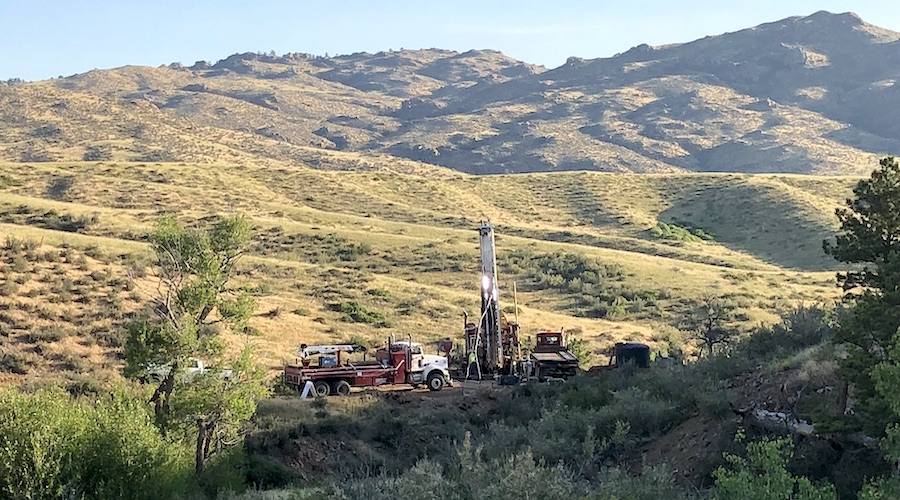
U.S. Gold Corp. (NASDAQ:USAU), through its subsidiary Gold King Corp., has announced the approval of its Air Quality Permit by the Wyoming Department of Environmental Quality (WDEQ). This development clears the final regulatory hurdle for the company’s CK Gold Project, satisfying the final condition of the Mine Operating Permit granted earlier in April 2024. The project is set to bring gold and copper production to southeastern Wyoming.
George Bee, President, CEO and Director of U.S. Gold, commented in a press release: “WDEQ’s approval of the Air Quality Permit satisfies the remaining condition associated with the Mine Operating Permit granted in April 2024, completing a major hurdle in the CK Gold Project’s pathway to development. We are well advanced in our engineering studies and poised to move toward development once the optimization studies announced in September are complete.”
Luke Norman, Executive Chairman of U.S. Gold also commented: “The fulfillment of this remaining condition under the Mine Operating Permit positions the CK Gold Project to be Wyoming’s next producing mine, adding gold and copper production to the State’s resource portfolio. The CK Gold Project with its geographically advantageous location, now fully permitted, is poised to be able to leverage rising commodity prices. This is a rarity in today’s global mining context where a lack of funding for exploration and onerous permitting hurdles have hampered the supply of new projects to satisfy increasing demand. As significant shareholders of the Company, we are committed to forging the pathway to project financing without undue dilution to our fellow shareholders.”
The CK Gold Project, previously known as Copper King, represents a significant transition for U.S. Gold Corp. from exploration to development. Dormant for years after limited underground mining, the project gained momentum in 2020 when the company initiated development efforts. A Preliminary Economic Assessment was conducted in 2012, followed by a pre-feasibility study in December 2021. The mine’s location and regulatory readiness position it as a notable contributor to Wyoming’s resource industry.
Engineering for the CK Gold Project is in advanced stages, focusing on optimizing plans for the processing plant and updating equipment bids. The company halted its feasibility study in March 2023, citing alignment issues with the permit approval timeline, supply chain disruptions from the pandemic, and updates required from WDEQ’s review. An updated pre-feasibility study is expected by year-end, after which final feasibility work will resume.
The project aims to repurpose waste rock into construction materials, addressing local demand and reducing costs. This approach complements the core objective of extracting gold and copper, aligning with broader efforts to optimize the mine’s value.
U.S. Gold Corp., listed on Nasdaq as USAU, has other projects beyond the CK Gold Project, including exploration projects in Nevada and Idaho. However, the CK Gold Project remains its flagship project, reflecting the company’s shift toward production.
U.S. Gold Corp. now looks to secure full project financing on favorable terms while finalizing technical plans before breaking ground. The CK Gold Project is a rare and successful example of a fully permitted mine ready to proceed in an increasingly constrained global mining environment.
The above references an opinion and is for information purposes only. It is not intended to be investment advice. Seek a licensed professional for investment advice. The author is not an insider or shareholder of any of the companies mentioned above.

Ximen Mining (TSXV:XIM) (OTC:XXMMF) has announced a breakthrough in its exploration efforts at the Brett Epithermal Gold Project near Vernon, British Columbia. The company reported visible gold in its seventh drill hole (Hole B24-07) at the West Zone of the property, a major development for Ximen as it seeks to expand its presence in the region and gain a clearer understanding of the site’s mineral potential. This discovery further substantiates the West Zone’s potential as a significant gold-bearing area.
The drill hole intersected hydrothermally altered volcanic and intrusive rocks between 3.0 and 9.32 meters. The section included basaltic volcanic rocks, with feldspar porphyry intrusive material accounting for about 52% of the composition. The rocks showed heavy oxidation and argillic alteration, as well as a range of iron oxides. Following this section, drilling continued through altered volcanic and intrusive rocks, with layers of silicification and clay-rich zones extending down to a depth of 214 meters, where drilling stopped. The rocks exhibited dark gray silica-pyrite veinlets and breccia, marking areas of pervasive mineralization with visible pyrite concentrations between 3% and 10%.
Ximen highlighted specific intervals that underscored the significance of Hole 7. Between 19.86 and 32.87 meters, and again from 85.80 to 88.08 meters, Ximen observed a consistent presence of quartz and pyrite veinlets. Notably, the second interval (85.80 to 88.08 meters) included visible gold at 87.25 meters within a silica-pyrite veinlet with colloform banding. The visible gold was present as clusters of small grains, estimated at more than 20 grains, providing direct evidence of gold-bearing structures in the West Zone.
This visible gold in Hole 7 is a milestone for Ximen, marking the first confirmation of significant gold mineralization within the largely unexplored West Zone. The characteristics of Hole 7 — including clay-altered faults and porphyritic rock formations — highlight a unique geological environment, which Ximen considers an ideal target for further exploration. The company plans to continue its efforts with an eighth drill hole, Hole B24-08, from the same site but directed northwesterly to evaluate the continuity and extent of mineralization in this zone.
The Brett Epithermal Gold Project covers approximately 20,043 hectares and is known for its low-sulfidation epithermal-style gold deposits, hosted in the Eocene-age Penticton Group volcanic rocks. Discovered in 1983, the site has a long history of exploration. In the 1990s, a 291-tonne bulk sample was extracted from the surface and sent to the smelter at Trail, BC, yielding an average grade of 27.74 grams per tonne (g/t) gold and 63.7 g/t silver. Ximen’s Brett property includes multiple mineralized zones extending over a two-kilometer strike length, comprising both bulk-mineable and high-grade, bonanza-style deposits.
In 2022, Ximen conducted LiDAR and airborne magnetic surveys across portions of the Brett property. The data gathered from these surveys enabled a detailed interpretation, 3D geological modeling, and refinement of drill targets in preparation for the 2024 drilling campaign. Ximen’s current objective at Brett is to expand the Main Zone to the southeast and at depth and to explore altered zones bordering and running parallel to the Main Zone, with an emphasis on uncovering any previously undetected mineralized areas.
Ximen Mining Corp. holds 100% interest in three precious metal projects in southern British Columbia, including the Brett Epithermal Gold Project and the Amelia Gold Mine. In addition, Ximen owns the Treasure Mountain Silver Project, which is situated near the former Huldra Silver Mine. The Treasure Mountain Project is currently under an option agreement with an external partner who provides funding for development through staged cash and stock payments. Ximen has also acquired the Kenville Gold Mine near Nelson, BC, which includes surface and underground rights, buildings, and equipment, adding further depth to its portfolio of gold assets.
The above references an opinion and is for information purposes only. It is not intended to be investment advice. Seek a licensed professional for investment advice. The author is not an insider or shareholder of any of the companies mentioned above.

Canada Nickel Company (TSXV:CNC) has announced that it has intersected a major interval of massive sulphide mineralization at its Bannockburn Property, approximately 65 kilometers south of Timmins, Ontario. This milestone could mark a key advancement in the company’s exploration activities and add to its resource base, which aims to address the demand for nickel in electric vehicle batteries and stainless steel production.
CEO Mark Selby commented in a press release: “We have assembled a very large land package in the Timmins Nickel District which has yielded millions of tonnes of contained nickel resources. While our focus has been primarily on large-scale, bulk tonnage deposits, today’s results clearly highlight our belief in the potential of these properties with their large nickel endowment to also host high-grade nickel deposits. We look forward to seeing the assays from this hole next week, the follow-up geophysics to understand this Bannockburn target in more detail, and upcoming drilling of other geophysical targets around Bannockburn.”
The Bannockburn Property, located not far from Matachewan and within proximity of Canada Nickel’s Midlothian and Sothman properties, has been a focal point for the company’s exploration efforts. The primary target at Bannockburn, historically known as the B-Zone, has shown promise as a large-tonnage, low-grade nickel zone. However, Canada Nickel’s recent efforts have focused on identifying higher-grade deposits within the property, notably targeting areas with historical drilling records of elevated nickel intervals, such as the C-Zone and F-Zone.
As part of an infill drilling program on the B-Zone, Canada Nickel identified massive sulphide mineralization in drillhole BAN24-18, a significant finding for the company. This drillhole was initially placed into mafic volcanics and intersected mineralized peridotite at a depth of 238 meters. The mineralization within this interval began as weak near the initial contact point but became increasingly concentrated further downhole, transitioning into a section of 3.9 meters of massive sulphide. This type of mineralization is commonly associated with higher nickel grades, enhancing the potential economic viability of the Bannockburn Property.
Canada Nickel used an XRF analyzer to verify the presence of nickel in the mineralized intervals, and samples have been sent for further analysis, with assay results expected in the coming days. This finding follows historic drilling by Outokumpu Mining Oy and Mustang Minerals Corp. in the 1990s and early 2000s, which identified net-textured and massive sulphide mineralization in narrow intervals. The current intersection lies roughly 50 meters west of a previously drilled interval with 2.8 meters of 2.9% nickel, suggesting the potential continuity of high-grade nickel sulphides in the area.
To further investigate high-grade targets within the B-Zone, Canada Nickel commissioned a semi-airborne electromagnetic (EM) survey over the summer of 2024, performed by Rosor Corp. This survey utilized a combination of drone and ground loop methods, which identified two additional high-conductivity, low-resistivity targets within the B-Zone. These findings offer promising new prospects for further exploration of higher-grade nickel mineralization, adding momentum to Canada Nickel’s infill drilling program.
The company has outlined plans to complete an initial resource estimate for the B-Zone by the second quarter of 2025, a key step in quantifying the resource potential of the Bannockburn Property. In the meantime, the company’s work at Bannockburn continues to focus on defining both bulk tonnage and high-grade zones, guided by a comprehensive quality assurance and quality control (QA/QC) program to ensure the integrity of exploration data.
In addition to its work at Bannockburn, Canada Nickel is engaged in the development of its flagship Crawford Nickel-Cobalt Sulphide Project, located within the Timmins-Cochrane mining camp. Canada Nickel’s goal is to deliver a reliable supply of nickel, cobalt, and iron products for high-growth sectors while working toward producing net zero carbon materials. The company has sought trademarks for NetZero Nickel™, NetZero Cobalt™, and NetZero Iron™ in multiple jurisdictions and is actively researching processes to achieve carbon-neutral production for these metals.
Highlights from the results are as follows:
- First massive sulphide drilled by Canada Nickel in Timmins Nickel District
- Intersects 3.9 metres of massive sulphide within 12.7 metres of mineralization
The above references an opinion and is for information purposes only. It is not intended to be investment advice. Seek a licensed professional for investment advice. The author is not an insider or shareholder of any of the companies mentioned above.
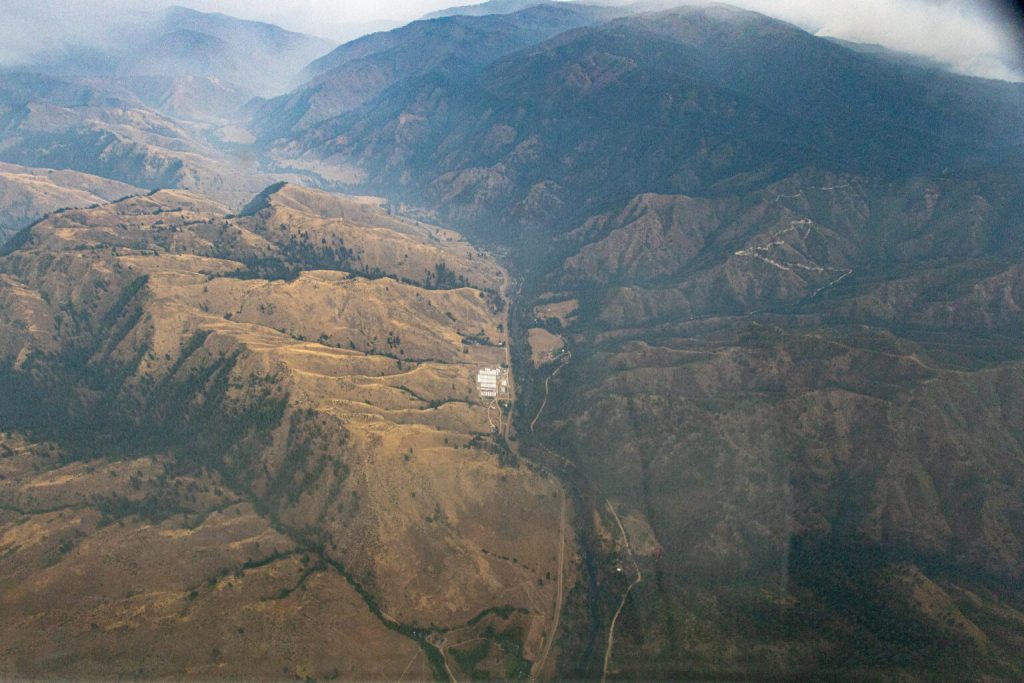
Idaho Copper’s CuMo project is one of the largest, most promising copper ventures in the United States. As demand for copper surges to support infrastructure and renewable energy goals, Idaho Copper has positioned itself to deliver a reliable supply of this critical resource, with a vision grounded in sustainability and efficiency. Located in the heart of Idaho, this massive deposit has an impressive copper reserve and comes with some unique advantages, from lower anticipated extraction costs to minimal environmental impact and strong community engagement. With a solid framework for low-cost, large-scale production, the CuMo project is geared to reshape the copper landscape in the U.S. and address future supply needs.
We sat down with Idaho Copper CEO Andrew Brodkey to learn about the strategies, future potential, and the leadership driving it forward, especially as they prepare to expand drilling and refine their resource estimates.
Idaho Copper is advancing one of the largest untapped copper projects in the United States. Could you explain what makes this project unique and why it is critical to meeting future copper demand?
Basically, for the CuMo deposit—the salient characteristics are its massive size, projected low-cost extraction, great location in the US in Idaho, and anticipated low Capex and capital intensity and other very favorable competitive metrics compared to its peers.
Your project has only drilled 60% of its site so far. What kind of potential do you see in the remaining 40%, and how does this shape your long-term vision for the Idaho Copper Project?
The current resources from the 2020 Preliminary Economic Assessment (PEA) identified, in the categories of Measured and Indicated (M&I), and Inferred Resources, approximately 8 billion pounds of copper, 3.5 billion pounds of molybdenum, and almost 500 million ounces of silver. The remaining 40% of drilling planned for 2025 (beyond some geotechnical holes) entails infill work which should help move some of the Inferred Resources to the M&I level of certainty, as well as converting some of the Indicated category to the higher level of Measured. In addition, there are areas to the southwest of the deposit which are prospective for further drilling to augment the Resources. Since CuMo as it sits today is a very large deposit, our vision is to start with relatively modest initial capital, but where with additional capital to construct complementary facilities, metal production can be expanded. Depending on how we design the operation, the Resource size is large enough to potentially last for greater than a 30-year mine life.
How does your leadership and experience align with Idaho Copper’s goals, and what new directions do you expect under his leadership?
I have worked for 35 years in the mining industry as a mining engineer and mining lawyer, as a C-Suite executive (VP, General Counsel) with Magma Copper, a NYSE- traded spinoff from Newmont Corp., and similar roles (VP, Business Development and VP, Associate General Counsel) with BHP Copper after our merger with BHP Billiton, the world’s largest mining company). I also served as CEO of four publicly traded junior exploration companies. This background includes virtually every issue that one can see with the mining business and mining projects. In particular for CuMo, I have considerable experience with technical work for major copper projects supporting PEA’s, Pre-Feasibility Studies (PFS), Bankable Feasibility Studies (BFS), financing, and importantly, permitting of major mining projects. My vision is to (1) complete the technical work necessary to produce an updated PEA with highly economically valuable results superior to the 2020 PEA, (2) progress CuMo with drilling, metallurgical and related work through a PFS, further demonstrating and enhancing the economic viability of the project, and (3) take CuMo through all the permitting, engineering and additional studies needed for a BFS, leading to financing, construction and commissioning of the mine.
Idaho Copper’s project benefits from high-value co-products such as molybdenum and silver. Could you explain how these co-products contribute to the overall economics of the project?
The ore at CuMo also contains recoverable rhenium (a defense metal) and tungsten. Molybdenum is an important metal used primarily in high-quality steel applications, for strength, corrosion resistance and other properties. Since molybdenum prices are roughly 5 times the price of copper, and we expect that somewhat equivalent volumes of both metals will be produced, this metal will actually provide the bulk of the revenue generated. Silver is abundant but contributes a much smaller number to the revenue side.
You’ve been actively lobbying to add molybdenum to the Critical Minerals list. Could you elaborate on the significance of this effort and how it would impact Idaho Copper’s strategic goals?
Strategically, Idaho Copper and the industry have backed off somewhat from these lobbying efforts for both copper and molybdenum, largely because the available government funding under the Infrastructure Act of 2020, and the Inflation Reduction Act of 2021 (IRA) does not depend on the classification by the US Geological Survey (part of the Department of the Interior) of copper or molybdenum as Critical Minerals. Instead, the Departments of Energy and Defense consider copper to be a “Critical Material” that qualifies for funding under these statutes. Following the PEA update, Idaho Copper expects to apply for project funding from the DoE and/or DOD for the next phases of work.
MineSense XRF scanning testwork has confirmed ore sorting applicability at your CuMo project. How does this technology enhance your mining operations, and what benefits does it bring in terms of efficiency or cost?
CuMo is a copper-molybdenum porphyry deposit, but not a typical porphyry where the mineralization is somewhat evenly distributed. Rather, CuMo is a “stockwork” porphyry where most of the metals of value exist in thin veins. One of the main keys to improving the economics of CuMo lies with the ability to separate these thin, metal-bearing veins from the gangue, or waste material in the ore. This is known as “ore sorting,” and MineSense testwork, with bucket-level XRF sensor sorting of run of mine blasted material, has demonstrated that ore sorting can be successfully applied to ore from CuMo. Ore sorting will enable Idaho Copper to send higher grade material to and construct a much smaller concentrator than was proposed in the 2020 PEA, saving considerably on Capex and Opex. Waste will be separated and disposed of, and low-grade ore will be stockpiled for further separation and potentially heap leaching.
With a 28-year life of mine (LOM), how does Idaho Copper plan to sustainably manage its resources and ensure long-term profitability?
The mine life cited of 28 years is from the 2020 PEA. This is subject to refinement in the PEA Update, and, with additional Resource expansion potential, the mine life could conceivably be much longer. If a mine is eventually financed and built, we will support the state of Idaho, Boise County, Idaho City and the communities nearby during our tenure, ensuring that operations meet and exceed all applicable environmental laws, rules, regulations and standards. We commit to being a “Good Neighbor” and envision securing support for a Good Neighbor Agreement, similar to what Resolution Copper has generated in Arizona for its large copper project.
The copper supply deficit is a growing concern globally. How does Idaho Copper plan to position itself as a major player in addressing this shortage, especially in the U.S. market?
It should be noted that the supply/demand and growth fundamentals for molybdenum are similar to copper.
We anticipate the projected initial yearly copper output from CuMo through a sulfide concentrator to conservatively average in the range of 30 million pounds, molybdenum up to 50 million pounds, with about a million ounces of silver. 2023 US copper demand was roughly 1.8 million metric tons, or 4 billion pounds. While CuMo as presently envisioned would produce only around 1% of current US demand, this number could be ramped up if mining and sulfide processing facilities are expanded. The large stockpile of lower-grade copper ore presents a strong upside for additional metal recovery, as current technologies to leach low-grade copper are being rapidly developed. It is important to note that production will exist through the long mine life which we believe will be the case at CuMo.
You’ve emphasized the importance of developing your project in a jurisdiction with excellent regulations. How does Idaho’s regulatory environment support your operations, and what advantages does it offer?
Idaho is an established, western US mining-favorable state, with high rankings from the Fraser Institute and the Mining Journal World Risk Report. State of Idaho regulations and those of the federal government through the US Forest Service are well-understood. Agency staff are very familiar with mining laws and regulations, and projects usually can navigate the permitting and approval processes with a strong degree of certainty. There also is generally positive support from the local communities who see the economic and other benefits that a meritorious mining project can bring to the state and Boise County.
There are of course detractors, normally from the NGO sector who are on principle opposed to any extractive project. But in our view, CuMo does not suffer from legacy environmental problems, and we strongly believe that the science will ultimately bear us out such that there will be no material adverse environmental effects from the project preventing its development.
Looking ahead, what should investors and stakeholders expect from Idaho Copper in terms of exploration milestones, project development, and new technologies over the next year?
- Yet this year or very early in 2025, we expect the US Forest Service to issue a Record of Decision and Finding of No Significant Impact approving the CuMo Exploration Plan of Operations which will allow Idaho Copper to carry out a drilling campaign in 2025.
- In Q1 2025, our aim is to publish the Updated PEA, which should be a dramatic improvement over the 2020 report.
- At the same time, the company plans to uplist from the US OTC securities exchange to a more senior market, either the NYSE-AMEX or the NASDAQ, which will aid in ability to raise capital for our operations and provide more liquidity in our shares.
- The next milestone will be the announcement of the undertaking of the commencement of the drilling field work which by permit can start in April.
- Finally in 2025, we plan to announce the beginning of the work towards a Pre-Feasibility Study, which will incorporate the eventual results of the drilling program, as well as additional studies on metallurgy, potential stockpile leaching, revisions to the geologic model, and baseline environmental work.
The above references an opinion and is for information purposes only. It is not intended to be investment advice. Seek a licensed professional for investment advice. The author is not an insider or shareholder of any of the companies mentioned above.
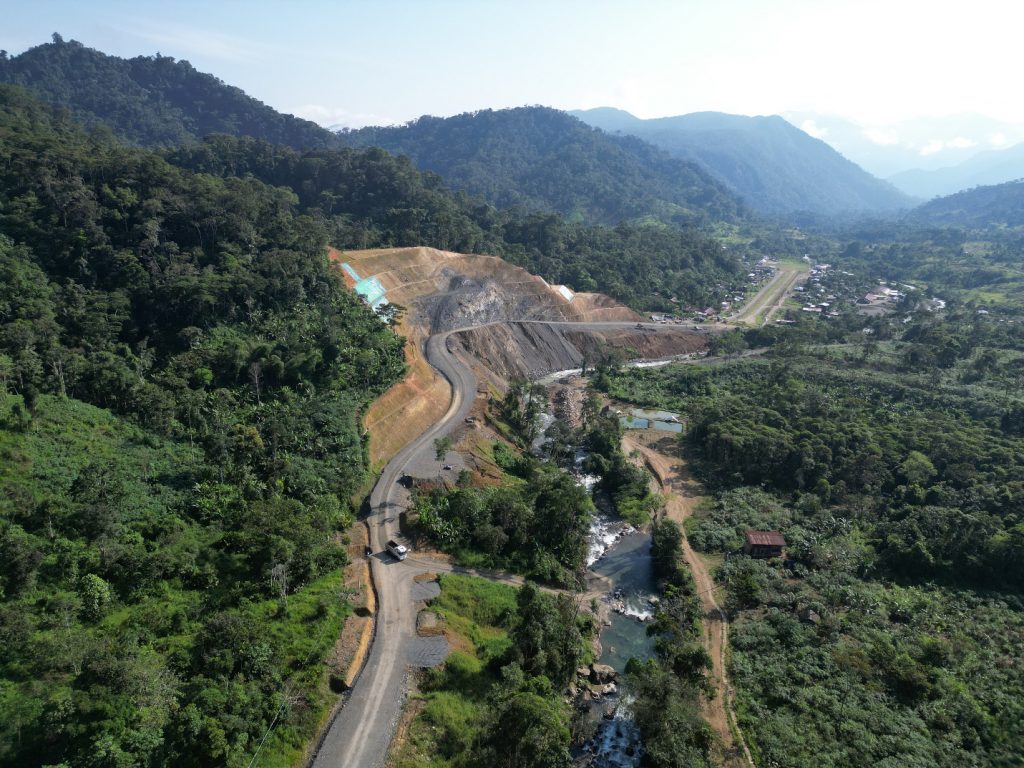
Solaris Resources (TSX:SLS)(NYSEAmerican:SLSR) has released an operational update for its Warintza Project, a copper-gold-molybdenum deposit located in southeastern Ecuador. The update highlights progress in drilling, infrastructure development, and technical programs that support the project’s advancement. Solaris’ 2024 drilling program has already surpassed expectations, and its early infrastructure projects are underway for streamlined access and logistics.
Drilling Update
Solaris has exceeded its original drilling target, completing 60,000 meters of drilling by the end of October. As part of its ambitious plans, the company now expects to surpass 75,000 meters by the end of the year. Currently, nine drilling rigs are in operation at Warintza, primarily focused on the extension and infill drilling needed for the 2024 Mineral Resource Estimate (MRE). This drilling work extends beyond the resource boundary to Warintza West, an area outside the MRE that may yield further resource growth in an expanded open-pit layout.
The drilling program is pivotal to defining and expanding the Warintza resource. By incorporating data from Warintza West, Solaris hopes to broaden the scope of the project, which could enhance the economic potential of the Warintza site. As results continue to emerge, the company is aiming to build a robust geological model to support future mining plans.
Solaris has upgraded 25 kilometers of road connecting the project to Ecuador’s highway network, improving transportation efficiency. An additional 8 kilometers of new roads were constructed to facilitate the logistics of drilling activities. This infrastructure supports ongoing mobilization, ensuring a smoother process for bringing materials and personnel to the site.
Construction efforts have also extended to a further 7 kilometers of roads. These roads are part of a long-term plan designed to support future mining operations. They will provide access to key project areas, including planned locations for the process plant, Waste Rock Facility (WRF), Tailings Management Facility (TMF), and anticipated pre-stripping and drilling zones.
By establishing this infrastructure early, Solaris aims to reduce potential bottlenecks as the project advances. The expanded road network will enhance logistics and access for future operational phases, helping to streamline the mining process and reduce downtime due to logistical constraints.
Technical Programs
Solaris has also reported advances in technical programs integral to the project’s development. Geotechnical and hydrogeological work has been completed for the TMF, with additional studies underway for the anticipated open pit, WRF, process plant, and related infrastructure. These programs include field testing, sampling, and instrumentation installations to ensure that future operations adhere to safety and environmental standards.
Knight Piésold Consulting, a firm specializing in engineering for mining and environmental projects, is finalizing studies on the TMF. These studies will form a crucial part of the upcoming Environmental Impact Assessment (EIA) review period. Final reports, including essential data on water management, are expected within the next few weeks. Once finalized, these reports will serve as key documents to support regulatory reviews.
In parallel with drilling and infrastructure development, Solaris has continued its metallurgical and processing studies. A recent metallurgical drilling program has been completed to supplement prior testing results. Comminution testing has also been finalized, providing a clearer picture of the deposit’s hardness. The upper layers of the deposit show a reduced hardness level compared to earlier expectations, potentially impacting the approach to extraction and processing.
The company is now moving forward with additional flotation tests. These tests aim to optimize reagents to improve copper and molybdenum recovery rates. Completion of these tests is anticipated by the end of the year, marking a significant milestone in Solaris’ efforts to refine its processing techniques.
Ausenco Engineering, a firm working closely with Solaris on the process plant design, has developed a preliminary flowsheet for the plant. This preliminary design is built on previous test work, which indicated that Warintza’s ores can yield high-quality concentrates for copper, gold, and molybdenum. These concentrates are expected to align well with the project’s economic goals, making the design a promising blueprint for Warintza’s processing infrastructure.
Looking Ahead
As Solaris Resources advances its Warintza Project, it is on track to meet or exceed its goals for 2024. With drilling activities well ahead of schedule and critical infrastructure nearing completion, Solaris has positioned itself to begin more detailed planning and development phases. Technical reports from Knight Piésold Consulting, as well as the results of ongoing metallurgical studies, will contribute to the EIA process, which is essential for Solaris to obtain the necessary permits for future operations.
The upcoming months will focus on analyzing additional drilling data and fine-tuning processing methodologies. As the company approaches the year-end, Solaris plans to evaluate the findings from Warintza West, which could play a significant role in expanding the project’s scope. With substantial groundwork laid in infrastructure, technical analysis, and processing design, Solaris appears to be progressing steadily toward developing the Warintza Project into a major mining operation.
Assay results from the company’s most recent update are as follows:

Drill results continue to build on the MRE, with holes SLS-111 and SLS-107 improving upon the modelled grade in its vicinity, while holes SLS 110, SLS 113-116 and SLSE-64 encountered mineralization partially outside of the MRE in the southern and northeastern sectors.
- SLS-111 (drilled southeast): 90m of 1.12% CuEq² within 475m of 0.46% CuEq² from surface
- SLS-107 (drilled northeast): 96m of 0.82% CuEq² within 543m of 0.51% CuEq² from surface
Step-out exploration drilling to the northwest of the MRE testing its connection to the Warintza West deposit has been completed with assays expected in the coming weeks, representing an opportunity for expansion of the MRE in an enlarged pit.
Table 1 – Mineral Resource Extension, Infill and Condemnation Results
| Hole ID | Date Reported |
From (m) |
To (m) |
Interval (m) |
Cu (%) |
Mo (%) |
Au (g/t) |
CuEq² (%) |
Comments |
| SLS-116 | Nov 12, 2024 | 0 | 475 | 475 | 0.22 | 0.00 | 0.02 | 0.23 | Southern sector – Infill / Extensional |
| Including | 12 | 108 | 96 | 0.41 | 0.00 | 0.02 | 0.42 | ||
| Including | 12 | 252 | 240 | 0.29 | 0.00 | 0.02 | 0.31 | ||
| SLS-115 | 0 | 469 | 469 | 0.23 | 0.00 | 0.03 | 0.25 | Southern sector – Infill / Extensional | |
| Including | 42 | 249 | 207 | 0.36 | 0.00 | 0.02 | 0.38 | ||
| Including | 42 | 393 | 351 | 0.28 | 0.00 | 0.03 | 0.30 | ||
| SLS-114 | 0 | 563 | 563 | 0.21 | 0.00 | 0.03 | 0.24 | Southern sector – Infill / Extensional | |
| Including | 63 | 563 | 500 | 0.24 | 0.00 | 0.03 | 0.26 | ||
| Including | 96 | 165 | 69 | 0.49 | 0.00 | 0.02 | 0.50 | ||
| Including | 96 | 309 | 213 | 0.31 | 0.00 | 0.02 | 0.33 | ||
| SLS-113 | 0 | 656 | 656 | 0.17 | 0.00 | 0.03 | 0.19 | Southern sector – Infill / Extensional | |
| Including | 117 | 375 | 258 | 0.25 | 0.00 | 0.03 | 0.27 | ||
| Including | 159 | 342 | 183 | 0.31 | 0.00 | 0.03 | 0.33 | ||
| Including | 342 | 656 | 314 | 0.14 | 0.00 | 0.03 | 0.17 | ||
| SLS-111 | 0 | 475 | 475 | 0.36 | 0.01 | 0.04 | 0.46 | Central sector – infill | |
| Including | 0 | 384 | 384 | 0.43 | 0.01 | 0.05 | 0.54 | ||
| Including | 60 | 150 | 90 | 0.99 | 0.02 | 0.06 | 1.12 | ||
| Including | 60 | 243 | 183 | 0.70 | 0.02 | 0.05 | 0.83 | ||
| SLS-110 | 0 | 671 | 671 | 0.13 | 0.00 | 0.02 | 0.15 | Southern sector – Infill / Extensional | |
| Including | 117 | 303 | 186 | 0.22 | 0.00 | 0.02 | 0.24 | ||
| Including | 117 | 671 | 554 | 0.14 | 0.00 | 0.02 | 0.16 | ||
| SLS-108 | 0 | 513 | 513 | 0.48 | 0.02 | 0.04 | 0.63 | Central sector – Infill | |
| Including | 0 | 435 | 435 | 0.49 | 0.02 | 0.04 | 0.65 | ||
| Including | 228 | 303 | 75 | 0.68 | 0.02 | 0.04 | 0.81 | ||
| SLS-107 | 0 | 543 | 543 | 0.26 | 0.04 | 0.05 | 0.51 | Northwest sector – Infill | |
| Including | 0 | 96 | 96 | 0.62 | 0.03 | 0.09 | 0.82 | ||
| Including | 0 | 147 | 147 | 0.42 | 0.04 | 0.08 | 0.68 | ||
| Including | 204 | 543 | 339 | 0.23 | 0.04 | 0.04 | 0.47 | ||
| SLS-106 | 0 | 230 | 230 | 0.18 | 0.03 | 0.04 | 0.39 | Northwest sector – Infill | |
| Including | 0 | 204 | 204 | 0.19 | 0.04 | 0.04 | 0.42 | ||
| Including | 42 | 90 | 48 | 0.39 | 0.04 | 0.05 | 0.65 | ||
| Including | 42 | 138 | 96 | 0.30 | 0.04 | 0.04 | 0.53 | ||
| SLS-105 | 0 | 323 | 323 | 0.19 | 0.03 | 0.04 | 0.37 | Northwest sector – Infill | |
| Including | 0 | 210 | 210 | 0.22 | 0.04 | 0.04 | 0.45 | ||
| Including | 42 | 111 | 69 | 0.37 | 0.05 | 0.04 | 0.68 | ||
| SLSE-70 | 0 | 394 | 394 | 0.38 | 0.01 | 0.06 | 0.49 | Eastern sector – Infill | |
| Including | 24 | 99 | 75 | 0.60 | 0.01 | 0.05 | 0.71 | ||
| Including | 24 | 210 | 186 | 0.44 | 0.02 | 0.05 | 0.56 | ||
| Including | 210 | 394 | 184 | 0.35 | 0.01 | 0.07 | 0.47 | ||
| SLSE-69 | 0 | 208 | 208 | 0.07 | 0.00 | 0.02 | 0.10 | Eastern sector – Condemnation | |
| SLSE-64 | 0 | 391 | 391 | 0.10 | 0.00 | 0.02 | 0.14 | Northeast sector – Infill / Extensional | |
| SLSE-63 | 0 | 251 | 251 | 0.09 | 0.00 | 0.03 | 0.12 | Northeast sector – Condemnation | |
| SLSE-59 | 0 | 410 | 410 | 0.09 | 0.00 | 0.02 | 0.12 | Northeast sector – Condemnation | |
| SLST-06 | 0 | 200 | 200 | 0.10 | 0.00 | 0.05 | 0.13 | Southern sector – Infill | |
| SLST-05 | 0 | 400 | 400 | 0.10 | 0.00 | 0.03 | 0.13 | Southern sector – Infill | |
| SLST-04 | 0 | 500 | 500 | 0.10 | 0.00 | 0.04 | 0.13 | Southern sector – Infill |
Notes to Table 1: True widths are interpreted to be very close to drilled widths due to the bulk-porphyry style mineralized zones at Warintza.
Table 2 – Collar Locations
| Hole ID | Easting | Northing | Elevation (m) |
Depth (m) |
Azimuth (degrees) |
Dip (degrees) |
| SLS-116 | 800,241 | 9,647,745 | 1,710 | 475 | 243 | -74 |
| SLS-115 | 800,239 | 9,647,740 | 1,710 | 469 | 240 | -46 |
| SLS-114 | 800,235 | 9,647,740 | 1,709 | 563 | 66 | -71 |
| SLS-113 | 800,239 | 9,647,739 | 1,710 | 656 | 61 | -48 |
| SLS-111 | 800,385 | 9,648,301 | 1,411 | 475 | 117 | -55 |
| SLS-110 | 800,235 | 9,647,735 | 1,707 | 671 | 38 | -54 |
| SLS-108 | 800,383 | 9,648,303 | 1,411 | 513 | 180 | -65 |
| SLS-107 | 799,760 | 9,648,031 | 1,575 | 543 | 45 | -60 |
| SLS-106 | 799,567 | 9,648,148 | 1,402 | 230 | 233 | -46 |
| SLS-105 | 799,568 | 9,648,147 | 1,403 | 323 | 220 | -60 |
| SLSE-70 | 801,262 | 9,648,122 | 1,282 | 394 | 90 | -87 |
| SLSE-69 | 801,710 | 9,647,937 | 1,199 | 208 | 65 | -62 |
| SLSE-64 | 801,799 | 9,648,247 | 1,101 | 391 | 300 | -50 |
| SLSE-63 | 801,805 | 9,648,237 | 1,099 | 251 | 270 | -76 |
| SLSE-59 | 801,160 | 9,648,332 | 1,313 | 410 | 62 | -68 |
| SLST-06 | 800,210 | 9,647,529 | 1,601 | 200 | 90 | -47 |
| SLST-05 | 800,201 | 9,647,526 | 1,599 | 400 | 250 | -60 |
| SLST-04 | 800,207 | 9,647,528 | 1,600 | 500 | 0 | -80 |
Notes to Table 2: The coordinates are in WGS84 17S Datum.
Endnotes
- Refer to the technical report entitled “Mineral Resource Estimate Update – NI 43-101 Technical Report, Warintza Project, Ecuador” with an effective date of July 1, 2024 and available on SEDAR+ under the Company’s profile at www.sedarplus.ca and on the Company’s website.
- Copper-equivalence grade calculation for reporting assumes metal prices of US$4.00/lb Cu, US$20.00/lb Mo, and US$1,850/oz Au, and recoveries of 90% Cu, 85% Mo, and 70% Au based on preliminary metallurgical testwork. CuEq formula: CuEq (%) = Cu (%) + 5.604 × Mo (%) + 0.623 × Au (g/t).
The above references an opinion and is for information purposes only. It is not intended to be investment advice. Seek a licensed professional for investment advice. The author is not an insider or shareholder of any of the companies mentioned above.
Inomin Mines (TSXV:MINE) has carved a unique position in the critical minerals exploration sector. With a firm focus on identifying, acquiring, and exploring large deposits of essential minerals, the company is committed to discovering resources that fuel a cleaner energy future. In an exclusive conversation with MiningFeeds, Inomin Mines shares insights into its projects, strategy, and the role it hopes to play in the global supply chain for critical minerals.
MiningFeeds: Could you give us an overview of Inomin Mines and its key focus within the critical minerals exploration industry?
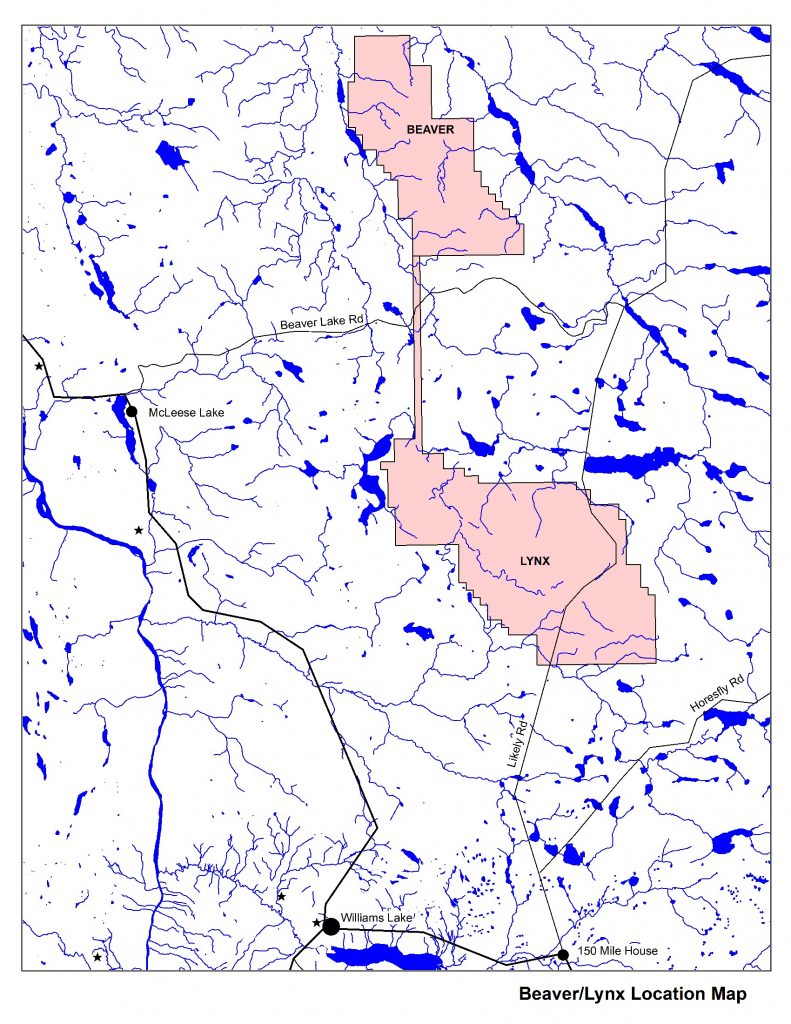
Inomin Mines: Inomin Mines (TSXV:MINE) is an exploration company focused on the identification, acquisition, and exploration of mineral properties prospective for hosting large deposits, especially critical minerals and precious metals. We acquired the Beaver-Lynx property to give the company exposure to discovery of significant nickel and magnesium resources. Such commodities are among the most critical materials for Western countries as they are largely produced in foreign countries, especially Asia and the Middle East, where supplies are subject to disruptions and trade restrictions.
With Inomin Mines’ strategic acquisition of the Beaver-Lynx property, the company is primed for the discovery of critical mineral deposits. Their focus on key resources like nickel and magnesium aims to address Western dependence on foreign mineral production, a goal that aligns with broader supply chain security efforts.
MiningFeeds: The Beaver-Lynx project is a significant part of Inomin’s portfolio. What makes this project stand out in terms of its potential for high-grade magnesium and sulphide nickel deposits?
Inomin Mines: Among the project’s many stand-out factors is its large mineral size potential. In terms of size, exploration indicates the property could host over 2 billion tonnes of resources. If so, the project would be among the largest resources of nickel and magnesium in Canada.
Inomin’s Beaver-Lynx project represents an immense opportunity with its potentially vast mineral deposits. With over two billion tonnes of resource potential, Beaver-Lynx could secure a top position in Canada’s nickel and magnesium supply chain, offering significant strategic advantages.
MiningFeeds: Inomin has mentioned that the Beaver-Lynx project benefits from excellent infrastructure and a strong local workforce. How important are these factors for the success of a mining project, especially in south-central British Columbia?
Inomin Mines: As Beaver-Lynx is in an infrastructure-rich area, including hydroelectric power, all-season roads, and active railroad, it allows for significantly lower project costs for exploration, as well as development and mining. The existing infrastructure is worth billions, and if not in place, would take years to establish – obviously a tremendous advantage for projects in the region. The surrounding resource communities support mining as the industry is a leading economic sector providing well-paying jobs and related opportunities.
The project’s strategic location in British Columbia’s resource-rich infrastructure highlights how a supportive local workforce and established infrastructure can significantly lower costs and enhance project feasibility.
MiningFeeds: Recently, Inomin applied for hydrogen rights related to the Beaver-Lynx project. Can you explain how this expands the project’s potential and what role hydrogen could play in the future of mining and energy?
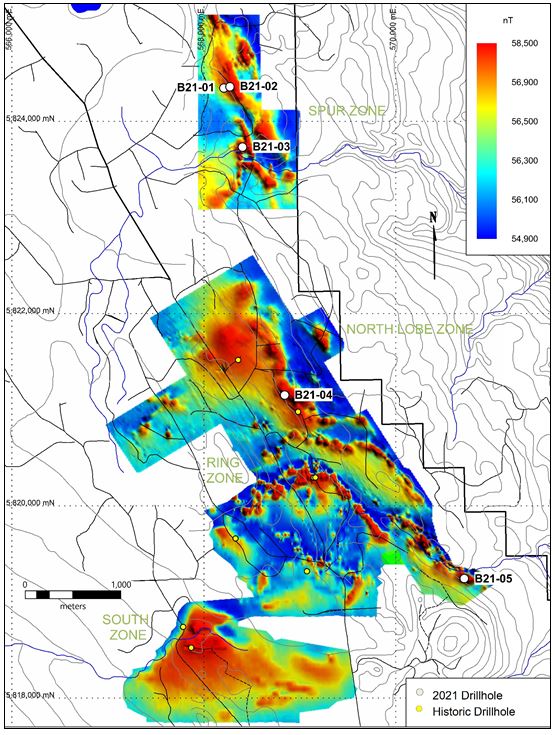
Inomin Mines: Beaver-Lynx is in a geologic setting prospective for natural hydrogen, also known as geologic hydrogen and white hydrogen. Hydrogen and/or other gases that may be found add to the project’s potential value. We haven’t yet tested the property’s potential for hydrogen but plan to going forward. In our last drilling program, one of the holes went through an empty area void of material which could represent a reservoir hosting gas.
Natural hydrogen, unlike green and other types of hydrogen, has been called the “holy grail of clean energy” as it doesn’t need to be processed, and used in fuel cells, only emits water vapor. Hydrogen will become a growing and important energy source to assist industries (including mining) and countries decarbonize, and create cleaner, more sustainable environments.
The potential discovery of natural hydrogen at Beaver-Lynx adds an exciting layer to the project. Hydrogen’s clean energy credentials make it a sought-after resource in the push for decarbonization, presenting Inomin with a unique opportunity to contribute to cleaner energy solutions.
MiningFeeds: Could you provide more details on how the proximity of Beaver-Lynx to two major mines adds to the strategic advantage of the project?
Inomin Mines: Beaver-Lynx is located between two of the province’s largest operating mines: Gibraltar and Mount Polley. Our property in fact borders Taseko’s Gibraltar mine, just eight kilometres from the open pit. Gibraltar has been in production for many years and is a significant economic contributor to nearby communities, employing over 700 persons. Exploration and mining in the region have a long, highly valued history that will enable new projects such as Beaver-Lynx to continue to be welcomed by residents and other stakeholders.
By situating itself near established mines, Inomin Mines stands to benefit from shared resources and a supportive mining community, setting the stage for Beaver-Lynx to become an integral part of British Columbia’s mining landscape.
MiningFeeds: Inomin is targeting critical minerals, which are essential for technologies like electric vehicles and renewable energy systems. How does the company see itself contributing to the global supply of these minerals?
Inomin Mines: If we confirm Beaver-Lynx holds a major source of critical minerals, then the project can contribute to global supplies, especially a clean supply source. It would be relatively cleaner because Canada has much higher environmental standards (compared to many countries in Asia and Africa), and preliminary testing indicates the project likely has the advantage of being able to sequester carbon dioxide mining emissions given the high amount of magnesium mineralization.
Inomin Mines aims to enhance global supplies of critical minerals, emphasizing cleaner extraction processes aligned with Canada’s rigorous environmental standards. This dedication to environmentally responsible mining could position Beaver-Lynx as a leading source for sustainable critical minerals.
MiningFeeds: You recently closed a private placement and provided a corporate update. How does this funding support your current exploration efforts and future expansion?
Inomin Mines: We raised a relatively small amount of capital earlier this year to advance our exploration and business activities. We plan to raise more capital near-term to continue to advance Beaver-Lynx and other opportunities.
The additional capital raised by Inomin fuels its exploration initiatives, enabling the company to push forward with its development goals at Beaver-Lynx and pursue further growth.
MiningFeeds: What challenges and opportunities do you foresee in the critical minerals sector, and how is Inomin positioning itself to navigate these dynamics?
Inomin Mines: One challenge in the sector, and mining in general, is gaining public interest and support. The mining industry is still viewed by many people as a dirty (polluting) business. The reality is without critical minerals there is no greener society. The mining sector needs to continue to make progress to be more sustainable and better communicate the industry’s contributions and importance to the world.
Inomin is keenly aware of the perception challenges facing the mining industry. By adopting sustainable practices and engaging in transparent communication, the company aims to redefine the role of mining in fostering a greener, cleaner society.
MiningFeeds: Sustainability is a growing concern in the mining industry. How does Inomin incorporate environmental and social governance (ESG) principles into its projects, particularly Beaver-Lynx?
Inomin Mines: We try to operate in a manner that’s beneficial to all stakeholders especially where we work. Communication is key and we contribute where we can, even on a small scale. For instance, for those few residents that reside where our property is located, we’ve pointed out that they should test their well water as it’s likely to contain high content of metals like nickel – not something you want to consume long-term.
Inomin Mines’ proactive approach to stakeholder engagement demonstrates its commitment to ESG principles, particularly through initiatives that promote community welfare, like advising local residents on potential water quality issues.
MiningFeeds: Looking ahead, what milestones should investors and stakeholders expect from Inomin in the near future, particularly with regard to the Beaver-Lynx project and your broader exploration goals?
Inomin Mines: A key near-term objective is to raise further capital to continue to advance Beaver-Lynx. We’d like to delineate a maiden mineral resource and test for hydrogen. As resource market conditions are still relatively soft, we hope to attract a project partner and strategic shareholders. Of course today’s market conditions provide opportunities for investors – that’s the nature of our highly cyclical sector.
Inomin is setting its sights on several key milestones, including additional fundraising, resource delineation, and hydrogen testing. The company’s adaptability in navigating the cyclical resource market presents investors with a timely opportunity in the critical minerals sector.
As Inomin Mines continues to explore and expand its portfolio, the company’s commitment to sustainability, innovation, and community engagement makes it an important part of the critical minerals exploration industry and for contributions to the future of clean energy technologies, both in Canada and on a global scale.
The above references an opinion and is for information purposes only. It is not intended to be investment advice. Seek a licensed professional for investment advice. The author is not an insider or shareholder of any of the companies mentioned above.

The above references an opinion and is for information purposes only. It is not intended to be investment advice. Seek a licensed professional for investment advice. The author is not an insider or shareholder of any of the companies mentioned above.
The above references an opinion and is for information purposes only. It is not intended to be investment advice. Seek a licensed professional for investment advice. The author is not an insider or shareholder of any of the companies mentioned above.

Hercules Metals (TSXV:BIG) has provided an updated look at the progress and discoveries made in their ongoing drilling operations at the Leviathan porphyry copper system in western Idaho. The company has reported advances in its Reverse Circulation (RC) drilling campaign, with promising signs of shallow porphyry mineralization and new zones of interest.
Drill holes HER-24-19 through -21 are noteworthy as they highlight early biotite alteration, with mineralization occurring at increasingly shallow depths—beginning as early as 72 meters in hole HER-24-20. These findings mark a clear trend: mineralization becoming more accessible as exploration moves toward a large, untested copper anomaly at the surface to the east.
Geologically, the holes start in shallow phyllic alteration and then transition deeper into biotite alteration, part of what seems to be the outer potassic shell of the system. The extension of this biotite alteration zone southward is a critical expansion, providing new directions for future exploration.
The company has also discovered a magmatic-hydrothermal breccia intercepted in HER-24-20, the first of its kind found at the property. This breccia, spanning 76 to 157 meters downhole, showcases intense mineralization, including pyrite-chalcopyrite occurrences that grow stronger downward. This find adds a new layer of geological complexity and resource potential to the Hercules project.
While the team continues to test the mineralization at deeper levels and interpret these early findings, the extensive exploration effort holds promise. The alteration data and mineralization trends hint at the broader potential of the system, suggesting that there may be even more to uncover.
Highlights from the results are as follows:
- Mineralization begins at 72m depth in HER-24-20 and remains open toward a large surface anomaly.
- Mineralized early biotite alteration intersected in 3 new holes to the southeast – and potentially plunging under HER-23-14, previously thought to be the edge of the system.
- A separate zone of early biotite was also encountered at depth in holes HER-24-08 and HER-24-12, which may be related to a separate intrusive center to the north.
- New magmatic-hydrothermal breccia pipe discovered by HER-24-20 represents a new target type, with vertically extensive potential.
- Mineralized envelope continues to expand – remains open in multiple directions.
- RC drilling continues to provide additional value, testing new targets rapidly, both pre-collar and otherwise.
The above references an opinion and is for information purposes only. It is not intended to be investment advice. Seek a licensed professional for investment advice. The author is not an insider or shareholder of any of the companies mentioned above.

Palamina Corp. (TSXV:PA) has provided an update on its ongoing drilling operations at the Usicayos gold project, located in southeastern Peru, specifically within the Sol De Oro Zone (SDO). The company has completed six drill holes in two key areas of SDO: Sol De Oro East (SDO E) and Sol De Oro South (SDO S), with more drilling planned at Sol De Oro North (SDO N).
Andrew Thomson, President of Palamina commented in a press release: “Palamina’s inaugural drill program in the Sol de Oro zone targeted the north and south ends of an interpreted flower structure, as well as the eastern zone between them. Drilling at SDO East revealed extensive mineralization, with gold grades increasing toward the north. At SDO South, we intercepted both mineralized shales and a new mineralized intrusion, with visible gold intercepts noted in holes USI24-04 and USI24-05. The drill is now being relocated to SDO North to explore the northern end of the flower structure.”
The company’s initial drilling phase marks a significant step forward in understanding the potential gold deposits at Usicayos. Palamina has focused on a substantial shear structure within the Sol De Oro Zone, which measures about 1.5 kilometers in width and extends 2.2 kilometers in length. Mineralized zones follow the path of deformation zones, characterized by dense quartz veining aligned with the region’s geological fabric. These zones, referred to as “mantos,” dip north and south toward a prominent fault that exhibits a “flower structure” pattern, a feature known to host significant mineral deposits.
In total, Palamina has completed 1,685 meters of diamond drilling, splitting its efforts equally between SDO East and SDO South, with three drill holes in each area. The drill rig will soon be relocated to Sol De Oro North, where two additional holes are scheduled.
Progress at Sol De Oro East (SDO E)
At SDO E, Palamina has identified four surface-level mantos that stretch over an 800-meter length and trend from north to south. Prior sampling indicated the presence of gold-rich quartz veins within these thick shear zones. The drilling campaign aimed to confirm the mineralization and refine the geological model.
Drill hole US124-01 penetrated Manto 1 at a depth of 23 meters and reached Manto 2 at 161 meters. The shearing in both zones was notable, featuring intense foliation and clear signs of ductile deformation within metamorphosed carbonaceous shale. While Manto 1 presented fewer quartz veins than anticipated, Manto 2 appeared deeper than expected. This discrepancy suggests that the zone might have experienced significant folding or displacement due to late-stage faulting. The second and third drill holes, US124-02 and US124-03, managed to intercept Manto 1 but fell short of reaching Manto 2 due to operational challenges, which forced the team to abandon drilling before hitting the target depth.
The remaining mantos, numbered 3 and 4, are yet to be tested, leaving potential for additional mineralization. Palamina is awaiting assay results to better evaluate the resource potential at SDO E.
Developments at Sol De Oro South (SDO S)
Drilling at SDO S was aimed at exploring the extensions of known gold-bearing quartz veins. This area had previously yielded promising surface and underground sampling results, with one trench showing gold grades of up to 3.4 grams per tonne over 14 meters, and a selected underground sample revealing a high-grade interval of 153 grams per tonne gold over one meter.
One of the most significant outcomes at SDO S came from drill hole US124-04, which intercepted visible gold between 100 and 150 meters. The gold appeared in quartz veins hosted within Devonian-age shale and was often accompanied by a stockwork of fine-scale pyrrhotite, pyrite, chalcopyrite, and arsenopyrite veins. At a depth of 113 meters, the drill encountered a blind microdiorite intrusion, further indicating the presence of mineralization. The visible gold findings were particularly noteworthy, appearing in two distinct quartz veins.
Two subsequent drill holes, USI24-05 and USI24-06, were drilled nearby. USI24-06, positioned 100 meters west of USI24-05, aimed to test the horizontal continuity of the sulfide-rich vein system. This area has demonstrated a strong correlation between the sulfide veins and magnetic responses detected in a drone-based magnetic survey conducted earlier in 2024. The survey revealed an ENE-WSW magnetic trend spanning over a kilometer, linking SDO West and potentially extending toward SDO East.
Figures released by Palamina show the magnetic analytical signal, highlighting the connections between the various zones and the sulfide-bearing structures. These results are crucial for understanding the broader geological framework and planning future exploration efforts.
The above references an opinion and is for information purposes only. It is not intended to be investment advice. Seek a licensed professional for investment advice. The author is not an insider or shareholder of any of the companies mentioned above.

Gladiator Metals (TSXV:GLAD) has announced progress in its exploration of the Whitehorse Copper Project in Yukon, Canada, where recent drilling has uncovered promising copper mineralization. This project includes multiple advanced high-grade copper prospects along a 35-kilometer belt of skarn mineralization. Gladiator Metals, a Vancouver-based company, is advancing the project with a 13,000-meter drilling program.
The company has completed drilling at three prospects—Best Chance, Arctic Chief, and Cowley Park. Currently, drilling is underway at Cub Trend, where Gladiator intends to follow up on previous work. Gladiator plans to wrap up operations at Cub Trend and then return to Cowley Park for further drilling, building on positive results announced on October 3, 2024.
At Best Chance, Gladiator concluded a scout drill program on October 10, 2024. This program included seven holes covering a total of 1,295 meters. Two of the holes, ACG-007 and ACG-007D2, encountered substantial copper mineralization in skarn formations, which the company will submit for assaying soon. This mineralization has the potential to expand Gladiator’s understanding of the resource at Best Chance.
Gladiator recently began work at the Cub Trend, conducting an Induced Polarization (IP) Survey over five lines to explore two key prospects: Black Cub South and Gem. This survey targeted both known mineralized zones and unmined areas with potential for further exploration.
At Black Cub South, the survey examined extensions to an existing open pit and adjacent areas. Historical drilling in this area has shown copper mineralization, including a 30.51-meter intersection at 1.2% copper from a depth of 22.16 meters. Gladiator also investigated the Gem prospect, where historic drilling revealed intersections such as 16.61 meters at 2.59% copper from 76.05 meters and 24.99 meters at 1.4% copper from 23.93 meters.
Next Steps in the Drilling Program
Gladiator aims to release assay results for drilling conducted at Cowley Park, Arctic Chief, and Best Chance in the upcoming weeks. The company is prioritizing the analysis of the Best Chance core samples to expedite the availability of results.
This drilling campaign is part of Gladiator’s dual strategy. First, the company is focused on defining resources at Cowley Park, a cornerstone prospect with over 300 drill holes completed to date. This prospect is notable for its high-grade copper-molybdenum mineralization, with grades typically ranging between 1.5% and 2%. The mineralization spans approximately 700 meters and remains open in all directions. Second, the company is exploring additional high-grade prospects, targeting the broader potential of the Whitehorse Copper Project.
The Whitehorse Copper Project
Gladiator’s Whitehorse Copper Project spans a 35-kilometer belt, previously mined for high-grade copper and other minerals. The project area offers advantages, including road access, hydroelectric power, rail transport, and a local labor force. The project contains multiple high-grade copper prospects that have not been extensively explored. The company aims to tap into this under-explored territory to uncover new copper resources.
The main prospects at the Whitehorse Copper Project include Cowley Park, Chiefs Trend, Arctic Chief Trend, and Cub Trend. Cowley Park is the most advanced, with significant historic and current drilling activity. The Arctic Chief Trend, including Best Chance and Grafter, has shown potential for high-grade copper-gold mineralization. Cub Trend contains prospects like Gem and Black Cub South, where recent IP survey work aims to confirm and expand upon historic findings.
If you would like to receive our free newsletter via email, simply enter your email address below & click subscribe.
 Follow us on Twitter
 Become our facebook fan
CONNECT WITH US
Tweets
Tweet with hash tag #miningfeeds or @miningfeeds and your tweets will be displayed across this site.
MOST ACTIVE MINING STOCKS
Daily Gainers
 CMC Metals Ltd. CMC Metals Ltd. |
CMB.V | +900.00% |
 Eden Energy Ltd Eden Energy Ltd |
EDE.AX | +200.00% |
| GoviEx Uranium Inc. |
GXU.V | +42.86% |
| Eagle Nickel Ltd. |
ENL.AX | +41.67% |
| Citigold Corp. Limited |
CTO.AX | +33.33% |
| Mount Burgess Mining NL |
MTB.AX | +33.33% |
| Exalt Resources Limited |
ERD.AX | +31.94% |
| Casa Minerals Inc. |
CASA.V | +30.00% |
| Cariboo Rose Resources Ltd |
CRB.V | +28.57% |
| Belmont Resources Inc. |
BEA.V | +28.57% |