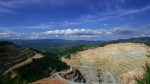
India is ramping up its investment in Argentina’s mining, gas, and oil sectors, with a strong focus on lithium as it seeks to secure key resources for its clean energy transition. The move aligns with India’s broader strategy to ensure stable access to critical minerals, essential for its ambitious push toward electric mobility and renewable energy.
V.L. Kantha Rao, India’s mining secretary, visited Buenos Aires for high-level talks, marking the first in-person meeting between Indian and Argentine officials since the two countries signed a preliminary agreement in 2022. The deal covers mineral exploration, critical mineral supply, and technology development.
Indian companies, both state-owned and private, are already exploring lithium deposits in Argentina. State-run Khanij Bidesh India Ltd and Coal India, along with private firm Greenko, have begun operations in Catamarca, a province in northwest Argentina that borders Chile. Rao indicated that further investments may be on the horizon, suggesting that an official announcement could come within six months. He also highlighted growing interest in other lithium-rich provinces such as Salta.
India’ss Urgency to Secure Lithium
India, one of the world’s largest greenhouse gas emitters, is taking aggressive steps to transition to cleaner energy sources. The government has identified 30 critical minerals, including lithium, as essential for its decarbonization goals. The demand for lithium is particularly pressing as India plans to electrify 30% of its vehicle fleet by 2030.
This push for lithium security reflects a broader trend in which India is turning to resource-rich nations such as Australia, Chile, and Argentina to ensure a steady supply of materials needed for battery production and other renewable energy technologies.
Indian investors are looking for stability and long-term policy predictability in Argentina. The country’s recently introduced Large Investment Incentive Regime (RIGI) is seen as an attractive framework, offering tax benefits for investments exceeding $200 million.
Argentina is the world’s fourth-largest lithium exporter and a key player in the “lithium triangle, an area that also includes Chile and Bolivia. The region contains some of the largest known lithium reserves, making it a crucial supplier for the global battery industry.
The Argentine government, under President Javier Milei, is pushing economic deregulation measures to attract more foreign investment. The country is grappling with high inflation and economic instability, making foreign direct investment an essential pillar for its recovery strategy.
Expanding Energy Cooperation
Beyond lithium, India is also eyeing investments in Argentina’s copper, gold, gas, and oil sectors. The energy partnership between the two nations took a step forward last week when Argentina’s state-controlled oil company, YPF, signed a memorandum of understanding with three Indian firms for potential liquefied natural gas (LNG) exports.
Indian officials will also visit Catamarca and meet with Argentina’s Economy Minister Luis Caputo to discuss further investment opportunities.
As India accelerates its transition to renewable energy and electric vehicles, securing stable supply chains for critical minerals has become a strategic priority. By deepening ties with Argentina, India aims to not only strengthen its energy security but also position itself as a key player in the global clean energy race. Meanwhile, Argentina, struggling with economic uncertainty, views India’s investment as a potential boost to its resource sector and overall financial stability.
The above references an opinion and is for information purposes only. It is not intended to be investment advice. Seek a licensed professional for investment advice. The author is not an insider or shareholder of any of the companies mentioned above.
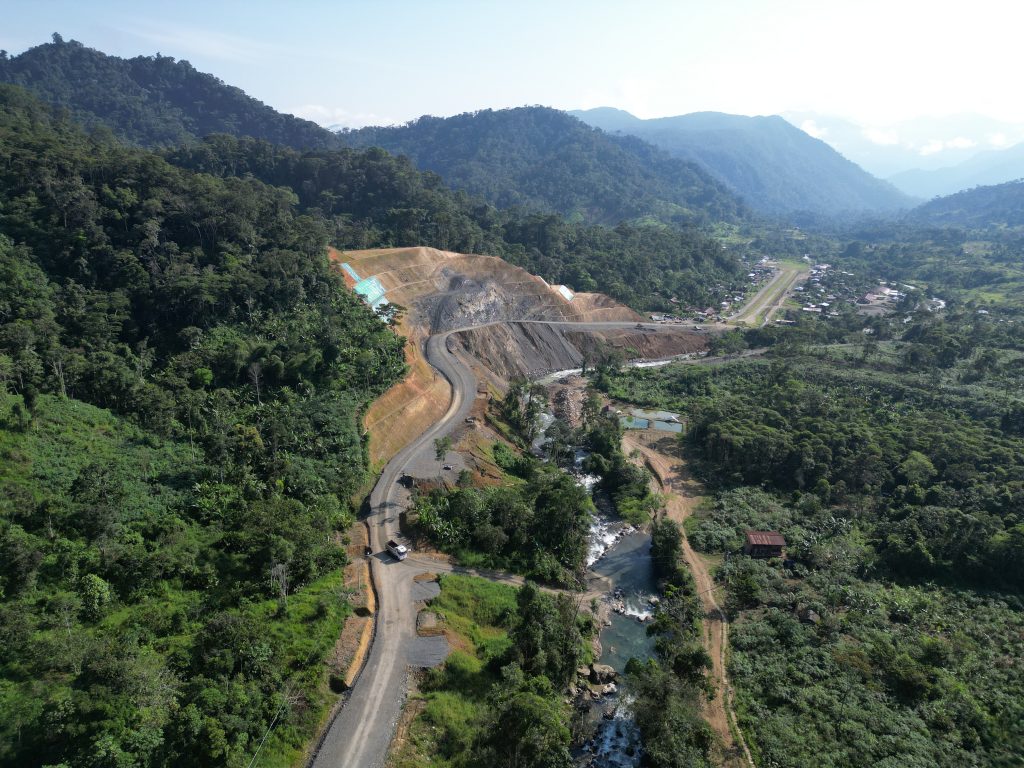
Solaris Resources (TSX:SLS)(NYSEAmerican:SLSR) has announced the expansion of its leadership team with the appointment of three key executives. Richard Hughes has been named Chief Financial Officer and Company Secretary, Patrick Chambers will serve as Vice President of Investor Relations, and Ignacio Shimamoto has been appointed Vice President of Finance. These appointments are effective immediately.
Hughes replaces outgoing CFO Sunny Lowe and will oversee the finance function. His background includes experience as CFO and Executive Director of Trident Royalties PLC, which was recently acquired. Hughes has spent over two decades in the natural resources sector, specializing in strategy, capital markets, and corporate finance.
Chambers will lead global investor engagement, leveraging his geological, investor relations, and business development experience. Over the past 12 years, he has worked with various commodities, focusing on Latin America. Prior to joining Solaris, he served as Head of Investor Relations at Horizonte Minerals.
Shimamoto will manage financial strategy, including internal and external reporting, financial modeling, procurement, and contract management. He has over 20 years of experience in financial planning, acquisitions, and business improvement within the natural resources sector. His previous roles include Finance Manager for Copper Peru at Glencore and Regional Finance Manager overseeing mining operations in Argentina, Chile, and Peru.
Matthew Rowlinson, President and CEO of Solaris, welcomed the new executives and acknowledged the contributions of the outgoing team. “I am delighted to welcome Richard, Patrick, and Ignacio to the management team. Their expertise will be crucial as we continue our strategy to maximize returns for stakeholders. I also extend my gratitude to our outgoing team for their role in establishing the Warintza project as a world-class copper deposit. 2025 is an important year for Solaris as we continue de-risking activities and advancing our projects.”
In connection with his appointment, Hughes has agreed to subscribe for C$350,000 worth of common shares in Solaris through a private placement.
Final Emigration Steps
Solaris has also confirmed that the final steps in its emigration process are complete, pending a few administrative matters. The Company previously provided details on this transition in a news release dated November 20, 2024.
Solaris continues its progress in advancing the Warintza project and strengthening its leadership team as it moves forward with key strategic initiatives.
The above references an opinion and is for information purposes only. It is not intended to be investment advice. Seek a licensed professional for investment advice. The author is not an insider or shareholder of any of the companies mentioned above.

Cobalt prices have dropped to their lowest level since 2016, driven by a surge in global production that continues to exert downward pressure on the value of the key battery material. As of January 23, spot cobalt traded at $11.02 per pound, a significant decline in value as supply levels remain elevated.
The decline in cobalt prices comes as production reaches record highs. CMOC Group Ltd., the world’s largest cobalt producer, announced that it surpassed its 2024 full-year production forecast within the first nine months of the year, producing 114,165 tons. The Chinese company has since issued guidance for 2025, projecting output to range between 100,000 and 120,000 tons, maintaining its current level of activity. This sustained output is supported by expanded operations at its two key African mines, which remain pivotal to its strategy.
The cobalt mining industry has seen an increase in output in recent years, partly due to its ties to copper mining. Cobalt is often extracted as a by-product of copper production, and CMOC has shown optimism about the long-term prospects for copper. For 2025, CMOC has set its copper production target at 600,000 to 660,000 tons, following its 2024 output of approximately 650,000 tons. This interconnected production of cobalt and copper has compounded the supply glut, further influencing cobalt prices.
The cobalt market has faced challenges beyond oversupply. Demand for cobalt has been volatile, with the material primarily used in the production of batteries for electric vehicles and other technologies. While the electric vehicle market continues to grow, advancements in battery technology have shifted some demand away from cobalt-intensive chemistries, adding further complexity to the market dynamics.
CMOC’s latest output guidance reflects confidence in its operational capabilities, but the sustained high production levels could prolong the period of low prices if demand does not rise to meet supply. The company’s continued reliance on African mines underscores the region’s critical role in global cobalt supply chains, as African countries remain the dominant producers of the metal.
As the cobalt market navigates these challenges, the interplay between production levels, demand shifts, and evolving technologies will continue to shape its trajectory. For now, the market faces an oversupply situation that has brought cobalt prices to their lowest in nearly a decade, signaling potential turbulence ahead for the industry.
The above references an opinion and is for information purposes only. It is not intended to be investment advice. Seek a licensed professional for investment advice. The author is not an insider or shareholder of any of the companies mentioned above.

The Canadian mining sector remains cautiously optimistic as it confronts the possibility of 25% tariffs on all Canadian goods entering the United States. U.S. President Donald Trump made this announcement in a series of statements that have stirred unease among Canadian industries, which are closely tied to the U.S. market.
The mining industry, responsible for exporting over half of Canada’s mineral output to the United States valued at more than C$80 billion in 2022 appears quietly confident about weathering the storm. Industry leaders and analysts point to the deep interdependence of the two nations’ economies, particularly in critical minerals, as a potential buffer against sweeping tariffs.
The Stakes for Canadian Mining
Canadian mineral exports support many U.S. industries, particularly in the supply of critical minerals like nickel, aluminum, and germanium. Pierre Gratton, president and CEO of the Mining Association of Canada, highlighted the strategic importance of these materials in a recent interview, especially amid U.S. efforts to reduce reliance on Chinese supply chains.
When China imposed a ban on the export of germanium to the United States, Canada stepped in, Gratton explained. This underscores the value of our trade relationship and the mutual dependence between our countries.
Trump’s recent comments suggest a broader reassessment of Canada’s role in the U.S. economy, citing American self-sufficiency in key sectors like energy, automotive manufacturing, and lumber. Despite this rhetoric, experts question whether the U.S. would truly jeopardize its access to vital Canadian resources.
Industry Voices Express Skepticism
Prominent mining figures have cast doubt on the likelihood of Trump implementing the tariffs. Pierre Lassonde, a founder of Franco-Nevada and former president of Newmont, suggested such measures would be counterproductive.
All mine output is raw material for the U.S. industrial complex, Lassonde noted. [Tariffs] would raise costs for consumers and disrupt the flow of critical metals that the U.S. needs. It doesn’t make economic sense.
Stephen Roman, founder of Gold Eagle Mines and now head of Global Atomic, echoed this sentiment, calling Trump’s statements a negotiating tactic. At the end of the day, raising costs for mineral products, whether oil, gas, or metals, wouldn’t benefit either country. This is about getting attention and leverage.
A Longstanding Partnership Under Pressure
The U.S. and Canada have a long history of collaboration in critical mineral development, formalized in Trump’s first term through the Joint Action Plan on Critical Minerals Collaboration. This initiative aimed to strengthen North American supply chains for minerals essential to industries like defense, technology, and clean energy.
Clifford Sosnow, an international trade lawyer, recently noted that the U.S. has already funneled millions of dollars into Canadian critical mineral projects to reduce dependence on China. This context complicates Trump’s tariff threat, as such actions could undermine existing efforts to build a North American mineral alliance.
He’s signaling the need for alternative supply sources, which should create opportunities for Canada, Sosnow said. But his rhetoric introduces uncertainty that could stall progress.
The threat of tariffs has ignited political and economic debate on both sides of the border. Canadian leaders have issued mixed responses, ranging from calls for retaliation to concerns about the broader impact of a trade war. Alberta Premier Danielle Smith and Saskatchewan Premier Scott Moe have expressed fears that tariffs could severely impact revenue from their provinces’ oil, gas, uranium, and potash sectors.
Ontario Premier Doug Ford has adopted a more combative stance, advocating for strong retaliatory measures. We need to match these tariffs dollar for dollar and target areas that will hurt the U.S. most, Ford told reporters.
Prime Minister Justin Trudeau, who recently announced plans to step down, agreed on the need for a firm response, warning that tariffs would drive up costs for American consumers. This is not something Canada wants, Trudeau said. But if necessary, we will respond robustly.
Federal Conservative leader Pierre Poilievre struck a similar tone, though his comments avoided specifics. Political analysts suggest his hesitation may reflect a desire to balance support for Alberta’s energy sector with broader national interests.
The above references an opinion and is for information purposes only. It is not intended to be investment advice. Seek a licensed professional for investment advice. The author is not an insider or shareholder of any of the companies mentioned above.

Eminent Gold (TSXV: EMNT) (OTCQB: EMGDF) has announced results from its first drill hole at the Hot Springs Range Project (HSRP) in Nevada. This exploration marks an early stage in their 2025 drilling campaign and focuses on the Otis target, a prospective area believed to be geologically similar to the Getchell Trend, which has a documented gold endowment of 50 million ounces.
Dan McCoy, Chief Geologist and Director commented in a press release: “Our thesis is that our Hot Springs Range Project may represent a prolific parallel version of the nearby Getchell Trend. Our first partially reported drill hole, which did not cross the main structure, intersected strong alteration as well as significant gold and arsenic within the alteration. The second hole is currently drilling across nearby primary structures, which we feel may be associated with the heart of the system.”
The information obtained from this hole provides a clear path for the second drill hole, which will target the intersection of NE faults with the NW Eden Valley fault and the thrust fault bounding the lower contact of the Home Ranch Terrane (see Figure 3 for location and Figure 6 for planned section). HSC002, despite having anomalous gold and arsenic numbers, did not cross any of these major structures (Figure 4).
Paul Sun, President and CEO of the Company also commented: “Hitting significant gold and arsenic in our first hole and on the other side of the Getchell Trend, where nobody has drilled before, is super exciting due to the magnitude of the nearby mines and the analogous features. We believe we are in the infancy of a potential world-class gold discovery in Nevada at our Hot Springs Range Project, and we are very excited to be advancing our other two projects towards drilling as gold’s price and outlook improve.”
The company’s first drill hole, HSC002, aimed to test geological and geochemical indicators that could confirm the HSRP as an analogue to the Getchell Trend. Located roughly 15 kilometers across the Eden Valley from the prolific Getchell deposits, this maiden hole has provided initial insights into the area’s potential.
The drill core encountered significant alteration, including silica and hematite replacement of volcanic rocks and limestone, which are hallmark features of mineralized systems. So far, assays have been completed for selected samples from the top 300 meters of the 690-meter hole. These samples represent just a portion of the core, with the remaining 390 meters still undergoing analysis.
Among the highlights of the initial assays, the company reported a notable intercept of 2.9 meters grading 2.2 grams per tonne (g/t) gold, with 2,107 parts per million (ppm) arsenic. This interval includes a sub-section of 0.91 meters grading 3.9 g/t gold starting at a depth of 272.8 meters. These mineralized zones occurred within strongly faulted, silicified, and hematite-replaced volcanic rocks.
Other significant findings include additional samples with over 100 parts per billion (ppb) gold and/or 1,000 ppm arsenic, detected between depths of 225 and 295 meters. These results point to a broader anomalous interval that may yield further mineralization as more assays are completed.
Eminent emphasized the importance of these early findings as they provide preliminary evidence supporting the geological model for HSRP as a potential Getchell Trend analogue. However, the company remains cautious, noting that the results are incomplete, and the remaining samples will provide a clearer picture of the mineralization’s extent and grade continuity.
In parallel, Eminent Gold has commenced drilling on a second hole within the same target area, advancing its exploration program for 2025. The company’s broader strategy at HSRP involves testing multiple targets across the property to delineate zones of gold mineralization and validate the district-scale potential.
Nevada remains a key focus for gold exploration due to its rich history of mineral production and favorable geology. The Getchell Trend, in particular, has produced significant gold resources, making it a prime comparison point for emerging projects like HSRP. Eminent’s exploration strategy hinges on the premise that the geological setting at Hot Springs Range could host similar high-grade mineral systems.
The initial results from HSRP, while early-stage, have added to the growing interest in this project. Further drilling and the pending assay data will determine whether the Hot Springs Range can live up to its potential as a Getchell Trend analogue.
The above references an opinion and is for information purposes only. It is not intended to be investment advice. Seek a licensed professional for investment advice. The author is not an insider or shareholder of any of the companies mentioned above.

Pampa Metals (CSE:PM) has reported progress in its 2024/25 drilling program at the Piuquenes copper-gold porphyry project in San Juan, Argentina. The company announced the completion of its second drill hole, PIU-05 2025DDH, to a total depth of 1,104.5 meters, and the initiation of drilling on a third hole, PIU-06 2025DDH, at Piuquenes East.
Joseph van den Elsen, Pampa Metals President and CEO commented: “We continue to make excellent progress at Piuquenes, with hole PIU-05 having significantly expanded the footprint of the Piuquenes Central porphyry system and intersecting the most bornite-rich mineralization yet encountered. We are now drill testing a second compelling, undrilled porphyry target which outcrops at Piuquenes East and advancing several other targets through surface exploration, as we pursue significant shareholder value through the discovery and delineation of an economic deposit(s) on the Piuquenes property”.
Overview of the Piuquenes Project
The Piuquenes copper-gold porphyry project is located in the San Juan Miocene porphyry belt, a region known for its large-scale copper-gold systems. The project lies adjacent to Aldebaran Resources’ Altar porphyry copper system, a significant deposit in the area. Other notable deposits in the region include El Pachón (Glencore), located approximately 30 kilometers south, and Los Azules (McEwen Mining), 50 kilometers to the northeast. The region also hosts the Los Pelambres copper mine operated by Antofagasta plc in Chile.
This geological belt has drawn interest from major mining companies, including Rio Tinto, South 32, BHP, and Teck, reflecting its potential for large-scale resource development. Pampa Metals’ Piuquenes project is part of this cluster of high-potential assets, with exploration efforts focusing on delineating and extending mineralization.
Drill Hole PIU-05: Geology and Results
Drill hole PIU-05 was positioned as a step-out hole, located 220 meters east of a previous drill hole, PIU16-01DDH, and 270 meters southwest of PIU02-2024DDH. Earlier results from these nearby holes included intervals of 558 meters grading 0.38% copper and 0.42 grams per tonne gold, and 448 meters grading 0.42% copper and 0.46 grams per tonne gold, respectively. The goal of PIU-05 was to extend the mineralized system and probe deeper into the porphyry.
The hole penetrated through 42 meters of transported cover before encountering variably altered, veined, and brecciated pre-mineral diorite porphyry host rock down to a depth of 570 meters. This section included zones of magmatic-hydrothermal breccia containing biotite-magnetite cement. Between 570 and 660 meters, and again from 810 to 1050 meters, the drill intersected intervals of quartz-bearing causative porphyry, consistent with findings from earlier drilling campaigns. Below 1050 meters, the rock transitioned to intermediate host rock intrusions.
Alteration patterns showed distinct zoning. Near the surface, phyllic and intermediate-argillic alteration dominated, giving way to biotite-magnetite potassic alteration below 250 meters. Between 350 and 1050 meters, K-feldspar-bearing alteration was observed, overprinting earlier biotite-bearing potassic zones. Locally, chlorite-illite alteration and phyllic alteration associated with anhydrite-pyrite veins were also noted.
Quartz-sulfide veining became evident from 250 meters, intensifying up to 690 meters before declining beyond 720 meters. Several vein phases were identified, including bornite-dominated quartz A-veins and later chalcopyrite-rich, quartz-poor veins. Between 860 and 1050 meters, a banded quartz-magnetite-pyrite vein phase was encountered, with some intervals exhibiting high-density stockwork zones.
The presence of a consistent bornite zone between 530 and 690 meters is particularly noteworthy. Although bornite remains subordinate to chalcopyrite overall, this zone may indicate proximity to a high-grade bornite-dominated core at depth.
Drilling Progress at Piuquenes East
Following the completion of PIU-05, Pampa Metals commenced drilling at Piuquenes East with PIU-06. This target area has been identified as a priority within the Piuquenes-Altar porphyry cluster. Surface features include a 400 by 300-meter copper-gold soil anomaly and a sinuous, banded quartz veinlet stockwork zone, indicative of porphyry-style mineralization. Geophysical data supports this interpretation, revealing intermediate chargeability and intermediate-to-high resistivity anomalies.
The Piuquenes project sits in one of the world’s most active regions for copper-gold exploration. With established deposits and ongoing activity from major mining companies, the San Juan Miocene belt remains a focus for resource development. Pampa Metals’ work at Piuquenes adds to the growing body of evidence supporting the district’s potential to host significant mineral resources.
The above references an opinion and is for information purposes only. It is not intended to be investment advice. Seek a licensed professional for investment advice. The author is not an insider or shareholder of any of the companies mentioned above.
Solaris Resources (TSX:SLS) (NYSEAmerican:SLSR) has appointed Matthew Rowlinson as its President and Chief Executive Officer, effective January 1, 2025. This announcement comes at a pivotal moment for the company as it prepares to finalize its emigration from Canada to Zug, Switzerland, marking a transformative phase in its operational strategy.
Rowlinson brings a wealth of experience to his new role. He has spent over a decade in senior executive positions within Glencore’s copper department, most recently serving as Head of Copper Business Development since 2021. In this capacity, he co-led the strategic management of Glencore’s extensive copper portfolio, one of the largest in the industry. His tenure saw the execution of several high-profile mergers and acquisitions, including Glencore’s consolidation of the MARA project, a deal that underscored his expertise in navigating complex transactions and optimizing asset value.
The Strategic Shift to Switzerland
Solaris Resources’ decision to relocate its headquarters to Zug, Switzerland, is aimed at enhancing shareholder value and aligning with Ecuadorian regulatory frameworks. The move coincides with the advancement of the Warintza Project, the company’s flagship asset, which is progressing through the permitting phase. By relocating, Solaris seeks to position itself more advantageously in the global market, facilitating future growth and operational efficiency. The new base in Switzerland, known for its favorable business environment and strategic location, is expected to provide the company with enhanced opportunities for international expansion and investment.
The transition to Switzerland also reflects a broader strategy to optimize the company’s structure and operations. Alongside this relocation, Solaris plans to execute a spin-out transaction to capitalize on its non-core assets, including La Verde, Capricho, and Paco Orco. The spin-out will form a new growth-oriented copper company focused on consolidating operating and advanced development assets. With Rowlinson at the helm, this new venture is poised to leverage his extensive industry knowledge and network to drive rapid scaling and unlock significant value.
Board and Leadership Changes
Rowlinson’s appointment is part of a comprehensive leadership overhaul at Solaris. He will join the company’s board of directors, alongside Rodrigo Borja and Hans Wick, as of January 1, 2025. At the same time, Canadian directors Daniel Earle, Poonam Puri, Kevin Thomson, and Ron Walsh will step down. This realignment reflects the company’s commitment to assembling a leadership team that aligns with its new strategic direction.
In addition to his role as CEO, Rowlinson has agreed to invest C$500,000 in Solaris shares through a private placement, demonstrating his confidence in the company’s potential and aligning his interests with those of shareholders.
Implications for the Copper Market
Rowlinson’s appointment and Solaris’ strategic realignment come at a time of growing global demand for copper. As a critical material for electrification and renewable energy technologies, copper is needed for the transition to a low-carbon economy. With its flagship Warintza Project and a portfolio of high-potential assets, Solaris is well-positioned to capitalize on this demand.
Under Rowlinson’s leadership, the company will focus on advancing the Warintza Project while exploring acquisition opportunities that align with its growth strategy. His track record at Glencore demonstrates an ability to identify and execute value-accretive transactions, a skill set that will be invaluable to Solaris Resources.
Enhancing Shareholder Value
The relocation to Switzerland and the planned spin-out are expected to unlock significant value for Solaris shareholders. By streamlining its operations and focusing on core assets, the company aims to enhance its financial performance and market positioning. The spin-out of non-core assets into a separate entity will allow Solaris to concentrate its resources on advancing the Warintza Project while providing investors with exposure to a new growth-oriented copper company.
The move to Switzerland will also facilitate potential acquisition transactions by positioning Solaris in a jurisdiction known for its strong legal and financial frameworks. This strategic shift enhances the company’s ability to attract investment and execute complex deals.
Matthew Rowlinson’s appointment as CEO marks a turning point for Solaris Resources. His extensive experience, proven leadership, and strategic acumen are expected to drive the company’s growth and transformation as Solaris completes its relocation to Switzerland and advances its key projects.
The above references an opinion and is for information purposes only. It is not intended to be investment advice. Seek a licensed professional for investment advice. The author is not an insider or shareholder of any of the companies mentioned above.

The Australian Labor government announced on Monday a $1.24 billion (A$2 billion) commitment to support the transition of the country’s aluminum smelters from coal-based power to renewable energy by 2036. The investment aims to reduce the environmental impact of aluminum production, which has been labeled as one of the most polluting nonferrous metal industries globally.
“These new aluminum production credits should provide some of the transitional support needed as Australia’s energy infrastructure and systems develop, and energy pricing returns to competitive levels,” Council CEO Marghanita Johnson said.
Aluminum production currently relies heavily on coal-fired power, making it a significant contributor to carbon emissions. However, the shift to “green aluminum” involves utilizing renewable energy sources such as solar, wind, and hydropower. This funding will offer production credits to incentivize smelters to produce low-carbon aluminum, a step that aligns with the government’s broader renewable energy and climate goals.
Industry Context and Government Goals
The aluminum sector in Australia is a critical industry, with the nation ranking as the sixth-largest producer of the metal globally. The country’s four aluminum smelters, operated by industry giants Rio Tinto and Alcoa, form a major part of this production capacity. Transitioning these facilities to renewable energy has become a strategic focus for reducing industrial emissions while maintaining competitiveness in a market increasingly demanding sustainable practices.
Prime Minister Anthony Albanese tied the initiative to the Labor government’s commitment to increasing domestic manufacturing and renewable energy use. In a statement, Albanese said, “We want Australian workers to make more things here. We’ve got all the ingredients right here for a world-leading metals industry – from the best solar and wind resources, to the critical minerals and facilities, as well as a highly skilled workforce.”
The government’s plan also complements its broader renewable energy targets, which aim for 82% of Australia’s power supply to come from renewables by 2030. Currently, only 40% of the country’s energy comes from renewable sources. Despite this significant gap, the government has invested over A$40 billion in wind, solar, and battery storage projects to accelerate the transition.
Production Credits and Industry Response
The production credits offered as part of this program will provide financial support to aluminum producers for each metric ton of low-carbon aluminum they produce. This incentive structure aims to reduce operational costs and attract private capital investment, essential for maintaining the sector’s competitiveness amid rising costs and complex regulatory frameworks.
The Australian Aluminium Council welcomed the announcement, noting it had long advocated for production credits to support the industry’s transition to greener energy sources. The council emphasized that the funding would help ensure the Australian aluminum sector remains viable on the global stage, particularly as international markets increasingly prioritize sustainability.
The pledge comes as Prime Minister Albanese and his government position renewable energy policies as a cornerstone of their platform ahead of the next national election, which must be called by May. The center-left government has consistently highlighted the economic and environmental benefits of transitioning to renewables, framing the aluminum sector’s shift as both a climate necessity and an opportunity to bolster domestic manufacturing.
Australia’s vast renewable energy resources, combined with its deposits of critical minerals needed for clean energy technologies, have been cited as key advantages in building a more sustainable industrial base. The government’s announcement underscores its intention to leverage these assets while addressing the challenges of decarbonizing heavy industries like aluminum production.
Despite the ambitious targets and financial commitments, significant hurdles remain. Transitioning aluminum smelters to renewable energy requires substantial infrastructure upgrades, including access to reliable and affordable renewable power. Additionally, meeting the 2030 renewable energy target will demand accelerated development of wind, solar, and energy storage projects across the country.
The success of this initiative will also depend on collaboration between government bodies, private companies, and international stakeholders to navigate technological, economic, and regulatory challenges.
Broader Industry Effects
The shift to green aluminum in Australia reflects a global trend toward decarbonizing industrial production. As international markets and consumers increasingly favor low-carbon products, the Australian government’s investment could position its aluminum sector as a leader in sustainable manufacturing. However, achieving this goal will require sustained effort and collaboration across multiple sectors.
The pledge to transition aluminum production signals a broader commitment to aligning Australia’s industrial practices with global climate targets. Whether this effort can bridge the gap between current renewable energy use and future goals will likely play a critical role in shaping the country’s economic and environmental landscape in the coming decades.
The above references an opinion and is for information purposes only. It is not intended to be investment advice. Seek a licensed professional for investment advice. The author is not an insider or shareholder of any of the companies mentioned above.

Mining and commodity trading giant Glencore (LON:GLEN) has expressed its openness to mergers and acquisitions (M&A) that could create value for shareholders. This comes as the mining sector witnesses a wave of deal-making discussions driven by the need to secure critical materials like copper. Glencore, one of the world’s top three copper producers, remains a focal point in this shifting landscape.
Investor interest in M&A has been steadily increasing, with copper, a key metal for energy transition technologies,
driving much of the activity. Demand for copper is expected to soar as industries transition to greener energy solutions, including electric vehicles, solar panels, and artificial intelligence-driven data centers. However, while there is strong motivation to expand production, mining companies face challenges in executing large-scale transactions.
In May 2024, BHP’s $49 billion failed bid for Anglo American highlighted the difficulties of merging diversified mining companies. Investors are keen on potential synergies, but skepticism about pricing and cultural compatibility persists.
Glencore’s Approach
Glencore reportedly approached Rio Tinto late last year with a proposal to merge, according to sources close to the matter. While talks did not progress, the potential combination could have addressed Rio Tinto’s interest in expanding its copper production. Glencore produces over one million metric tons of copper annually, outpacing Rio’s output by up to 40%.
Sources familiar with the discussions highlighted cultural differences and valuation concerns as significant hurdles. Abel Martins Alexandre, a former Rio Tinto treasurer, emphasized that Glencore’s business model, which centers heavily on commodity trading, contrasts with Rio Tinto’s operations. He noted that Glencore’s approach could potentially extract more value from Rio’s portfolio through trading activities, though the integration process could face significant challenges.
Glencore’s valuation has been a topic of discussion, with analysts describing it as undervalued compared to peers. Its share price fell 25% in 2024, compared to 21% and 19% declines for diversified miners BHP and Rio Tinto, respectively. In contrast, Anglo American’s shares rose 20% during the same period.
Glencore’s coal operations remain a contentious issue for potential deals. While many Western miners have divested from coal assets, Glencore has expanded its presence in the carbon-intensive sector. This strategy is viewed by some shareholders as a “poison pill,” complicating merger prospects with companies seeking to align with climate-conscious investors.
Glencore has a history of acquisitive behavior, often relying on cash to finance deals. This strategy reflects management’s belief that its stock is undervalued. In 2023, Glencore made a $23 billion bid to acquire Teck Resources, which ultimately failed. Instead, Glencore secured 77% of Teck’s steelmaking coal assets during the company’s restructuring.
Reports also suggest that Glencore has explored combinations with Anglo American and remains hopeful for renewed discussions with Rio Tinto. However, both Glencore and Rio Tinto have declined to comment on the matter.
The mining industry faces a delicate balancing act in pursuing M&A. While some institutional shareholders welcome consolidation for its potential to reduce overheads and leverage shared infrastructure, others remain skeptical. The risk of overpaying and the challenge of integrating diverse portfolios make executives cautious.
“Big M&A deals are not likely to push boundaries,” one mining banker said, emphasizing that none of the portfolios are perfect, and some assets are more desirable than others.
Looking Ahead
As Glencore pursues its strategy, the broader mining sector continues to grapple with the dual pressures of expanding critical mineral production and maintaining shareholder confidence. With copper demand set to grow and the energy transition accelerating, the focus on M&A activity will likely remain intense. However, whether Glencore’s ambitions will materialize into significant deals remains uncertain.
For now, the company’s approach signals its readiness to explore opportunities while navigating the complexities of valuation, cultural alignment, and market dynamics. Investors and industry watchers will continue to monitor the evolving industry closely.
The above references an opinion and is for information purposes only. It is not intended to be investment advice. Seek a licensed professional for investment advice. The author is not an insider or shareholder of any of the companies mentioned above.

US Gold Corp (NASDAQ: USAU) has provided an update on the engineering and optimization efforts for its flagship CK Gold Project in Wyoming. After securing essential permits earlier this year, the company is now focusing on refining the project’s economics and advancing exploration in the region.
With gold, copper, and silver prices nearing historic highs, US Gold Corp is taking steps to optimize its operations and leverage these favorable market conditions. The updated pre-feasibility study (PFS) for the CK Gold Project, initially set for completion in mid-2024, has been delayed to incorporate these new engineering insights and the impact of rising commodity prices. This strategic decision aims to establish a more efficient and profitable mining operation that aligns with the long-term vision of the company.
Permitting and Pre-Feasibility Study Update
In April 2024, US Gold Corp secured its Mine Operating Permit from the Wyoming Department of Environmental Quality (WDEQ), marking a key regulatory milestone. This permit allows the company to move forward with site preparation and construction while simultaneously resuming work on updating its December 2021 PFS. The updated study, which restarted in June 2024, will take into account changes required by permit commitments, engineering optimizations, and rising metal prices.
US Gold Corp’s management believes that this is an opportune moment to finalize the engineering optimization studies that could significantly improve project economics. The company is positioning itself to capitalize on the current high prices of gold, copper, and silver, making it essential to establish a durable and efficient mining operation before finalizing any production decisions.
In commenting on the engineering studies in a recent press release, George Bee, President and CEO said, “The time to make changes to a project is during the initial engineering so that the Feasibility Study (FS) is well thought out and durable. Nothing upsets project controls and cost management more than change orders once construction has started, and we will go into development with a well-engineered project consistent with the permit constraints and optimized for the best possible outcome.”
Luke Norman, Chairman added, “While gold, copper and silver prices are pushing new highs, the equity markets in the junior sector remain laggard in their response. Although the CK Project is permitted in principle and ready for development, we have time to accomplish these optimization opportunities. Testing alternative, mine-proven flotation technologies offers potential to further increase the economic framework of the mine. Furthermore, we are still looking to build value, based on investigations to commercialize the rock that we mine and set aside to extract the gold and copper ore. Adding a potential revenue stream from the aggregate could also offer additional benefits to both U.S. Gold Corp. and the State which would garner additional royalty payments. This commercialization also has the potential to offer alternative closure scenarios where the exhausted pit could serve as future water storage to reduce cost and disruption in the nearby Curt Gowdy Park where the current city reservoirs are situated.” Mr. Norman added, “Of course any of these potential changes would be subject to discussion with interested parties and additional permitting.”
Engineering Optimization for Tailings and Water Management
One of the critical areas under review is the optimization of the Tailings Management Facility (TMF). US Gold Corp has enlisted the expertise of Tierra Group International (TGI), a Denver-based geotechnical engineering firm, to evaluate the TMF’s design. The goal is to improve the stacking sequence and road access to the facility, potentially lowering capital costs without altering the TMF footprint or design concepts. As part of this effort, the TMF will now incorporate a membrane composite liner rather than the modified soil liner initially considered in the 2021 PFS.
Water management is another area where the company sees opportunities for improvement. In June 2024, the CK Gold Project received its water discharge permit (WYPDES) from the WDEQ, which established specific standards for water use and discharge. In response, US Gold has tasked TGI with revising the site-wide water management plan and water balance model. TGI is exploring ways to enhance water harvesting within the project’s property boundaries, which would reduce the amount of external water the company needs to purchase. US Gold already has an agreement in place with the Cheyenne Board of Public Utility to buy water for its operations, but improved internal water management could significantly lower costs.
Process Plant Trade-off Study Aiming for Higher Efficiency
Another focal point of US Gold’s ongoing studies is optimizing the process plant. The 2021 PFS outlined plans for a 20,000 ton-per-day sulfide concentrator, which uses conventional crushing, grinding, and flotation to generate a sulfide concentrate. However, recent advancements in flotation technology have prompted the company to reconsider this approach.
US Gold Corp has begun investigating alternative flotation equipment that could improve metal recovery rates and reduce operational costs. Specifically, the company is exploring the use of Jameson Cells and IsaMill technology, which have demonstrated potential benefits in other mining operations. These technologies offer the possibility of improving metal recoveries, lowering the capital requirements by reducing the mill building size, and cutting operational costs by decreasing energy consumption and labor needs.
To determine the suitability of these technologies for the CK Gold Project, US Gold Corp has shipped 150 kilograms of ore-grade material to a metallurgical laboratory for testing. The results of these tests will be crucial in shaping the final design of the processing plant, with the goal of improving overall efficiency and maximizing output.
Project Economics and Future Potential
US Gold Corp’s ongoing efforts to optimize the CK Gold Project come at a time when the project’s economics already appear strong. The 2021 PFS projected 1 million ounces of gold and 248 million pounds of copper in reserves, with all-in sustaining costs (AISC) of $800 per ounce of gold. These estimates were based on conservative metal price assumptions—$625 per ounce of gold and $325 per pound of copper.
With current market prices far exceeding those assumptions, the project’s financial outlook has improved considerably. This positions the CK Gold Project as a potentially highly profitable operation, even in the face of fluctuating commodity markets.
In addition to refining its production model, US Gold Corp is also exploring innovative financing options. Traditional equity financing would dilute current shareholders, so the company is considering alternatives such as municipal bonding, aggregate sales, and prepayment agreements. The potential sale of 35 million tons of granodiorite, which will be extracted during mining operations, as aggregate material could provide a significant additional revenue stream. This waste rock is similar to material sold by nearby quarries for $20-25 per ton, offering a unique opportunity to enhance the project’s profitability.
Expansion of Exploration Efforts in Wyoming
While advancing the CK Gold Project, US Gold Corp is also expanding its exploration efforts in Wyoming. The company views the region as a mining-friendly jurisdiction with untapped potential. Cheyenne, located just 1.5 hours from Denver, offers proximity to major infrastructure, further strengthening the project’s long-term viability.
The CK Gold Project’s location in a sparsely populated area with favorable air and water quality conditions has contributed to a relatively smooth permitting process. The company has secured most of the necessary permits, including industrial siting, mine operating, and water discharge permits. The final air quality permit is expected soon, which will fully clear the regulatory path to production.
Finalizing the Pre-Feasibility Study and Moving Toward Production
US Gold Corp’s next steps include completing the engineering optimization studies and finalizing the updated PFS by the end of 2024. With these enhancements, the company expects to significantly improve project economics and prepare for the decision to move toward full-scale production.
While the CK Gold Project continues to advance, US Gold remains committed to finding creative solutions to reduce costs and maximize the project’s value. The company’s focus on operational efficiency, water management, and innovative technologies is setting the stage for a more sustainable and profitable mining operation in Wyoming.
With most of the key regulatory permits in hand and ongoing engineering work nearing completion, the CK Gold Project is well-positioned to move forward. As US Gold Corp continues to optimize the project and explore expansion opportunities, it is clear that the CK Gold Project could become a major project for Wyoming’s gold and copper mining industry.
The above references an opinion and is for information purposes only. It is not intended to be investment advice. Seek a licensed professional for investment advice. The author is not an insider or shareholder of any of the companies mentioned above.

U.S. Gold Corp. (NASDAQ:USAU) is positioning itself as a competitive player within the U.S. gold mining industry by advancing three major projects: the CK Gold Project in Wyoming, the Keystone Project in Nevada, and the Challis Gold Project in Idaho. These projects are strategically located in regions known for their mineral wealth and supportive mining policies, giving the company a favorable backdrop as it navigates the challenges and opportunities of gold and copper exploration and development.
The CK Gold Project is U.S. Gold Corp.’s most advanced asset. Situated in southeast Wyoming, this project is nearing the final stages of permitting. In May 2024, the Wyoming Department of Environmental Quality approved the Mine Operating Permit, a significant step that clears the way for the project to begin production. The project could generate an estimated 108,500 ounces of gold equivalent annually over a ten-year mine life. Besides gold and copper, the site offers an unexpected economic advantage: high-quality aggregate rock that could be sold to nearby markets, potentially doubling the project’s net present value. This diversification could help set CK Gold apart from other projects, particularly as demand for aggregates rises with infrastructure development in the region.
In Nevada, the Keystone Project is a prime exploration asset on the Cortez Trend, a prolific mining area that has produced millions of ounces of gold over the past decades. Although the project is still in the exploratory phase, early findings indicate potential for a large Carlin-type gold deposit. Extensive geological work has been completed to date, including geochemical surveys, geological mapping, and drilling. Keystone’s location near major operations, like Nevada Gold Mines’ Cortez Complex, makes it a valuable prospect. While it still requires significant exploration and development, Keystone has drawn interest for its potential to yield substantial reserves comparable to nearby large-scale operations.
The Challis Gold Project in Idaho is another area of growth. Located within Idaho’s Challis Volcanic Field, the project has a historic resource estimate of approximately 313,825 ounces of gold. Idaho ranks highly as a mining-friendly state, which bodes well for the project’s long-term prospects. However, compared to CK Gold and Keystone, Challis is less advanced and still requires further exploration to fully assess its potential.
In the broader market context, U.S. Gold Corp. faces stiff competition from other gold mining companies operating in the United States. Major players like Barrick Gold, which operates the Carlin and Cortez complexes in Nevada, dominate the market. However, U.S. Gold Corp. leverages its smaller, more agile structure to focus on these high-potential projects in mining-friendly jurisdictions, hoping to capitalize on rising gold and copper prices. While it doesn’t have the production scale of the largest firms, its projects could benefit from the industry’s consolidation trend, where major mining companies often acquire smaller firms to quickly expand their reserves.
Analysts have taken note of U.S. Gold Corp.’s strategy, with several projecting higher share prices due to its unique assets and potential production capabilities. In an industry where large-scale discoveries have become less common, U.S. Gold Corp.’s approach—focused on regulatory-friendly locations and innovative uses of site resources—aims to carve out a niche among U.S. mining companies set for growth in the coming years.
The above references an opinion and is for information purposes only. It is not intended to be investment advice. Seek a licensed professional for investment advice. The author is not an insider or shareholder of any of the companies mentioned above.

Newcore Gold (TSXV:NCAU) has announced additional drill results from its ongoing 10,000-meter drill program at the Enchi Gold Project in Ghana. The results include gold intercepts from the Boin Gold Deposit, part of the company’s 100%-owned project.
Highlights from Recent Drilling
The Reverse Circulation (RC) drilling at Boin has revealed substantial gold mineralization, reinforcing the deposit’s potential. Highlights include:
•Hole KBRC316 intersected 0.97 grams per tonne (g/t) gold over 96.0 meters (m) from 100 m, with a higher-grade interval of 2.05 g/t over 10.0 m from 163 m.
•Hole KBRC313 intersected 1.06 g/t gold over 81.0 m from 127 m, including 2.50 g/t over 17.0 m from 132 m.
•Additional intercepts include 0.86 g/t over 62.0 m from hole KBRC314 and 0.70 g/t over 73.0 m from hole KBRC317.
The drilling program aims to convert Inferred Resources to Indicated status, improving the confidence level of the Mineral Resource Estimate. All drill holes reported have intersected gold mineralization, supporting the continuity of mineralization across the Boin deposit.
Drilling Objectives and Scope
Drilling at Boin focused on near-surface oxide and shallow sulphide mineralization. The program utilized 50-meter spaced sections, with drill holes spaced 25 meters apart. The drill results cover a one-kilometer strike length and confirm the continuity of the gold-bearing structure, consistent with previous, wider-spaced drilling.
Several holes penetrated mineralization beyond the current pit shell defined in the Mineral Resource Estimate. This suggests potential for resource expansion and future upgrades to the resource classification.
2024–2025 Work Program
The 10,000-meter RC drill program is part of a broader effort to enhance resource confidence and growth at Enchi. Most of the drilling targets the Boin and Sewum deposits, which hold the largest resources within the project.
The company is also conducting additional exploration and development work, including:
•Metallurgical testing
•Drone topographic surveys
•Airborne magnetic surveys
•Trenching and soil sampling
•Hydrogeological, environmental, and geotechnical studies
These efforts aim to provide comprehensive data for future engineering and feasibility studies.
Boin Gold Deposit Overview
Boin is one of five deposits at Enchi, located 10 kilometers south of the town of Enchi. It has an Indicated Mineral Resource of 13.0 million tonnes grading 0.62 g/t gold for 258,200 ounces and an Inferred Resource of 15.9 million tonnes grading 0.68 g/t gold for 349,600 ounces.
The deposit is outlined by a six-kilometer-long gold-in-soil anomaly, with only about 60% of the anomaly tested by drilling. The average vertical depth of drilling at Boin remains shallow at 90 meters, leaving significant room for expansion.
The above references an opinion and is for information purposes only. It is not intended to be investment advice. Seek a licensed professional for investment advice. The author is not an insider or shareholder of any of the companies mentioned above.

Indonesia has set its nickel ore mining quota for 2025 at around 200 million metric tons. However, this figure could be reduced if mining companies fail to meet environmental and reclamation standards, according to Tri Winarno, director general of mineral and coal at the Ministry of Energy and Mineral Resources.
The Southeast Asian nation, a major global player in nickel production, is closely monitoring mining activities to ensure compliance with regulations. Energy and Mineral Resources Minister Bahlil Lahadalia has also indicated that the government is reviewing the quota system to stabilize nickel prices, which have been under pressure.
Indonesia’s nickel ore output in 2024 reached 215 million tons. This year’s quota marks a reduction from the previously approved annual limit of 240 million tons, set to last until 2026. Discussions to lower the cap to 150 million tons were reported last December, signaling the government’s intent to balance production with market conditions and environmental priorities.
The above references an opinion and is for information purposes only. It is not intended to be investment advice. Seek a licensed professional for investment advice. The author is not an insider or shareholder of any of the companies mentioned above.

Zijin Mining Group, one of China’s largest mining companies, announced on Friday that it is in negotiations to acquire a controlling stake in Zangge Mining, a lithium and potash miner. The discussions are with Zangge Mining’s top two shareholders, Tibet Zangge Venture Capital and Ningbo Meishan Bonded Port Area Xinsha Hongyun Investment Management. Together, these shareholders control approximately 40% of Zangge Mining, which has an estimated market valuation of 46.63 billion yuan ($6.4 billion).
The acquisition, if finalized, would solidify Zijin’s influence over strategic assets in China’s resource-rich regions. Zangge Mining operates in Qinghai, an area known for its abundant mineral deposits. The potential transaction would also enable Zijin to further integrate its operations with the Julong copper project in Tibet, a venture that the company already runs jointly with Zangge.
Expansion in Strategic Minerals
The Julong copper project, a critical component of Zijin’s portfolio, has been a focus of the company’s recent investments. Zijin received government approval last year to significantly expand the mine’s capacity, targeting an output of 350,000 tonnes per day. Once this expansion is complete, Julong will rank as China’s largest single copper operation, processing over 100 million tonnes of ore annually. Zijin initially took control of the project in 2020, achieving operational status within 18 months.
In addition to Julong, Zijin owns other key assets in Tibet, including the Zhunuo copper mine, acquired in August 2023. The company also holds significant stakes in local companies such as Yulong Copper and Tianyuan Mining, as well as a controlling interest in lithium producer Lakkor Resources. These holdings underscore Zijin’s strategic focus on consolidating its presence in regions critical to the supply of essential minerals.
Diversification into Battery Metals
The talks with Zangge Mining are part of Zijin’s broader strategy to diversify into battery metals, particularly lithium, which is improtant for electric vehicle (EV) production. Zijin has been actively acquiring lithium assets to position itself as a key supplier in the EV supply chain. Notable additions to its portfolio include Canada’s Neo Lithium, focused on mining in Argentina, and majority stakes in the Lakkor Tso Lithium Salar mine in Tibet and the Xiangyuan lithium mine in Hunan province.
Beyond mining, Zijin is building facilities to produce lithium iron phosphate, a crucial material for EV battery cathodes. This vertical integration aligns with the company’s goal of capitalizing on the global transition to cleaner energy and the growing demand for EVs.
Global Acquisitions and Setbacks
Zijin’s interest in Zangge is the latest in a series of acquisitions aimed at strengthening its position in both battery and precious metals. The company has expanded internationally, acquiring the Akyem gold mine in Ghana, the Rosebel gold mines in Suriname, the La Arena copper-gold mine in Peru, and a stake in the Koné gold project in Côte d’Ivoire.
However, Zijin has faced challenges in its global operations. Weak lithium prices and regulatory hurdles have delayed the start of some projects in Argentina and Tibet, pushing timelines to 2025. Despite these delays, Zijin remains committed to its global lithium strategy, with plans to begin production at its first lithium exploration project in the Democratic Republic of Congo next year.
Zijin’s potential acquisition of Zangge highlights the increasing consolidation in the global mining industry, particularly in the lithium sector. As demand for EV batteries continues to rise, mining giants like Zijin are racing to secure the resources needed to support the energy transition. The deal would also demonstrate China’s continued focus on dominating the supply chains for critical minerals, leveraging state-backed enterprises like Zijin to achieve strategic goals.
The above references an opinion and is for information purposes only. It is not intended to be investment advice. Seek a licensed professional for investment advice. The author is not an insider or shareholder of any of the companies mentioned above.
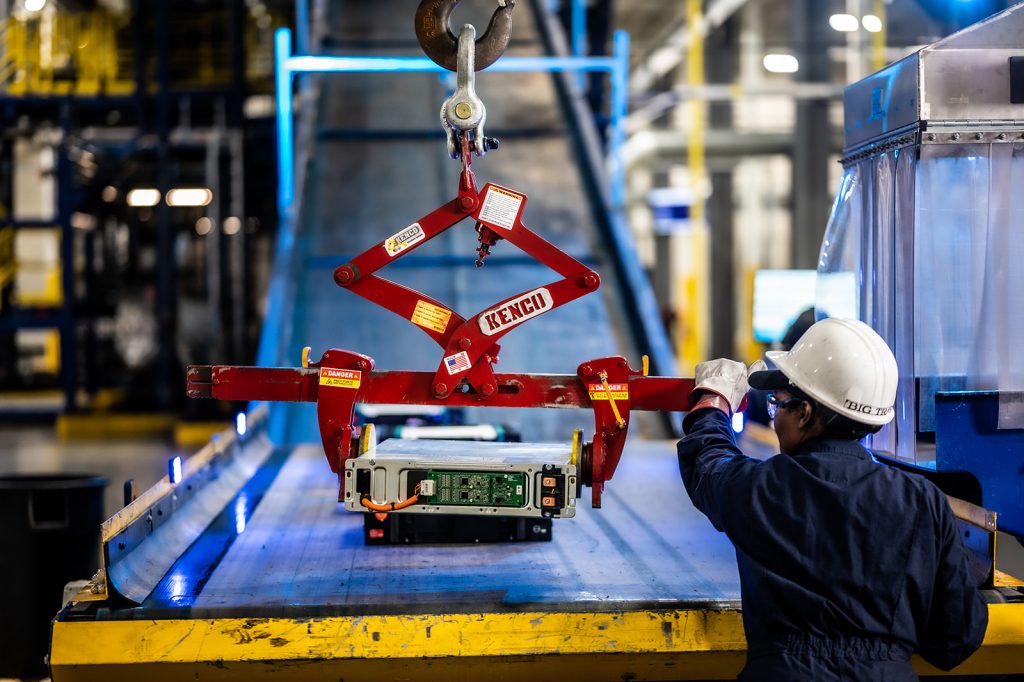
The electric vehicle (EV) revolution is driving an unprecedented surge in demand for lithium-ion batteries. But what happens to these batteries when they reach the end of their life cycle? Li-Cycle, a leading battery recycling company, is tackling this challenge head-on with innovative technology that recovers critical materials from spent batteries.
MiningFeeds recently spoke with Li-Cycle to discuss their unique approach to battery recycling, the future of mining technology, and the critical role of battery materials in a sustainable energy future.
Li-Cycle emphasizes the recovery of critical materials from lithium-ion batteries. Can you explain how your Spoke & Hub Technologies™ enable this process?
Li-Cycle’s two-step Spoke & Hub business model enables us to safely receive and recycle lithium-ion batteries regardless of condition, form factor, and state-of-charge. Our proprietary technology helps create a localized, secondary source of battery materials through ‘urban mining’ – a process that sees us reclaim critical minerals from spent lithium-ion batteries, that would otherwise end up in landfills.
At Li-Cycle’s Spokes, the first stage of our business model, battery materials (spent batteries and battery manufacturing scrap) are safely recycled through a proprietary submerged shredding process (i.e., no thermal or pyro, so more environmentally friendly and safer) to produce black mass. Li-Cycle’s patented and environmentally friendly ‘Generation 3’ Spoke technology can directly process all forms of lithium-ion battery waste, including full electric vehicle (EV) battery packs, without the need for discharging and dismantling, which enhances safety and efficiency. The Spokes are designed to be zero wastewater discharge facilities and have zero combustion and direct greenhouse gas emissions.
At Li-Cycle’s Hub facilities, the second stage of our process, we will process black mass to produce critical battery materials, or the fundamental building blocks of batteries, including battery-grade lithium carbonate. Li-Cycle plans to use hydrometallurgy at its Hubs, which is a low-temperature and more environmentally friendly technology for processing black mass compared to traditional recycling methods.
With a recovery rate of up to 95%, how does your technology stand out in the battery recycling and materials recovery industry?
Li-Cycle is working to provide a sustainable and economic lithium-ion battery recycling solution by creating a secondary source of critical battery materials to help meet growing demand and ensure a more sustainable future for our planet.
Our Spoke and Hub Technologies™ include value-added differentiators, such as:
- Full pack, full charged shredding capabilities: Our Spokes can process full pack EV batteries without the need to dismantle or discharge.
- Efficient process: Our technology enables up to a 95% recovery rate to return critical materials back to the supply chain.
- Battery form agnostic: We are able to safely receive and recycle lithium-ion batteries and battery manufacturing scrap regardless of form factor and state of charge and condition. We are highly specialized in our ability to process damaged, defective or recalled batteries.
- High-quality, in demand products: Li-Cycle’s Hubs are expected to produce high-quality, critical battery materials, including battery-grade lithium carbonate.
How does your ability to process full EV battery packs without dismantling or discharging give you a competitive edge?
Li-Cycle’s ability to process full EV battery packs without discharging or dismantling allows us to be agile in a market that is rapidly growing and shows the advantages of localized battery supply chains. We are seeing more and more batteries that are larger and very difficult to dismantle due to their construction. By being able to process these full-pack batteries without the need for dismantling, we are offering our partners a key service – it’s more efficient, more safe and offers a sustainable ‘urban mining’ solution that repurposes critical minerals from end-of-life batteries.
By 2030, the supply of recycling materials is projected to increase by up to three times versus 2025 levels as more end-of-life battery feedstock becomes available. We are seeing an increasing supply of recycling materials and a demonstrated lack of post-processing capacity.
What challenges do you face when handling damaged, defective, or recalled lithium-ion batteries, and how does your process address them?
Through our patented and environmentally friendly recycling technology, Li-Cycle can directly process all forms of lithium-ion batteries, including full EV battery packs and damaged, defective and recalled (DDR) material, without the need for discharging, dismantling or using any thermal processes, enhancing safety and efficiency. By shredding batteries in submerged conditions, Li-Cycle’s proprietary process helps mitigate the risk of thermal events. Li-Cycle’s experience, expertise, facilities and technology to safely handle all types of battery materials, can help support a safer EV industry.
The Rochester Hub is expected to process 35,000 tonnes of black mass annually. What is the significance of this capacity for the battery supply chain?
There is a noted lack of post-processing recycling capacity, and our Rochester Hub is expected to help fill this critical need. The Rochester Hub can recover critical materials that are necessary for the lithium-ion battery supply chain that will support domestic energy independence for the U.S.
The Rochester Hub is expected to be North America’s first commercial hydrometallurgical resource recovery facility and a significant domestic source of recycled critical materials.
Once fully operational, Li-Cycle expects the Rochester Hub to produce up to approximately 8,250 tonnes of lithium carbonate, up to approximately 72,000 tonnes of MHP (mixed hydroxide precipitate) per year. MHP is an intermediate product that contains cobalt and nickel, key materials needed to produce lithium-ion batteries.
By introducing the recycled critical materials back into the lithium-ion battery supply chain, Li-Cycle closes the loop in a way that is both environmentally and economically sustainable and helps secure domestic energy independence.
Of note, we recently closed a $475 million loan facility from the U.S. Department of Energy (DOE), a key milestone as we look to develop the Rochester Hub facility. The closing of the loan is a strong vote of confidence in our patented recycling technology, as this is the first DOE loan to be finalized for a battery resource recovery facility.
Can you discuss the high-quality end products you produce, such as battery-grade lithium carbonate, and their importance for meeting industry demands?
At Li-Cycle’s Spokes, lithium-ion batteries of all formats and state of charge are processed through a mechanical “submerged shredding” process. This process breaks down the batteries to inert materials that minimize the risk of fire or explosion, and subsequently separates the resulting materials into two main product lines: black mass (battery materials) and mixed copper/aluminum.
As stated in our response to question 5, Li-Cycle believes that introducing the recycled critical materials back into the lithium-ion battery supply chain through an ‘urban mining’ approach, Li-Cycle closes the loop in a way that is both environmentally and economically sustainable and helps secure domestic energy independence.
The black mass produced at our Spokes would then be processed at the Hub which would then recover these critical battery materials, lessening the reliance on mining and its associated environmental impacts. It will also lessen the need to import these critical materials to strengthen domestic energy independence and bolstering national security.
What recent developments, like the $475 million loan from the U.S. Department of Energy, mean for your expansion and growth plans?
In 2024, Li-Cycle secured a $75 million strategic investment from Glencore and closed on an upsized $475 million loan from the U.S. DOE. This financing demonstrates Li-Cycle’s important role in the U.S. battery materials supply chain as a domestic supplier of recycled critical battery materials and speaks to the strong relationships we have with key industry partners.
As part of our growth plan, we are focused on securing a full funding package needed to restart construction at our flagship Rochester Hub project. The DOE loan is a critical milestone for this full funding package. In parallel with this work we are moving forward with plans that will optimize our Spoke operations, enabling us to build a self-sufficient and financially accretive Spoke business.
We continue to gain commercial traction while leveraging the capabilities of our Generation 3 Spokes. During the first nine months of 2024, our largest customer source of revenue was a U.S.-headquartered, vertically integrated EV and battery manufacturer with a substantial global EV market share. In Q3 2024, Li-Cycle expanded a recycling agreement with one of the largest EV OEMs in Europe; we now have recycling contracts with four of the largest EV OEMs on the continent.
What role does innovation play in overcoming the challenges associated with battery form factors and charge states during recycling?
Innovation plays an important role in meeting the challenges associates with battery form factors and charge states during recycling. Our technology is designed to be battery agnostic, and our submerged shredding process allow allows batteries to be recycled without being discharged, and without the need for thermal processes. For further information, please see our response to question 2.
How does Li-Cycle balance the demands of a fast-growing market with the need for environmentally sustainable practices?
Sustainability is foundational to our operations, an important part of our business model and a key element of our value proposition. Our process and patented Spoke & Hub Technologies are designed to be sustainable, and our environmentally friendly solutions offer an innovative and compelling alternative to existing mining practices and high temperature recycling.
Looking ahead, how do you see Li-Cycle influencing the global transition to clean energy and a circular battery economy?
As a leading lithium-ion battery resource recovery company, Li-Cycle is working to increase domestic supplies of battery-grade materials to support energy independence and national security. Not only does our recycling technology offer a sustainable alternative to mining, but it is also an environmentally friendly solution compared with other recycling processes. Our ‘urban mining’ approach provides an environmentally friendly closed-loop recycling solution, we create a secondary source of critical battery materials to help meet growing global demand and ensure a more sustainable future for our planet.
The above references an opinion and is for information purposes only. It is not intended to be investment advice. Seek a licensed professional for investment advice. The author is not an insider or shareholder of any of the companies mentioned above.
 Chile, the world’s leading copper producer, saw a significant increase in copper export revenues in December, reflecting a recovery in mining output after years of struggles. According to data released by Chile’s central bank on Tuesday, copper export sales reached $4.66 billion in December, marking a 10% increase from November and a 13% rise compared to December 2023. This uptick happened even as the average price of copper continued to decline.
December’s average copper price was at $4.16 per pound, significantly lower than its May peak of $4.73 per pound. Despite this drop, the value of exports climbed, signaling improved production levels in the South American nation. Chile accounts for roughly 25% of the world’s copper supply, and the country’s mining sector plays a critical role in the global market.
The rise in export revenues reflects the recovery efforts of Chile’s copper mining industry, which has faced significant challenges in recent years. State-owned Codelco, the largest copper producer in the world, has started to see the benefits of substantial investments aimed at modernizing aging facilities and enhancing production efficiency. In addition, Teck Resources Ltd. has ramped up operations at its revamped mine, contributing to the broader recovery.
Chile’s copper output had hit its lowest levels in two decades prior to this rebound, putting pressure on the country’s economy and its role in the global metals market. The mining sector faced operational inefficiencies, aging infrastructure, and disruptions from the COVID-19 pandemic, leading to declining production. However, the recent gains suggest these hurdles are being addressed, allowing the sector to regain momentum.
The increased revenue provides a needed boost to Chile’s economy, which relies heavily on copper exports. Copper accounts for a significant share of Chile’s export income and plays a pivotal role in funding public spending. The recovery in production not only stabilizes export revenue but also reinforces Chile’s position as a key player in the global mining industry.
While the recent data offers optimism, challenges remain. Global copper prices remain volatile, influenced by demand from major markets like China and the global push for renewable energy technologies, which require significant amounts of copper. Chile’s ability to sustain production gains and adapt to fluctuating prices will be crucial in maintaining its leadership in the sector.
As Codelco continues its modernization efforts and other mining companies in Chile ramp up operations, the country’s copper output may continue to grow. This growth will likely have far-reaching implications for the global market, especially as copper remains a vital component in industries ranging from construction to clean energy. The recovery in Chile’s mining sector signals a positive shift, but its trajectory will depend on how effectively the country navigates both internal challenges and external market conditions.
The above references an opinion and is for information purposes only. It is not intended to be investment advice. Seek a licensed professional for investment advice. The author is not an insider or shareholder of any of the companies mentioned above.
 Goldman Sachs has revised its gold forecast, delaying the expected $3,000 per ounce milestone from the end of this year to mid-2026. This adjustment reflects expectations for fewer rate cuts by the Federal Reserve. The bank’s analysts, including Lina Thomas and Daan Struyven, in a recent note now project gold to reach $2,910 by year-end, influenced by slower monetary easing and weaker ETF flows in December, partly due to reduced uncertainty following the US election.
The bank highlighted a balancing act in the gold market, with declining speculative demand offset by strong central bank purchases. They estimate central banks will continue buying an average of 38 tons of gold monthly through mid-2026, which will remain a significant factor in price trends.
Last year, gold surged 27% due to US monetary easing, safe-haven demand, and central bank activity. However, the rally slowed after November, as Donald Trump’s election victory strengthened the dollar, and recent Federal Reserve caution on rate cuts added further pressure. Goldman now predicts 75 basis points in rate cuts this year, less than its earlier estimate of 100 basis points. The bank maintains a more dovish stance than market pricing, citing expectations of declining inflation and limited impact from potential Trump administration policies on interest rates.
The above references an opinion and is for information purposes only. It is not intended to be investment advice. Seek a licensed professional for investment advice. The author is not an insider or shareholder of any of the companies mentioned above.


Oman has made a major announcement for its mining sector with the first export of copper concentrates in three decades. The shipment, weighing approximately 900 tonnes, originated from the Lasail mine in Sohar, developed by Minerals Development Oman (MDO). This achievement signals the revival of copper mining and exports in the sultanate after a long hiatus, reflecting the government’s broader efforts to diversify the economy.
The processed ore from the Lasail mine, known for its high-quality output, boasts purity levels between 18% and 22%. MDO estimates an annual production of around 500,000 tonnes of copper ore from this facility. The shipment marks a step forward in reestablishing Oman as a significant player in the global copper industry.
Matar bin Salem Al-Badi, CEO of MDO, highlighted the historical significance of this milestone. He noted that Oman’s relationship with copper mining stretches back 3,000 years, making it an integral part of the country’s heritage. The Oman Mining Company initially launched operations in 1983, but the sector saw a prolonged pause until now.
“The export of the first shipment from the Lasail mine is a testament to our ability to transform challenges into tangible opportunities for growth,” Al-Badi said in a press release. He emphasized that this achievement not only revives an important industry but also aligns with Oman’s vision for sustainable development.
The Lasail mine forms just one part of MDO’s broader strategy. The company plans to begin operations at the Al-Baydha mine in Liwa between 2025 and 2026. Together, the Lasail and Al-Baydha mines hold a combined reserve of 2.78 million tonnes of copper ore. The first phase of redevelopment for these projects is expected to take four to five years.
Beyond these two sites, MDO is conducting exploratory studies in nearby regions to boost the nation’s copper reserves. The company’s plans include the Mazoon project, which it describes as Oman’s largest integrated copper concentrate production initiative.
This recent development reflects Oman’s push to diversify its economy by capitalizing on its natural resources. It also underscores the growing importance of copper as a critical material for industries such as electronics, renewable energy, and construction. By reviving its copper mining and export sector, Oman is positioning itself to meet the increasing global demand for this valuable resource.
This milestone strengthens Oman’s mining capabilities and reinforces its commitment to economic sustainability and growth, ensuring that the country’s rich mining history continues to contribute to its future as it resumes exports.
The above references an opinion and is for information purposes only. It is not intended to be investment advice. Seek a licensed professional for investment advice. The author is not an insider or shareholder of any of the companies mentioned above.

Eminent Gold Corp. (TSXV:EMNT) has released an update on its maiden drilling program at the Hot Springs Range Project (HSRP) in Nevada. This development is a milestone in the Company’s efforts to explore a potential analogue to Nevada’s prolific Getchell Trend. The announcement also highlights key 2024 achievements and outlines the Company’s strategic plans for 2025.
Paul Sun, President and CEO of the Company commented in a press release: “This is an exciting time for the Company and our shareholders as we await the initial results of the first hole at Hot Springs Range. The target is significant; success could range from confirming structures to finding trace gold or significant gold intercepts. Although we did not cross the main structure, which will be drilled in our next hole, we did intersect key faults feeding off the structure and observed great alteration and the presence of fluids in the rock. We are preparing for a very active 2025, with plans to finance and drill the other two projects in the Company’s portfolio. We are also excited to start expanding our visibility to investors through our partnership with Spark Newswire.”
Drilling Progress at Hot Springs Range Project
Eminent completed the first core drill hole at the Otis target within the HSRP, reaching a depth of approximately 500 meters. The drilling aims to test whether the HSRP mirrors the Getchell Trend, a gold-rich region with an estimated 50-million-ounce gold endowment, located just 15 kilometers across the Eden Valley. The hypothesis posits that the Eden Valley fault could be an extension of the Getchell fault, which intersects the Turquoise Ridge deposit, known for its high-grade gold production averaging 16.9 grams per tonne.
The drill targets are within the Home Ranch Terrane, a geologic formation with basalt and andesite volcanics interspersed with limestone, which are similar but slightly older than the rocks at Turquoise Ridge. The focus of Phase 1 is on intersections of NE-oriented feeder faults with thrust faults and the Eden Valley fault.
Visual inspection of the core has revealed significant alteration within the volcanic rocks and adjoining limestone, with notable hematite, clay gouge, and silicification. These findings align with the Company’s Controlled Source Audio Frequency Magnetotellurics (CSAMT) model. Assay results from the first drill hole are expected in January, with plans to proceed to a second hole targeting intersections of NE faults with the NW Eden Valley fault.
Milestones Achieved in 2024
The Company aims to continue its exploration efforts by drilling at all three key projects—HSRP, Gilbert South, and Celts—pending additional financing. These efforts are in line Eminent’s commitment to leveraging new exploration concepts and maiden drill programs in Nevada.
Eminent also announced it has entered into a marketing consulting agreement with Spark Newswire Inc., a Vancouver-based advisory firm specializing in investor relations and promotional activities. The agreement includes a US$100,000 monthly budget during the initial term, which begins in January 2024, with an option to reduce the monthly budget to US$50,000 for maintenance services after the initial term. The engagement aims to boost investor awareness and engagement. The agreement is subject to approval by the TSX Venture Exchange.
Additionally, Eminent has granted 1,350,000 incentive stock options to directors, officers, and consultants. These options vest in thirds every six months, are exercisable at $0.45, and expire in five years.
The above references an opinion and is for information purposes only. It is not intended to be investment advice. Seek a licensed professional for investment advice. The author is not an insider or shareholder of any of the companies mentioned above.
If you would like to receive our free newsletter via email, simply enter your email address below & click subscribe.
 Follow us on Twitter
 Become our facebook fan
CONNECT WITH US
Tweets
Tweet with hash tag #miningfeeds or @miningfeeds and your tweets will be displayed across this site.
MOST ACTIVE MINING STOCKS
Daily Gainers
 CMC Metals Ltd. CMC Metals Ltd. |
CMB.V | +900.00% |
 Eden Energy Ltd Eden Energy Ltd |
EDE.AX | +200.00% |
| GoviEx Uranium Inc. |
GXU.V | +42.86% |
| Eagle Nickel Ltd. |
ENL.AX | +41.67% |
| Citigold Corp. Limited |
CTO.AX | +33.33% |
| Mount Burgess Mining NL |
MTB.AX | +33.33% |
| Exalt Resources Limited |
ERD.AX | +31.94% |
| Casa Minerals Inc. |
CASA.V | +30.00% |
| Cariboo Rose Resources Ltd |
CRB.V | +28.57% |
| Belmont Resources Inc. |
BEA.V | +28.57% |