Stahura Conveyor Product’s legacy in mining is rooted in a simple yet powerful mission: to make bulk material handling cleaner and safer. This mission originated in 1945 with Dick Stahura Sr.’s firsthand experience in coal mines, which fueled his drive to improve working conditions. Partnering with Martin Engineering in 1969, he pioneered the first industrially designed belt scrapers, establishing the “Think Clean” philosophy. SCP then served as the crucial implementation partner, installing and refining these solutions in real-world mining environments. Today, SCP leverages this deep historical understanding to provide comprehensive solutions for modern mining challenges, from dust mitigation to conveyor system optimization, always prioritizing safety and efficiency. MiningFeeds spoke with CEO John Stahura about the company’s history, approach, and vision for the future of their innovative technologies.
SCP has deep roots in the mining industry, spanning multiple generations. Can you share how the company was founded and how its mission has evolved to support modern mining operations?
1945: As a 17-year-old high schooler in Indiana, Pennsylvania, Dick Stahura Sr. had worked at his father’s coal mining operation. He developed a real fondness for miners and their culture and a deep respect for the dangers of their work. Among those experiences was shoveling coal that had carried back on the conveyor belt. It was literally back breaking work. This formative experience inspired his lifelong mission to make bulk material handling cleaner and safer.
In 1969 he partnered with Martin Engineering, to develop the first industrially designed Belt Scrappers for conveyor belts. By personally understanding its value in preventing back injuries as well as conveyor belt production interruptions, he coined the mission for Martin Engineering; Promoting Cleaner, Safer, and more Productive Material handling. He developed the “TC”, think clean, icon modeled after his own image.

The Belt Cleaner, as every new development, had to be implemented. The task was given to his Brother, Jim Stahura, who had a distributorship (SCP) in Western Pennsylvania. It was at SCP where the first belt scrappers were installed in Coal mines and in coal fired power plants. SCP was the pioneer and hands on rubber meets road, or more precisely tungsten / urethane meets rubber belt, development partner, with Martin Engineering. Martin was able to market harden the belt cleaners through SCP’s hands-on installations and service. SCP created the service model to ensure great market performance. All other entrants to this market space have taken their inspiration and initiative from these fundamentals.

He went on with the Martin team to develop sealing systems for the loading area of the conveyor belts therefore attacking the 2 enemies of conveying, Carry back and Spillage. Carry back mitigation requires belt cleaners. Spillage mitigation requires sealing at the transfer area. Recognizing the lack of end-to-end knowledge of conveyor operations, he and the Martin team wrote the operation and maintenance book for conveyors, “Foundations”. Most experts use the colloquialism “we wrote the book” in their field of expertise, Martin Engineering did. This book has been adopted into mining engineering curricula and used by A&E firms worldwide for training.
Dick Stahura Sr retired from martin engineering at 90 years old.

Dust mitigation has become the key focus in mining operations. SCP has continued to expand competence, capabilities, sources, and experience for all material handling dust control initiatives. We are unique in that we represent all areas of dust control including mechanical sealing, air flow control, dry fog spray, high pressure water spray, dust suppressant spray, dust collectors and wind fence from engineering, installation to ongoing maintenance.
The platform of carryback and spillage control, a concept championed by Dick Stahura, is the fundamental building block that allows dust initiatives to be effective. We have over 45 years of experience localizing the source of dust and using all best practice mitigation techniques in rifled solutions.

Mining operations rely on conveyors to move massive amounts of material efficiently. What are the biggest challenges mines face with conveyor systems, and how does SCP help solve them?
This is a great question. Executives in the Mining space today have many challenges facing them. Their core competence is the mining process itself and, where applicable, material processing for market fulfillment. Revenues and margins are highly affected by inability to meet production output expectations. Conveyor systems fall under the category of “material transportation”, which is typically not within the core competence of the mining executive team. While much is known about the mechanics of conveying systems, it is a subcategory of the mining operation. SCP is a contract “core competence”, for the material flow system.
To put it in perspective, capital investment is made in equipment to mine and process material to an expected volumetric output. This high dollar equipment is designed to be efficient and labor saving. Each piece of equipment has an expected volume output. Conveying systems connect these operations and are engineered to match the volume flow.
This is volumetric flow engineering. Invariably expectations are diminished disproportionally by the conveying system breakdowns. The problems all occur at what I will call the “joints”. When one conveyor transitions to another conveyor or a hopper or a piece of processing equipment. These “joints” are where “carryback” is initiated, “spillage” occurs on the receiving equipment, clogging occurs, and dusting is generated. These “joints” are the focus of our core competence. When these “joints” are designed for flow and managed properly, the processing equipment will meet output expectations. Added benefits – injuries are eliminated and dust is mitigated. Safe Clean and Productive material handling.
Our process is thorough and comprehensive. We evaluate a material flow process at each Joint or transfer point. We start by scanning and evaluating existing materials, characteristics, and existing problem symptoms. We have over 45 years of experience and most difficulties are not unique. We engineer solutions that include a laser scan for exact, as built conditions, we download the scan to 3D cad systems where we create solutions that are exact. We model using Discrete Element Modeling to check flow results for air flow control and loading control.
We fabricate from CAD and all designs have value-added characteristics. These include a modular improvement approach. All designs are adaptive to add on technologies for further sigma improvement of process. We utilize flow aids where necessary and external active dust controls when necessary, including Dry Fog, Sprays, Wind fencing and collectors.
Our value add solutions include replaceable wear sections that are sized to easily be removed and replaced in hours rather than chute replacement taking days. Sealing systems that are externally maintenance, no “hot work” or “confined space maintenance”. Most importantly, retrofits are installed on time on budget and as expected to performance standards. This is an offshoot of the laser scan that picks everything up that could be an interference to installation and material behavior, before we engineer. The net result is a volume and flow engineering solution. Different from A&E solutions. We help executives get the expected volume output from their Mining and processing equipment for predictable revenue management.


Carryback, spillage, and dust are persistent issues in mining operations. What impact do these challenges have on safety, productivity, and compliance, and how does SCP’s approach address them?
When I speak with mining management customers, I always start with:
- No one gets hurt on clean conveyors.
- There are no production shutdowns on clean conveyors.
- There are no environmental issues with clean conveyors.
- Expected production outcomes materialize on clean conveyors.
When I think of all the money that is spent guarding conveyor material handling systems it is mind bending. We allow our children to stand on a street corner with vehicles going by at 50 mph or more within 5 feet without guarding. Conveyors are dangerous because they need carryback and spillage cleared away from the conveyor mechanisms. The injuries come when well meaning employees try to keep the process moving without shutting down. It is interesting and unfortunate that in most corporate budgeting processes the true cost of an (injury), (shut down for transfer point blockage), (shut down for MSHA review), (legal ramifications) and (regulatory fines) are recorded at a level of finance that is lost against ROI for proper operation budgets. The maintenance budget is the focus of operational control in the mine. The maintenance budget goes down because of the overall lack of profitability from the above and the cycle continues.
Carry back and spillage contaminate moving parts and bearings. They cause premature wear. There are many operations in mining that have been around for 50 years and they have idlers on conveyor belts that are original. At the same mine they will have idlers on another conveyor that only last 6 weeks. The “joint” or transfer point is the problem.
We are a full-service organization. We retrofit transitions and we maintain and upkeep belt cleaners and sealing and flow devices for a customer. We also will train their maintenance team on proper techniques for cleaning and sealing. We do complete plant material flow analysis; in that analysis the deliverables are a complete review and plan to bring a material flow system up to a predetermined level of performance. It also provides a detailed plan including equipment and capital with the system broken down by conveyor and by each transfer point to identify pragmatic, and scalable improvements for performance. It includes a detailed annual maintenance plan that is easily updated monthly to ensure wear items are scheduled and budgeted for replacement. If there is visibility to the plan, it is easier to prioritize the budget to accomplish the plan. The cost of a clean material system is a very small fraction of the benefits it reaps to meeting production revenue goals.

Dust standards have just been updated. We will see how that goes forward. It is foremost on most executives’ minds. Dust is a very real hazard. Dust solutions are not as simple as adding some suppression equipment.
We sell it and are experts at it. Any control system must have an input within its own control limits. That is the very problem the miner’s processing equipment has. This is where a control flow with dust suppression equipment is a necessary ingredient. The standards at this point are not forgiving. The financial penalty for noncompliance is significant, an extreme understatement.
To me the executives looking toward the future have a goal for a productive, profitable and environmentally responsible future. The workforce of the future has an evolving need for our processes to be more automated, and healthy. It is a matter of economics and future sustainability for a capitalistic financial venture. It is not about a fabricated green new deal but it is about meeting the needs of the oncoming workforce to maintain operations. I have been privileged to enjoy a career in Electronics manufacturing for global world class, lean operations.
There are ways to evaluate processes and evolve them responsibly and economically to get to the objectives we are seeking. I see the executives and entrepreneurs in Mining continually looking for innovative improvements to their areas of competence. I would suggest that SCP is positioned to help them achieve the whole picture by adding the competence in the transportation piece of their process through to market fulfillment.

Keep up with Stahura Conveyor Products on LinkedIn, YouTube, Instagram, and Facebook.
The above references an opinion and is for information purposes only. It is not intended to be investment advice. Seek a licensed professional for investment advice. The author is not an insider or shareholder of any of the companies mentioned above.
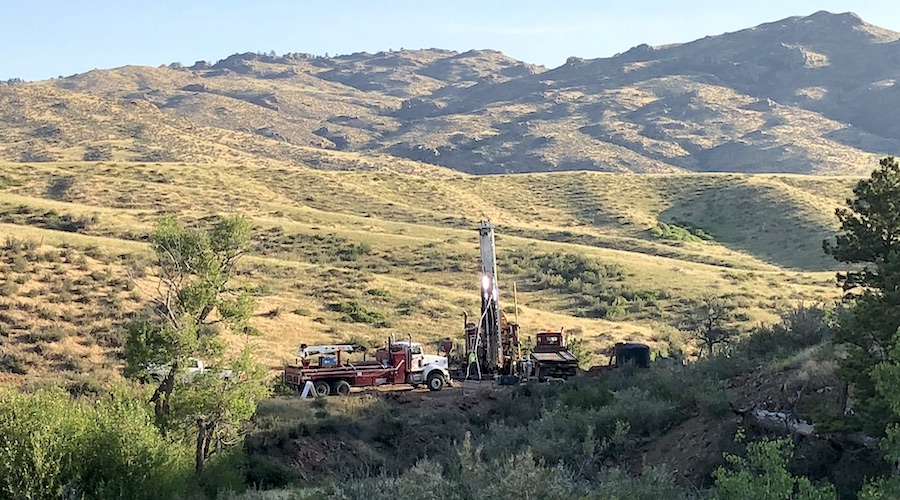
The CK Gold Project near Cheyenne, Wyoming, managed by U.S. Gold Corp. (NASDAQ:USAU), is known for its planned production of gold and copper concentrates. However, the project has also identified a significant opportunity to increase its profitability by repurposing waste rock as aggregate material for construction purposes.
Project and Waste Rock Details
The open-pit mining operation is projected to generate 35 to 40 million tons of granodiorite waste rock over its lifespan. Granodiorite, an intrusive igneous rock, is commonly used in construction for applications like rail ballast and road base. Traditionally considered a byproduct requiring disposal, this material has been assessed as a potential revenue source due to its commercial value in the construction industry.
Market data from nearby quarries, such as Martin Marietta, suggests that similar rock types are sold for $20 to $25 per ton. If the CK Gold Project successfully markets its waste rock as aggregate, it could create a significant new revenue stream. Estimates suggest that the sale of this material could generate revenue comparable to, or even greater than, the income expected from the project’s gold and copper production.
This approach also aligns with a growing focus in mining industries on waste management practices that extract additional value from byproducts while reducing environmental impacts.
Operational and Logistical Challenges
To implement aggregate sales, the project will need to develop processing facilities to prepare the granodiorite for market. Additionally, transportation logistics must be established to efficiently deliver the material to buyers. Ensuring that these activities do not disrupt the primary mining operations is a critical consideration.
U.S. Gold Corp. has begun the process of securing the necessary permits to sell the aggregate. Engagement with state and local authorities is underway to meet regulatory requirements. Furthermore, the company is working with the local community to address potential concerns and highlight the benefits of repurposing waste materials, including reduced environmental impact.
This aspect of the project reflects an emphasis on sustainable practices within the mining sector, aiming to reduce waste while maximizing resource utilization.
Economic and Environmental Implications
The potential sale of waste rock not only offers significant economic benefits but also addresses environmental challenges associated with large-scale mining projects. By finding a use for material that would otherwise require costly disposal, the CK Gold Project could set an example for other mining operations looking to improve sustainability and profitability.
While the project’s primary focus remains on extracting gold and copper, the integration of aggregate sales could alter its financial structure and profitability. The strategy, if successfully implemented, could redefine the economic viability of the CK Gold Project and potentially serve as a model for other mining operations considering similar initiatives.
The above references an opinion and is for information purposes only. It is not intended to be investment advice. Seek a licensed professional for investment advice. The author is not an insider or shareholder of any of the companies mentioned above.

Copper prices rose sharply this week after the U.S. government initiated an investigation into potential tariffs on imported copper. The move, directed by President Donald Trump, is part of a broader strategy to impose sector-specific trade restrictions aimed at bolstering domestic production.
The U.S. Commerce Department has been tasked with examining the impact of copper imports under Section 232 of the Trade Expansion Act. This provision grants the president authority to impose trade restrictions on national security grounds. The department has up to 270 days to complete the investigation and submit recommendations.
Following the announcement, copper futures on the Comex exchange in New York climbed as much as 4.9%. As of 9:29 a.m. Shanghai time, Comex copper was trading at $4.746 per pound, reflecting a 4.8% increase. London Metal Exchange copper futures also rose, gaining 1%. The rise in copper prices coincided with an increase in the stock prices of U.S.-based copper mining companies. Freeport-McMoRan Inc., a major copper producer, saw its shares jump more than 6% in after-market trading.
This investigation follows similar trade measures recently enacted by the Trump administration. The president had previously announced plans to impose a 25% tariff on all imports of steel and aluminum starting March 12. Those tariffs expanded upon actions taken during Trump’s first term, when Section 232 was used to justify trade restrictions on metals.
The potential tariffs on copper have already caused significant disruptions in global markets. Traders anticipate a widening gap between copper prices in the U.S. and those in other regions as a result of the proposed trade measures.
Meanwhile, global copper supply was further affected by a large-scale power outage in Chile, the world’s top copper producer. The blackout, the country’s largest in 15 years, impacted multiple industries, including mining. Codelco, Chile’s state-owned mining giant, confirmed that all of its operations were affected by the power failure.
The developments surrounding U.S. trade policy and global supply disruptions have introduced new volatility to copper markets. Analysts are closely monitoring the ongoing investigation and potential policy changes, which could have far-reaching effects on copper prices and supply chains worldwide.
Economically, tariffs are designed to protect domestic industries by increasing the cost of imported goods. In the case of copper, this could bolster U.S. copper production, which is crucial for manufacturing electric vehicles, ships, and data centers, as well as for military hardware and advanced technologies like AI. However, these tariffs could also lead to increased costs for industries reliant on copper, such as construction and automotive manufacturing, potentially affecting consumer prices and economic growth.
Strategically, the move aligns with Trump’s broader trade policies aimed at reducing reliance on foreign suppliers, particularly China, which has been accused of unfair trade practices. The investigation under Section 232 of the Trade Expansion Act allows the president to impose tariffs on national security grounds, a strategy previously used for steel and aluminum. This approach could lead to trade tensions with major copper suppliers like Chile, Canada, and Mexico, potentially disrupting global supply chains and affecting international relations
The recent surge in copper prices, partly driven by the U.S. tariff investigation and exacerbated by the Chilean power outage, highlights the complex dynamics of global copper markets. Chile’s role as the world’s largest copper producer means that any disruptions there can significantly impact global supply and prices.
The above references an opinion and is for information purposes only. It is not intended to be investment advice. Seek a licensed professional for investment advice. The author is not an insider or shareholder of any of the companies mentioned above.

BHP (ASX:BHP) is positioning itself for a significant shift in its operations, transitioning from a focus on iron ore to copper as the demand for the metal continues to rise due to the global energy transition. The company, which previously derived up to 85 percent of its earnings from iron ore, is now shifting its capital expenditure strategy, planning to allocate roughly half of its budget to copper projects in the coming years.
Despite this strategic pivot, finding high-quality copper deposits remains a challenge. Many promising deposits are located in jurisdictions that present operational and reputational risks. Unlike its competitors, BHP has historically maintained a conservative approach, avoiding riskier locations where political instability, regulatory uncertainty, and governance issues are prevalent. Companies like Glencore and Rio Tinto have engaged in projects in countries such as Kazakhstan, Mongolia, and the Democratic Republic of Congo, while BHP has focused its investments in more stable regions, including Australia, Brazil, Canada, Chile, Peru, and the United States.
BHP’s cautious approach was evident in its failed $79 billion bid for Anglo American in 2023, which was structured to exclude assets in South Africa. However, with major mergers and acquisitions in the mining sector gaining momentum, the company may need to reconsider its stance. Recent discussions between Glencore and Rio Tinto regarding a potential deal underscore the increasing consolidation in the industry. This trend raises the possibility of BHP pursuing a long-speculated acquisition of Freeport-McMoRan, the world’s largest copper miner.
A potential acquisition of Freeport-McMoRan would significantly bolster BHP’s copper production, doubling its output overnight and securing control of four of the five largest copper mines. Even with such an expansion, the combined entity would hold less than 20 percent of the global copper supply, which is unlikely to raise antitrust concerns.
Despite the strategic advantages, one of the main deterrents to acquiring Freeport-McMoRan has been governance concerns surrounding its largest asset, the Grasberg mine in Indonesia. Situated in a remote and politically sensitive region, Grasberg has historically been associated with security challenges, environmental controversies, and disputes over ownership. Mining waste management at the site has also drawn criticism, which could pose reputational risks for BHP, given its past environmental issues at the Ok Tedi mine in Papua New Guinea and the Samarco iron ore project in Brazil.
However, recent developments have reduced some of these risks. In 2018, an agreement was reached between Freeport-McMoRan and the Indonesian government, granting a state-owned enterprise a majority stake in Grasberg. Additionally, incidents of separatist violence in the region have declined in recent years. Freeport-McMoRan has also made strides in improving its corporate governance and environmental practices. The company has been recognized by the World Benchmarking Alliance for its human rights performance, ranking higher than BHP in this area. In 2023, it received the Copper Mark certification, an industry standard for responsible copper production, including approval of its waste disposal methods.
Given the scarcity of high-quality copper assets, BHP may find that the opportunity to acquire a company like Freeport-McMoRan is a once-in-a-generation event. With the increasing demand for copper driven by the energy transition and major mining consolidation on the horizon, the conditions may be aligning for BHP to make a decisive move in securing its future in the copper industry.
The above references an opinion and is for information purposes only. It is not intended to be investment advice. Seek a licensed professional for investment advice. The author is not an insider or shareholder of any of the companies mentioned above.

Leocor Mining (CSE:LECR) has provided an update on its ongoing drill program at the Baie Verte project in Newfoundland and Labrador, Canada. The junior resource company, focused on gold-copper exploration in Eastern Canada, has been conducting drilling operations at the Copper Creek prospect within the 2,002-hectare project area.
The company has completed 13 of 19 planned drill holes in the campaign, with ongoing drilling efforts. Recent drilling has yielded occurrences of mineralization interpreted to be chalcopyrite in eight of the 11 subsequent drill holes following initial findings in holes 25-CC-001 and 25-CC-002. The details of the mineralization findings in specific holes have been outlined based on preliminary observations.
Drill hole 25-CC-005 encountered intermittent intervals of interpreted chalcopyrite mineralization between 5.3 meters and 40.4 meters downhole. Mineralized sections varied in length between 0.4 meters and 3.8 meters, with estimated modal abundances ranging from trace amounts (0.1%) to 2%. The most notable section was from 31.4 meters to 33.4 meters, where a 2-meter interval contained an estimated 2% blebby chalcopyrite.
Drill hole 25-CC-007 intersected intermittent intervals of interpreted chalcopyrite mineralization from 100.6 meters to 162.4 meters downhole. The mineralized sections ranged in length from 0.1 meters to 10.8 meters, with estimated modal abundances varying from trace levels (0.1%) to 3%. The most significant interval, from 133.6 meters to 138 meters, contained a visually estimated 3% blebby chalcopyrite over 4.4 meters.
Drill hole 25-CC-010 revealed mineralization between 11.5 meters and 22 meters downhole. The mineralized intervals ranged between 1.1 meters and 2.9 meters, with estimated modal chalcopyrite abundances of up to 3%. The most significant section was observed between 20 meters and 22 meters, containing a visually estimated 3% blebby chalcopyrite over a 2-meter length.
Other drill holes, including 25-CC-006, 25-CC-009, and 25-CC-011, encountered mineralization believed to be chalcopyrite, but the estimated abundances and lengths were not considered significant at this time. Additional findings from holes 25-CC-012 and 25-CC-013 will be disclosed following detailed logging and analysis.
The company emphasized that these findings are preliminary, and the true mineralization grade and thickness will be determined once assay results are available. Samples from mineralized intervals are being prepared for geochemical analysis at SGS, an accredited laboratory. The results are expected within approximately four weeks.
Drilling operations continue with the development of trails and leveling of drill pads at Copper Creek. Preparations are also underway for future drilling at the Dorset prospect, targeting gold mineralization. These targets have been defined through surface geochemistry, ground magnetometer survey interpretation, and previous trenching results.
Drill targeting at Copper Creek focuses on areas of known mineralization identified in 2022 RAB drilling, along with structures exhibiting hydrothermal alteration and anomalous geochemistry based on previous soil and rock sampling. At the Dorset claim, drilling will concentrate on areas where significant gold results were obtained during the 2022 RAB drilling campaign, which were detailed in the company’s September 19, 2023, news release. The drill program is being supervised by David Murray, P.Geo, president of Resourceful Geosciences, and further updates are expected early next week.
The Dorset project remains a key prospect for further gold exploration, with the 2025 drill program targeting priority zones within a prominent 1 x 2 km gold-in-soil anomaly identified in 2022.
Beyond Baie Verte, Leocor controls a district-scale land package in North Central Newfoundland, referred to as Western Exploits, comprising the Robert’s Arm, Hodge’s Hill, and Leamington projects. This extensive landholding covers over 144,000 hectares of prospective exploration ground.
The above references an opinion and is for information purposes only. It is not intended to be investment advice. Seek a licensed professional for investment advice. The author is not an insider or shareholder of any of the companies mentioned above.
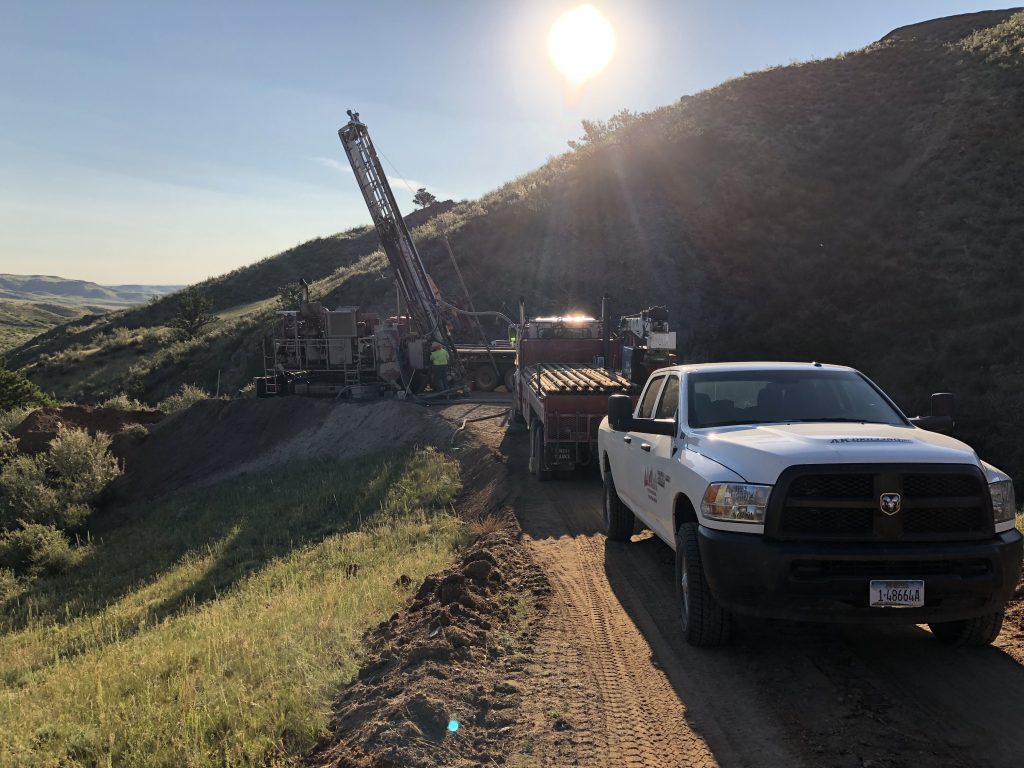
The CK Gold Project, owned by U.S. Gold Corp. (NASDAQ:USAU), is an advanced-stage gold and copper mining project located near Cheyenne, Wyoming. The project incorporates multiple sustainability practices aimed at minimizing its environmental impact while adhering to regulatory standards and supporting the local economy.
Environmental Management Strategies
The project plans to use a dry stack tailings system instead of traditional tailings ponds. This system involves dewatering the tailings, creating a solid material that can be stacked and stabilized. These tailings will be mixed with non-ore-bearing rock, covered with topsoil, and revegetated after mining operations. This approach reduces water use and mitigates the risks associated with tailings dam failures.
Water use is regulated under a permit from the Wyoming Department of Environmental Quality (WDEQ), which sets standards for water discharge. The project also aims to improve water harvesting within its boundaries to reduce dependency on external water sources.
The CK Gold Project will use froth flotation for mineral extraction, avoiding the use of cyanide. This method reduces chemical risks commonly associated with gold mining processes.
Community and Economic Impact
A report from the University of Wyoming’s Center for Business and Economic Analysis also estimates that the project could generate approximately 2,600 direct and indirect jobs throughout its operational lifespan. Local hiring and the engagement of contractors within the Cheyenne and Laramie County areas form a part of the project’s operational strategy, contributing to the regional economy.
Permitting and Regulatory Compliance
The project has now secured key permits, including an industrial siting permit and a conditional mine operating permit. To meet the latter’s requirements, the project has already secured water discharge and reclamation bond permits and is awaiting an air quality permit. These permits ensure compliance with state and federal environmental regulations.
The CK Gold Project also benefits from its proximity to established infrastructure, including major highways and urban centers. This location reduces logistical challenges and provides easy access to necessary resources and labor.
The above references an opinion and is for information purposes only. It is not intended to be investment advice. Seek a licensed professional for investment advice. The author is not an insider or shareholder of any of the companies mentioned above.

Anglo American (LON:AAL) and Chilean state-owned miner Codelco have reached an agreement to jointly develop their adjacent Los Bronces and Andina copper operations. The partnership is expected to yield an additional 2.7 million tonnes of copper over 21 years beginning in 2030. The deal is projected to generate a net present value pre-tax benefit of at least $5 billion, which will be equally shared between the two companies.
Despite the collaboration, Anglo American and Codelco will maintain full ownership of their respective assets. Each company will continue to operate independently, retaining control over mining concessions, processing plants, and ancillary facilities. The agreement focuses on optimizing the district’s resources without merging ownership structures.
Codelco’s Andina division includes the Rio Blanco and Sur Sur mines, which produced 164,500 tonnes of copper in 2023. Meanwhile, Anglo American’s Los Bronces operation yielded 215,000 tonnes of copper during the same period. Codelco already holds a 20% stake in Anglo American Sur, the entity responsible for Los Bronces, El Soldado, and the Chagres smelter.
Anglo American has been undergoing a strategic shift, prioritizing copper and iron ore after successfully defending against a $49 billion takeover bid from BHP last year. The company has outlined a long-term goal of exceeding 1 million tonnes of annual copper production by the early 2030s, marking a 30% increase from current levels.
Codelco has maintained a long history of private-sector partnerships, holding a 49% interest in El Abra alongside Freeport-McMoRan and a 42.3% stake in the Agua de la Falda copper project in partnership with Rio Tinto. In 2023, Codelco acquired a 10% interest in Teck’s Quebrada Blanca copper mine, which is expected to contribute 25,000 to 30,000 tonnes of copper annually. The company is actively seeking additional partnerships as it works to recover from declining production and increasing debt levels.
The mining industry has seen an increasing number of collaborative efforts globally as companies look to mitigate rising costs, supply-chain disruptions, inflationary pressures, and stringent permitting requirements. These challenges have made large-scale projects more complex and expensive, pushing firms to explore joint ventures as a means of ensuring long-term operational sustainability.
The announcement of the agreement between Anglo American and Codelco coincided with a surge in Anglo’s share price. The company’s stock climbed over 5% in London following the news and remained 4.6% higher than the previous day’s close, reaching 2,479 pence per share by mid-afternoon. This raised Anglo American’s market capitalization to approximately £33.2 billion ($42 billion), marking a 44% increase in share value over the past year.
However, the positive momentum was partially offset by another substantial write-down in Anglo American’s De Beers diamond business. The company reduced De Beers’ book value by an additional $2.9 billion, following a prior write-down of $1.6 billion last year, bringing the unit’s valuation to $7.6 billion. This latest impairment contributed to Anglo American recording total net impairments of $3.8 billion for 2024.
As a result, the company reported a net loss of $3.07 billion for the year, significantly exceeding analyst expectations, which had projected a $116.9 million loss. The latest figures contrast sharply with the company’s 2023 performance, when it posted a net profit of $283 million.
The above references an opinion and is for information purposes only. It is not intended to be investment advice. Seek a licensed professional for investment advice. The author is not an insider or shareholder of any of the companies mentioned above.
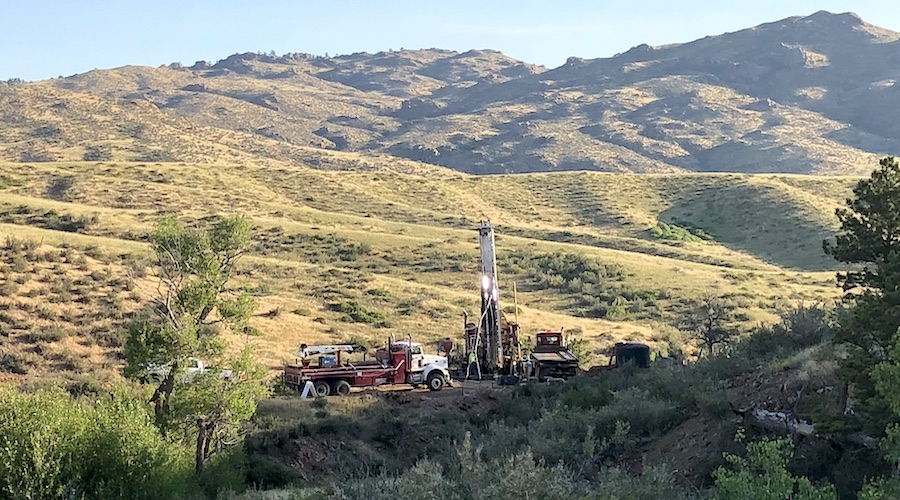
US Gold Corp (NASDAQ:USAU) is advancing efforts to optimize its CK Gold Project in Wyoming, focusing on new flotation technologies that could significantly enhance operational efficiency and metal recovery rates. The company has initiated testing on innovative processes to improve the economic framework of the project.
At present, the CK Gold Project uses conventional flotation techniques to separate gold and copper from mined ore. While effective, these methods come with limitations in recovery rates and costs. Looking to improve on this foundation, US Gold Corp is investigating advanced technologies like Jameson Cell and IsaMill, which have shown success in other mining operations.
To determine their potential application, the company has submitted 150 kilograms of ore-grade material to a metallurgical lab for testing. These evaluations are expected to provide data on whether the technologies can yield better results for the CK Gold Project.
Potential Benefits of the New Technologies
Adopting advanced flotation methods could lead to several advantages. Improved recovery processes may allow the company to extract more gold and copper from the same volume of ore, enhancing overall yield. At the same time, the new technologies might reduce both capital and operational costs by requiring fewer flotation cells, a smaller mill building, and lower energy consumption. Such efficiencies are seen as critical to the project’s long-term profitability.
Ongoing Optimization Initiatives
The exploration of new flotation technologies is part of a broader strategy by US Gold Corp to optimize the CK Gold Project. Additional engineering studies are underway, including a review of the project’s Tailings Management Facility (TMF). This review aims to enhance capacity and constructability while reducing costs.
Water management is another key focus area. The company is assessing plans to improve water harvesting and storage on-site, potentially lowering the need for external water purchases. These efforts reflect the company’s commitment to sustainability and cost-effectiveness.
Next Steps and Timeline
The results of the flotation technology tests will be integrated into an updated Pre-feasibility Study (PFS) for the CK Gold Project. This comprehensive study will provide a clearer picture of the project’s economic potential and guide future development decisions.
The above references an opinion and is for information purposes only. It is not intended to be investment advice. Seek a licensed professional for investment advice. The author is not an insider or shareholder of any of the companies mentioned above.

The world’s leading iron ore miners are bracing for their weakest earnings in five years as market conditions deteriorate. A sluggish Chinese property sector, which has historically driven significant demand for steel, continues to weigh on prices, while new supply entering the market in 2025 further dampens the outlook.
Australia’s Westpac has forecasted a decline in iron ore prices through the year, attributing the trend to record inventory levels and the anticipated supply influx from Guinea’s massive Simandou project, which is set to begin production. This additional output is expected to contribute to a surplus in the global market, placing further downward pressure on prices.
BHP, the world’s largest miner, is set to report its half-year results on Tuesday, with analysts predicting a 23% drop in underlying earnings. This would mark its steepest first-half earnings decline in six years. Analysts also expect BHP’s dividend payout to be at the lower end of its policy range, potentially at 50% of earnings. Factors influencing this conservative approach include rising capital expenditure, increasing net debt, and an uncertain economic outlook for China.
Rio Tinto and Vale Face Profit Declines
The world’s two largest iron ore producers, Rio Tinto and Brazil’s Vale, are scheduled to report their financial results on February 19. Market expectations suggest that Rio Tinto will post a 6.4% decline in annual profit, with estimates from Visible Alpha placing earnings at around $11 billion, its lowest annual profit in five years. Despite the drop, Rio Tinto’s full-year dividend is expected to remain at the upper end of its payout range, supported by its strong balance sheet position, according to analysts at Macquarie.
Vale’s earnings are also projected to decline, with its fourth-quarter results anticipated to reflect a 10% decrease. The ongoing weakness in demand from China, which remains a crucial driver of the global iron ore market, continues to pose challenges for the company.
Fortescue Metals Group, the world’s fourth-largest iron ore producer, is expected to experience an even more significant downturn. Estimates suggest a roughly 50% decline in underlying half-year earnings. The company, like its larger counterparts, faces the dual challenge of softening demand and increasing supply pressures.
The broader impact of declining iron ore prices has been reflected in the stock market. Mining stocks suffered a sharp decline of 19% in 2023, significantly underperforming the ASX200 benchmark, which saw a 7.5% gain over the same period. While some analysts believe that the sector now presents value opportunities, particularly with shares trading at a discount relative to the broader market, significant headwinds remain.
The above references an opinion and is for information purposes only. It is not intended to be investment advice. Seek a licensed professional for investment advice. The author is not an insider or shareholder of any of the companies mentioned above.

Silver prices climbed to their highest levels since late October, benefiting from the same market forces that have propelled gold to multiple record highs. On Friday, spot silver rose 2% to $33 per ounce, reaching an intraday peak of $33.41. Analysts are now watching to see if silver can challenge its 10-year high of $34.87, last reached in October.
Despite the recent surge, silver has historically been more volatile than gold, and some analysts remain cautious about its trajectory. Unlike gold, which has reached unprecedented heights, silver has lagged behind. However, recent price movements suggest the metal is gaining momentum and has broken above key technical resistance levels. If the upward trend continues, silver could soon test the $35 per ounce threshold.
Silver Gains Ground on Economic Uncertainty
Silver’s price rally follows a strong 2024, during which it gained 21%. The trend has continued in 2025, with silver rising 14% so far. The surge is driven by economic and geopolitical concerns similar to those affecting gold. A major factor has been the fear of a potential trade war following proposed U.S. import tariffs. The U.S. government initially announced steep tariffs on products from Mexico and Canada in late 2024, though the implementation has been delayed until March. These trade concerns have fueled a jump in U.S. Comex silver futures prices, with the March contract rising 3.3% to $33.79 per ounce.
At the same time, gold prices have continued to break records, with spot gold reaching an all-time high of $2,942.70 per ounce earlier in the week. The spread between Comex gold futures and London spot prices has widened significantly, prompting investors to look at silver as an alternative.
Stockpile Shifts and Market Disruptions
The surge in silver prices has come with major shifts in stockpiles and trading patterns. Since late November, when the U.S. first announced the possibility of tariffs, CME silver stocks have jumped 22% to 375.8 million ounces. Analysts attribute this increase to the rising premium between CME futures and London spot prices, which has caused volatility in the exchange of futures for physical (EFP) transactions. These transactions are used by traders to hedge precious metals positions, and the higher premiums have attracted significant inflows into COMEX-approved warehouses.
In contrast, gold stocks in CME warehouses have seen even sharper increases. One reason for this is logistical-gold is often transported by air, while silver typically moves by sea or land, leading to different supply chain dynamics.
Meanwhile, silver inventories in London have seen a notable decline. Data from the London Bullion Market Association (LBMA) show that silver stocks in London vaults fell by 8.6% in January, marking the largest monthly drop since the LBMA began tracking data in 2016. The total silver held in these vaults now stands at 23,528 metric tons, valued at approximately $23.9 billion.
Despite the strong rally, some analysts warn that silver remains highly volatile and its future trajectory is uncertain. Silver has historically exhibited larger price swings than gold, often moving at twice the magnitude of gold’s price changes. While the current momentum is strong, past trends indicate that silver’s gains can be quickly reversed.
Technical indicators also suggest potential risks. The trading range for silver last year was between $22 and $35 per ounce, which is unusually wide. In 2023, silver’s range was narrower, between $19 and $27, with the higher end of that range reached within just a few months. This volatility raises concerns that silver’s price gains may not be sustainable.
Industrial demand also presents a potential challenge. Roughly half of silver’s use comes from industrial applications, including electronics, solar panels, and medical devices. If a trade war leads to slower global economic growth, industrial demand for silver could decline, putting downward pressure on prices.
Another factor affecting silver’s outlook is U.S. Federal Reserve policy. Investors had initially expected multiple interest rate cuts in 2025, which could have supported higher silver prices. However, economic conditions may now lead to fewer rate reductions than previously anticipated. Slower growth in China, a major consumer of industrial metals, is another potential headwind for silver demand.
Can Silver Catch Up to Gold?
Silver has often trailed behind gold in price movements, but its recent rally has renewed investor interest. If the upward trend continues, silver could test the $35 per ounce level and possibly push beyond its decade-high mark of $34.87. However, its historical volatility means that the market could see sharp corrections.
For now, silver is benefiting from the same economic uncertainties and supply chain disruptions that have driven gold’s record-breaking performance. Whether it can sustain this momentum and establish itself as a leading safe-haven asset is still uncertain.
The above references an opinion and is for information purposes only. It is not intended to be investment advice. Seek a licensed professional for investment advice. The author is not an insider or shareholder of any of the companies mentioned above.

As the possibility of a trade war looms, Canadian investors are adjusting their portfolios in search of stability, turning to assets like gold and uranium stocks. The shift comes in response to heightened economic uncertainty and the potential impact of new tariffs on the Canadian economy.
U.S. President Donald Trump has proposed imposing a 25% tariff on most Canadian imports, set to take effect in March. Steel and aluminum face even steeper levies under new trade orders signed by the president. Given that Canada exports 75% of its goods to the U.S., these tariffs represent a significant risk to the nation’s economy.
Canada’s stock market, the S&P/TSX Composite Index, is heavily weighted toward financial, telecom, real estate, energy, and materials stocks, which collectively make up about two-thirds of the index. While these sectors may avoid direct tariff impacts, analysts warn that they could still suffer from an economic downturn if trade relations deteriorate further.
Trade-sensitive sectors have already experienced losses since Trump’s election on November 5. Shares of Canadian planemaker Bombardier Inc. have declined by approximately 19%, while stocks in auto parts, steel, lumber, and dairy products have also faced downward pressure.
Gold Gains Momentum with Market Uncertainty
Gold is quickly becoming a preferred investment in response to trade and geopolitical tensions. The metal is traditionally seen as a safe-haven asset during periods of economic uncertainty, and demand has surged in recent months.
The Toronto stock market’s materials sector, which includes metal mining stocks, has climbed nearly 15% this year. Among the biggest gainers, shares of Agnico Eagle Mines Ltd., a major gold producer, have risen by 26.5%. The increase coincides with gold prices reaching record highs, as investors seek protection against market volatility.
The rise in gold stocks, along with strong performance in the technology sector, has helped keep the TSX index near its record high from January, despite concerns about tariffs and potential trade restrictions.
Uranium Stocks Benefit from Energy Security Concerns
Another area drawing investor interest is uranium. The U.S. remains reliant on Canadian uranium for its nuclear energy industry, as there are few viable substitutes. Amid growing concerns about energy security and discussions about energy independence, nuclear power has re-emerged as a potential long-term solution.
Shares of Cameco Corp., one of the world’s largest uranium producers and a TSX-listed company, have seen substantial gains. Although Cameco’s stock pulled back from its all-time high in December, it has still advanced approximately 46% since early September.
Some analysts suggest that uranium stocks could continue to attract investment as the U.S. government focuses on securing domestic energy resources while reducing reliance on foreign oil and gas.
Canadian Dollar Declines, Offering Currency Advantage for Some Sectors
The Canadian dollar has faced pressure amid trade uncertainty, recently hitting a 22-year low of 1.4793 per U.S. dollar, or 67.60 U.S. cents. The currency’s decline has been driven in part by the Bank of Canada’s ongoing interest-rate cuts, aimed at supporting the economy.
Despite the weaker loonie, some sectors stand to benefit. Many oil, gas, and materials companies generate revenue in U.S. dollars while incurring costs in Canadian dollars, creating a natural currency advantage. As a result, investors are looking to increase exposure to these industries, which could help offset some of the broader economic risks.
While the prospect of a trade war has created increased market volatility, most analysts believe that these fluctuations may create investment opportunities. Government spending on affected industries and potential economic support measures could also stabilize markets over the coming months on an as-needed basis.
The above references an opinion and is for information purposes only. It is not intended to be investment advice. Seek a licensed professional for investment advice. The author is not an insider or shareholder of any of the companies mentioned above.
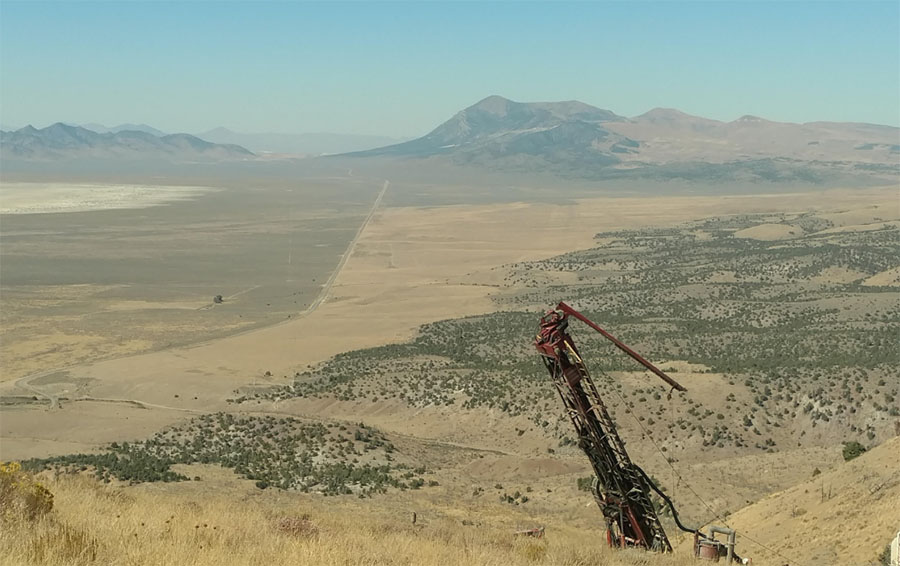
The Keystone Gold Project, located on the renowned Cortez Gold Trend in Nevada, is one of U.S. Gold Corp.’s (NASDAQ:USAU) most ambitious exploration project. Positioned within one of the most productive gold mining belts in the world, Keystone offers immense potential for discovering significant Carlin-type gold deposits. The project encompasses 20 square miles of highly prospective land, and although still in the exploratory phase, it has already generated considerable interest due to its promising geology and proximity to some of Nevada’s largest and most successful gold operations. As U.S. Gold Corp. continues to advance this project, Keystone could unlock major economic and geological opportunities, both for the company and for Nevada’s mining industry.
Nevada’s Cortez Gold Trend: A World-Class Mining District
The Cortez Gold Trend in Nevada is part of the larger Battle Mountain-Eureka Trend, one of the most productive and geologically favorable regions for gold mining in the U.S. Over the past 50 years, this area has yielded over 245 million ounces of gold, with major deposits being developed by industry giants such as Barrick Gold and Newmont Corporation. Keystone is located strategically between Barrick-Newmont’s massive Cortez Hills operation and McEwen Mining’s Gold Bar project.
Keystone’s location is a significant advantage, as the geology of the Cortez Trend has been well-documented, and its potential for further discoveries remains high. In this region, Carlin-type deposits are characterized by the presence of finely disseminated gold in sedimentary rocks. These deposits have low concentrations of gold by volume but are spread across large areas, making them economically viable when mined at scale.
Geological Characteristics and Exploration Potential
What sets Keystone apart is its largely under-explored status. Although multiple companies conducted drilling programs in the 1980s and early 2000s, much of the area remains geologically untested by modern methods. U.S. Gold Corp. has implemented an extensive exploration strategy designed to systematically unlock the region’s potential. This has included geological mapping, geochemical and geophysical surveys, and “scout” drilling programs aimed at identifying promising targets.
The geology of Keystone is highly complex, featuring a mix of lower-plate carbonate host rocks, intrusive systems, and extensive faulting, all of which are conducive to Carlin-type gold mineralization. The discovery of these favorable rock formations, similar to those found at the Cortez Hills and Goldrush deposits, has strengthened the case for a major gold system being present at Keystone.
U.S. Gold Corp.’s initial exploration efforts have yielded encouraging results. Soil and rock geochemistry surveys have revealed large areas with strong gold anomalies, along with elevated concentrations of pathfinder elements such as arsenic and mercury, which are typically associated with Carlin-type systems. Additionally, the company’s drilling campaigns have confirmed the presence of thick sequences of Devonian and Mississippian-aged host rocks, which are known to host significant gold deposits elsewhere in the Cortez Trend.
Systematic Exploration Approach and Challenges
Exploring a large, underdeveloped project like Keystone requires a methodical approach. U.S. Gold Corp. has prioritized gathering as much geological data as possible to refine its drilling targets. The company’s exploration team has conducted gravity and magnetic surveys to better understand the region’s subsurface structure, helping to pinpoint potential gold-bearing zones. In addition, extensive geochemical sampling has provided critical information about the distribution of gold and associated minerals within the project area.
Despite the promising early findings, challenges remain. Carlin-type deposits, while highly valuable, are notoriously difficult to locate due to the fact that the gold is often finely dispersed and hosted in low-grade ore. Furthermore, the extensive faulting and folding of the rocks in the region create complex geological conditions that require careful interpretation of drilling results. U.S. Gold Corp. must continue to fine-tune its exploration techniques and invest in advanced drilling programs to fully assess Keystone’s potential.
The Importance of Keystone in U.S. Gold Corp.’s Portfolio
Keystone plays a crucial role in U.S. Gold Corp.’s broader strategy of developing high-potential gold assets in mining-friendly jurisdictions. While the company’s CK Gold Project in Wyoming is further along in terms of development, Keystone represents the “blue sky” potential in the company’s portfolio. Should a major gold discovery be made at Keystone, it could significantly elevate U.S. Gold Corp.’s standing within the industry and attract the attention of larger mining companies looking to expand their resource base.
The proximity of Keystone to some of Nevada’s largest gold mines also makes it a valuable exploration asset. U.S. Gold Corp. has been strategically positioning itself in an area that has already proven to be highly productive for some of the world’s largest gold miners. If successful, Keystone could join the ranks of Nevada’s major gold producers, further solidifying the state’s status as the top gold-producing region in the U.S..
Environmental and Regulatory Considerations
As with any mining project, U.S. Gold Corp. must navigate the regulatory and environmental challenges associated with developing a large-scale operation in Nevada. Fortunately, Nevada’s regulatory framework is well-established and generally supportive of mining activities, particularly in regions like the Cortez Trend where mining has been a key economic driver for decades. U.S. Gold Corp. has committed to conducting its exploration activities in compliance with all state and federal regulations, ensuring that environmental impacts are minimized.
Keystone’s location in a historically mined region means that some of the infrastructure needed for future development, such as roads and utilities, is already in place. This reduces the project’s environmental footprint compared to operations in more remote locations. Additionally, U.S. Gold Corp. is focused on responsible resource management, including strategies for water conservation and waste reduction, which are critical in Nevada’s arid climate.
The Future Outlook for Keystone and Nevada Mining
As U.S. Gold Corp. continues to explore Keystone, the project’s future hinges on the results of its ongoing drilling programs. If the company can confirm the presence of a large, economically viable gold deposit, it would represent one of the most significant discoveries in recent years for the Cortez Trend. The increasing global demand for gold, driven by economic uncertainty and the rising cost of other commodities, has created favorable market conditions for new gold projects.
Nevada, as the leading gold-producing state in the U.S., stands to benefit from any new discoveries at Keystone. The state’s mining industry contributes billions to the economy each year, and the addition of another large gold project would further strengthen this sector.
The above references an opinion and is for information purposes only. It is not intended to be investment advice. Seek a licensed professional for investment advice. The author is not an insider or shareholder of any of the companies mentioned above.

Gold prices are hovering near record highs, yet the world’s two largest gold producers Barrick Gold (TSX:ABX) and Newmont (TSX:NGT) have struggled to capitalize on the precious metal’s rally. Over the next ten days, both companies will have an opportunity to regain investor confidence as they report earnings, but they face mounting pressure to deliver results that reflect gold’s historic surge.
An Important Earnings Season for Gold Miners
Barrick is set to kick off the industry’s latest earnings season on Wednesday, February 14, followed by Agnico Eagle Mines Ltd. on February 13 and Newmont on February 20. Investors will be watching closely to see if the companies can move beyond the disappointments of the third quarter, when both Barrick and Newmont fell short of Wall Street expectations due to higher-than-expected costs and production challenges.
Gold prices have been on a steady march toward $3,000 per ounce, driven by increased demand for the metal as a safe-haven asset. As of this week, gold is trading at around $2,900 per ounce, putting added pressure on miners to show they can translate higher bullion prices into improved profitability.
“Gold is at $2,900, so the market is now saying, show me the money,”said Imaru Casanova, a portfolio manager at Van Eck Associates. “As the gold price makes fresh highs, the market will be focused on the companies ability to expand margins.”
Gold Stocks Rebound, But Challenges Remain
Gold producers have started to see their stocks recover this year. A Bloomberg index of 10 senior gold miners has surged 31% in 2024, nearly triple the gains seen from spot gold. That recovery is helping the world’s biggest gold miners catch up after an underwhelming 2023, when gold prices climbed 27%, but the index of senior gold miners gained only 11%.
Despite this rally, Barrick and Newmont continue to underperform some of their smaller peers, including Agnico Eagle Mines, which has consistently exceeded earnings expectations. The Toronto-based company benefits from operating the bulk of its mines in Canada, a politically stable jurisdiction compared to some of the regions where Barrick and Newmont operate.
Barrick’s Challenges: Mali Dispute, Operational Setbacks, and Costs
Barrick, the world’s second-largest gold producer, has faced multiple challenges that have weighed on its stock. A major setback has been a dispute with the military rulers of Mali, where the company operates one of its largest mining complexes, Loulo-Gounkoto. In January, Barrick was forced to suspend operations after the Malian government began removing gold from the mine and blocking shipments out of the country.
The company is also dealing with operational difficulties at key mines in Papua New Guinea and the Dominican Republic, as well as persistently high input costs in the United States. In Nevada, Barrick co-owns a massive mining complex with Newmont, and rising costs in the region have made it more difficult for the company to maintain profitability.
Newmont, the world’s largest gold producer, has also struggled with rising costs. Its third-quarter results revealed higher-than-expected spending at operations in Australia, Canada, Peru, and Papua New Guinea. Since then, the Denver-based company has been working to reduce overhead costs and strengthen its balance sheet.
To improve its financial position, Newmont has been selling off assets. Over the past several months, the company has completed a series of asset sales totaling $4.3 billion. These sales have helped Newmont generate cash, but investors are still waiting to see if the company can rein in operational expenses while taking advantage of high gold prices.
High Expectations for the Final Quarter
Both Barrick and Newmont have guided investors to expect a strong final quarter of 2024. Now, they will need to deliver on those promises.
One of the biggest challenges facing gold miners is rising inflation, which has driven up costs for everything from labor to energy to equipment. While high gold prices should, in theory, benefit miners, the reality is that inflationary pressures can erode profit margins if companies fail to control their expenses.
With gold prices at record highs, Barrick and Newmont face a critical moment. Investors will be scrutinizing their earnings reports, production guidance, and cost-control strategies to determine whether these industry giants can capitalize on gold’s rally.
If both companies fail to meet expectations again, it could further frustrate shareholders who have been waiting for a stronger performance. But if they manage to exceed expectations and demonstrate improved efficiency, it could mark a turning point for two of the world’s largest gold miners.

In a high-stakes dispute over foreign investment in Australia’s critical minerals sector, Global Lithium Resources (ASX: GL1) has called on the government to intervene in what it describes as an unlawful takeover attempt by China-linked investors seeking control of its flagship lithium asset, the Manna lithium project in Western Australia.
As the company approaches a key shareholder meeting this Thursday, Global Lithium is intensifying its efforts to block a boardroom shake-up, claiming that a coalition of foreign investors—allegedly holding between 30% and 40% of its shares—is attempting to gain control of the company through strategic board appointments.
Global Lithium’s concerns were amplified last week when the Australian Takeovers Panel declined to investigate the alleged breaches of foreign ownership laws, leaving the company without immediate regulatory relief.
The company has specifically accused one of its directors, Dianmin Chen, of collaborating with Chinese investors to orchestrate a board takeover that would give them control over Manna, a lithium project viewed as vital to Australia’s strategic interest in maintaining domestic ownership of key mineral resources.
Government Intervention Sought
In response, Global Lithium’s management has directly appealed to Australian Treasurer Jim Chalmers to intervene. The Treasurer, advised by the Foreign Investment Review Board (FIRB), has the authority to take action against the investors pushing for board changes.
Potential measures could include:
•Compelling the shareholders in question to reduce their stakes
•Prohibiting them from voting at the upcoming shareholder meeting
The Western Australia Supreme Court previously acknowledged in a November 2024 ruling that such steps could be legally justified, particularly in cases involving national security concerns.
Global Lithium’s executive chairman, Ron Mitchell, has urged shareholders to reject motions aimed at reshuffling the board—including the reappointment of Chen and the appointment of additional Chinese-born directors.
A motion to limit the board to three members is also on the table, which Mitchell argues would cement foreign influence over the company. This dispute underscores Australia’s broader effort to limit foreign investment in critical minerals, particularly by entities linked to China. The government has signaled that investment in strategic sectors should primarily come from “like-minded” nations—a term widely understood to exclude Chinese companies and investors.
Manna Lithium Project at Risk?
The Manna lithium project, located near Kalgoorlie in Western Australia, is considered an important asset in Australia’s lithium supply chain. However, development was paused in late 2023, with Global Lithium citing a prolonged downturn in the battery raw materials market.
The project’s mineral resource estimate stands at 51.6 million tonnes (Mt) at 1% lithium oxide (Li₂O), with 515,000 tonnes of total contained Li₂O. Indicated resources alone account for 32.9 Mt at 1.04% Li₂O.
The lithium sector remains a key pillar of Australia’s economy, with the federal government increasing scrutiny of foreign investment in mining projects to prevent critical resources from falling under overseas control.
Global Lithium’s case echoes a similar government crackdown on foreign ownership earlier in 2024. In June 2024, Treasurer Jim Chalmers ordered Singapore-based Yuxiao Fund, which has ties to China, to sell down its stake in Northern Minerals (ASX: NTU), an Australian rare earths explorer, on national security grounds.
That decision reinforced Canberra’s tougher stance on foreign investment in strategic industries, with officials emphasizing that the country must maintain control over resources essential to its economic and national security interests.
With the crucial shareholder meeting scheduled for this Thursday, the outcome could determine whether Global Lithium maintains its current leadership or if the alleged China-linked investor group succeeds in reshaping the board.
The Australian government now faces mounting pressure to act, either by intervening directly in Global Lithium’s case or by strengthening regulations to further restrict foreign investment in the critical minerals sector.
The above references an opinion and is for information purposes only. It is not intended to be investment advice. Seek a licensed professional for investment advice. The author is not an insider or shareholder of any of the companies mentioned above.
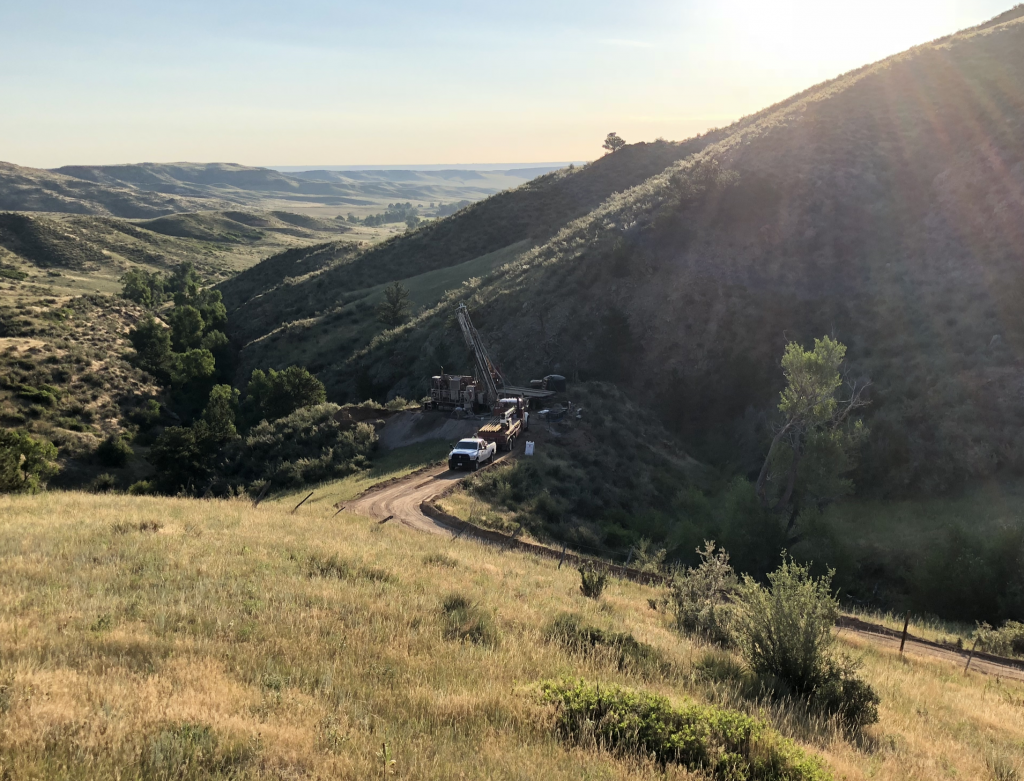
As U.S. Gold Corp. (NASDAQ:USAU) advances its gold and copper projects, the company has placed a large emphasis on environmental sustainability. Operating in Wyoming, Nevada, and Idaho, U.S. Gold Corp. recognizes the importance of minimizing the ecological footprint of its mining operations and aligning with stringent environmental regulations. By integrating modern technology and proactive management strategies, the company aims to demonstrate that mining can be conducted responsibly while contributing to local economies and preserving natural resources.
Commitment to Environmental Compliance
At the heart of U.S. Gold Corp.’s environmental strategy is a commitment to compliance with federal and state regulations. Each of its projects—CK Gold in Wyoming, Keystone in Nevada, and Challis Gold in Idaho—has distinct environmental plans tailored to the respective region’s needs. Wyoming, for instance, has robust environmental regulations, and U.S. Gold Corp. has taken steps to ensure its CK Gold Project aligns with these standards. The project’s permitting process has involved extensive assessments to minimize impacts on water, air, and land, key concerns for local stakeholders.
The company has already received several permits for CK Gold, including the Surface Mine Permit and the Water Discharge Permit, both approved by the Wyoming Department of Environmental Quality. These permits ensure that U.S. Gold Corp. can responsibly manage water usage, limit emissions, and address reclamation throughout the project’s lifecycle. Moreover, U.S. Gold Corp. has committed to meeting all reclamation bond requirements, which are essential for restoring the land after mining activities cease.
Innovative Water Management Practices
Water conservation and management are critical elements of U.S. Gold Corp.’s environmental strategy. Mining operations often require significant water use, and U.S. Gold Corp. is exploring ways to reduce its consumption and protect local water resources. At the CK Gold Project, water management plans include measures to prevent contamination and ensure that water discharge meets quality standards. The project also features recycling systems that reduce water withdrawal from local sources, thus mitigating the impact on Wyoming’s water supply.
Furthermore, in regions like Nevada, where water scarcity can be a significant concern, U.S. Gold Corp. plans to employ water-saving techniques at its Keystone Project. These initiatives reflect a broader trend in the mining industry to innovate in water conservation, as regulatory scrutiny and public awareness around water usage continue to grow.
Waste Management and Land Reclamation
Mining activities produce large volumes of waste rock and tailings, which can pose environmental hazards if not managed correctly. U.S. Gold Corp. has developed comprehensive waste management plans to address these challenges. The company has demonstrated a proactive approach at the CK Gold Project by identifying alternative uses for waste materials. For instance, it has found that certain types of rock excavated during mining could serve as aggregate for construction, reducing the need for waste disposal while generating an additional revenue stream.
Reclamation and land restoration are integral to U.S. Gold Corp.’s sustainability efforts. The company’s reclamation plans include returning the land to its natural state post-mining. This process involves recontouring the landscape, replanting native vegetation, and ensuring that ecosystems can recover. These measures not only comply with state regulations but also reflect U.S. Gold Corp.’s commitment to sustainable practices that minimize long-term environmental impacts.
Reducing Energy Consumption and Emissions
Energy efficiency is another priority for U.S. Gold Corp. The company is exploring methods to reduce its carbon footprint by implementing energy-saving technologies at each of its project sites. For example, the CK Gold Project has been designed to optimize energy use, potentially incorporating renewable energy sources to power certain operations. These initiatives align with broader industry trends, as mining companies seek to lower greenhouse gas emissions and contribute to global climate goals.
By using energy-efficient equipment and considering alternative energy sources, U.S. Gold Corp. aims to lower operational costs while reducing its impact on the environment. Emissions control technologies, including dust suppression systems and air quality monitoring, are also part of the company’s operational plans to ensure compliance with air quality standards and protect the health of nearby communities.
Engaging with Local Communities and Stakeholders
U.S. Gold Corp. has emphasized community engagement as a core component of its environmental strategy. Recognizing that mining projects can affect local communities, the company has taken steps to involve stakeholders in decision-making processes and address their concerns. Public consultations have been held to gather input on the CK Gold Project, allowing U.S. Gold Corp. to incorporate feedback and build trust with local residents.
Additionally, the company is committed to transparency in reporting its environmental impact. Regular updates on environmental performance, such as water usage, waste management, and reclamation progress, are made available to stakeholders. This approach not only builds credibility but also ensures accountability as the company advances its projects.
Looking Ahead at U.S. Gold Corp.’s Long-Term Sustainability Goals
As U.S. Gold Corp. moves forward, the company wants to set a standard for sustainable mining in the United States. By focusing on regulatory compliance, reducing its environmental footprint, and engaging with local communities, the company seeks to balance its economic objectives with a strong commitment to sustainability. The CK Gold Project, with its extensive environmental safeguards, exemplifies how U.S. Gold Corp. intends to achieve these goals while contributing to Wyoming’s economic development.
The above references an opinion and is for information purposes only. It is not intended to be investment advice. Seek a licensed professional for investment advice. The author is not an insider or shareholder of any of the companies mentioned above.
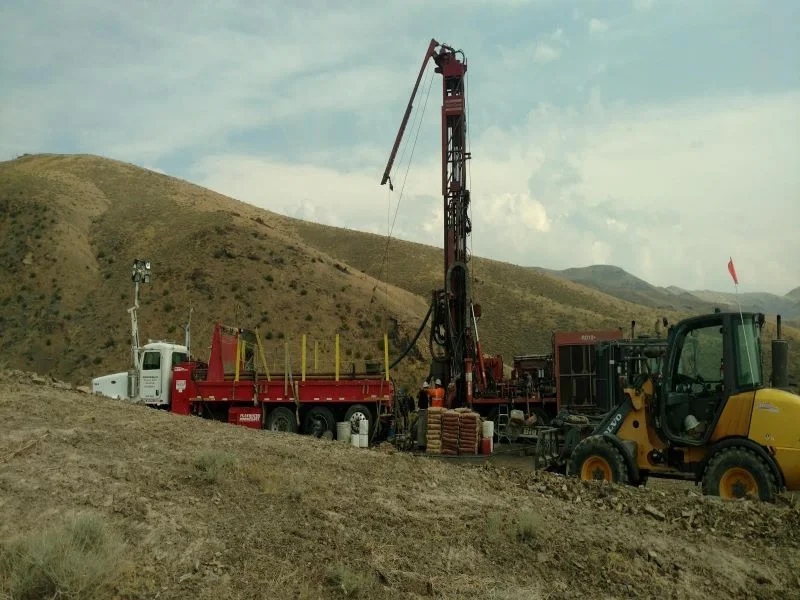
The CK Gold Project, spearheaded by U.S. Gold Corp. (NASDAQ:USAU), while being one of the most interesting new mining projects of the past decade, could also transform Wyoming’s economy. This advanced-stage gold and copper mining venture, located near Cheyenne, is expected to generate significant economic benefits, not only through direct employment and local investment but also by positioning Wyoming as a key player in the U.S. mining industry. With permitting for the project nearing completion and production anticipated to begin as early as 2025, the economic impact of the CK Gold Project is becoming clearer.
Wyoming’s Economic Landscape and the Role of Mining
Mining has long been a staple of Wyoming’s economy. The state is rich in resources, primarily coal, oil, natural gas, and trona. However, as demand for fossil fuels wanes and the state seeks to diversify its economic base, projects like CK Gold are becoming increasingly important. The addition of precious metals to Wyoming’s mining portfolio could help stabilize and broaden the state’s revenue sources, making the economy less dependent on traditional energy sectors.
Gold mining, in particular, is seeing a resurgence due to rising global demand and favorable market conditions. Wyoming has largely been overlooked as a gold mining hub, with much of the focus in the U.S. centered on Nevada. The CK Gold Project, however, could change that. Its development represents a move towards a diversified mining sector within the state, opening up new revenue streams and employment opportunities.
Projected Economic Contributions of the CK Gold Project
The CK Gold Project is expected to generate substantial economic benefits across multiple fronts. U.S. Gold Corp. estimates that the project will yield approximately 108,500 ounces of gold annually over a 10-year mine life. In addition, the project is expected to produce significant copper resources, positioning it as a dual-commodity mine with diversified revenue potential. This dual output could help insulate the project and, by extension, the state’s economy from fluctuations in individual commodity prices.
A key component of the CK Gold Project’s impact on Wyoming’s economy will be job creation. U.S. Gold Corp. projects the creation of hundreds of jobs, both directly and indirectly, through the mine’s construction, operation, and support services. During the initial construction phase, approximately 200 jobs are expected to be created, with many of these positions sourced locally to benefit Wyoming residents directly. Once operational, the mine will continue to employ a substantial workforce, including engineers, geologists, equipment operators, and administrative staff.
Beyond direct employment, the project will likely stimulate local businesses in construction, transportation, and various support services. Local companies stand to benefit from contracts related to equipment supply, logistics, and other operational needs. The anticipated increase in local employment could have a ripple effect, enhancing consumer spending in the area and providing a boost to the regional economy.
The CK Gold Project will also contribute to Wyoming’s tax revenues. The mine is expected to generate significant tax payments, including state royalties, corporate taxes, and sales taxes on equipment and supplies. According to U.S. Gold Corp., the project’s all-in-sustaining cost for gold production is estimated at $800 per ounce, making it financially feasible even at lower gold prices. This means that the project is well-positioned to maintain profitability, which will, in turn, provide consistent tax contributions over the mine’s operational life.
In addition, the project will support Wyoming’s public infrastructure. U.S. Gold Corp. has highlighted that the CK Gold Project includes provisions for environmental and community benefits, such as water management and reclamation initiatives. The project’s environmental compliance measures, including water discharge and waste management, ensure that it will meet state regulations while supporting Wyoming’s natural resources.
A Sustainable and Environmentally-Conscious Approach
Environmental considerations play a significant role in the development of the CK Gold Project. Wyoming’s environmental regulations are stringent, and U.S. Gold Corp. has sought to align the project with these standards to minimize environmental impacts. This is essential in a state where outdoor recreation and agriculture are key economic contributors and residents value environmental conservation.
The CK Gold Project includes several measures designed to mitigate its environmental footprint. Among these are reclamation bonds and ongoing environmental assessments, both aimed at ensuring the land is restored after mining operations conclude. Additionally, the project will use advanced mining techniques to reduce energy and water consumption. By maintaining a commitment to environmental sustainability, U.S. Gold Corp. aims to align with the values of the local community and minimize the project’s ecological footprint.
While the CK Gold Project is a significant undertaking, it is relatively small compared to some of the largest gold mining projects in the U.S., such as those in Nevada’s Carlin Trend. However, its impact on Wyoming’s economy could be profound, given the state’s smaller population and more localized economy. In comparison, major gold mining operations like those run by Barrick Gold and Newmont in Nevada contribute to a much larger mining industry but also operate in a more saturated market.
Where CK Gold stands out is its focus on Wyoming, a state with fewer mining projects in the pipeline. Its successful development could lead to increased interest in Wyoming as a viable destination for mineral exploration, potentially spurring further investment in the state’s mineral resources,
Long-Term Implications for Wyoming’s Mining Industry
The CK Gold Project could serve as a blueprint for future mining projects in Wyoming, demonstrating that gold mining can coexist with other industries in the state. By advancing this project, U.S. Gold Corp. is helping to expand the scope of Wyoming’s mining industry beyond coal and natural gas, contributing to a more diverse and resilient economy.
If the project is successful, it may attract other companies to explore Wyoming’s mineral resources, thus fostering a more robust and competitive mining industry. Moreover, as global demand for gold and copper continues to rise, Wyoming’s position as a gold-producing state could become increasingly valuable, with the CK Gold Project serving as a catalyst for further economic development.
The CK Gold Project is a major development for Wyoming’s economy, bringing job opportunities, tax revenue, and a new wave of industry diversification to the state. While it faces competition from larger mining projects in more established gold-producing states, its impact on Wyoming’s economic landscape will likely be significant. As the project moves closer to production, it promises not only to enhance the state’s mining industry but also to contribute to a more diverse and sustainable economic future for Wyoming.
The above references an opinion and is for information purposes only. It is not intended to be investment advice. Seek a licensed professional for investment advice. The author is not an insider or shareholder of any of the companies mentioned above.

Power Nickel (TSXV:PNPN) has announced significant progress in its ongoing exploration efforts, following the success of its 2024 drilling campaign. The company is expanding its focus to new target areas while continuing to delineate high-grade nickel, copper, cobalt, and precious metal deposits within the Nisk project. Notably, Power Nickel has confirmed a new discovery located 700 meters east of the Lion Zone, marking a potential expansion of its mineral resource base.
Power Nickel’ss exploration efforts have identified a deposit that shares characteristics with copper-rich deposits found in major nickel mining regions such as Norilsk and Sudbury. The presence of both a nickel-copper-cobalt-PGE deposit (Nisk) and a copper-PGE-gold-silver deposit (Lion) within the same layered ultramafic unit suggests the potential for additional, possibly larger, deposits within the project area. Based on current exploration data, Power Nickel believes there is still a significant volume of undiscovered mineralization.
To build on these findings, Power Nickel has launched an aggressive 2025 winter drilling campaign. By mid-February, three drills will be in operation to test multiple targets. The first drill will focus on expanding the depth and strike of the Lion deposit. The other two drills will explore a 5.5-kilometer section of ultramafic strike between the Nisk and Lion deposits, an area that has never been drilled. This region contains geological structures and electromagnetic (EM) anomalies similar to those associated with the original Lion Zone discovery in late 2023.
Additionally, the Nisk nickel deposit remains open to expansion. Some of the most promising intersections from the 2023 drill program were found in deeper sections of the Nisk deposit, indicating the potential for further high-grade mineralization. The upcoming drill program aims to expand the 2023 NI 43-101 mineral resource estimate and investigate the geological link between the Nisk and Lion deposits.
Geophysical Surveys to Guide Target Selection
To refine its drilling strategy, Power Nickel has enlisted a geophysicist to analyze borehole EM surveys and ground EM surveys conducted in 2024. This review will help identify new drill targets for the ongoing exploration campaign.
Several holes west of the Lion Zone (PN-24-082 to 85) have been selected for initial borehole EM surveys. These targets will be prioritized when the second drill arrives on-site in early February. By integrating EM survey data with drill results, Power Nickel aims to improve its understanding of subsurface mineralization and enhance exploration efficiency.
New Discovery: PN-24-094
One of the most significant developments from the 2024 exploration program is the discovery of a new mineralized zone 700 meters east of the Lion deposit. This discovery resulted from borehole EM surveys that identified a weak EM anomaly similar to the one found at the Lion Zone.
Initial drill holes in this area intersected a weak copper-mineralized structure. However, subsequent borehole EM surveys detected an off-hole anomaly, prompting additional drilling. The follow-up drill hole PN-24-094 intersected massive sulfides, including pyrrhotite (po) and chalcopyrite (cpy), with strong indications of nickel mineralization based on on-site XRF analyses.
This discovery is particularly significant because the mineralized zone is hosted in felsic gneisses, marking a third distinct deposit type within the expanding Nisk project. Power Nickel is awaiting assay results to determine the full extent and grade of mineralization. The newly discovered zone will be a major focus of the 2025 drill program.
Power Nickel is a Canadian exploration company focused on developing the high-grade nickel, copper, platinum group metals (PGMs), gold, and silver resources at the Nisk project. The company aims to establish Nisk as Canada’ss next major polymetallic mine.
The Nisk project covers a 20-kilometer strike length and hosts multiple high-grade mineralized zones. Power Nickel acquired an option to earn up to an 80% interest in the project from Critical Elements Lithium Corp. in 2021. Since then, the company has conducted multiple drilling programs to expand known resources and explore new targets within the property.
Alongside its work at Nisk, Power Nickel also owns significant land packages in British Columbia and Chile. The company plans to reorganize these assets into a separate publicly traded entity through a plan of arrangement.
The above references an opinion and is for information purposes only. It is not intended to be investment advice. Seek a licensed professional for investment advice. The author is not an insider or shareholder of any of the companies mentioned above.

Rio Tinto (ASX:RIO) and Glencore (LON:GLEN) , two of the world’s largest mining companies, have been in discussions about a potential merger, according to sources familiar with the matter. If successful, the deal would reshape the global mining sector, creating a powerful competitor to industry leader BHP. However, the discussions remain preliminary, and there is no certainty that a deal will be reached.
Rio Tinto is the world’s second most valuable mining company, with a market capitalization of $103 billion as of Thursday. It is one of only two miners, alongside its Melbourne-based counterpart BHP, to surpass the $100 billion valuation mark. Glencore, which is currently valued at $55 billion, has been active in mergers and acquisitions, notably making an unsuccessful bid for Canada’s Teck Resources in 2023.
A Rio Tinto-Glencore merger would create a mining giant with a combined market value exceeding $150 billion, surpassing BHP’s current valuation of $125 billion. This would make the new entity the largest mining company in the world, reshaping competition at the top of the industry.
The primary driver behind the talks is copper, a metal essential for the global transition to renewable energy. Copper demand is expected to rise due to its role in electric vehicles, power grids, and renewable energy infrastructure. If combined, Rio Tinto and Glencore’s copper production would rival BHP’s output. Glencore’s 2024 copper production guidance is around 1 million tonnes, while Rio Tinto is targeting up to 720 kilotonnes.
A History of Mergers and Missed Opportunities
This is not the first time Glencore has pursued a high-profile merger. In 2014, the company, under then-CEO Ivan Glasenberg, attempted to merge with Rio Tinto, but the proposal was swiftly rejected. That move came just two years after Glencore’s $90 billion acquisition of Xstrata, which transformed it from a trading-focused company into a mining powerhouse.
Glencore itself became a major player in mining after Xstrata had earlier failed in its attempt to merge with Anglo American in 2009. The Anglo-Xstrata merger never materialized after Anglo rejected the deal outright.
Rio Tinto, meanwhile, has had its own struggles with major acquisitions. In 2007, it bought Canadian aluminum giant Alcan for $38 billion, paying a steep 65% premium to outbid competitors. However, as commodity prices declined, the deal turned into a financial disaster, leading to $25 billion in write-downs.
BHP, the world’s largest miner, has also faced regulatory and economic obstacles in its M&A history. In 2008, it attempted a $116 billion takeover of Rio Tinto, but regulators blocked the deal. The onset of the global financial crisis further undermined the feasibility of the acquisition.
Challenges Facing the Mining Industry
The potential Rio Tinto-Glencore merger comes at a turbulent time for the mining industry. The five largest diversified mining companies—BHP, Rio Tinto, Glencore, Vale, and Anglo American—have seen significant declines in their market values. In 2024, they collectively lost $119.7 billion, or 25.3% of their combined value, according to the MINING.COM Top 50 ranking.
Much of this decline is due to falling prices for key commodities such as copper and iron ore. A strong U.S. dollar in the final months of 2024 exacerbated these losses, particularly for miners operating in currencies that weakened against the dollar.
Vale has been the hardest hit, losing 44.9% of its market value in 2024. The Brazilian mining giant, which was worth more than $100 billion in 2022, has seen its market capitalization shrink to $37.7 billion. Indonesian miner Amman Mineral has now surpassed Vale in the global ranking.
Anglo American, despite facing its own struggles, was the only one of the traditional “Big 5” miners to end 2024 in positive territory, gaining $5.5 billion, or 18.1%, in value. Some of that increase may have been driven by lingering effects from BHP’s previous interest in acquiring the company.
The Role of Iron Ore in Mining’s Boom and Bust Cycle
Unlike its competitors, Glencore does not mine iron ore, which has historically been the primary driver of profits for the largest mining companies. China’s infrastructure boom has been the backbone of iron ore demand, with the country consuming around 80% of seaborne iron ore shipments.
During the peak of the commodity boom in 2011, iron ore generated record profits for the top miners. That year, BHP recorded a pre-tax profit of $24 billion from iron ore alone, while Vale earned $23 billion, Rio Tinto made $15 billion, and Anglo American secured $11 billion.
However, the iron ore market has cooled significantly. Prices have fallen back to double-digit levels, and a combination of increased supply and China’s prolonged construction slowdown has dampened hopes of a recovery.
If Rio Tinto and Glencore move forward with a merger, they will face regulatory scrutiny from multiple jurisdictions. Given the global significance of their operations, any deal would likely be reviewed by competition authorities in Australia, the UK, the European Union, and other key markets.
The above references an opinion and is for information purposes only. It is not intended to be investment advice. Seek a licensed professional for investment advice. The author is not an insider or shareholder of any of the companies mentioned above.
If you would like to receive our free newsletter via email, simply enter your email address below & click subscribe.
 Follow us on Twitter
 Become our facebook fan
CONNECT WITH US
Tweets
Tweet with hash tag #miningfeeds or @miningfeeds and your tweets will be displayed across this site.
MOST ACTIVE MINING STOCKS
Daily Gainers
 CMC Metals Ltd. CMC Metals Ltd. |
CMB.V | +900.00% |
 Eden Energy Ltd Eden Energy Ltd |
EDE.AX | +200.00% |
| GoviEx Uranium Inc. |
GXU.V | +42.86% |
| Eagle Nickel Ltd. |
ENL.AX | +41.67% |
| Citigold Corp. Limited |
CTO.AX | +33.33% |
| Mount Burgess Mining NL |
MTB.AX | +33.33% |
| Exalt Resources Limited |
ERD.AX | +31.94% |
| Casa Minerals Inc. |
CASA.V | +30.00% |
| Cariboo Rose Resources Ltd |
CRB.V | +28.57% |
| Belmont Resources Inc. |
BEA.V | +28.57% |