Hudbay Minerals (TSX:HBM) has become the sole owner of the Copper Mountain mine in southern British Columbia after acquiring Mitsubishi Materials’ 25% stake in the operation. The deal, valued at $44.25 million, aligns with Hudbay’s broader strategy of increasing copper production in mining-friendly regions across North America.
The Canadian mining company announced the transaction on Thursday, detailing that the purchase involves an initial upfront payment of $4.5 million. The remaining amount will be paid in a structured format: $21 million will be paid in seven equal annual installments, while the final $18.75 million will be disbursed in five equal payments contingent on achieving specific operating milestones.
In addition to the stake acquisition, Hudbay has agreed to assume all outstanding debt associated with the Copper Mountain operation, including approximately $104 million in loan obligations owed to Mitsubishi.
Copper Concentrate Offtake Agreement
As part of the agreement, Hudbay will gain a share of Copper Mountain’s copper concentrate offtake for the first time. The company’s proportion will increase from zero to 15%, while Mitsubishi will retain an 85% share. This arrangement will remain in place for 15 years, coinciding with the period in which the Japanese firm is entitled to the contingent payments. Once Mitsubishi’s right to these payments expires, Hudbay will take full control of the mine’s copper concentrate offtake.
Hudbay’s chief executive officer, Peter Kukielski, emphasized the strategic importance of the transaction. “This transaction is aligned with our strategy of growing copper production in mining-friendly jurisdictions and further strengthens Hudbay’s position as a North American copper champion,” Kukielski stated.
Operational Enhancements and Production Expansion
Copper Mountain has been a significant asset for Hudbay since its initial acquisition in June 2023 as part of a $439 million deal. Since taking control, Hudbay has implemented a three-year optimization plan aimed at improving operational efficiency.
Following the latest acquisition, Hudbay has outlined a new mine plan aimed at nearly doubling production through various operational upgrades. The company plans to:
• Remobilize idle haul trucks to improve material movement.
• Open additional mining faces to enhance ore extraction.
• Accelerate stripping operations to access higher-grade ore more quickly.
A major component of Hudbay’s expansion strategy at Copper Mountain involves the conversion of a third ball mill into a second semi-autogenous grinding (SAG) mill. This upgrade is expected to ramp up mill throughput in the second half of 2024, with a target of achieving 50,000 tonnes per day by 2026.
Over the next three years, Copper Mountain is projected to produce approximately 44,000 tonnes of copper and 28,600 ounces of gold. Once Hudbay’s optimization initiatives are fully implemented, copper output is expected to reach 60,000 tonnes annually. This would represent a more than 200% increase compared to Hudbay’s attributable copper production levels in 2024.
The Copper Mountain mine, located about 20 kilometers south of Princeton, BC, operates as an open-pit mining operation. It currently holds approximately 346 million tonnes of mineral reserves, with an average grade of 0.25% copper and 0.12 grams per tonne gold. These reserves are estimated to contain 850,000 tonnes of copper and 1.3 million ounces of gold, supporting a mine life projected to extend until 2043.
With full ownership now secured, Hudbay is positioned to implement long-term development plans aimed at maximizing production efficiency and sustaining operations for nearly two more decades.
The above references an opinion and is for information purposes only. It is not intended to be investment advice. Seek a licensed professional for investment advice. The author is not an insider or shareholder of any of the companies mentioned above

Astron Energy, a subsidiary of global commodity trader Glencore (LON:GLEN), has committed up to six billion rand ($328 million) to upgrade its South African crude oil refinery in order to comply with the country’s upcoming cleaner fuel regulations. The investment aims to bring the facility in line with South Africa’s Clean Fuels II standards, which mandate lower sulphur content in both petrol and diesel.
The 100,000-barrels-per-day (bpd) refinery, located near Cape Town, is one of only two operational crude oil refineries in the country. With domestic refining capacity having halved in recent years, the move is seen as a significant step toward reducing South Africa’s heavy reliance on fuel imports.
Investment in Cleaner Fuel Technology
Astron Energy officials confirmed that construction work is already underway, with foundations laid for a Gasoline Hydrotreating Process that will reduce petrol’s sulphur levels to Euro 5 specifications. This will bring the fuel’s sulphur content down to 10 parts per million (ppm), in line with Clean Fuels II regulations.
These regulations were initially set to come into effect in 2017 but were delayed due to concerns over the cost of upgrading existing refining infrastructure. The new deadline is July 1, 2027, and Astron Energy’s chief executive officer, Thabiet Booley, assured lawmakers during a site visit on Wednesday that the company would meet the deadline.
South Africa’s Refining Challenges and Import Dependence
South Africa’s refining sector has faced significant challenges over the past decade. The country, which once had several operational crude oil refineries, has seen its domestic refining capacity shrink to around 358,000 bpd. This is largely due to the closure and mothballing of the two largest crude refineries in Durban.
With fewer refineries in operation, Africa’s most industrialized economy now relies on imports for approximately 75% of its liquid fuel needs. The Fuel Industry Association of South Africa (FIASA) estimated that in 2023 alone, South Africa imported just over 19 billion litres of fuel to meet domestic demand.
The heavy dependence on imports has raised energy security concerns, particularly in light of South Africa’s limited fuel reserves. According to the Strategic Fuel Fund, the government agency responsible for securing crude oil supplies, the country currently has less than 21 days’ worth of fuel reserves in the event of a major supply disruption.
Government Efforts to Strengthen Refining Capacity
In an effort to bolster local fuel production and reduce the risk of supply shortages, the South African government has purchased the Sapref refinery in Durban.
The 180,000-bpd facility, previously the country’s largest crude oil refinery, was mothballed in 2022 before suffering extensive damage during severe flooding. The government’s acquisition of the refinery is part of a broader strategy to revive the domestic refining sector and enhance South Africa’s fuel security.
Astron Energy’s investment in cleaner fuel technology is expected to play a critical role in ensuring South Africa meets its cleaner fuel obligations while also contributing to a more stable and resilient fuel supply system.
As the 2027 deadline approaches, industry analysts will be watching closely to see whether other refiners follow suit or if South Africa remains heavily reliant on imports. With ongoing concerns about fuel security and infrastructure readiness, the success of Astron Energy’s upgrade may set a precedent for the future of fuel refining in South Africa.
The above references an opinion and is for information purposes only. It is not intended to be investment advice. Seek a licensed professional for investment advice. The author is not an insider or shareholder of any of the companies mentioned above.
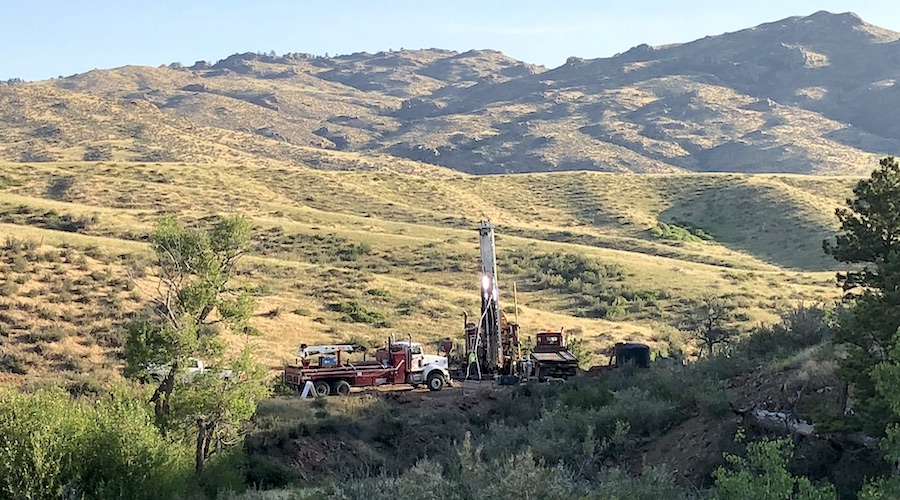
U.S. Gold Corp’s (NASDAQ:USAU) CK Gold Project, located in Wyoming’s Silver Crown Mining District, is progressing toward development. The project aims to extract gold and copper, potentially influencing the state’s mining sector and local economy.
Mining projects bring significant economic opportunities to the regions where they operate, particularly in rural or less-developed areas. The direct benefits include job creation in mining operations, support industries, and local services, which can substantially reduce unemployment rates in these regions. Additionally, these projects often stimulate local economies by creating new infrastructure development with roads, power supply, and water management systems that benefit entire communities.
Beyond direct employment, mining projects contribute to regional economic growth through tax revenues and royalties. These funds can be allocated to improve public services such as education, healthcare, and transportation, creating a ripple effect of socio-economic development. For many communities, a well-managed mining operation can represent a lifeline, transforming the economic landscape and creating long-term growth opportunities.
The CK Gold Project is located approximately 20 miles west of Cheyenne, Wyoming, encompassing about 1,120 acres. U.S. Gold Corp acquired the property in 2016, focusing on developing an open-pit mine to extract gold and copper reserves. The project’s preliminary feasibility study, completed in December 2021, reported proven and probable reserves of 1.44 million gold equivalent ounces, including 1.01 million ounces of gold and 248 million pounds of copper.
Economic Structure
The CK Gold Project is projected to have a significant economic impact on Wyoming. A report by the University of Wyoming’s Center for Business and Economic Analysis estimates the creation of approximately 2,600 direct and indirect jobs over the project’s lifespan. These positions span various sectors, including mining operations, support services, and local
The project is also expected to contribute to state and local revenues through taxes and royalties. U.S. Gold Corp projects an economic impact of $70-80 million in taxes and royalties, providing a financial boost to the region.
The development of the CK Gold Project necessitates infrastructure enhancements, including road improvements and utility extensions. These developments could benefit the local community by improving transportation and access to services. The project’s proximity to major
U.S. Gold Corp emphasizes adherence to environmental standards in the CK Gold Project. The company plans to use froth flotation for mineral extraction, avoiding the use of cyanide. Additionally, a dry stack tailings system is proposed to recycle water, addressing water scarcity
Community Engagement
Community involvement is a key aspect of the CK Gold Project. U.S. Gold Corp has conducted over 40 meetings with more than 120 stakeholders in Cheyenne and Laramie to discuss the project and address concerns. The company has also opened an office in Cheyenne to provide a local presence and facilitate communication with interested parties.
The project has achieved significant regulatory milestones. In May 2024, the Wyoming Department of Environmental Quality issued a surface mine permit, allowing U.S. Gold Corp to advance work on updating the pre-feasibility study. The company is also working on obtaining additional permits, including water discharge and air quality permits, to comply with state regulations.
As global demand for metals like copper and gold continues to rise, the development of efficient and environmentally responsible mining operations becomes essential. Modern mining projects often integrate advanced technologies that enhance mineral recovery, reduce waste, and minimize environmental impact. These advancements not only improve operational efficiency but also set new standards for sustainability in a traditionally resource-intensive industry.
New projects also serve as testbeds for innovation, incorporating renewable energy sources, advanced machinery, and digital monitoring systems. These efforts align with growing public and regulatory expectations for responsible resource extraction, for which U.S. Gold Corp. is proving to be an industry leader.
The above references an opinion and is for information purposes only. It is not intended to be investment advice. Seek a licensed professional for investment advice. The author is not an insider or shareholder of any of the companies mentioned above.

Copper prices came close to record highs on Monday as investors reacted to ongoing tariff concerns and tightening global supply. The most-traded copper contracts in New York climbed to within two cents of their all-time peak of $5.20 per pound, set nearly a year ago, before settling around $5.12 by midday. This price, equivalent to approximately $11,288 per tonne, maintained a significant premium of about $1,500 over copper prices in London.
The metal, often considered a barometer of economic health due to its widespread industrial use, has surged more than 27% since the beginning of the year. The price rally has accelerated in recent weeks, following U.S. President Donald Trump’s executive order last month to investigate copper imports. The move is widely seen as a potential precursor to imposing tariffs on the metal, adding uncertainty to global trade dynamics.
Tariff Speculation Drives U.S. Copper Imports
In anticipation of possible trade restrictions, traders have been directing large shipments of copper to U.S. shores. Analysts at Mercuria, a global trading firm, estimate that approximately 500,000 tonnes of copper are currently en route to the U.S.—a sharp increase from the typical monthly import level of about 70,000 tonnes. This rush has driven up COMEX copper prices relative to those on the London Metal Exchange (LME), reflecting heightened demand in the American market.
This increase in imports also coincides with broader concerns over the supply of raw copper. Years of underinvestment in mining and refining operations have left the market with limited capacity to respond to growing demand. Mercuria forecasts a global copper supply deficit of around 320,000 tonnes this year, a shortfall that could exacerbate competition for the metal.
China’s Economic Stimulus Fuels Demand
Adding to the upward pressure on copper prices, China—the world’s largest producer and consumer of the metal—recently announced additional economic stimulus measures. While details remain limited, the policies are expected to boost infrastructure development and industrial production, further increasing the demand for copper.
China’s role in the copper market is massive, as any shifts in its domestic policy can have a ripple effect on global trade and pricing. Traders are watching closely to see how these measures influence the country’s purchasing patterns in the coming months.
With supply constraints, surging demand, and growing market speculation over potential tariffs, copper prices appear poised for continued volatility. While some analysts believe the market could stabilize if supply chains adjust, there are some warning that further disruptions or new trade barriers could push prices even higher.
The above references an opinion and is for information purposes only. It is not intended to be investment advice. Seek a licensed professional for investment advice. The author is not an insider or shareholder of any of the companies mentioned above.

Sovereign Metals (ASX:SVM) has confirmed its intention to raise A$40 million to support the development of its Kasiya rutile and graphite project in Malawi. The announcement follows media speculation regarding a potential capital raising effort. The company has engaged Petra Capital as the lead manager and sole bookrunner for the capital raising process. According to Sovereign Metals, the funds will be raised through a placement of shares at a price of A$0.85 per share.
Sovereign Metals emphasized that the proceeds from the capital raising will be used to support various aspects of the Kasiya project’s development. This includes permitting, feasibility studies, and other associated costs. Additionally, a portion of the funds will be allocated for working capital and offer-related expenses.
Despite confirming its plans, Sovereign Metals has acknowledged that there is no guarantee the capital raising will be successfully completed. The company stated that the final structure and terms of the fundraising process remain uncertain and will depend on market conditions and investor interest.
The Kasiya Rutile and Graphite Project
Kasiya is a significant mineral project located in Malawi, primarily focused on the production of rutile, a titanium dioxide mineral, and graphite, which is used in battery technology. The project has been highlighted as one of the world’s largest undeveloped rutile deposits, with potential implications for global supply chains. Malawi has increasingly drawn interest from the mining sector due to its untapped mineral resources. However, developing large-scale projects in the region involves navigating regulatory approvals, environmental assessments, and infrastructure development, all of which require substantial investment.
The announcement of the capital raising follows ongoing developments in the mineral sector, where demand for critical minerals like rutile and graphite remains strong, particularly due to their applications in aerospace, coatings, and battery technologies.
Investors will be closely monitoring the progress of the fundraising initiative, as well as any updates regarding the permitting and feasibility studies at Kasiya. While the confirmation of the capital raising plan signals confidence in the project’s future, the company’s acknowledgment of uncertainties suggests that further developments will be required before a clear path forward is established.
The above references an opinion and is for information purposes only. It is not intended to be investment advice. Seek a licensed professional for investment advice. The author is not an insider or shareholder of any of the companies mentioned above.
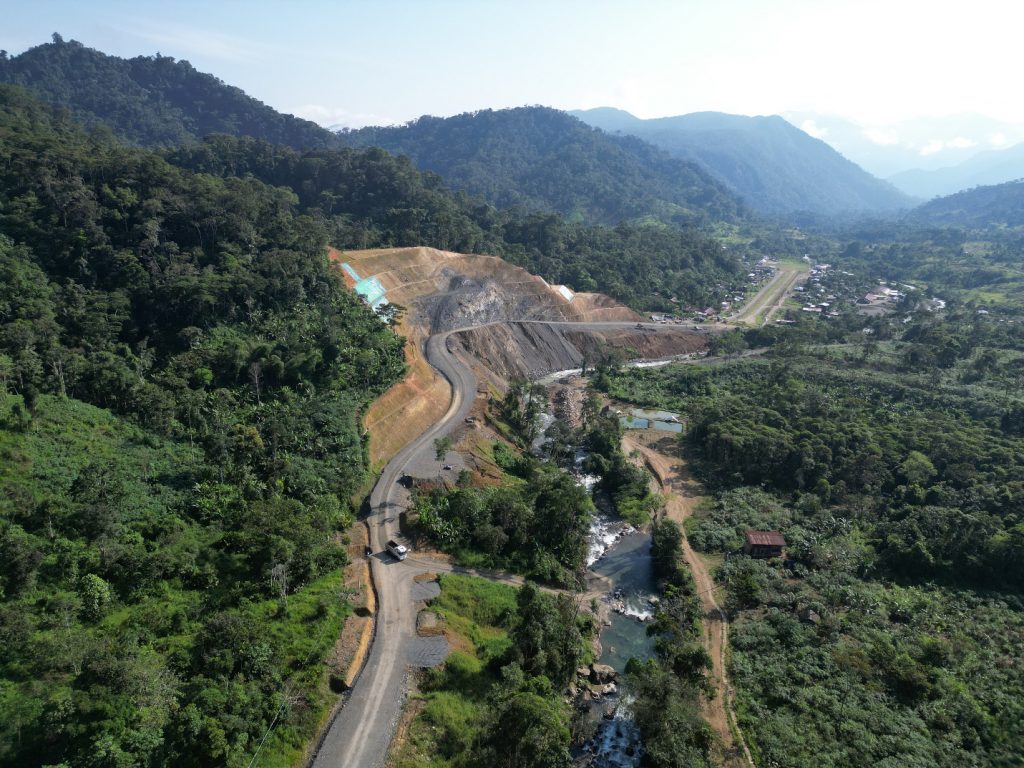
Solaris Resources (TSX:SLS) (NYSEAmerican:SLSR) has released its Consolidated Financial Statements for the years ended December 31, 2024 and 2023, along with Management’s Discussion and Analysis.
The financial statements show that Solaris ended 2024 with cash and cash equivalents of $31,738,000, down from $38,865,000 at the end of 2023. Total current assets decreased to $32,580,000 from $39,388,000 year-over-year.
The company’s total assets stood at $57,196,000 as of December 31, 2024, compared to $61,820,000 at the end of 2023. Property, plant and equipment doubled to $3,866,000 from $1,932,000, while exploration and evaluation assets increased slightly to $20,179,000 from $19,929,000.
Solaris reported a significant increase in total liabilities, which rose to $66,483,000 from $36,394,000 in 2023. Notable changes include:
- Accounts payable and accrued liabilities more than doubled to $12,839,000 from $5,274,000
- Loans and borrowings increased substantially to $49,206,000 from $29,363,000
- Reclamation provision grew to $3,765,000 from $1,529,000
In December 2023, Solaris entered into definitive agreements for a financing package of up to $80,000,000, including a $60,000,000 Senior Loan. To date, the company has received $45,000,000, with the remainder contingent upon meeting certain milestones.
The above references an opinion and is for information purposes only. It is not intended to be investment advice. Seek a licensed professional for investment advice. The author is not an insider or shareholder of any of the companies mentioned above.

Aurion Resources (TSXV:AU) and KoBold Metals have entered into an agreement to explore critical minerals in a section of Aurion’s Risti property in Finland. The deal provides KoBold Metals, a U.S.-based exploration company, with the right to earn a 75% interest in a 35-square-kilometer section of the property by investing $12 million in exploration over a five-year period. As part of the agreement, KoBold is required to commit an initial $1 million within the first 18 months.
Aurion Resources, a Canadian exploration company, will retain full rights to any gold or silver discoveries within the project area. The company will also have the ability to continue its own exploration efforts alongside KoBold during both the earn-in phase and the subsequent joint venture phase. Once KoBold fulfills the terms of the earn-in agreement, the companies will establish a joint venture, in which Aurion will hold a 25% stake. If either company’s stake in the joint venture falls below 10%, it will be converted into a 2% net smelter returns royalty.
KoBold Metals is known for its use of artificial intelligence and geoscience in mineral exploration, with backing from high-profile investors, including Bill Gates’ Breakthrough Energy Ventures. The company focuses on identifying deposits of critical minerals necessary for the global energy transition. The partnership with Aurion will allow KoBold to apply its advanced exploration technology to the Finnish property while Aurion maintains its focus on gold and silver resources.
The Risti property is located in a region known for its base metal potential, with several significant deposits nearby. These include the Kevitsa mine, which is operated by Boliden and contains nickel, copper, and platinum group elements, as well as Anglo American’s Sakatti discovery, located 12 kilometers from the Risti property. The presence of these deposits highlights the area’s mineral potential, making it an attractive location for further exploration.
The agreement is a strategic development for both companies. Aurion will benefit from KoBold’s technological expertise and financial commitment to critical minerals exploration, while KoBold gains access to a promising area in Finland with the potential for key energy transition metals. The exploration program is expected to begin in the coming months, as the companies prepare to deploy their teams to the site.
The above references an opinion and is for information purposes only. It is not intended to be investment advice. Seek a licensed professional for investment advice. The author is not an insider or shareholder of any of the companies mentioned above.

Glencore (LON:GLEN) has outlined a strategic plan to restore its annual copper production to one million tonnes by 2028, according to its newly released 2024 annual report. The company also indicated that it is exploring additional projects that could potentially double this output in the future. The diversified commodities major reported a decline in copper production last year, with total output falling to 951,600 tonnes. Despite this decrease, Glencore remains focused on expanding its copper production capacity while maintaining its recently enlarged steelmaking coal business.
As part of its growth strategy, the company is advancing a range of organic copper development projects, which could contribute an additional one million tonnes of production per year. These projects, according to the company’s assessment, have a weighted average capital intensity of approximately $15,000 to $20,000 per tonne of copper-equivalent. Glencore has stated that the progression of these projects will be dependent on market conditions, country-specific considerations, and broader investment factors. The company plans to push forward the most advanced projects toward feasibility completion and final investment decisions as part of its long-term production strategy.
The company views its current position as a critical moment in its production trajectory, with a clear pathway to recovering its previous copper output levels by 2028. Additionally, Glencore anticipates significant developments in its steelmaking coal business following the acquisition of Teck Resources’ Elk Valley Resources steelmaking coal operations in Canada last year. Earlier this year, Glencore confirmed that it would continue to retain its coal and carbon steel materials business, reinforcing its commitment to supplying critical commodities in the global market.
While the company acknowledges increased geopolitical uncertainties and their potential impact on the industry, it believes that certain commodities may face supply challenges due to the pace and scale of global mine development projects. Glencore has positioned itself to play a role in bridging potential supply gaps through its industrial and marketing business flexibility. The company’s strategy reflects a broader industry trend of securing long-term copper supplies, given the metal’s essential role in renewable energy infrastructure, electric vehicles, and various technological applications. With global demand for copper expected to rise in the coming years, Glencore’s planned production expansion aligns with market needs.
The next steps for Glencore will involve determining which copper projects are most viable for advancement, considering both economic and logistical factors. If market conditions remain favorable, the company aims to move forward with its production expansion plans while balancing its existing coal operations. By maintaining a focus on both its copper and steelmaking coal divisions, Glencore is positioning itself as a key player in the global commodities industry. The coming years will be crucial as the company works toward achieving its production goals and adapting to market dynamics.
The above references an opinion and is for information purposes only. It is not intended to be investment advice. Seek a licensed professional for investment advice. The author is not an insider or shareholder of any of the companies mentioned above.

UBS Group has revised its gold price forecast upward to $3,200 per ounce, citing rising demand for safe-haven assets amid global trade tensions and economic uncertainty. The Swiss banking giant expects this target to be met within the next four quarters, possibly as early as June.
The bank’s latest revision follows a sharp rally in gold prices, which recently surpassed the $3,000 mark—an earlier price projection that was reached sooner than many analysts had anticipated. UBS analysts attributed the metal’s strong performance to its status as a reliable store of value in times of economic and geopolitical instability.
UBS pointed to several factors underpinning the surge in gold prices. Chief among them is heightened investor uncertainty fueled by U.S. President Donald Trump’s plan to introduce broad reciprocal tariffs and additional sector-specific tariffs next month. The proposed measures have raised concerns about a further escalation in trade conflicts, prompting investors to seek refuge in gold.
Another significant factor is increased inflows into bullion-backed exchange-traded funds (ETFs). UBS noted that these investment vehicles continue to attract strong demand, reinforcing gold’s upward trajectory. Additionally, central bank purchases remain a crucial support for the market. UBS estimates that total central bank gold buying will exceed 1,000 tonnes by the end of the year, maintaining a robust trend seen in previous years.
Monetary Policy and Economic Outlook
Gold prices are also being bolstered by expectations of additional interest rate cuts by the Federal Reserve. UBS analysts observed that traders are increasingly factoring in the possibility of further monetary easing as concerns about a potential U.S. recession mount. Lower interest rates typically reduce the opportunity cost of holding non-yielding assets like gold, making it a more attractive investment.
“The worsening outlook for the U.S. economy is reinforcing gold’s appeal as a safe-haven asset,” UBS analysts wrote in a note published Monday. “With uncertainty on multiple fronts, we expect demand to remain strong in the near term.”
Broader Market Consensus on Gold’s Strength
UBS is not alone in its bullish stance on gold. Several other major financial institutions have recently raised their price targets for the precious metal. Macquarie Group projected that gold could surge to $3,500 per ounce in the second quarter of this year. Similarly, Goldman Sachs recently adjusted its 2025 gold forecast to $3,100 per ounce, reflecting growing investor interest and economic concerns.
While the timing and magnitude of future gold price movements remain uncertain, analysts widely agree that a combination of geopolitical risks, economic slowdown fears, and strong institutional demand could continue to propel prices higher.
With gold already breaching previous upside projections, all eyes are now on whether the metal can sustain its momentum and reach UBS’s revised target of $3,200 per ounce. If UBS’s forecast materializes, it would mark another large milestone in gold’s ongoing rally.
The above references an opinion and is for information purposes only. It is not intended to be investment advice. Seek a licensed professional for investment advice. The author is not an insider or shareholder of any of the companies mentioned above.
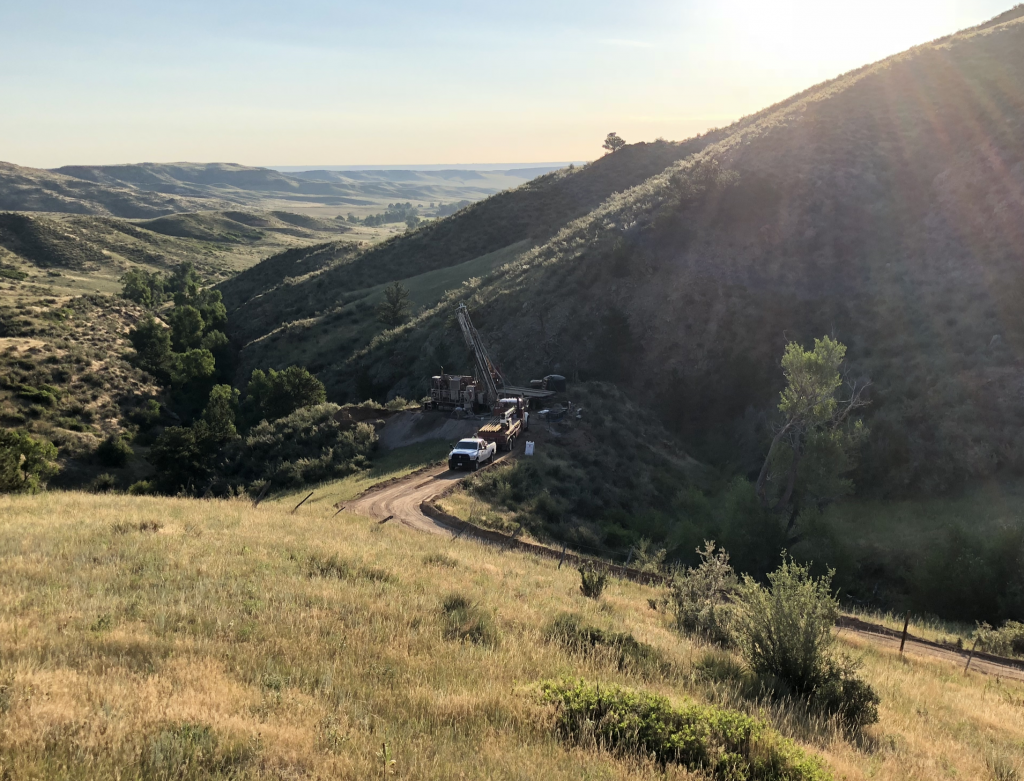
U.S. Gold Corp. (NASDAQ:USAU) has reached a major milestone for its CK Gold Project, located in southeast Wyoming. The company has obtained all the necessary permits, bringing the project closer to production. The final Air Quality Permit, issued by the Wyoming Department of Environmental Quality (DEQ) Air Quality Division, was secured on November 18, 2024. This marks the completion of permitting requirements under the Surface Gold Mine Permit granted earlier in April 2024.
With permitting finalized, U.S. Gold Corp. has shifted its focus toward advancing the project’s development. The company resumed work on an updated Prefeasibility Study (PFS) in mid-2024 and has continued conducting engineering optimization studies. These efforts are aimed at improving operational efficiency and enhancing the project’s economic viability.
Key areas of focus include:
- Tailings Management: The company is collaborating with Tierra Group International to optimize the design and construction of the tailings management facility. Adjustments in capacity and layout are being considered to potentially reduce capital expenditure.
- Water Management: A comprehensive site-wide water management and balance plan is underway. This follows the receipt of the Wyoming Pollutant Discharge Elimination System permit earlier this year, which provided the framework for the project’s water management strategy.
- Processing Technology: U.S. Gold Corp. is investigating advanced processing methods, including the use of modern flotation equipment and grinding technologies. These enhancements aim to improve metal recovery rates while reducing operating costs.
The updated PFS is expected by the end of 2024. Following its completion, the company plans to move forward with a Feasibility Study, which will provide a more detailed plan for project execution.
To support ongoing development efforts, U.S. Gold Corp. also recently announced a $10.2 million registered direct offering on November 27, 2024. The offering includes common stock and warrants, with proceeds earmarked for advancing the CK Gold Project and general corporate purposes. This funding is expected to further facilitate the completion of studies and early-stage development work.
The CK Gold Project is a flagship development for U.S. Gold Corp., with the potential to impact the company’s future operations and plan for profitability. With permits in place and an updated PFS underway, the company is positioned to transition the project from planning to execution in the coming years. Further updates on engineering progress and feasibility are expected as the company works toward production readiness.
The above references an opinion and is for information purposes only. It is not intended to be investment advice. Seek a licensed professional for investment advice. The author is not an insider or shareholder of any of the companies mentioned above.
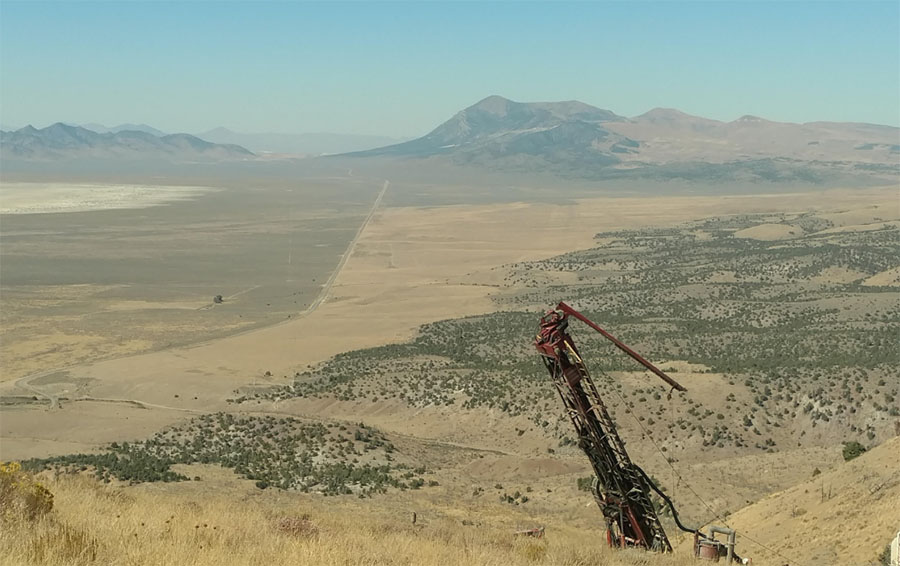
The Keystone Gold Project, managed by U.S. Gold Corp. (NASDAQ:USAU), is a large-scale gold exploration project located within the Cortez Trend in Nevada. This region is historically important for its high-yield gold production and is one of the major gold-producing areas in the United States. The project spans approximately 20 square miles and focuses on identifying potential gold deposits in an area known for its geological richness.
The Cortez Trend is part of Nevada’s larger gold-bearing region, which also includes the Carlin and Battle Mountain-Eureka trends. Together, these regions have produced more than 245 million ounces of gold over the last five decades. The Keystone project’s location within the Cortez Trend places it near the Cortez Complex, operated as a joint venture between Barrick Gold Corporation and Newmont Corporation, which has been a major contributor to Nevada’s gold output.
Exploration Efforts and Findings
Since acquiring the Keystone property, U.S. Gold Corp. has conducted a range of exploration activities aimed at identifying Carlin-type gold deposits, which are typical of this region. These activities include geological mapping, geochemical sampling, geophysical surveys, and exploratory drilling.
In 2019, the company reported results from a drilling program, which included a 76.2-meter interval containing 0.224 grams per tonne (g/t) of gold, with a more concentrated sub-interval of 25.91 meters at 0.408 g/t. While these findings indicate potential, the results remain exploratory, and further work is needed to confirm the project’s economic viability.
Recent Developments at the Keystone Project
In September 2023, U.S. Gold Corp. announced the completion of a hyperspectral study at the Keystone site. This advanced remote sensing technique allowed for the identification of multiple high-priority exploration targets by detecting near-surface hydrothermal alteration zones. These zones are often associated with gold deposits and represent areas for further investigation.
The company also secured permits to drill up to 38,200 feet (11,600 meters) across 22 proposed holes. These permits allow the company to test areas that have seen limited or no prior drilling, which could potentially reveal new information about the property’s mineral potential.
Strategic Position and Geological Significance
Keystone’s position within the Cortez Trend is noteworthy. This region is home to some of Nevada’s most productive gold mines, and the local geology is conducive to exploration. The project lies in a zone characterized by favorable stratigraphy and structural settings, both of which are important for gold deposition. However, it is important to note that while the location is promising, exploration is still in the early stages, and no significant discoveries have been confirmed to date.
Future Exploration and Challenges
U.S. Gold Corp. has indicated plans to continue its exploration activities, focusing on refining targets and drilling in areas identified by the recent hyperspectral study. The company is employing advanced techniques to improve the efficiency and accuracy of its exploration programs.
The project’s future will depend on whether these activities result in the discovery of economically viable gold deposits. Until then, the Keystone Gold Project remains a work in progress, with its success tied to both geological factors and the execution of its exploration strategy.
The Keystone Gold Project adds to the list of ongoing exploration efforts in the Cortez Trend, underscoring the continued interest in this prolific gold region. Its outcome could provide valuable insights into the region’s geology and contribute to the understanding of Nevada’s mineral potential, with U.S. Gold Corp set to unlock the value from this project at new levels for the entire area.
The above references an opinion and is for information purposes only. It is not intended to be investment advice. Seek a licensed professional for investment advice. The author is not an insider or shareholder of any of the companies mentioned above.

SolGold (TSX:SOLG) (SOLG:LON) has announced an $18 million investment from Jiangxi Copper Company Limited (JCC) on Wednesday. The deal will see the Chinese state-owned mining giant increase its stake in SolGold to 12.19%, reinforcing its involvement in one of the world’s most promising copper and gold exploration firms.
SolGold CEO Dan Vujcic commented on the deal in a press release: “As we endeavour to re-shape and streamline the SolGold investment proposition, this investment by Jiangxi, at a substantial premium to Monday’s closing price, is a powerful endorsement towards the intrinsic value embedded in SolGold. The proceeds will materially strengthen our balance sheet and support current efforts to unlock further value for shareholders.”
Vujcic emphasized the importance of having strong financial and strategic partners, saying: “SolGold is very fortunate to have multiple high-quality shareholders and financiers who are willing and able to assist the company in progressing Cascabel and its highly prospective exploration portfolio.”
Under the agreement, Jiangxi Copper, through its subsidiary Jiangxi Copper (Hong Kong) Investment Company Limited, will acquire 157,141,000 ordinary shares in SolGold. The shares are being sold at $0.115 per share, representing a 45% premium over SolGold’s closing middle-market share price on March 11, 2025. The shares involved in the transaction were originally acquired through SolGold’s 2022 acquisition of Cornerstone Capital Resources, now operating as SolGold Canada. No new shares will be issued as part of the deal, meaning SolGold’s total number of shares remains unchanged.
Jiangxi Copper’s Stake Grows to 12.19%
Prior to the transaction, Jiangxi Copper held a 6.95% stake in SolGold. With this latest investment, its ownership increases to 12.19% of the company’s total issued share capital, solidifying its position as a major shareholder. The investment is seen as a strong vote of confidence in SolGold’s long-term prospects, particularly its Cascabel copper-gold project in Ecuador.
Beyond the financial backing, Jiangxi Copper has also agreed to provide technical consulting services to SolGold for its Cascabel project. The collaboration will run through March 2027 and will involve Jiangxi offering expertise at no cost unless mutually agreed upon by both parties.
The Cascabel project, located in northern Ecuador, is widely considered one of the most promising undeveloped copper-gold deposits in the world. The site is expected to play a crucial role in meeting the increasing global demand for copper, a key component in electric vehicle production and renewable energy infrastructure.
Strengthening SolGold’s Financial Position
The $18 million investment will provide SolGold with additional liquidity as it continues to advance its exploration and development plans. The company has been working to optimize its capital structure, and the latest investment from Jiangxi Copper is expected to bolster its ability to fund ongoing operations without issuing new shares.
With SolGold facing the typical capital-intensive nature of large-scale mining projects, Jiangxi Copper’s increased stake signals long-term support from a key industry player.
Jiangxi Copper’s growing involvement in SolGold reflects a broader trend of Chinese investment in global mining assets, particularly in regions with high copper and gold potential. China has been actively seeking to secure supplies of critical minerals, and this investment aligns with its broader strategy of expanding its influence in the global resource sector.
For SolGold, having a major shareholder with deep industry expertise and financial resources may provide additional advantages in securing future funding and technical expertise. The partnership could also open doors for potential future collaborations beyond the Cascabel project.
The investment by Jiangxi Copper marks another milestone in SolGold’s journey to develop its flagship Cascabel project and advance its broader exploration portfolio. As the global demand for copper and gold remains strong, the strengthened relationship between SolGold and Jiangxi Copper could position the company for further growth in the coming years.
The above references an opinion and is for information purposes only. It is not intended to be investment advice. Seek a licensed professional for investment advice. The author is not an insider or shareholder of any of the companies mentioned above.

Global mining giant BHP (ASX:BHP) has entered into an exploration agreement with Australian-listed Cobre Limited, committing up to $25 million (approximately A$40 million) to assess the copper and silver potential of Botswana’s Kalahari Copper Belt. The agreement, announced on Monday, marks a significant investment into the region’s resource sector, targeting Cobre’s Kitlanya East and Kitlanya West copper projects.
Cobre CEO Adam Wooldridge described the agreement as a major milestone for the company, highlighting the importance of securing financial and technical support from a leading global mining firm.
“The partnership with BHP will provide us with the funding and support necessary to implement a technology-driven work programme designed to discover the Tier 1 deposits we believe may be hosted in our Kitlanya East and West projects,” Wooldridge said.
Strategic Exploration Investment
Under the terms of the earn-in agreement, BHP will finance exploration activities over multiple years in exchange for a 75% stake in the Kitlanya projects. The funding structure includes an initial commitment of $5 million within the first two years, with exploration activities scheduled to begin in April 2025. The first phase of the program has been allocated a budget of $7 million, which will be directed towards key exploratory activities such as deep diamond drilling and seismic surveys.
This investment follows Cobre’s successful participation in BHP’s 2024 Xplor programme, which previously provided funding for a seismic survey at Kitlanya West. The new agreement builds upon that collaboration, expanding the scope of exploration efforts in search of large-scale, high-grade copper and silver deposits.
Geological Potential of the Kalahari Copper Belt
The Kitlanya East and Kitlanya West projects are located along the northern and southern basin margins of the Kalahari Copper Belt, a region known for its rich sediment-hosted copper-silver mineralization. The geological setting of the area, characterized by structural folds and fault systems, provides favorable conditions for the formation of large-scale deposits.
The exploration campaign will focus on evaluating these geological structures, particularly tight, upright folds and anticline hinge zones, which are considered prime targets for high-grade mineralization. If successful, the program could significantly enhance the understanding of the region’s resource potential and lead to the discovery of Tier 1 copper-silver deposits.
Path to Discovery and Future Development
Beyond the immediate exploration investment, the agreement also includes additional financial provisions tied to key project milestones. These include further payments linked to the declaration of a maiden Joint Ore Reserve Committee (JORC)-compliant mineral resource. Additionally, BHP could receive a net smelter royalty if the project advances to commercial production.
The exploration initiative is expected to contribute to the broader understanding of the Kalahari Copper Belt’s mineral potential, a region that has drawn increasing interest from international mining firms in recent years. If successful, the discoveries made under this partnership could pave the way for future mining development, bringing economic benefits to Botswana’s mining sector.
With exploration activities set to commence in April 2025, the industry will be watching closely to see whether BHP and Cobre’s investment yields significant discoveries in one of Africa’s most prospective copper belts.
The above references an opinion and is for information purposes only. It is not intended to be investment advice. Seek a licensed professional for investment advice. The author is not an insider or shareholder of any of the companies mentioned above.

Navoi Mining & Metallurgical Co. (NMMC), one of the world’s largest gold producers, is advancing preparations for a potential initial public offering (IPO) in London, which could value the state-backed company at over £4 billion ($5.2 billion), according to sources familiar with the matter.
Rothschild & Co. has been engaged as an IPO adviser, with discussions ongoing regarding the timing and structure of the potential listing. If finalized, the IPO could take place as early as the second half of the year. However, sources caution that deliberations are still in their early stages, and plans could change or be delayed.
NMMC, commonly known for its operations at the Muruntau mine—one of the world’s largest open-pit gold mines—has already established a presence in London’s financial market. Last year, the company raised $1 billion through bond sales on the London Stock Exchange. Banks involved in that bond issuance, including Citigroup Inc. and JPMorgan Chase & Co., are considered likely candidates for roles in the IPO, sources indicated.
Uzbekistan’s Privatization Efforts
The potential listing aligns with Uzbekistan’s broader economic strategy to privatize key state assets. The Central Asian nation has been taking steps to open its economy to foreign investment, and NMMC’s IPO would mark one of the largest privatization moves to date.
The Uzbek government, which has been gradually reducing its control over major industries, has previously signaled its intention to attract international investors to its mining sector. Gold production is a cornerstone of Uzbekistan’s economy, with NMMC alone contributing nearly one-fifth of the country’s state budget revenue, according to company data.
Impact on London’s Struggling IPO Market
For London’s financial sector, the listing of NMMC would be a significant development. The UK has historically been a favored destination for mining firms seeking public investment, but in recent years, persistently low valuations have prompted some major companies, including commodities giant Glencore, to reconsider their primary listings in London.
So far this year, London’s IPO market has raised just $76 million, making a major offering such as NMMC’s particularly noteworthy. If the listing proceeds as planned, it could provide a much-needed boost to the exchange and attract further interest from international investors.
NMMC’s Operations
NMMC operates 12 major mining sites and nine processing facilities across Uzbekistan, employing over 47,000 people. The company produced 2.9 million ounces of gold in 2023 and holds a total mineral resource base of 148 million ounces, according to its website.
The Muruntau mine, NMMC’s flagship operation, is one of the largest open-pit gold mines in the world, playing a crucial role in Uzbekistan’s mining sector. The company’s output is a key contributor to the country’s overall economic stability and export revenue.
While an NMMC IPO would be a landmark event, uncertainties remain regarding the valuation, investor appetite, and regulatory considerations. Market conditions, geopolitical factors, and gold price fluctuations could influence the timing and success of the offering.
As discussions continue, market analysts and investors will closely watch for official announcements regarding the listing. If successful, NMMC’s move to the London Stock Exchange would be a major milestone in Uzbekistan’s privatization efforts and a potential revival for London’s IPO market.
The above references an opinion and is for information purposes only. It is not intended to be investment advice. Seek a licensed professional for investment advice. The author is not an insider or shareholder of any of the companies mentioned above.

Canada has announced the extension of its mineral exploration tax credit for an additional two years to March 31, 2027, as part of ongoing efforts to support investment in the mining sector. The tax credit, which was set to expire on March 31, provides a 15% tax incentive to investors who purchase flow-through shares of smaller mining companies. The decision is aimed at helping mining firms, particularly junior exploration companies, secure funding for projects at a time when the industry faces global trade challenges.
The extension, which was officially announced at the annual Prospectors and Developers Association of Canada (PDAC) conference in Toronto, is expected to provide an estimated C$110 million to support mineral exploration investment. The PDAC conference is one of the world’s largest gatherings for mining companies and investors. The Canadian government sees the tax credit as an essential tool in maintaining the country’s competitiveness in mineral exploration, particularly in securing sources of critical minerals necessary for industries such as electric vehicle production and clean energy.
A key motivation for the extension is Canada’s broader strategy to reduce reliance on Chinese investment in the mining sector. The government has adopted a firm stance against Chinese state-owned enterprises acquiring stakes in Canadian mining companies. In recent years, Canada has ordered at least five companies to divest from Chinese investors, citing national security concerns and the need to safeguard domestic supply chains for critical minerals. By extending the tax credit, the government aims to offer mining companies an alternative source of capital, reducing their dependence on foreign investments that could pose strategic risks.
The mining industry is also closely watching geopolitical developments that could impact trade. In North America, uncertainty is growing over potential economic policies under former US President Donald Trump, who has suggested he may impose a 25% tariff on most Canadian goods if re-elected. The possibility of such tariffs has raised concerns about the potential impact on Canada’s mining sector, which exports significant amounts of minerals and metals to the United States.
Another key concern for miners is China’s tightening restrictions on the export of certain critical minerals, including germanium and gallium, which are essential for various high-tech applications. In response, Canada has positioned itself as a secure and reliable supplier of these materials to the United States. Canadian officials have proposed a partnership with Washington to ensure a stable supply of critical minerals, reinforcing trade ties between the two countries.
As part of its broader trade strategy, Canada has also prepared retaliatory measures should the United States impose tariffs on Canadian goods. While initial countermeasures may not include an export tax on metals, Canadian officials have indicated that commodities such as zinc, copper, and nickel could be subject to future trade actions. The government is keeping all options open in order to protect domestic industries and maintain stability in the mineral supply chain.
The mining sector remains a major component of Canada’s economy, particularly in regions rich in mineral resources. The extension of the mineral exploration tax credit is expected to provide continued support for junior exploration companies, enabling them to raise capital and advance projects that could contribute to future supply chains.
The above references an opinion and is for information purposes only. It is not intended to be investment advice. Seek a licensed professional for investment advice. The author is not an insider or shareholder of any of the companies mentioned above.

Santiago-based miner SQM, the world’s second-largest lithium producer, is scaling back its capital expenditures for 2025 in response to prolonged weakness in lithium prices. The company plans to invest $1.1 billion across its operations, a reduction from the $1.6 billion allocated last year.
Of the planned investments, $550 million will be directed toward lithium operations in Chile, while $350 million will be used for the company’s iodine and plant nutrition business. The remaining $350 million will go toward international lithium projects. In 2024, SQM spent approximately $1.3 billion on expansion projects across its business segments.
The decision comes during a sharp decline in earnings. SQM reported a 41% drop in fourth-quarter 2024 profits, falling to $120 million from $206 million in the same period a year earlier. Revenues from lithium and derivatives totaled $2.2 billion for the year, a significant decline of 56.7% compared to the $5.2 billion recorded in 2023. Fourth-quarter lithium revenues alone dropped nearly 33% to $532 million, down from $792 million in the fourth quarter of 2023.
Despite these financial setbacks, SQM sees reasons for optimism. The company reported a 25% increase in lithium market demand in 2024 and expects global demand to grow by approximately 17% in 2025, driven by the electric vehicle (EV) industry and increased adoption of battery energy storage systems. SQM projects a 15% rise in lithium sales this year, including an estimated 10,000 tonnes of lithium carbonate equivalent (LCE) from the Mt. Holland operation in Australia. The Kwinana refinery, also in Australia, remains on track to begin operations by mid-2025.
Although the company expects sales volume to increase, it anticipates lower average realized lithium prices in 2025. Prices in the first quarter are projected to be slightly below those recorded in the final quarter of 2024. The lithium industry has faced a prolonged downturn, largely due to weaker-than-expected EV demand. In response, several lithium producers have adjusted their strategies, reducing spending and scaling back operations to protect margins. Sibanye-Stillwater, a mining company with operations in the United States and South Africa, recently announced that it would not proceed with its Rhyolite Ridge lithium-boron project in Nevada, reflecting broader industry caution.
While SQM maintains a measured approach in response to market conditions, the company has said it remains confident in long-term lithium demand growth. Industry observers will continue to monitor pricing trends and production strategies as the lithium sector navigates challenges.
The above references an opinion and is for information purposes only. It is not intended to be investment advice. Seek a licensed professional for investment advice. The author is not an insider or shareholder of any of the companies mentioned above.

The copper industry is facing an unprecedented challenge as global demand for the metal continues to rise, driven by the transition to renewable energy, electric vehicles (EVs), artificial intelligence (AI), and expanding digital infrastructure. According to industry estimates, the sector will need to invest $2.1 trillion over the next 25 years to bridge the gap between supply and demand.
By 2050, global copper demand is projected to grow by 70%, reaching 50 million tonnes per year. This surge is largely fueled by the world’s decarbonization goals and the increasing role of copper in emerging technologies. The energy transition sector alone is expected to account for 23% of copper demand by 2050, up from 7% today. Similarly, the digital sector, which includes data centers, 5G networks, and AI, is forecast to expand its copper demand share from 1% to 6%.
Transportation will also play a significant role in copper consumption growth, with demand from the sector expected to rise from 11% in 2021 to 20% by 2040. This increase is primarily linked to the accelerating shift towards electric vehicles, which require significantly more copper than traditional internal combustion engine vehicles.
Declining Mine Grades and Supply Challenges
On the supply side, copper mining is becoming increasingly challenging due to declining ore grades. The average copper mine grade has dropped by about 40% since 1991, and between one-third and one-half of the global copper supply is expected to experience grade decline and aging infrastructure challenges over the next decade.
BHP, the world’s largest mining company, has projected that addressing these supply constraints will require a substantial investment of $250 billion. Other industry reports confirm that the current pace of metals supply growth is insufficient to meet the rising demand. BloomberNEF’s annual Transition Metals Outlook highlights that supply deficits could emerge as early as this year for critical metals, including copper, aluminum, and lithium.
China’s Economic Influence on the Copper Market
As the world’s largest consumer of copper, China’s economic policies and consumption patterns have significant implications for the global copper market. In September, China announced its largest economic stimulus package since the pandemic, valued at over $325 billion. The measures, aimed at reviving growth amid a property crisis and deflationary pressures, include a $71 billion stock market stabilization program and reductions in bank reserve requirements.
The impact of these policies on copper demand remains uncertain. In 2023, China’s copper consumption surged by 13% year-over-year, but growth slowed to just 3% in the first eight months of 2024. However, China has now entered a phase of overconsumption, driven by massive investments in renewable energy and electric vehicles. Analysts caution that this could lead to stockpiling, which may put downward pressure on global copper prices.
Despite these concerns, the Bank of America has projected that copper prices will reach $10,750 per tonne ($4.87 per pound) in 2025, citing strong demand fundamentals and constrained supply. In May 2024, copper hit an all-time high of $5.20 per pound due to a supply squeeze.
Supply Deficits and Production Constraints
Chile, the world’s largest copper producer, is forecasting sustained high copper prices over the next decade. The Chilean Copper Commission (Cochilco) expects copper prices to remain above $4 per pound in 2025 and 2026, with demand anticipated to rise 3.2% this year to 27.4 million tonnes. Supply, however, is projected to lag at 27.3 million tonnes, creating a deficit of 118,000 tonnes.
Chile’s copper output has struggled in recent years. The country produced 5.3 million tonnes of mined copper in 2024, but future production estimates have been revised downward. Cochilco recently reduced its 2034 supply forecast from 6.43 million tonnes to 5.4 million tonnes, a reduction nearly equivalent to the annual output of the world’s largest copper mine, Escondida.
Copper’s Role in Clean Energy and Infrastructure
The shift to renewable energy and electrification is a primary driver of copper demand. According to the International Energy Agency (IEA), global copper consumption is expected to rise from 25.9 million tonnes in 2023 to 32.6 million tonnes by 2035, representing a 26% increase.
Clean energy technologies are expected to account for a significant portion of this demand growth. Copper usage in solar panels is projected to increase by 43%, while demand from wind power generation is set to rise by 38%. The largest growth area, however, is expected to be grid battery storage, where copper demand is forecast to surge by 557% by 2035 as energy storage capacity expands.
The expansion of AI-related infrastructure is also expected to drive copper consumption. Data centers, which require large amounts of electricity and copper-intensive wiring, are projected to see electricity demand increase by up to ten times by 2030. AI processing is significantly more energy-intensive than traditional computing, further fueling demand for copper in the power grid.
Barriers to Increasing Copper Supply
Despite the increasing demand, the mining industry faces significant obstacles in ramping up copper production. Research from the University of Michigan and Cornell University has found that the copper needed for a full transition to electric vehicles and renewable energy may be impossible for mining companies to produce at the necessary scale.
Building new copper mines is a lengthy and costly process. It can take 30 years for a copper mine to go from discovery to production in North America, and even in more mining-friendly jurisdictions, permitting delays and regulatory challenges slow development.
Supply chain risks further complicate the outlook. Chile and Peru, the top two copper-producing nations, face labor strikes, declining ore grades, and political instability. Meanwhile, the Democratic Republic of Congo (DRC), Africa’s largest copper producer, continues to struggle with infrastructure challenges, power shortages, and security concerns.
Resource Nationalism and Geopolitical Risks
The copper industry is also grappling with the rise of resource nationalism, where governments seek greater control over their natural resources. In 2023, Panama ordered the closure of First Quantum Minerals’ Cobre Panama mine, removing 350,000 tonnes of copper from the global supply. In Peru, protests and strikes at key mining operations, including the Las Bambas copper mine, threatened to disrupt significant production.
Geopolitical risks extend beyond mining jurisdictions. In the United States, former President Donald Trump initiated an investigation into potential copper tariffs, which could reshape global supply chains. While some analysts expect minimal impact, the uncertainty surrounding trade policies adds another layer of complexity to the copper market.
Investment Needs and the Future of Copper
To meet the increasing demand, the industry must significantly boost investments in new mining projects, exploration, and processing capacity. However, capital spending in the copper sector has remained subdued. After peaking at $26.13 billion in 2013, investment in copper mining development nearly halved, reaching just $14.42 billion in 2022.
Despite these challenges, analysts and market observers believe copper is entering a new supercycle, driven by the global energy transition. Unlike the previous commodity supercycle, which was fueled by China’s industrialization, this cycle is centered on the need for renewable energy, electrification, and digital infrastructure.
The next decade will be crucial in determining whether supply can keep pace with soaring demand. With supply deficits looming, investment in copper production and alternative solutions such as recycling will be essential to prevent shortages that could hinder global economic growth and climate goals.
The above references an opinion and is for information purposes only. It is not intended to be investment advice. Seek a licensed professional for investment advice. The author is not an insider or shareholder of any of the companies mentioned above.
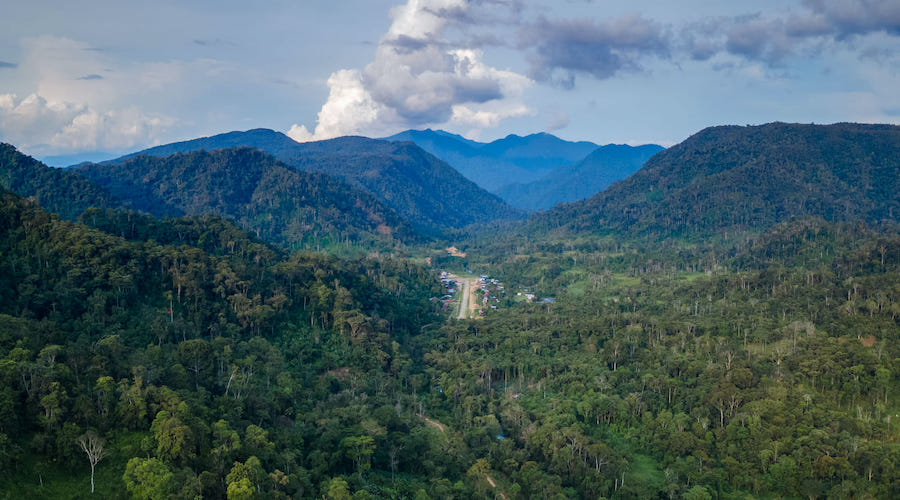
Solaris Resources (TSX:SLS)(NYSEAmerican:SLSR) has announced the formation of an Inter-Institutional working group. This group includes the Pueblo Shuar Arutam organization (PSHA), the host communities of Warints and Yawi, and the Ecuadorian State. The PSHA and its Governing Council have approved and signed a Letter of Intent (LOI) with Solaris.
Matthew Rowlinson, President and CEO commented in a press release: “At Solaris Resources, we believe that sustainable mining is not just an economic endeavour; it is a journey that must include the insights and values of every stakeholder involved, especially our indigenous populations. Their lived experiences and deep connection to the land are vital to shaping responsible mining practices that respect both our natural environment and cultural heritage. As we move forward, its vital we embrace an open dialogue and partnership rooted in trust, understanding, and mutual respect. Together, we continue to create a model for mining that not only drives economic growth but also uplifts our communities and preserves the rich tapestry of the Ecuadorian culture. Thanks to the Pueblo Shuar Arutam organization, and all other stakeholders, for their trust and support as we look to sustainably deliver this Tier 1 asset. This project is for Ecuador, by Ecuador and for the benefit of all stakeholders today, and the generations to come.”
The signing of the LOI occurred on February 5, 2025, at the Yawi Shuar Center. This ratification followed a resolution by the PSHA on January 18, 2025, to form the working group. The PSHA, an indigenous organization in Morona Santiago, operates outside of Solaris’ direct area of influence.
This development builds upon existing agreements between Solaris and the Shuar communities of Warints and Yawi. These communities have an Impacts and Benefits Agreement (IBA) with Solaris. The IBA was initially signed in September 2020, updated in March 2022, and again in April 2024. Solaris also has a trilateral cooperation agreement with the Interprovincial Federation of Shuar Centers (FICSH) and the Alliance for Entrepreneurship and Innovation of Ecuador (AEI).
The Inter-Institutional working group and the LOI aim to facilitate transparent dialogue and workshops. These discussions intend to lead to a future Cooperation Agreement, with the consent of the communities involved.
The PSHA, located in southeast Morona Santiago, comprises nearly ten thousand people organized into 47 Shuar centers.
The existing IBA with Warints and Yawi covers the Warintza Project. It aims to provide community support for the project’s progression from exploration and development to production. The IBA includes commitments to support the communities’ social and cultural practices, mitigate adverse impacts, and provide employment, contracting, and business opportunities. It also includes education, skills training, community infrastructure development, and financial benefits.
The trilateral cooperation agreement with FICSH and AEI, announced in March 2024, aims to promote economic and social development for Shuar communities. This includes health, education, skills training, entrepreneurship, innovation, and sustainable mineral resource development programs. FICSH includes 50 associations, 500 Shuar communities, and approximately 143,000 Shuar indigenous people.
In addition to the LOI, Solaris has concluded its infill drilling program at Warintza. The program included over 75,000 meters of drilling in 2024 and an additional 5,000 meters in early 2025, totaling over 80,000 meters. The primary goal of the drilling was to convert Inferred mineral resources to Measured and Indicated, and to expand uncategorized areas within the pit shell.
The data from this drilling program will form the basis for an updated Mineral Resource Estimate (MRE), expected to be published in mid-2025. This MRE will then be incorporated into the Pre-Feasibility Study (PFS), scheduled for release in Q3 2025.
The above references an opinion and is for information purposes only. It is not intended to be investment advice. Seek a licensed professional for investment advice. The author is not an insider or shareholder of any of the companies mentioned above.

Lucara Diamond saw a surge in both diamond production and revenue in 2024, setting new records at its Karowe mine in Botswana. The Canadian miner increased its processed ore to 2.9 million tonnes, up from 2.8 million tonnes in the previous year, and recovered an unprecedented number of large diamonds, leading to a 15.7% jump in its stock price.
The company reported the recovery of 807 diamonds larger than 10.8 carats, known as specials, compared to 602 in 2023. These larger stones made up 7.6% of the total recovered carats, an increase from 5.3% the previous year. Among the most significant recoveries were the 2,488-carat Motswedi diamond, the largest found in over a century, and the 1,094-carat Seriti diamond.
Lucara’s shares reached 44 cents at midday trading in Toronto, giving the company a market capitalization of $197 million. The stock has fluctuated within a 52-week range of 28 to 63 cents.
Major Diamond Discoveries
Lucara’s Karowe mine continued to yield some of the world’s largest diamonds. The Motswedi diamond, recovered in August, is the largest unearthed in over 100 years. Named after the Setswana word for “water spring” the stone symbolizes the resurgence of underground water. The Seriti diamond, recovered in September, translates to “aura” or “presence” reflecting cultural heritage and identity.
The trend of large diamond discoveries continued into 2025, with the recovery of a 1,476-carat non-gem diamond in January. These findings further solidify Karowe’s reputation as one of the world’s most productive sources of large, high-value diamonds.
Revenue Growth and Sales Performance
Lucara sold 399,215 carats in 2024, generating $203.9 million in revenue an 18% increase from $172.4 million in the previous year. The company attributed this growth to the continued recovery of large diamonds and stable production levels at Karowe.
Since its inception, the mine has produced several record-breaking diamonds, including the 1,758-carat Sewelõ in 2019, the 1,109-carat Lesedi La Rona in 2015, and the 813-carat Constellation in 2015. Karowe has also been the source of Botswana’s largest fancy pink diamond, the Boitumelo.
Karowe Underground Expansion
Lucara is progressing with an underground expansion at Karowe, with shaft sinking marking a key milestone in the project. The expansion is expected to extend the mine’s life and contribute to future production growth, with commercial operations slated to begin in early 2028.
Karowe remains one of the highest-margin diamond mines globally, producing an average of 300,000 high-value carats annually. With ongoing discoveries and expansion efforts, Lucara continues to strengthen its position in the global diamond industry.
The above references an opinion and is for information purposes only. It is not intended to be investment advice. Seek a licensed professional for investment advice. The author is not an insider or shareholder of any of the companies mentioned above.
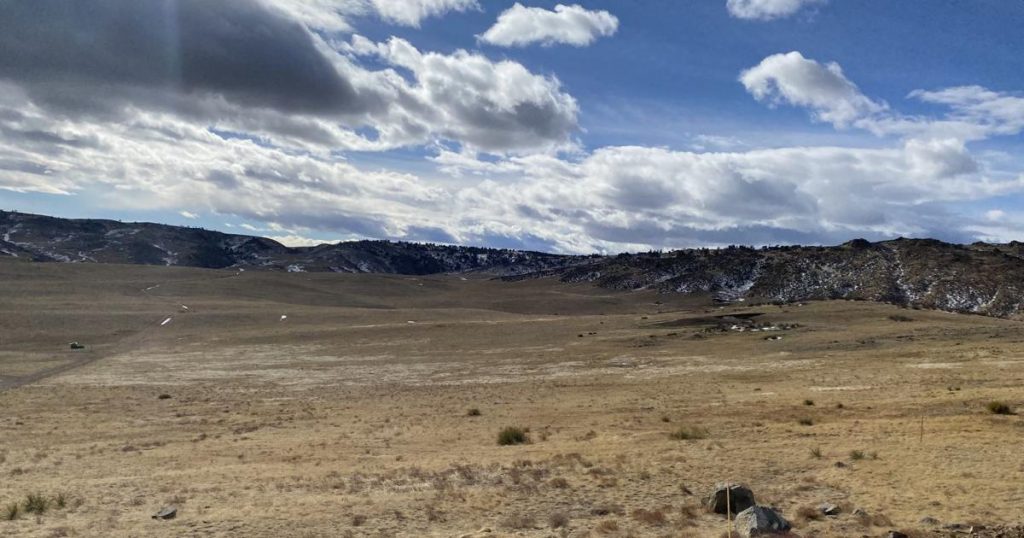
U.S. Gold Corp. (NASDAQ:USAU) continues to make progress in securing the necessary permits for its CK Gold Project in Wyoming. This project, which is looking to transition from exploration to production, involves navigating a complex regulatory framework to meet state and federal requirements. The company’s efforts have shown a methodical approach to compliance and environmental stewardship, with milestones achieved in several critical areas.
Industrial Siting Permit Secured
One of the key permits obtained by U.S. Gold Corp. is the Industrial Siting Permit, granted by the Wyoming Department of Environmental Quality’s Industrial Siting Division on June 20, 2023. This permit is mandatory for projects with projected construction and capital costs exceeding $253.9 million. It authorizes the construction and operation of the proposed CK Gold Project mine, marking a significant step forward for the company.
The Industrial Siting Permit ensures that large-scale industrial projects meet state requirements related to environmental impact, infrastructure, and local community engagement. U.S. Gold Corp.’s successful acquisition of this permit underscores its commitment to regulatory compliance.
Mine Operating Permit and Conditions
On April 29, 2024, U.S. Gold Corp. secured another important approval: the Surface Gold Mine Permit. This permit, issued by the Wyoming Department of Environmental Quality, allows for the commencement of mining operations under specific conditions. These conditions include:
- Approval of a reclamation performance bond of $5,010,000.
- Obtaining the Wyoming Pollutant Discharge Elimination System (WYPDES) permits for various discharge points.
- Securing permits from the Air Quality Division of the Wyoming Department of Environmental Quality.
The reclamation performance bond ensures that financial resources are set aside to restore the mining site to its natural state after operations cease. The conditions tied to the Surface Gold Mine Permit reflect a robust framework for protecting the environment while facilitating economic development.
Progress on Permit Conditions
By June 2024, U.S. Gold Corp. reported fulfilling two of the three conditions associated with the Mine Operating Permit. First, the reclamation bond was formally accepted by the Wyoming Department of Environmental Quality. Second, the company obtained the WYPDES permit, enabling it to manage water discharge in accordance with state regulations.
These developments signal progress toward meeting all regulatory requirements, moving the CK Gold Project closer to operational readiness. The remaining condition—the Air Quality Division permits—requires further review and technical work.
Air Quality Permitting
The Air Quality Division permits represent the final hurdle for the Surface Gold Mine Permit. As of September 2024, U.S. Gold Corp. has completed the necessary technical work, and the permitting process is under review. Company officials anticipate receiving approval soon, which will complete the primary regulatory steps required for mining operations to begin.
Engineering Optimization and Compliance
While navigating the regulatory process, U.S. Gold Corp. has undertaken engineering optimization studies to improve the project’s design and economic feasibility. These studies aim to align the project’s operational plans with regulatory commitments and industry best practices. Key areas of focus include:
- Tailings Management Facility Optimization: Efforts to improve design, accessibility, and operability for the facility that handles waste materials from mining activities.
- Water Management Planning: Comprehensive evaluation of water usage and discharge to ensure compliance with WYPDES requirements.
The company’s proactive approach in refining the project’s engineering design highlights its intent to operate efficiently while adhering to environmental standards.
Pre-Feasibility Study Updates
In parallel with permitting and engineering activities, U.S. Gold Corp. plans to update the Prefeasibility Study for the CK Gold Project. This update will incorporate changes related to permit conditions and engineering optimizations. The revised study aims to provide a more accurate assessment of the project’s feasibility, costs, and economic potential, offering stakeholders a clearer picture of its viability.
With the expected approval of the Air Quality Division permits and the completion of the updated Prefeasibility Study, U.S. Gold Corp. is well-positioned to move forward with the next phases of project development. By maintaining a focus on environmental compliance and operational efficiency, the company will be aiming to demonstrate its readiness to meet the challenges of mining in a regulated environment.
The above references an opinion and is for information purposes only. It is not intended to be investment advice. Seek a licensed professional for investment advice. The author is not an insider or shareholder of any of the companies mentioned above.
If you would like to receive our free newsletter via email, simply enter your email address below & click subscribe.
 Follow us on Twitter
 Become our facebook fan
CONNECT WITH US
Tweets
Tweet with hash tag #miningfeeds or @miningfeeds and your tweets will be displayed across this site.
MOST ACTIVE MINING STOCKS
Daily Gainers
 CMC Metals Ltd. CMC Metals Ltd. |
CMB.V | +900.00% |
 Eden Energy Ltd Eden Energy Ltd |
EDE.AX | +200.00% |
| GoviEx Uranium Inc. |
GXU.V | +42.86% |
| Eagle Nickel Ltd. |
ENL.AX | +41.67% |
| Citigold Corp. Limited |
CTO.AX | +33.33% |
| Mount Burgess Mining NL |
MTB.AX | +33.33% |
| Exalt Resources Limited |
ERD.AX | +31.94% |
| Casa Minerals Inc. |
CASA.V | +30.00% |
| Cariboo Rose Resources Ltd |
CRB.V | +28.57% |
| Belmont Resources Inc. |
BEA.V | +28.57% |