



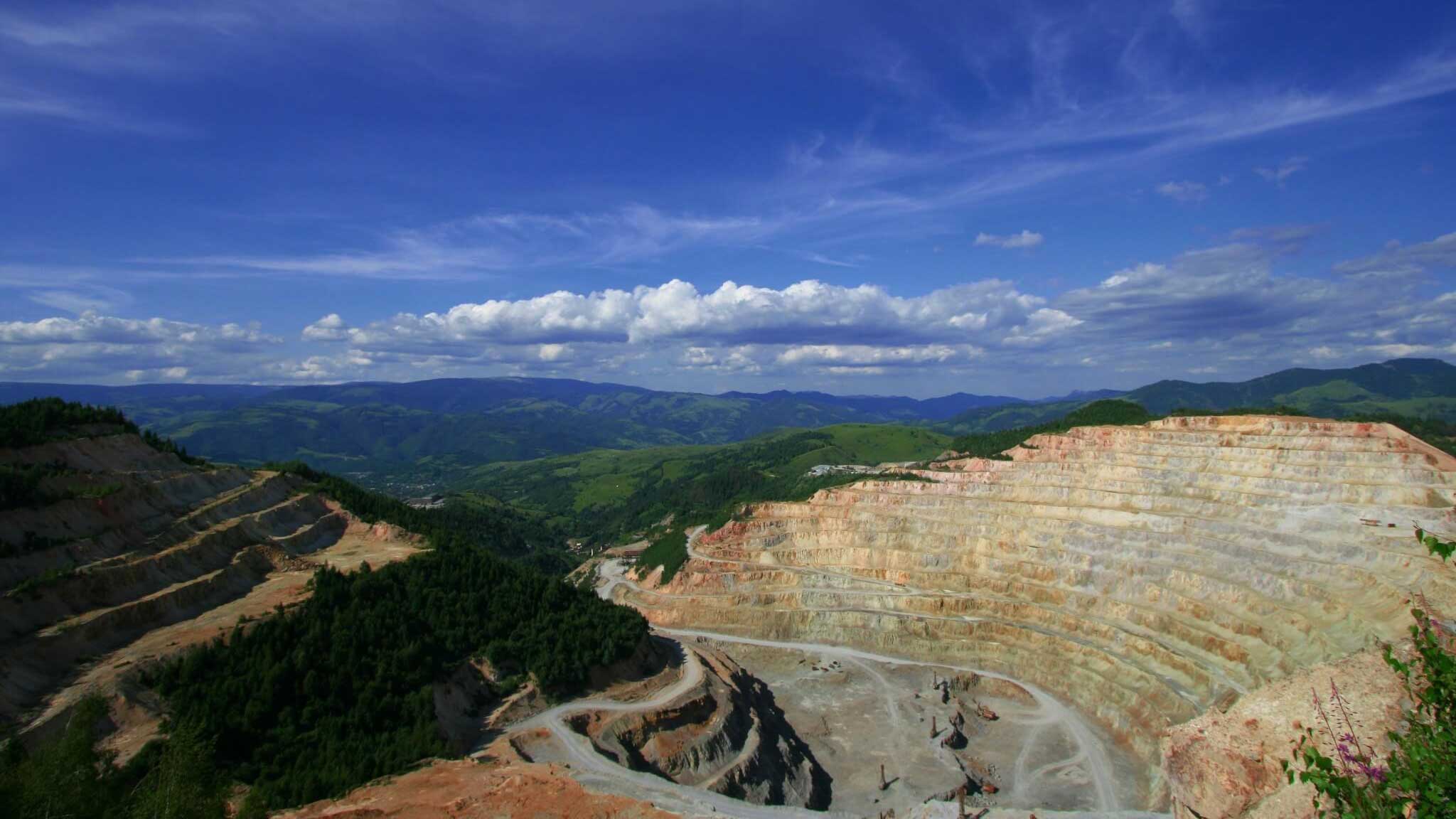
Image source: https://pixabay.com/photos/mine-mining-mining-site-site-old-481754/
Ecuador’s National Assembly has approved mining reforms proposed by President Daniel Noboa aimed at increasing investment in the sector. The legislation passed with 77 votes in favour, 70 against, and four abstentions.
The changes include a revised system for environmental approvals, with the environmental license process being replaced by a more extensive authorization model that allows three types of approval based on project risk: a full license, an environmental registry, or an environmental certificate. The latter two are intended for lower-impact activities, while large-scale projects remain subject to full review.
Measures Target Permitting and Illegal Mining
The reforms also include provisions related to illegal mining, with plans to establish designated areas where security forces will be deployed in response to criminal activity linked to unauthorized operations. Government officials have identified roughly 400 illegal mining sites across the country.
In addition, the legislation includes steps to formalize small-scale and artisanal mining activity within a regulated system.
Mining Sector Remains Limited in Scale
Large-scale mining in Ecuador remains limited, with two major mines, the Fruta del Norte gold mine and the Mirador copper mine, in production since 2019.
The number of operating mines reflects the sector’s early stage, with additional projects, including Solaris Resources’ (TSX:SLS) Warintza project, moving through development.
Solaris Resources Continues Advancing Warintza
One of Ecuador’s most promising mining opportunities is Solaris Resources’ Warintza tier-1 copper project in the country’s southeast.
The project has a reported mineral reserve of 1.3 billion tonnes grading 0.41% copper equivalent, including copper, molybdenum, gold, and silver. The reserve supports an initial mine life of 22 years, with additional resource material outside the reserve.
Its average annual production is projected at more than 300,000 tonnes of copper equivalent during the first five years and more than 240,000 tonnes over the first 15 years, with by-product production expected to include molybdenum, gold, and silver.
The recently approved reforms introduce a revised environmental authorization system that establishes a clearer, more structured permitting framework for mining projects, including large-scale developments such as Warintza, intended to support investment in the sector and reduce administrative delays.
Development Continues Under Revised Mining Rules
The approval of the reforms marks a shift in Ecuador’s regulatory approach to mining, with the updated framework introducing revised processes for project approvals.
For Solaris Resources and other mining companies operating in the country, work on existing projects continues alongside these changes, progressing through technical studies, permitting steps, and engagement with local communities.
 Follow us on Twitter
 Become our facebook fan






Comments are closed.