



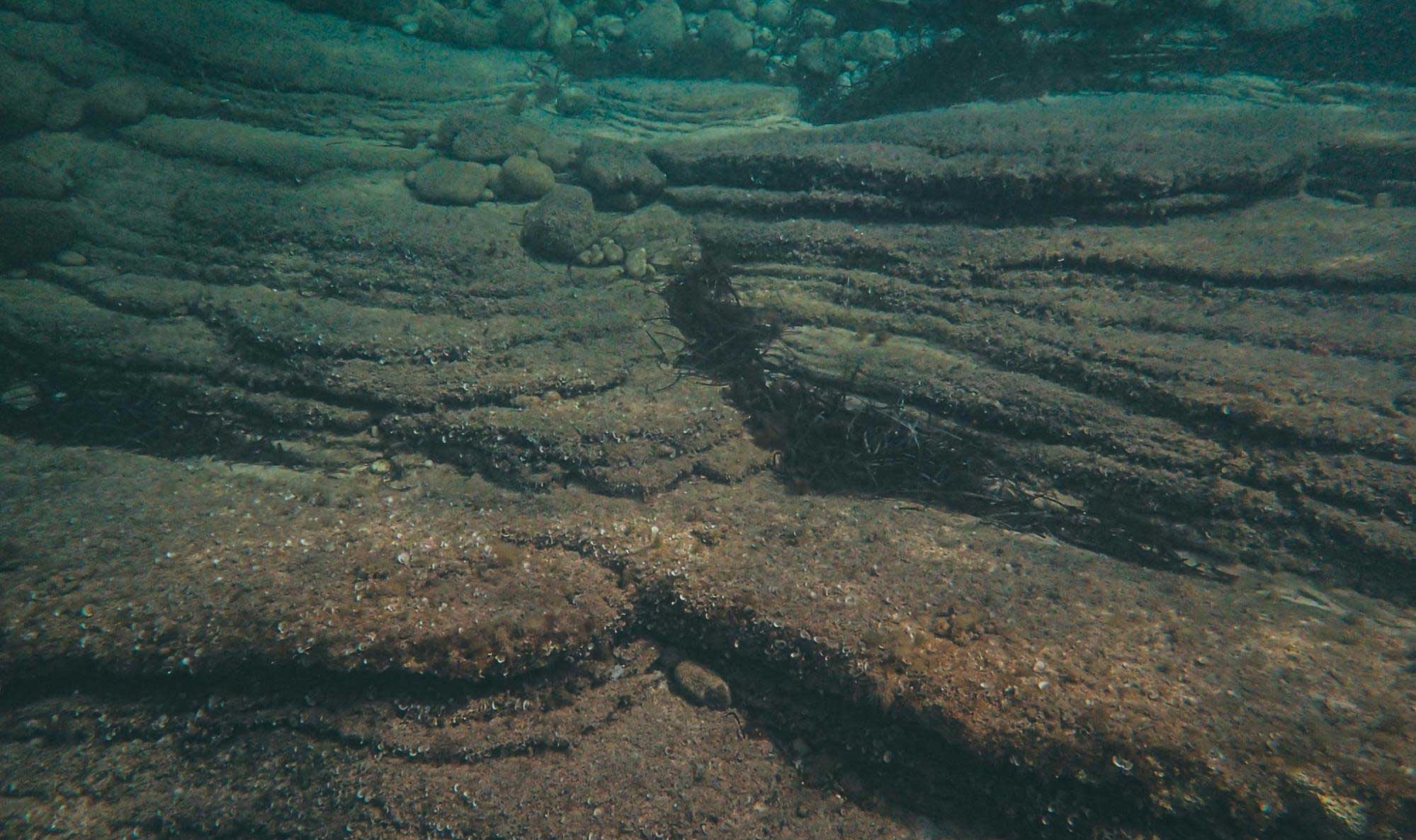
Image source: https://www.pexels.com/photo/rocks-underwater-8935834/
Plans are advancing for a new mineral treatment facility in the United States that would process material collected from the Pacific Ocean seabed, including nickel, manganese, copper, and other critical minerals. Glomar Minerals is working with Cobalt Blue Holdings to advance the project, aiming to determine a final site decision in the first half of 2026.
The proposed plant is intended to process polymetallic nodules containing a mix of metals that are widely used in manufacturing and defence applications. Early design capacity is set at about 200,000 tonnes per year, with additional output over time.
Development costs for the project are expected to be under $500 million.
Timeline Linked to Political Window
The companies have set an ambitious schedule that would see the facility commissioned before the end of the current US presidential term in 2029 under Donald Trump. Achieving that goal will depend on securing capital, completing permitting, and moving through construction without major delays.
While neither partner has confirmed financial backing, the timing suggests the developers are positioning the project to align with current policy priorities on domestic mineral processing.
Nodule Processing Yet to Be Proven at Scale
A major unknown in the deep-sea mining sector has been how to economically treat nodules once they are brought to the surface. Cobalt Blue Holdings plans to deploy its separation technology, designed to extract several metals from a single feedstock stream.
Commercial-scale refining of these materials has yet to be demonstrated anywhere. If successful, the plant would mark a significant technical milestone and could encourage further investment in offshore resource development.
Regulatory Questions Still Unresolved
Global rules governing seabed extraction are still under discussion at the International Seabed Authority, which has yet to finalize a framework for commercial operations. At the same time, recent US policy moves, including efforts to accelerate permitting for deep-sea mining projects, suggest a willingness to move forward independently. This split creates some uncertainty for projects in international waters.
Resource Access Expanding in the Pacific
Beyond refining, Glomar Minerals holds exploration ground in the Clarion-Clipperton Zone of the Pacific Ocean, a region known for high concentrations of mineral-rich nodules. The company has indicated it is reviewing options to grow its holdings, though details have not been disclosed.
Demand for critical minerals such as nickel, manganese and copper is expected to rise, with the US seeking additional sources of supply. The development of deep-sea mining will depend on advances in processing technology, project financing, and regulatory decisions.
 Follow us on Twitter
 Become our facebook fan







Comments are closed.