Orosur Mining (TSXV:AIM) has released an update on the progress of its flagship Anzá Project in Colombia. This announcement follows the company’s acquisition of 100% ownership of the project through a Share Purchase Agreement (SPA) finalized in late November 2024.
The Anzá Project is located approximately 50 kilometers west of Medellín. The site benefits from year-round accessibility via all-weather roads and has strong infrastructure support, including access to water, electricity, communications, and a large exploration camp.
Acquisition Completion
The November 28 SPA saw Orosur Mining Inc. acquire the shares of its former joint venture partner, Minera Monte Aguila (MMA). This agreement solidified the company’s full control over the Anzá Project and its associated prospects, including the Pepas Prospect, where recent exploration has been focused.
Pepas Prospect Drilling Activities
Located over 10 kilometers north of the project’s central base at APTA, the Pepas Prospect has been a significant focus of exploration. Drilling resumed in mid-November 2024, immediately before the MMA acquisition was finalized. Initial drilling efforts aimed to build upon high-grade results from 2022, when MMA had drilled holes PEP001, PEP005, and PEP007.
The current drilling program began with hole PEP012, positioned to confirm these earlier findings. Subsequent holes—PEP013, PEP014, and PEP015—were rotated 51 degrees eastward from PEP012 to test a suspected SE-NW controlling geological trend.
Results and Observations
Holes PEP013 and PEP014 successfully intersected the expected basement fault at predicted depths. Both recorded substantial zones of high-grade gold mineralization above the fault, supporting the geological team’s hypotheses. Hole PEP015 was drilled 45 meters northwest of PEP014 with a similar azimuth and objectives.
Drilling of PEP015 encountered a thick layer of weathered material, including soils, saprolite, and faulted tuffs, before reaching mineralized rock at 23.5 meters downhole. The basement fault was reached at 63.7 meters. Preliminary analysis suggests the northwest end of the mineralized zone may be more structurally complex and exhibit slightly lower grades than the southeastern end.
The unmineralized surface material at PEP015 hints at the presence of a hanging wall fault system. This feature requires further investigation to understand its geological impact and potential implications for the project.
Ongoing and Future Drilling Plans
Hole PEP016, drilled southwest of the mineralized zone, aimed to test the basement fault at a deeper point and further examine hanging wall structures. Drilling has been completed, and samples are currently being processed for laboratory assays. Meanwhile, hole PEP017 was relocated southeast of PEP013 to explore down-dip extensions of the mineralized area.
Recent fundraising efforts have expanded the budget for the drilling campaign, allowing the original 800-meter program to be significantly extended. Drilling operations will pause for a short holiday break, with crews resuming activity in early 2025.
Orosur Mining’s full ownership of the project positions the company to drive exploration efforts independently, with an eye toward unlocking the Anzá Project’s full potential.
The above references an opinion and is for information purposes only. It is not intended to be investment advice. Seek a licensed professional for investment advice. The author is not an insider or shareholder of any of the companies mentioned above.
 After years of rapid expansion, the global electric vehicle (EV) industry faced a challenging 2024, which also impacted lithium demand. Despite robust EV sales in the Asia-Pacific region, growth in the Americas slowed significantly, while Europe saw a decline, leading to a substantial slowdown in global lithium demand.
The lithium market’s difficulties were compounded by an oversupply issue. The influx of new production, especially in Australia and other regions, caused prices to plummet by roughly 80% from their peak. However, experts predict a potential recovery in 2025, driven by improved EV market dynamics and adjustments in lithium supply.
Regional Dynamics and EV Market Outlook
The Asia-Pacific region, led by China, remains a driving force in global EV sales. EVs now account for more than half of all vehicle sales in China, a trend expected to continue. Beijing’s economic stimulus programs and incentives for transitioning from gasoline-powered vehicles are likely to boost EV adoption further in 2025.
In the Americas and Europe, recovery prospects are more uncertain. The European Union’s trade restrictions on Chinese-made vehicles and the incoming U.S. administration’s potential tariffs and climate policy rollbacks create unpredictability. However, stricter CO2 regulations in Europe starting in 2025 may encourage automakers to expand affordable EV offerings.
Tesla, a key player in the EV market, plans to ramp up production by 500,000 units in 2025 with the release of a low-cost passenger car and a highly anticipated robotaxi. Battery affordability, driven by lower material costs, could also support demand across all regions.
Shifting Battery Chemistry Trends
The market for lithium battery chemistries continues to evolve. Lithium-iron-phosphate (LFP) batteries, which are nickel- and cobalt-free, are gaining popularity over nickel-cobalt-manganese (NCM) batteries. This shift benefits lithium carbonate over lithium hydroxide, though regional variations exist.
Beyond EVs, lithium demand for energy storage systems is growing rapidly. In 2025, these systems are expected to account for 13% of total lithium demand, with year-on-year growth projected at 45%.
The lithium supply chain faced significant disruptions in 2024. Oversupply issues were exacerbated by delays in adjusting production levels to match market realities. High-cost producers in China and Australia struggled to remain viable, leading to some supply cuts.
In China, lepidolite production—a significant source of lithium—declined sharply in late 2024 as high-cost operations became unsustainable. Production halved from its mid-year peak, and further reductions are expected in 2025.
African lithium projects, particularly those in Zimbabwe, have faced efficiency and cost challenges due to rushed development during the last price boom. Several operations, such as Sinomine’s Bikita mine, have shut down, while others face uncertain futures without price recovery.
In Australia, most hard rock lithium miners, except Greenbushes, struggled with cash flow issues in 2024. Companies such as Mineral Resources and Pilbara Minerals placed operations into care and maintenance. Future supply expansions, including projects by Arcadium and Rio Tinto, are being delayed to preserve capital.
South American brine-based lithium producers continued to perform well. Projects in Chile and Argentina are poised to expand production in 2025, supported by advancements in direct lithium extraction (DLE) technology. However, the scalability of these projects remains a concern.
Price Outlook for 2025
Lithium prices are expected to recover modestly in 2025. China’s lithium chemical inventories doubled in 2024, exerting downward pressure on prices. However, inventory levels are expected to normalize in the first half of 2025 if high-cost production continues to decline.
A projected surplus of 115,000 tonnes of lithium carbonate equivalent (LCE) next year should prevent significant price spikes. Still, prices are unlikely to drop further, with current spot prices hovering at $10–$11 per kilogram.
Major production increases are expected from new mines such as Liontown Resources’ Kathleen Valley in Australia and Ganfeng’s Goulamina in Mali. However, if prices remain subdued, more high-cost operations may shut down.
Swing supply, which can dampen price rallies, will play a crucial role in stabilizing the market. Restarting idled capacity in Australia, China, and Zimbabwe requires sustained higher prices, estimated at $15,000–$20,000 per tonne of lithium carbonate. However, structural supply deficits are likely to emerge before such restarts become feasible.
By 2025, the lithium market is expected to stabilize through production cuts, delays in new projects, and strategic stockpiling. Strong demand growth, particularly from the EV and energy storage sectors, will drive modest price recovery, signaling a more balanced future for the industry.
The above references an opinion and is for information purposes only. It is not intended to be investment advice. Seek a licensed professional for investment advice. The author is not an insider or shareholder of any of the companies mentioned above.

Element 29 Resources (TSXV:ECU) has announced the completion of the first two drill holes in its Phase-III drilling program at the Elida Porphyry Cu-Mo-Ag deposit in central Peru. This program was designed to expand on the existing inferred mineral resource and improve the understanding of higher-grade zones within the deposit.
Richard Osmond, President and CEO of Element 29 Resources, commented in a press release: “We are pleased to announce the successful completion of the two deepest drill holes at Elida. Both holes intersected strong porphyry-related hydrothermal alteration from the bedrock surface to depths exceeding 950 meters, indicating the potential to carry copper-molybdenum-silver mineralization. Both drill holes were terminated in strong porphyry alteration and remain open for future drilling campaigns. We anxiously await geochemical assay results, which are expected in the coming weeks. The Phase-III drill program is also scheduled to restart in early Q2, 2025 following the end of the rainy season in Perú.”
Drilling Program Goals
The ongoing drilling aims to build on the initial inferred mineral resource estimate, which totals 321.7 million tonnes at grades of 0.39% copper (Cu), 0.03% molybdenum (Mo), and 2.61 grams per tonne (g/t) silver (Ag) at a cutoff grade of 0.2% Cu. Within this, a higher-grade resource of 59.7 million tonnes grading 0.49% Cu, 0.036% Mo, and 3.99 g/t Ag at a 0.4% Cu cutoff has been identified.
Phase-III drilling includes infill and step-out drill holes, targeting deeper mineralization within and beyond the pit shell. To date, previous exploration results indicate potential for extending the mineralization to depths exceeding 900 meters.
Drill Results
ELID033
Drill hole ELID033 reached a depth of 1,109.6 meters, surpassing the targeted depth of 1,000 meters. Located 200 meters west of a previously drilled hole, ELID032, this hole intersected multiple mineralized zones. From a depth of 147.45 meters, the drill encountered a sequence of calcareous siltstones with skarn alteration and pervasive potassic alteration. Key intercepts included:
•A 233.25-meter interval of quartz monzonite porphyry intrusion showing potassic and retrograde alterations, with secondary biotite and chlorite alterations.
•154.55 meters of calc-silicate altered siltstones containing skarn alteration and overprinted by retrograde alteration.
•The hole terminated in a quartz monzonite porphyry dyke at 1,109.6 meters.
The findings suggest the continuity of porphyry mineralization well below the existing pit shell, potentially contributing to resource expansion.
ELID034
Drill hole ELID034, located 120 meters northwest of ELID025, was intended to further explore mineralization identified in prior drilling. ELID025 had intersected 908.75 meters of 0.39% Cu, 0.035% Mo, and 2.9 g/t Ag from bedrock surface, with higher-grade intervals at various depths. However, ELID034 was prematurely halted at 161.2 meters due to technical difficulties, limiting its contribution to the current program.
ELID035
Drilled adjacent to ELID034, ELID035 reached a depth of 979.0 meters. The hole intersected multiple sedimentary units with varying degrees of skarn and potassic alteration:
•The first 356.85 meters consisted of calc-silicate altered siltstones with skarn alteration, cut by porphyry-related veins.
•A 179.6-meter interval of potassic-altered siltstones followed, with pervasive secondary biotite and abundant A veins.
•The hole ended within potassic-altered feldspathic arenites and siltstones, continuing to show signs of mineralization at the time of termination.
Project Overview
The Elida Porphyry Cu-Mo-Ag deposit is located in west-central Peru within a 19,749-hectare concession area fully owned by Element 29 Resources. The deposit is part of a multiphase porphyry system associated with Eocene-aged quartz monzonite stocks, making it one of the first discoveries of its kind in the region.
The project’s location, near existing infrastructure such as roads, power lines, and shipping ports, enhances its potential for future development. Additionally, the site benefits from access to a hydroelectric facility just 15 kilometers away, ensuring a reliable power supply for operations.
To date, 14,361 meters of drilling have been completed at Elida, leading to a pit-constrained inferred resource of 321.7 million tonnes. Element 29 has highlighted the deposit’s potential to host deeper, higher-grade mineralization based on results from earlier drill holes, such as ELID025, which intersected nearly 909 meters of mineralized material.
The mineralization at Elida consists predominantly of porphyry-related copper, molybdenum, and silver, hosted in A veins and C veins formed during potassic alteration. Late-stage veins also contribute to the overall grade.
Future Exploration Plans
Element 29 remains focused on expanding the resource at Elida through ongoing drilling and geological modeling. Future plans include:
•Continuing to define the higher-grade zones within the pit shell.
•Exploring beyond the existing resource boundaries to identify new areas of mineralization.
•Improving the overall understanding of the deposit’s geological framework.
The above references an opinion and is for information purposes only. It is not intended to be investment advice. Seek a licensed professional for investment advice. The author is not an insider or shareholder of any of the companies mentioned above.

CopperCorp Resources (TSXV:CPER) has released detailed results from its latest drilling program at the Jukes prospect on the Razorback Copper-Gold-REE property in western Tasmania, Australia. The findings provide valuable insights into a potentially broad copper-gold mineralized system and indicate significant exploration potential for future develpment.
Stephen Swatton, President and CEO of CopperCorp commented in a press release: “We have intersected a previously unknown but significant IOCG body, that is lithologically similar to the deeper levels of the successfully mined Prince Lyell and Tharsis ore bodies at Mt Lyell (3MT copper, 3 Moz gold). Previous historical drilling at Jukes has clearly missed the IP target and hole JDD002W1 has just grazed the southern end of the anomaly. The IP interpretation indicates at least 700m strike extent of prospective ground that will now be tested by CopperCorp. With the distinct lack of new copper discoveries globally, this drilling success within 5 kilometres of a copper mine that operated for [a century] has already attracted investor interest and testing the extension of this mineralisation becomes an urgent priority for 2025. The project is ideally located in Tasmania’s mining-friendly region, where 4 operating mines are supported by a residential workforce, nearby water and transport infrastructure and 100% renewable grid power.”
Drilling Results Overview
Drill holes JDD002 and JDD002W1, located at the Jukes prospect, have yielded data that highlight both challenges and promising mineralization zones.
Drill Hole JDD002:
Drilled to a depth of 310 meters, JDD002 intersected the Jukes Fault contact at approximately 122.3 meters. The hole traversed a sequence of volcanic rocks, with partial assay results revealing low-grade mineralization, including a 14.8-meter interval at 0.18% copper and 0.01 grams per tonne (g/t) gold from 122.2 meters. The hole was stopped early due to steep dipping, limiting its ability to intersect deeper mineralized zones.
Drill Hole JDD002W1:
This follow-up hole, reaching 569 meters in depth, targeted mineralization beneath JDD001 and a previously identified 3D magnetic inversion model. JDD002W1 successfully intersected broad zones of copper-gold mineralization associated with intense chlorite-magnetite alteration. The most notable interval spanned 50 meters (498–548 meters downhole) with two high-grade copper-gold zones. The highest grade included 50 meters at 0.66% copper and 0.27 g/t gold.
The drilling also revealed cobalt-enriched magnetite-pyrite veins near the center of the mineralization system, including localized intervals grading up to 0.1% cobalt. These veins represent a hot core of the system, while copper-gold mineralization occurs in outward zones of chlorite-magnetite alteration.
Geophysical Analysis
A review of historical geophysical and geochemical data identified significant induced polarization (IP) chargeability anomalies at the Jukes prospect, aligning with magnetic features, surface geochemistry, and historic mine workings. Two main IP anomalies were noted:
Western IP Anomaly:
This zone extends 550 meters in a north-northeast to south-southwest direction, with a central area of high chargeability values (>30 millivolts/volt) over a strike length of 230 meters. Drill hole JDD002W1 intersected copper-gold mineralization toward the southern end of this anomaly. Historic channel sampling in the northern part returned promising results, such as 58 meters grading 0.74% copper and 0.39 g/t gold, yet most of the anomaly remains untested by drilling.
Eastern IP Anomaly:
Spanning 700 meters along a north-south axis with widths up to 130 meters, this anomaly remains largely unexplored, particularly its northern extent. Surface signs, such as extensive potassic-chlorite-magnetite alteration and historical mine workings, suggest strong potential for mineralization along this zone.
Both anomalies correspond with a large magnetic pipe feature identified through 3D magnetic inversion modeling, extending up to 1.4 kilometers vertically. This feature is thought to represent the structural and mineralogical framework of the system.
Next Steps in Exploration
CopperCorp’s exploration team continues to analyze geological and structural data from the Jukes prospect. Surface channel sampling over IP anomalous zones is underway, alongside preparations for additional drilling at other high-priority targets, including the Hydes and Linda South prospects.
The Jukes prospect lies within the Razorback property, situated approximately 10 kilometers south of the historic Mt. Lyell copper-gold mining camp. Mt. Lyell has produced significant copper and gold reserves, making the region an area of interest for similar structurally controlled mineralized systems.
Previous exploration at Jukes, dating back to the 1970s and 1980s, included limited drilling and surface sampling. Recent advancements in geophysical modeling have allowed CopperCorp to refine its understanding of the subsurface, uncovering high-priority targets. For example, recent channel sampling at the Jukes No. 3 Main Adit revealed 31 meters at 1.48% copper and 0.83 g/t gold, with a 9-meter section at 2.92% copper and 1.79 g/t gold.
CopperCorp’s findings at Jukes indicate a mineralized system with substantial vertical and lateral continuity. The combination of magnetic, geophysical, and geochemical data underlines the prospect’s exploration potential. However, significant parts of the identified anomalies remain untested by drilling, leaving open questions about the extent and grade of mineralization.
The company’s methodical approach, combining advanced modeling with historical data, demonstrates how new technologies can uncover resources in underexplored regions. The results from JDD002W1 and ongoing analyses will likely shape the next phase of drilling and further exploration efforts in western Tasmania.
Highlights from the results are as follows:
- JDD002W1 intersected a broad zone of copper-gold mineralization assaying 50.0m @ 0.66% Cu and 0.27g/t Au from 498.0m, including two zones of higher-grade mineralization, with best intercepts of:
- 20.0m @ 0.76% Cu and 0.17g/t Au from 498.0m; and
- 19.0m @ 0.86% Cu and 0.48g/t Au from 529.0m, including
- 2.05m @ 4.2% Cu and 1.66g/t Au from 545.4m
- Historical gradient array Induced Polarization (“IP”) survey data over Jukes indicates a strong IP chargeability response associated with known surface geochemistry extending over a +700m undrilled strike length. Current and historic drilling at Jukes is limited to the extreme southern end of the IP chargeability and magnetic features.
The above references an opinion and is for information purposes only. It is not intended to be investment advice. Seek a licensed professional for investment advice. The author is not an insider or shareholder of any of the companies mentioned above.

Nickel prices reached their lowest levels in four years last Thursday, driven by a more pessimistic economic outlook from the Federal Reserve and concerns about supply cuts in Indonesia. Futures on the London Metal Exchange (LME) fell by as much as 2.3%, hitting levels not seen since November 2020. Nickel is an important component in electric vehicle (EV) batteries but has been one of the worst-performing industrial metals this year.
The Federal Reserve’s quarterly forecasts, released on Wednesday, added pressure to the market. The projections indicated that fewer interest-rate cuts are expected in 2025 compared to earlier estimates. This shift in policy signals a stronger U.S. dollar and higher borrowing costs, both of which weigh on commodity prices.
Indonesia, the world’s leading producer of nickel, has also hinted at some upcoming potential measures to counteract the metal’s declining value. Bloomberg reported on Thursday that the country is considering a substantial reduction in its nickel mining quotas for 2024. According to unnamed sources familiar with the discussions, the proposed cap could drop to 150 million tons of nickel ore, a significant decrease from the 272 million tons mined in 2023.
This potential cut could stabilize prices during an oversupply of nickel. In recent years, Indonesia has expanded its nickel mining capacity, contributing to the current oversupply. But with the metal’s declining demand, partly due to a slowdown in EV sales, the situation has been exacerbated and prices have slid.
Nickel prices, which peaked at over $100,000 per ton in 2022 during a highly volatile short squeeze, have fallen approximately 8% this year. The market’s downturn reflects broader challenges, including the delayed adoption of EVs and oversupply concerns.
The drop in nickel prices mirrors declines in other industrial metals. By 1:47 p.m. London time on Thursday, nickel had fallen 1.8%, settling at $15,235 per ton on the LME. Copper, aluminum, and zinc also saw declines, further highlighting the difficult environment for commodities.
Indonesia’s potential decision to cut mining quotas could be a turning point for the nickel market, but there is still some caution that broader economic factors remain an obstacle. The Federal Reserve’s more hawkish stance could suggest prolonged economic headwinds for commodities, leaving the future of nickel prices uncertain.
As the global economy grapples with rising financing costs and uneven demand, the coming months could determine whether these measures are enough to revive the metal’s fortunes or if further challenges are ahead for one of the most essential materials in the transition to cleaner energy.
The above references an opinion and is for information purposes only. It is not intended to be investment advice. Seek a licensed professional for investment advice. The author is not an insider or shareholder of any of the companies mentioned above.

Arizona Gold & Silver (TSXV:AZS)(OTCQB:AZASF) has released a detailed progress update on its ongoing exploration activities at the Philadelphia gold-silver project in Arizona. The company’s exploration program has made significant strides, with all core drilling hitting intended targets, meeting or exceeding expected thicknesses. Additionally, the company’s follow-up on satellite hyperspectral data has identified promising new exploration targets.
Core Drilling at Philadelphia Project
Arizona Gold & Silver currently operates two core drills at the Philadelphia site. The company has completed six core holes, with samples undergoing preparation in the laboratory. Another core hole is expected to reach the lab before the holiday season.
Two deep core holes have been drilled at the Red Hills target, which follows up on prior reverse circulation (RC) drilling results showing +100-meter-thick intercepts with over 1.3 grams per tonne (g/t) of gold. These holes targeted the down-dip extension of known mineralization and the southern fringe of a Controlled Source Audio-Magnetotellurics (CSAMT) anomaly beneath the hydrothermally altered Red Hill flow dome.
Both deep holes intersected the targeted zones, showing thick quartz and calcite veining, with occasional fine-grained visible gold present. A third core hole is underway to further investigate mineralization at greater depths, with additional drilling planned for 2025.
At the Rising Fawn target area, five out of a planned ten core holes have been completed. The program aims to test mineralization adjacent to and beneath an historic drift known for high-grade ore. All drilled holes intersected quartz-calcite veins in rhyolite or granite, with occasional visible gold observed. Drilling at Rising Fawn has returned intercepts ranging from 40 to 130 meters in true width.
Preliminary models suggest a potential plunge to mineralization in this area, which current drilling aims to confirm. Sample assays are pending, and final grades will inform resource modeling.
Ground Follow-Up of Hyperspectral Data
Arizona Gold & Silver is conducting field follow-ups on hyperspectral satellite data acquired in October. This survey provided enhanced resolution (2-meter versus previous 30-meter data) and identified several large alteration anomalies. Notably, the Red Hills target area revealed prominent iron oxide and illite-smectite alteration across a 600 x 700-meter area.
The company’s current drilling program is testing the western edge of this bulk-tonnage target. Additional targets identified through the hyperspectral survey will be explored further, with updates expected in Q1 2025.
The above references an opinion and is for information purposes only. It is not intended to be investment advice. Seek a licensed professional for investment advice. The author is not an insider or shareholder of any of the companies mentioned above.

Arras Minerals (TSXV:ARK)(OTCQB:ARRKF) has provided an update on its core drilling program at the Elemes Project in Kazakhstan. The company confirmed that the program, which began in September, remains on schedule and is expected to conclude by the end of December.
Tim Barry, CEO of Arras Minerals, commented in a press release: “We are very pleased with the progress of the core drilling program at Elemes over the past three months. This Phase 1 campaign is testing new target areas developed through our recent fieldwork, and we are encouraged by the early indications we’ve seen so far that Elemes is indeed a large epithermal-porphyry system that has yet to be explored with modern techniques.”
The Phase 1 diamond drilling program covers approximately 4,000 metres and focuses on several key targets: Berezski Central, Berezski East, Q-Gorka, and K-Ozek. These targets were selected following two exploration seasons at the Elemes Project, which included airborne magnetic surveys, Pole-Dipole Induced Polarization geophysical surveys, as well as soil sampling and mapping.
In addition to recent exploration efforts, historical drill holes at Berezski East and Q-Gorka were re-assayed earlier this year. The re-assays were previously detailed in Arras Minerals’ news releases issued on January 8 and January 22, 2024.
Arras Minerals acknowledged delays in receiving assay results for drill samples collected in September and October. The company cited longer-than-expected processing and verification times. However, Arras now anticipates announcing the initial assay results by early January 2025, with subsequent results to be released as they become available.
The Elemes Project has been a key focus for the company’s exploration activities. The drill program aims to test areas identified through prior exploration data to determine the potential for mineralized systems in the region.
The Elemes Project is one of Arras Minerals’ key assets as the company continues its exploration efforts in Kazakhstan. Arras has focused on ensuring rigorous quality assurance and quality control processes throughout the program.
The above references an opinion and is for information purposes only. It is not intended to be investment advice. Seek a licensed professional for investment advice. The author is not an insider or shareholder of any of the companies mentioned above.

Barksdale Resources (TSXV:BRO)(OTCQX:BRKCF) has reported the interception of significant base metal sulfide mineralization at its ongoing exploration drilling program at the Sunnyside Project in Arizona. The discovery, identified as carbonate replacement deposit (CRD) style mineralization, contains copper-rich sulfide phases. Company geologists believe this may indicate proximity to a porphyry source.
The drill hole, designated as SUN24-002B, is part of a broader program targeting both near-surface copper-silver deposits and deeper extensions of lead-zinc-silver-copper CRD mineralization. The region is known for hosting similar deposits, including the nearby Taylor deposit, which is being developed by South32, an Australian mining company.
Drilling Progress and Mineralization Details
Drill hole SUN24-002B has encountered a 93-meter section of intensely altered and variably mineralized Triassic-Jurassic volcaniclastic tuffs and breccias. These volcanic rocks overlie highly altered carbonate lithologies, converted into silicified marble and calc-silicate skarn. The unconformable contact between volcanic units and carbonate rocks was identified at a down-hole depth of 1,305 meters (4,281 feet).
The mineralized section extends between 1,265 meters and 1,358 meters (4,150 feet to 4,455 feet), containing semi-massive to stockwork sulfide mineralization. Geologists report up to 50% sulfide content within this zone. The sulfide assemblage includes coarse-grained chalcopyrite, galena, sphalerite, and chalcocite. A significant interval of mineralization measuring 9.75 meters (32 feet) from 1,348 meters to 1,358 meters (4,423 feet to 4,455 feet) showed dense sulfide networks. These networks formed after calcite veins dissolved, creating open spaces filled by base metal sulfides.
As of the latest update, drilling has reached 1,370 meters (4,492 feet) and remains ongoing. The company anticipates encountering additional mineralized zones deeper within the carbonate stratigraphy. Barksdale emphasizes that while the visual observations of mineralization are encouraging, the final significance of the results will not be confirmed until laboratory assays are completed. Samples for testing are currently being prepared and will be sent to ALS Global’s laboratory in Tucson, Arizona.
Barksdale Resources is a base metal exploration company focused on acquiring and developing high-potential projects in North America. The company’s primary projects include the Sunnyside copper-zinc-lead-silver project and the San Antonio copper project, both located in the Patagonia mining district of southern Arizona. Additionally, Barksdale is advancing the San Javier copper-gold project in central Sonora, Mexico.
Barksdale’s latest findings highlight the potential for significant CRD mineralization at the Sunnyside Project. While the reported copper-rich sulfides are encouraging, further drilling and assay results will provide clarity on the discovery’s scale and economic viability. The company’s exploration efforts continue to focus on defining the resource potential within this historically mineral-rich region.
The above references an opinion and is for information purposes only. It is not intended to be investment advice. Seek a licensed professional for investment advice. The author is not an insider or shareholder of any of the companies mentioned above.

The prospect of 25% tariffs on copper imports from Canada and Mexico under a potential second Trump administration could have far-reaching effects on the global copper trade. While the timeline and likelihood of any changes are still uncertain, some experts are warning that these tariffs would ripple through supply chains, disrupt existing trade relationships, and impact industries reliant on copper, such as automotive manufacturing.
Current Copper Trade Dynamics
In 2023, US imports of refined copper totaled 767,000 tonnes, with 128,000 tonnes coming from Canada and 14,000 tonnes from Mexico. Together, these two countries accounted for about 16% of the US’s total copper imports last year. Chile remains the largest supplier of refined copper to the US, followed by Canada and Peru. The US also exported 33,000 tonnes of refined copper last year, net of re-exports.
Canada’s role in the US copper market extends beyond refined copper. The country exported 207,000 tonnes of copper and copper alloy semi-finished products to the US in 2023, representing 42% of the total US imports in this category. A significant portion of these imports consisted of copper wire rod, with Canada supplying over 80% of the US’s wire rod requirements over the past decade.
Benchmark recently predicted that Canadian and Mexican copper imports could lose their cost competitiveness under the proposed tariffs. US buyers would likely seek alternative suppliers, such as Chile for refined copper and countries like Korea, Japan, or India for semi-finished copper products. This shift could redraw global copper trade routes, creating new challenges and opportunities for producers and exporters.
The tariffs could also incentivize investment in domestic copper production, though Benchmark notes that no formal incentives have been proposed to support US manufacturers. While the Inflation Reduction Act demonstrated that domestic industries can grow with the right incentives, the current strategy appears focused on raising costs for imported materials rather than bolstering local production capabilities.
Copper Market Reacts to Trade Uncertainty
Copper prices saw a brief uptick this past month, an increase mostly attributed to a weaker dollar. But prices still site below pre-election levels, down 6% from earlier this year. The uncertainty surrounding Trump’s potential trade policies has also caused Chinese importers to shy away from US copper scrap, adding another layer of complexity to the market.
China imported approximately 300,000 tonnes of copper scrap from the US this year, meeting over 17% of its annual demand. The US currently stands as China’s top supplier of copper scrap, but this relationship could change. The situation has some similarities to the 2018 trade war, when China imposed 25% tariffs on US-origin copper scrap in response to Trump’s trade policies.
The above references an opinion and is for information purposes only. It is not intended to be investment advice. Seek a licensed professional for investment advice. The author is not an insider or shareholder of any of the companies mentioned above.
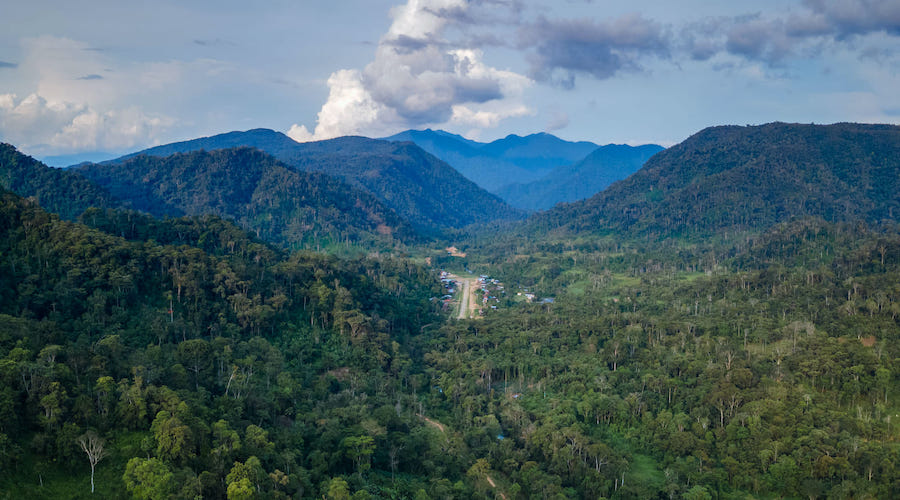
Solaris Resources (TSX:SLS) has finished a year of major change and progress in 2024, with advancements at its flagship Warintza Project in Ecuador, a strategic move out of Canada, and a new leadership team set to guide the company into its next phase of growth. Let’s take a look back at some of the developments that shaped Solaris Resources’ year, with a particular focus on the implications of the upcoming emigration to Ecuador.
Warintza Project: Advancing Towards Production
The Warintza Project remained the focal point of Solaris Resources’ mining plan throughout 2024. The company maintained an aggressive exploration and resource definition drilling program, exceeding its initial target of 60,000 meters and ultimately drilling over 75,000 meters by year-end . This ambitious campaign showed encouraging results, with drill holes consistently intersecting high-grade copper mineralization and expanding the known resource . Importantly, holes SLS-111 and SLS-107 returned impressive intercepts of 90 meters of 1.12% CuEq and 96 meters of 0.82% CuEq from surface, respectively, further highlighting the project’s continued potential.
Beyond drilling, Solaris Resources made progress in developing critical infrastructure at Warintza, including improving road access, expanding the on-site camp, and initiating early works construction. These efforts support ongoing exploration, facilitating future feasibility studies, and ultimately enabling mine construction.
Solaris Resources also demonstrated its commitment to responsible mining practices and community engagement. The company signed an updated Impact and Benefits Agreement with local communities, outlining commitments to social and economic development programs. This agreement underscores Solaris’ dedication to sharing the benefits of the Warintza Project with local stakeholders and fostering positive relationships.
Emigration to Ecuador
In a move that surprised, Solaris Resources announced its decision to emigrate from Canada to Ecuador by the end of 2024. This strategic decision reflects the company’s need to align itself more closely with Ecuadorian regulators, optimize its corporate structure for the development of Warintza, and potentially benefit from a more favorable tax environment.
The emigration process involved several key steps, including management and board changes. Effective January 1, 2025, Matthew Rowlinson, former Head of Copper Business Development at Glencore, will take over as President and CEO. Rowlinson brings a wealth of experience in the copper mining industry, mergers and acquisitions, and project development, making him a valuable asset as Solaris Resources navigates the challenges and opportunities in Ecuador.
Concurrent with the CEO change, Solaris Resources also announced changes to its board of directors, with Rowlinson, Rodrigo Borja, and Hans Wick joining the board, while Canadian directors Daniel Earle, Poonam Puri, Kevin Thomson, and Ron Walsh will step down. These changes reflect the company’s commitment to aligning its leadership with its new corporate structure and strategic focus in Ecuador.
New Leadership, New Opportunities: The Potential for Zijin Mining
The appointment of Matthew Rowlinson as CEO and the company’s emigration to Ecuador could also change the company’s relationship with Zijin Mining Group. Earlier in the year, Solaris Resources terminated a proposed $130 million strategic investment from Zijin after the deal faced regulatory hurdles and delays in Canada. However, with Solaris Resources based in Ecuador and under new leadership, the possibility of reviving the transaction or exploring alternative forms of collaboration with Zijin remains open.
Zijin, a leading global mining company with extensive experience in copper development, could provide valuable technical expertise and financial resources to support the Warintza Project. A renewed partnership with Zijin could accelerate the project’s development timeline and enhance long-term prospects.
Looking Ahead to 2025
As Solaris Resources begins this new chapter, the company must manage the changing regulatory rules in Ecuador, manage relationships with local communities and stakeholders, and effectively execute its development plans for Warintza. The new leadership team’s experience and expertise will be absolutely critical in addressing these and capitalizing on the growing demand for copper.
The company’s stock price experienced some volatility throughout 2024, influenced by external factors. Now with a renewed focus on Ecuador, a strong leadership team, and the potential for renewed collaboration with Zijin Mining, Solaris Resources is gearing up to unlock the full value of its assets and deliver strong returns for all stakeholders in 2025.
The above references an opinion and is for information purposes only. It is not intended to be investment advice. Seek a licensed professional for investment advice. The author is not an insider or shareholder of any of the companies mentioned above.

Manning Ventures (CSE:MANN) announced the completion of the first two drill holes at its Copper Hill Project, located along the Walker Lane Trend in western Nevada, USA. This marks a significant milestone in the company’s phase one drill program at the site.
Progress on Phase One Drilling
The first drill hole, CH-1, reached a depth of 200 meters, while the second, CH-2 (PDH-3), was completed at 150 meters. Both holes are targeting areas with strong geochemical indicators and favorable structural zones. Initial analysis of material from CH-1 is underway, while CH-3 (PDH-2), the third hole, was drilled to approximately 150 meters as of Sunday. CH-3 is aimed at one of the northwest-trending magnetic corridors known for historic copper values.
The ongoing drill program consists of up to nine Reverse Circulation (RC) drill holes, totaling about 2,500 meters. The focus is to test for skarn mineralization at the contact between limestone and intrusive rocks in the Northern and Southern Zones. These zones have previously yielded significant copper values ranging from 0.5% to over 1.0% in areas with intense skarn alteration.
Several drill pads have already been prepared, with additional work progressing steadily. The Copper Hill Project spans 108 unpatented lode mining claims, covering 2,215 acres (896.3 hectares).
Geological Context and Mineralization
Copper Hill presents a highly prospective copper-gold bearing skarn target, with potential for deeper porphyry-type copper deposits. Two key exploration zones, the Northern Zone and the Southern Zone, feature over 1,500 meters of strike length, hosting intense skarn alteration and elevated copper values. Past mapping and exploration data highlight the project’s potential, with porphyry-related veins, chloritic alteration, and sericitic alteration along northwest trends.
The project is centered around Jurassic Age quartz monzonite porphyry intruding Triassic age Luning Limestone. It lies 33 miles east of the Yerington Copper District, a prolific mining area home to notable deposits and operations such as the Yerington Copper Mine, Ann Mason Deposit, Bear Deposit, MacArthur Deposit, and Pumpkin Hollow Mine.
Historical Mining and Exploration
Copper Hill has a rich history of mining and exploration. Between 1914 and 1926, the Copper Mountain Mine produced an estimated one million pounds of copper from shallow underground workings. Historical reports describe ore zones with skarn and porphyry-copper mineralization, with shipping grades ranging from 3.5% to 11.0% copper.
From 1959 to 1979, companies like Idaho Mining Corp. and Walker-Martel conducted extensive exploration, including ground geophysics, underground mapping, and prospecting. This period saw about 6,000 feet of rotary drilling. Later, in 2007, ground magnetic surveys were conducted, and rock sampling yielded values of 7.2% and 12.7% copper, alongside gold values of 1.06 g/t and 1.19 g/t.
The Copper Hill mineralizing system forms a topographic high partially covered by younger volcanic rocks. Mineralization types identified at the site include bornite, chalcocite, chalcopyrite, chrysocolla, native copper, covellite, cuprite, gold, malachite, molybdenite, silver, and others.
The above references an opinion and is for information purposes only. It is not intended to be investment advice. Seek a licensed professional for investment advice. The author is not an insider or shareholder of any of the companies mentioned above.
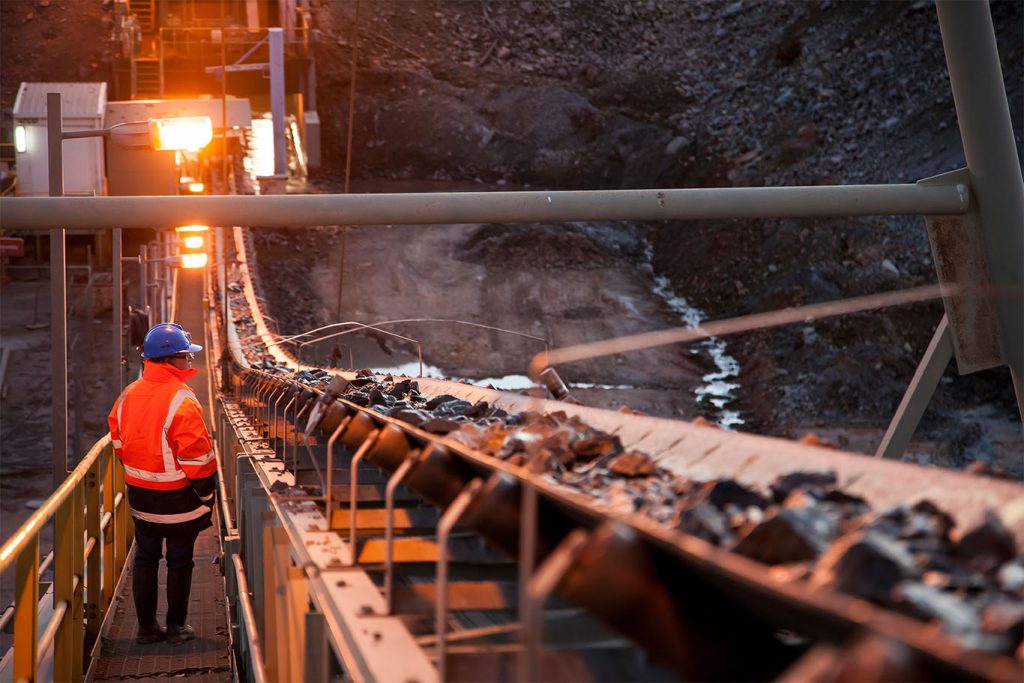
Copper prices surged on Monday following China’s announcement to shift from its traditionally “prudent” monetary policy to a “moderately loose” stance. The initial market reaction pushed copper prices to a four-week high of $4.30 per pound ($9,470 per tonne). However, by the end of trading, the rally lost momentum, with futures retracing most of the gains.
This isn’t the first time optimism surrounding China’s economic stimulus has sparked temporary rallies. Similar spikes occurred in late September, but copper prices remain nearly 10% lower since then. Analysts remain cautious about the long-term impact of China’s monetary policy. London-based Capital Economics recently noted in a research note that monetary easing in China is less effective now than in the past, citing reduced willingness among households and businesses to take on debt.
The Role of Fiscal Policy
Analysts predict that this year’s on-budget investment spending in China will hit its highest level since 1987. This bodes well for metals like copper, which is crucial in construction, manufacturing, and industrial applications. While fiscal measures may spur short-term demand, structural issues within China’s construction sector pose significant challenges. Analysts forecast a potential 50% decline from peak construction activity, which could weigh heavily on copper demand over the long term.
Shifting Demand Drivers
The green energy transition and technology-driven industries are becoming increasingly vital for copper demand. Copper plays a critical role in renewable energy technologies such as electric vehicles (EVs), solar panels, and wind turbines. Demand from these sectors is projected to grow at a compound annual growth rate (CAGR) of 10.7% through 2034. However, these emerging markets are unlikely to fully compensate for declines in traditional sectors such as construction.
Outlook for Copper Prices
Despite the optimistic prospects for renewable energy and electrification, analysts predict a bearish outlook for copper prices in the short term. Prices could drop below $9,000 per tonne in 2024, averaging $8,000 by the end of 2026. Over the next decade, the market may experience further declines as structural challenges persist. However, the long-term outlook remains more bullish. Beyond 2026, demand is expected to outpace supply, driven by renewable energy and electrification trends.
Expanding Copper Mining Production
The copper mining sector is poised for growth amid increasing global demand. U.S. copper mine production is expected to rise by 4% in 2024, reaching approximately 1,172.8 thousand tonnes. This growth stems from enhanced production at key mines such as Robinson and Pinto Valley, alongside the ramp-up of operations at Pumpkin Hollow. Globally, copper mine output is forecasted to reach 22.58 million tonnes in 2024, a 1.6% increase from 2023 levels, with further growth projected for 2025.
Supply Constraints and Challenges
Despite the optimistic production outlook, the industry faces significant challenges. Dwindling reserves, grade declines at existing mines, and slower development of new mines could hinder future supply growth. Exploration activities have declined in recent years, exacerbating these challenges. Analysts emphasize the importance of investment in brownfield projects—developments at existing mines—which could contribute up to 30% of total copper supply by 2035.
The Role of Scrap Copper
As new supply sources struggle to keep pace with rising demand, the role of recycled or scrap copper will become increasingly important. The integration of scrap copper into the supply chain could mitigate some of the supply constraints and support long-term sustainability in the industry.
Structural Issues in China
China remains the largest consumer of copper, but its construction sector faces deep-rooted structural challenges. With predictions of up to a 50% decline from peak activity levels, the long-term outlook for copper demand in this sector appears grim. While fiscal policies may temporarily boost demand, these measures are unlikely to offset the structural decline. Diversification into green energy and AI-related industries may provide some relief, but these sectors alone cannot replace the sheer scale of construction-driven demand. The entire industry is watching for the next big copper project and whether it can keep it up with demand by expanding the number of producing projects around the world.
The above references an opinion and is for information purposes only. It is not intended to be investment advice. Seek a licensed professional for investment advice. The author is not an insider or shareholder of any of the companies mentioned above.

Radisson Mining (TSXV:RDS)(OTCQB:RMRDF) has announced the results of a high-grade diamond drill hole at its 100%-owned O’Brien Gold Project, located in the Abitibi region of Quebec. The drill hole, labeled OB-24-347, intercepted exceptional gold mineralization at shallow depth, raising the possibility of rediscovering the renowned “Jewellery Box” from the historic O’Brien Gold Mine.
Matt Manson, President & CEO, commented in a press release: “When the O’Brien Gold Mine was operational between 1926 and 1957, it was known for very high grades and spectacular specimens of visible gold, many of which are now in the collection of the Royal Ontario Museum. The source of some of the best specimens was thought to be the Jewellery Box stope, a narrow, vertical grade-shoot extending from 250 metres depth to at least 750 metres depth. At the time, exploration drifts were developed to try to find this zone above the 250 metres level, without success. Now, drill-hole OB-24-347 has intersected what we believe is the same Jewellery Box zone marginally offset to the east. We intend to now trace it to the surface with additional drilling and expose it with stripping. This is being planned for our 2025 exploration program. Steeply plunging high-grade shoots are characteristic of the O’Brien Gold Project. The Jewellery Box Stope was always the best of these. Its potential re-discovery offers very high value, low-hanging fruit for a future O’Brien mine.”
The drill hole intersected 643.1 grams per tonne (g/t) gold over 2.1 meters, including 1,345 g/t gold over 1.0 meter, at approximately 200 meters vertical depth. This intersection occurred on the eastern edge of the historic O’Brien Mine workings. These findings suggest the potential extension of the “Jewellery Box,” a mining stope historically known for its extremely high-grade gold and notable gold samples of museum quality.
The O’Brien Gold Project sits along the Larder Lake-Cadillac Break (LLCB), a major structural feature in the Abitibi gold belt. Gold mineralization at the site is typically associated with quartz-sulfide veins, which occur within interlayered mafic volcanic rocks, conglomerates, and porphyritic andesitic sills of the Piché Group. The veins also intersect the Pontiac sediments in the hanging wall and the Cadillac meta-sedimentary rocks in the footwall.
These quartz-sulfide veins, historically mined at O’Brien, are characterized by narrow widths ranging from a few centimeters to several meters. They occur in clusters that run parallel to the LLCB and are accompanied by pyrite, arsenopyrite, and biotite alteration. Individual veins have well-documented lateral continuity and vertical high-grade shoots extending over significant lengths. Historically, the O’Brien Mine produced over 500,000 ounces of gold at an average grade exceeding 15 g/t over a vertical extent of at least 1,000 meters.
The modern exploration efforts aim to extend this historic high-grade mineralization to new zones east of the original mine. Current mineral resources at O’Brien are estimated at 0.50 million ounces of indicated resources (1.52 million tonnes at 10.26 g/t gold) and an additional 0.45 million ounces of inferred resources (1.60 million tonnes at 8.66 g/t gold). However, these mineral resources do not yet have demonstrated economic viability.
The drilling campaign followed rigorous protocols for sample collection and quality control. The drill cores, sized NQ, were cut in half, with one half sent for analysis while the other half was retained for future reference. Samples were tested using standard fire assay methods with Atomic Absorption (AA) finish at ALS Laboratory Ltd. in Val-d’Or, Quebec. For samples exceeding 10 g/t gold, a second fire assay with gravimetric finish was conducted. Visible gold zones underwent analysis via metallic sieve procedures to ensure accuracy.
The intercepts were calculated using a 1.0 g/t gold cut-off over a minimum core length of 1.0 meter, and the sample grades were uncapped. This approach differs from previous disclosures by Radisson and is designed to showcase the continuity and frequency of mineralization in the veins. True widths are estimated to be 30–70% of the core length, depending on the angle of the intercept.
The historical significance of the “Jewellery Box”, a mining stope, located within the O’Brien Mine, was a source of exceptionally high-grade gold, with numerous samples displayed in museums for their rarity and beauty. The characteristics of the mineralization in drill hole OB-24-347—nuggety gold, high silicification, and proximity to historic workings—strongly suggest a connection to this legendary zone.
Radisson’s President and CEO, Matt Manson, commented on the importance of this discovery, noting that it reinforces the potential for high-grade gold systems at O’Brien. The drilling results will likely shift exploration efforts toward confirming and delineating this promising area.
The above references an opinion and is for information purposes only. It is not intended to be investment advice. Seek a licensed professional for investment advice. The author is not an insider or shareholder of any of the companies mentioned above.
 Q Battery Metals (CSE:QMET) has announced plans to resume diamond drilling at its La Corne South project located north of Val-d’Or, Quebec. This winter drilling campaign, spanning the 2024-2025 season, aims to further investigate geophysical anomalies similar to those targeted in the three previously completed drill holes.
The three initial drill holes at La Corne South were designed to test TDEM (time-domain electromagnetic) conductors that coincided with magnetic highs. These targets, identified through geophysical surveys, hold promise for significant mineral deposits. The results from drill hole 24LCS-01, released earlier this year, indicated VMS (volcanogenic massive sulfide)-style mineralization with notable concentrations of copper, zinc, silver, and gold. Detailed results from this drill hole include:
•1.8% copper equivalent over 6.1 meters (from 122.75 to 127.6 meters), with a high-grade section of 2.56% copper equivalent over 3.95 meters (from 122.75 to 126.7 meters).
•Across the total mineralized zone (102.15 to 127.6 meters), the weighted average was 0.83% copper equivalent over 25.45 meters.
Copper equivalent calculations utilized the following commodity prices: $80 per gram for gold, $0.95 per gram for silver, $1.30 per pound for zinc, and $4.20 per pound for copper.
Ongoing Exploration and Future Targets
The results from the first drill hole underscore the potential of the TDEM anomaly as a high-priority exploration target. Meanwhile, core samples from holes 24LCS-02 and 24LCS-03 have been submitted for analysis, with results expected to guide further drilling plans.
Geophysical surveys at the site have identified a cluster of TDEM anomalies south of the completed drill holes. Notably, the largest of these anomalies is situated approximately 215 meters below the surface and exhibits significant potential thickness. This anomaly, modeled using TMC’s Maxwell plates, will be the primary focus of the resumed drilling efforts.
Preliminary data also suggest a two-kilometer corridor of magnetic and electromagnetic anomalies extending to the northwest, where geophysical surveys remain incomplete. The company plans to extend its surveys in this direction as exploration continues.
Exploration Operations
The exploration program is managed by Explo-Logik Inc., based in Val-d’Or. This firm oversees core logging, sampling, and delivery of samples to the ALS laboratory, also in Val-d’Or. A total of 278 core samples from the initial three drill holes underwent processing via ALS’s ME-MS61L method, which utilizes four-acid digestion and mass spectrometer detection to analyze 48 elements. Gold, platinum, and palladium were analyzed using the Au-ICP21 fire assay process. To maintain quality assurance and control, Explo-Logik incorporated blanks, standards, and duplicate samples into the testing process, with one insert every 10 samples.
The above references an opinion and is for information purposes only. It is not intended to be investment advice. Seek a licensed professional for investment advice. The author is not an insider or shareholder of any of the companies mentioned above.

McEwen Mining (NYSE: MUX)(TSX:MUX) announced a development for its Los Azules copper project on Tuesday. The Environmental Impact Assessment (EIA) for the project has been approved by the San Juan province in Argentina, moving the proposed mine closer to the construction phase, potentially as soon as 2026. The approval marks a significant milestone for the project, which is expected to become a major contributor to Argentina’s mining sector and a key player in the global copper industry.
Located 80 kilometers west-northwest of the town of Calingasta and just six kilometers from the Chilean border, Los Azules sits at an elevation of 3,500 meters in the Andes Mountains. According to a preliminary economic assessment published in 2022, the project is estimated to produce approximately 322 million pounds of copper annually in cathodes over a 27-year lifespan. The copper resources are reported at 10.9 billion pounds in ore with an average grade of 0.40% copper in the indicated category, and 26.7 billion pounds of material grading 0.31% copper in the inferred category.
McEwen Mining describes Los Azules as a “multi-generational green copper asset,” emphasizing sustainability in its design and operations. Rob McEwen, the company’s executive chairman, has previously articulated a vision for Los Azules as a model of sustainability, innovation, and economic efficiency.
The project is set to adopt cutting-edge technology to minimize environmental impact. It plans to use less than 25% of the water required by conventional copper processing methods, reduce carbon emissions by more than half, and consume less than half the energy typically needed. Power for the site will come entirely from renewable energy sources supplied by the Argentine state-owned company YPF Luz.
An important component of the project’s technological edge is the involvement of Nuton, a venture by Rio Tinto (NYSE: RIO; LSE: RIO; ASX: RIO). Nuton specializes in proprietary heap leaching technology, which could enhance efficiency and reduce environmental impacts. Nuton recently reinforced its support for Los Azules by investing $35 million, increasing its stake in McEwen Copper, the subsidiary managing the project.
The EIA approval underscores the San Juan province’s support for mining initiatives and copper extraction. McEwen Mining submitted the EIA in April 2023, with the document prepared by engineering firm Knight Piesold and a team of 22 experts.
Michael Meding, Vice President and General Manager of McEwen Copper, commented in a press release: “This milestone propels Los Azules forward and highlights its transformative potential for the province and Argentina’s mining industry.”
San Juan’s government has expressed consistent support for mining projects, seeing them as opportunities to enhance economic development in the region. The province has established itself as a significant hub for Argentina’s mining activities, and the approval of Los Azules aligns with its strategic goals.
With the EIA approved, McEwen Mining is preparing for the definitive feasibility study, expected in the first half of 2025. This study will determine the precise technical and economic parameters for the project. Construction is anticipated to begin by late 2025 or early 2026, provided the project clears additional regulatory and financial hurdles.
The company plans to raise $2.5 billion to fund construction. Speaking to Reuters recently, Meding confirmed that the EIA approval was a key step toward this fundraising effort, enabling McEwen Mining to engage with investors with greater confidence.
The above references an opinion and is for information purposes only. It is not intended to be investment advice. Seek a licensed professional for investment advice. The author is not an insider or shareholder of any of the companies mentioned above.

Toronto-based junior mining exploration company, Big Gold (CSE:BG), has reported progress in its maiden drill program at the Tabor Property, located on the Shebandowan Greenstone Belt in Northwestern Ontario. According to an announcement by the company on December 2, 2024, multiple drill holes have intersected mineralized zones featuring quartz veining, shearing, and sulphide mineralization, including pyrite and pyrrhotite.
Scott Walters, CEO of Big Gold commented in a press release: “We are pleased to see that the observations of mineralization, quartz veining, and shearing in new drill core are consistent with historical drilling, and target baseline exploration at the East Divide. Drilling so far, been successful in outlining the presence of increased sulphide mineralization at depth. Our technical team is now working diligently to complete detailed logging and sampling of the drill core.”
The Tabor Property drill campaign, which began on November 25, 2024, has already surpassed 200 meters of drilling. The program is focused on the East Divide Target Zone, an area of high interest due to previous surface sampling and historical drilling results. Surface sampling from Phase 2 exploration had previously returned gold assays of 11.4 grams per tonne (g/t), while historical infill drilling reported intersections of 10.9 g/t gold over 1.46 meters, alongside notable quantities of silver, copper, and zinc.
Drill Program Focus and Regional Context
The ongoing maiden drill program plans to complete up to 1,200 meters of drilling along the East Divide Target Zone. This area has been prioritized for its geological similarity to neighboring gold projects within the Shebandowan Greenstone Belt. The region is known for hosting significant mineral resources, including Goldshore Resources’ Moss Lake gold deposit and Delta Resources’ Delta-1 Project.
Gold mineralization at Tabor is associated with quartz veins, shearing, and sulphide-rich zones, features that align with the mineralization style observed at Moss Lake. Goldshore’s Moss Lake deposit currently hosts an estimated 6.73 million ounces of gold, including 1.535 million ounces in the Indicated category with a grade of 1.23 g/t and 5.198 million ounces in the Inferred category with a grade of 1.11 g/t, according to a technical report filed in March 2024.
The Delta-1 Project, located approximately 20 kilometers east of Tabor, has also reported significant drill results this year. Delta Resources Limited announced an intercept of 15.94 g/t gold over 10 meters in March 2024. Big Gold’s East Divide Target Zone is positioned along the same mineralized trend as these well-established projects, heightening its potential for meaningful gold discoveries.
Geology and Exploration Insights
The Shebandowan Greenstone Belt has long been recognized as a prospective region for gold exploration. At the Tabor Property, mineralization appears to occur within quartz veins and shear zones, accompanied by varying levels of sulphide content. These geological characteristics mirror those found in other productive areas of the belt, providing encouragement for further exploration.
The technical aspects of the project are overseen by Bruce Durham, P.Geo., a Qualified Person as defined by Canadian regulatory standards under National Instrument 43-101. Durham has reviewed and approved the technical content of Big Gold’s announcement, ensuring adherence to stringent reporting guidelines.
The Tabor Property is one of Big Gold’s flagship exploration projects. The company is positioning itself to capitalize on the potential of early-stage base and precious metal projects in Ontario, with Tabor standing out for its proximity to proven deposits and encouraging exploration results. Big Gold is also advancing exploration at its Martin Kenty project, while remaining open to new acquisition opportunities.
The above references an opinion and is for information purposes only. It is not intended to be investment advice. Seek a licensed professional for investment advice. The author is not an insider or shareholder of any of the companies mentioned above.
If you would like to receive our free newsletter via email, simply enter your email address below & click subscribe.
 Follow us on Twitter
 Become our facebook fan
CONNECT WITH US
Tweets
Tweet with hash tag #miningfeeds or @miningfeeds and your tweets will be displayed across this site.
MOST ACTIVE MINING STOCKS
Daily Gainers
 CMC Metals Ltd. CMC Metals Ltd. |
CMB.V | +900.00% |
 Eden Energy Ltd Eden Energy Ltd |
EDE.AX | +200.00% |
| GoviEx Uranium Inc. |
GXU.V | +42.86% |
| Eagle Nickel Ltd. |
ENL.AX | +41.67% |
| Citigold Corp. Limited |
CTO.AX | +33.33% |
| Mount Burgess Mining NL |
MTB.AX | +33.33% |
| Exalt Resources Limited |
ERD.AX | +31.94% |
| Casa Minerals Inc. |
CASA.V | +30.00% |
| Cariboo Rose Resources Ltd |
CRB.V | +28.57% |
| Belmont Resources Inc. |
BEA.V | +28.57% |