Agnico Eagle Mines (TSX, NYSE: AEM) has announced a new venture focused on the growing critical minerals sector, marking a strategic step beyond its core gold and copper portfolio. The Toronto-based miner announced the creation of Avenir Minerals Limited, a wholly owned subsidiary established to manage and advance nearly $80 million in early-stage critical mineral investments.
In addition to transferring those existing investments, Agnico will inject $50 million in cash into Avenir to fund operations and growth. The parent company will retain a right of first refusal on future investment opportunities and may choose to provide additional financing over time. According to Agnico, the new company will operate as an independent and self-sustaining entity, tasked with identifying and developing strategic projects, primarily within Canada, while seeking partnerships and government support for critical mineral initiatives.
The move follows Agnico’s $180 million investment in Perpetua Resources (NASDAQ, TSX: PPTA) earlier in the week. Perpetua is advancing the $1.3 billion Stibnite gold and antimony project in Idaho—one of the few U.S. sources of antimony, a critical mineral used in defense and energy storage technologies. The project is backed by the U.S. government as part of efforts to rebuild domestic supplies of essential materials.
Agnico’s establishment of Avenir comes at a time of record financial performance. The company reported third-quarter net income of $1.06 billion, or $2.10 per share, bolstered by higher gold prices and steady operational performance across its portfolio. Adjusted net income reached $1.09 billion, or $2.16 per share, both record highs for the miner. Operating cash flow totalled $1.82 billion, while free cash flow came in at $1.19 billion.
Ammar Al-Joundi, Agnico’s president and CEO, commented in a press release: “We delivered another quarter of strong and consistent operational performance, which translated into record financial results as higher gold prices continue to drive expanded margins. We are well on track to meet our full-year production and cost guidance, supported by disciplined cost management and a focus on productivity.”
The company reaffirmed its 2025 production target of between 3.3 million and 3.5 million ounces of gold. Unit costs, however, are expected to track toward the upper end of the company’s range due to higher royalties. Agnico projected capital spending for 2025 between $1.75 billion and $1.95 billion, excluding capitalised exploration of $290 million to $310 million.
Agnico ended the quarter with $2.36 billion in cash and long-term debt reduced to $196 million, resulting in a net cash position of $2.16 billion as of September 30. Its strong financial position prompted Moody’s Investors Service to upgrade the company’s long-term issuer rating to A3 from Baa1 in August.
Operationally, Agnico continued advancing key development projects across its portfolio. At Canadian Malartic, shaft sinking and development of the East Gouldie deposit remain on schedule for first production in the second half of 2026. Drilling also continues to extend mineralization at depth. At Detour Lake, the underground ramp advanced 259 metres during the quarter, and shaft construction for the Upper Beaver project is set to begin in the fourth quarter.
In Nunavut, drilling at the Hope Bay property returned several high-grade results, including 16.9 g/t gold over 4.6 metres and 12.7 g/t gold over 9.3 metres in the Madrid deposit’s Patch 7 zone. Meanwhile, at the San Nicolas copper-zinc project in Mexico, engineering for the feasibility study is expected to reach 30% completion by year-end.
The launch of Avenir Minerals signals Agnico Eagle’s broadening focus beyond gold, positioning the miner to participate in the accelerating shift toward critical minerals needed for electrification, renewable energy, and advanced manufacturing. While Avenir will operate independently, Agnico’s capital support and right of first refusal ensure it remains closely tied to the company’s long-term strategic direction.
Together, Agnico’s record financial results and its push into critical minerals is an expansion of scope for one of Canada’s leading resource companies, balancing its traditional gold dominance with an emerging role in the evolving global materials landscape.
The above references an opinion and is for information purposes only. It is not intended to be investment advice. Seek a licensed professional for investment advice. The author is not an insider or shareholder of any of the companies mentioned above.
Anglo American expects its Collahuasi copper mine in northern Chile to regain full production by 2027, following a period of reduced output caused by lower-grade ore and operational constraints. The mine, jointly owned by Anglo and Glencore Plc with a 44% stake each, is projected to return to an annual production level of roughly 600,000 metric tons within two years, according to the company’s chief operating officer, Ruben Fernandes.
The London-based miner is navigating a challenging phase at Collahuasi, one of the world’s largest copper operations, as the quality of ore temporarily declines. Anglo has cautioned that production from the site will likely be lower than anticipated in the coming year, adding pressure to an already tight global copper market. The warning coincides with record-high copper prices, driven partly by growing concerns over supply disruptions across several producing regions.
Fernandes said that production levels should improve gradually as Collahuasi begins accessing richer ore zones in its open pit and as a major desalination plant, currently under development, becomes fully operational next year. The new water facility is intended to support long-term output stability in Chile’s arid mining belt, where water scarcity has increasingly constrained operations. The Collahuasi mine is a cornerstone of Anglo American’s copper portfolio and also features prominently in the company’s proposed merger with Teck Resources Ltd. Under the merger plan, Collahuasi’s high-grade material would be supplied to Teck’s neighboring Quebrada Blanca mine, potentially generating an additional 175,000 tons of copper annually. The integration could also enhance profitability by an estimated $1.4 billion each year. However, Fernandes noted that formal discussions with Collahuasi’s partners — including a consortium led by Japan’s Mitsui & Co., which owns the remaining 12% stake — would not commence until all regulatory and antitrust approvals for the Anglo-Teck merger are finalized.
The operational update arrives at a time when the global copper industry faces mounting supply headwinds. Production challenges in major mining jurisdictions such as Indonesia, Chile, and the Democratic Republic of the Congo have underscored concerns about the sector’s ability to meet rising demand from the energy transition and technology sectors. Fernandes emphasized that structural underinvestment and lengthy permitting timelines continue to limit the pace of new copper mine development. “Bringing a new copper project on-line takes 15 to 20 years. If demand grows 2.5% to 3% annually over the next two decades, it’s about 30 to 40 new mines the size of Quellaveco in Peru — each producing about 300,000 tons a year. That’s a lot of copper,” he said in a recent interview.
Collahuasi’s recovery timeline and its integration with Teck’s operations could play a significant role in addressing near-term supply deficits, especially as copper remains a central metal for renewable energy infrastructure, electric vehicles, and data center expansion linked to artificial intelligence. Despite the short-term production dip, Anglo American maintains confidence in Collahuasi’s long-term contribution to global supply and its strategic value within the evolving copper market. The company’s focus on operational improvements and water infrastructure reflects broader efforts across the industry to balance environmental constraints with surging industrial demand.
If production returns to full capacity as planned, Collahuasi will continue to rank among the top copper-producing mines worldwide, reinforcing Chile’s position as a critical hub in the global energy transition.
The above references an opinion and is for information purposes only. It is not intended to be investment advice. Seek a licensed professional for investment advice. The author is not an insider or shareholder of any of the companies mentioned above.
GoldHaven Resources (CSE: GOH | OTCQB: GHVNF | Frankfurt: 4QS) has provided an update on its ongoing exploration campaign at the 100%-owned Copeçal Project in Brazil, where the company continues to advance a 1,200-metre diamond drilling program aimed at testing key gold-in-soil and geophysical anomalies.
Rob Birmingham, CEO of GoldHaven Resources, commented in a press release: “We are very encouraged by the early geological observations from Copeçal. The alteration styles and structural features we’re seeing are consistent with a robust hydrothermal gold system. With drilling now underway at the West Anomaly, we’re testing a brand-new target area that has strong potential to deliver meaningful results for our shareholders. We look forward to providing assay updates as they become available.”
Four diamond drill holes totaling approximately 420 metres have been completed so far along a 200-metre strike length of the East Anomaly, one of several high-priority gold targets at the property. The company began drilling its fifth hole this week, which marks a significant milestone as it represents the first-ever test of the West Anomaly—a large gold-in-soil and auger anomaly that coincides with a strong very low frequency (VLF) conductive feature outlined in previous surveys.
Ongoing Drilling and Geological Observations
The drilling campaign has intersected a sequence of sheared quartz–sericite schists and gneissic basement rocks displaying strong hydrothermal alteration. These include zones of intense silicification and chlorite–sericite alteration. GoldHaven reports that intervals of geological interest, where structural deformation and alteration are most intense, have been observed over drilled thicknesses of approximately 10 to 15 metres (estimated true width). These zones are interpreted to represent structurally controlled corridors with potential for gold enrichment.
Sampling from the first two completed holes, CPDDH001 and CPDDH002, has been completed. Samples from CPDDH001 have been delivered to ALS Laboratory for analysis, while samples from CPDDH002 are being shipped to ALS’s sample preparation facility in Cuiabá, Brazil. Sampling of the next two holes, CPDDH003 and CPDDH004, is currently underway, and results will be released once available.
GoldHaven plans to continue advancing the drill program in the coming weeks, integrating geological, structural, and geochemical data to refine targeting along both the East and West anomalies. The company expects assay results from the initial drill holes in the near term.
Location and Geological Context
The Copeçal Gold Project lies within the Alta Floresta Gold Province, a historically productive area that has generated numerous gold discoveries since the late 1970s. GoldHaven’s tenements span approximately 3,681 hectares in a geologically favourable portion of Brazil’s Juruena Gold Province.
Also known as the Juruena Magmatic Arc, this orogenic belt is recognized as highly prospective for mesothermal shear-related and intrusion-related gold deposits. The province hosts several established deposits and active projects, including G-Mining’s Tocantinzinho deposit. The region also contains porphyry-style systems such as Serabi and Jaca, along with epithermal-style deposits like X1 and Aura. The coexistence of multiple deposit styles underscores the exploration potential across the Juruena Gold Province, and by extension, the Copeçal Project.
Historical and Regional Exploration
Prior to GoldHaven’s acquisition, the Copeçal property benefited from significant historical exploration by AngloGold Ashanti between 2010 and 2016. During that time, AngloGold conducted auger and air-core drilling, geophysical surveys, and geochemical sampling that identified multiple zones of anomalous gold mineralization. The company’s systematic work outlined soil grids and auger drilling areas that revealed consistent gold and arsenic anomalies—geochemical indicators of significant mineralizing systems.
In addition to this historical dataset, GoldHaven has carried out recent geochemical soil sampling, drone-mounted magnetometry surveys, and reinterpretation of earlier drilling data. Together, these efforts have delineated multiple gold-bearing structures and high-priority targets that guided the design of the ongoing drill program.
GoldHaven’s current focus remains on advancing its 1,200-metre diamond drilling campaign and refining its geological model of the Copeçal Project. Data integration from ongoing sampling, mapping, and geophysical interpretation is expected to inform future drill targeting. The company indicated that assay results from the first phase of drilling will be reported once received, potentially providing the first indication of subsurface gold mineralization continuity along the East and West anomalies.
Located in one of Brazil’s most historically productive gold belts, the Copeçal Project continues to draw interest for its combination of favourable geology, extensive historical data, and multiple untested targets. As drilling progresses, GoldHaven Resources aims to determine the scale and nature of mineralization within this underexplored section of the Juruena Gold Province.
The above references an opinion and is for information purposes only. It is not intended to be investment advice. Seek a licensed professional for investment advice. The author is not an insider or shareholder of any of the companies mentioned above.
Copper prices were hovering just below $11,000 a ton to open the week, positioning the metal within reach of the record level set last year, as supply disruptions and operational setbacks at major global mines raise concerns among investors. The benchmark three-month copper futures contract rose 1% to settle at $10,962.50 a ton at 5:50 p.m. in London. This marks a strong recovery from the steep decline seen in April, when copper prices tumbled amid escalating trade tensions following the Trump administration’s renewed tariffs. Since then, copper has rallied by roughly 25%, driven by tightening supply conditions and renewed optimism in the industrial metals sector.
One of the key catalysts behind the recent surge has been the suspension of operations at Freeport-McMoRan Inc.’s Grasberg mine in Indonesia. Grasberg, the world’s second-largest copper mine, was halted after a fatal mudslide earlier this month. Freeport confirmed that the site remains closed and said it plans to provide an update to investors on the situation and production outlook next month. The incident has heightened concerns about global supply at a time when inventories are already constrained.
Copper’s upward move is part of a broader strength across industrial metals, though the gains have not been uniform. Aluminum, for instance, briefly touched its highest price since May 2022 before paring back to close 0.1% lower. Despite the small daily decline, aluminum still recorded its fourth consecutive weekly advance, supported by supply restrictions in China due to government-imposed production caps aimed at managing energy use. Other base metals also saw moderate gains, with all except nickel rising. Traders cited strong demand expectations tied to global infrastructure and electrification trends, combined with logistical and mining setbacks, as ongoing drivers of the copper rally.
Copper is a key material used across multiple industries — from electrical wiring and renewable energy systems to vehicles and batteries — making it a critical barometer for global economic and industrial activity. Analysts note that with limited new large-scale mining projects in the pipeline and recurring operational challenges at existing sites, supply-side risks could continue to exert upward pressure on prices in the coming months.
While the market remains volatile, the metal’s resilience and proximity to its all-time high underscore its strategic importance in the transition toward electrification and modern infrastructure development. For now, investors are watching closely to see whether copper can decisively break through the $11,000 threshold and test last year’s record levels as supply constraints persist.
The above references an opinion and is for information purposes only. It is not intended to be investment advice. Seek a licensed professional for investment advice. The author is not an insider or shareholder of any of the companies mentioned above.
Meadowbank august 2019
Perpetua Resources (NASDAQ, TSX: PPTA) has secured $255 million in fresh funding from JPMorgan Chase and Agnico Eagle Mines, providing a major boost for the development of its $1.3 billion Stibnite gold-antimony project in central Idaho. The investment comes as the United States intensifies efforts to rebuild domestic supplies of critical minerals following global supply disruptions, particularly in antimony.
Under the terms of the financing, JPMorgan will contribute $75 million through its recently launched $1.5 trillion Security and Resiliency Initiative, a fund designed to strengthen U.S. national security by reducing reliance on foreign sources of essential materials. The deal, expected to close Tuesday, gives JPMorgan nearly a 3% equity stake in Perpetua Resources. The bank also holds roughly 20,000 shares and retains the option to exercise $42 million in warrants over the next three years, according to London exchange data.
Doug Petno, co-CEO of JPMorgan’s commercial and investment bank division, said the funding aligns with the firm’s goal of supporting industries essential to U.S. strategic resilience. “With this investment, we are supporting a company in an industry critical to national security and American resiliency, precisely the focus of our new initiative,” Petno stated.
The Stibnite project, fast-tracked under the Trump administration, broke ground last week. It is considered one of the most significant U.S. sources of antimony—a metal used in defense applications, energy storage, flame retardants, and semiconductor manufacturing. China, which dominates both the mining and refining of antimony, halted exports of the metal in late 2024, sparking an urgent search among Western manufacturers for alternative sources.
Canadian mining company Agnico Eagle (TSX: AEM) is also joining the effort, committing $180 million for a 6.5% stake in Perpetua. In addition to the equity purchase, Agnico Eagle will assist in developing the Stibnite project, bringing its technical and operational expertise to the Idaho mine. Both JPMorgan’s and Agnico Eagle’s investments were priced at Perpetua’s closing share price on Friday.
Once operational, the Stibnite mine is projected to produce roughly 450,000 ounces of gold annually while meeting over 35% of U.S. demand for antimony during its first six years of production. The U.S. Export-Import Bank is currently reviewing a potential loan to support construction and early operations. Perpetua’s dual production of gold and antimony is intended to stabilize revenues while supporting broader supply-chain independence efforts. The company’s management has stated that this structure reduces exposure to single-market risks, particularly those linked to China’s dominance in the antimony market.
The Stibnite deposit is one of the largest known antimony resources outside Chinese control. Other U.S. antimony sources include the Galana complex operated by Americas Gold and Silver, as well as United States Antimony (NYSE-A: UAMY), which recently initiated exploration and bulk sampling at the former Stibnite Hill mine in Montana. Perpetua is still seeking a refining partner and is reportedly in discussions with major global commodity firms including Glencore (LON: GLEN), Trafigura, and Clari. The combined backing of a major U.S. financial institution and one of Canada’s largest gold miners marks a significant milestone for Perpetua Resources, positioning the Stibnite project at the center of America’s strategy to secure critical mineral independence amid tightening global supply conditions.
The above references an opinion and is for information purposes only. It is not intended to be investment advice. Seek a licensed professional for investment advice. The author is not an insider or shareholder of any of the companies mentioned above.
Kodal Minerals (LON:KOD) has begun exporting lithium spodumene concentrate from its Bougouni mine in southern Mali, marking the company’s transition from mine construction to full-scale operations. The first truckloads of concentrate have been dispatched to the port of San Pedro in Côte d’Ivoire, where they will be prepared for shipment to Hainan, China.
The Bougouni project, located about 170 kilometers south of Mali’s capital, Bamako, began production in February. It sits within a region that hosts several established mining operations, including Hummingbird Resources’ Yanfolila gold mine and B2Gold’s Fekola gold project. Kodal’s development adds lithium — a key metal in electric vehicle batteries and renewable energy storage — to the list of commodities produced in the area.
A total of 30,000 tonnes of spodumene concentrate have been sent from Bougouni’s stockpile as part of the company’s initial export phase. The full 45,000-tonne stockpile is scheduled to be transported over the next four to six weeks to ensure steady supply at the San Pedro port, allowing for continuous export activity.
Chief executive Bernard Aylward described the commencement of exports as a significant step forward for the operation. “This is a major milestone for the Bougouni project,” he said. “With the first truckloads of spodumene concentrate departing site for export, the construction of the dense media separation plant and processing of ore from the Ngoualana open pit, we are now in a position to consistently manage the exporting of spodumene concentrate.”
Kodal Minerals expects to record its first revenue once the loading of the initial 30,000-tonne shipment to China is complete. The sale is being conducted under the company’s existing offtake agreement. Additional shipments from Mali to Côte d’Ivoire will follow as Kodal builds up regular export volumes.
The Bougouni mine forms a key part of Kodal’s strategy to establish a reliable supply of lithium concentrate from West Africa. As operations stabilize, the company plans to release further updates on production progress and export activity.
The start of exports is the start of operational readiness of the Bougouni project and Mali’s growing role in the global lithium supply chain, as new producers begin to emerge alongside the region’s long-established gold mining sector.
The above references an opinion and is for information purposes only. It is not intended to be investment advice. Seek a licensed professional for investment advice. The author is not an insider or shareholder of any of the companies mentioned above.
As global demand for copper, lithium, and other critical minerals climbs, Canada’s mining industry is experiencing a subtle but consequential shift. In Q3 2025, companies and policymakers increased their focus on re-processing historic tailings, the mine waste once considered worthless, to recover valuable metals while reducing environmental liabilities.
Toronto-based mining executive David Birkenshaw says the growing attention to tailings reflects both technological progress and changing policy. According to an August 2025 Reuters review, mining giants and mid-tier firms are piloting tailing projects across the country. Hudbay Minerals is evaluating legacy tailings at Flin Flon in Manitoba, while Rio Tinto has extracted rare metals such as scandium and tellurium from existing waste sources. Global tailings production now exceeds seven billion tonnes per year, and a significant portion of this sits in Canadian sites that reflect decades of lower-grade processing.
An independent research report published earlier this year, Waste Not: Unlocking Critical and Strategic Mineral Opportunities in Canada’s Tailings, estimated that repositories across roughly 10,000 abandoned and 200 active mines contain multibillion-dollar quantities of minerals essential for the green economy and national defence. The report urged the creation of a national tailing inventory, streamlined permitting, and new policy approaches to shift tailing from waste management to resource recovery.
The evidence suggests that tailings re-processing offers both economic and ecological benefits. Modern flotation, hydrometallurgical, and microbial techniques can increase recovery rates by as much as 20% compared with historic methods. Glencore’s ISAMill for coarser grinding and its Albion leaching process are examples of how copper recovery can exceed 99% while reducing energy and water usage. Beyond extraction gains, re-processing helps mitigate long-term liabilities. Legacy ponds can pose environmental risks through leaching or dam instability. By re-mining deposits, operators can shrink tailings volumes, limit contaminant spread, and reclaim land more effectively.
Birkenshaw explained, “Canada’s tailings legacy is not just a liability; it represents a missed resource. With current technology, we can turn that legacy into reclaimed value without the impacts of new development. In many cases, re-processing tailings is faster and lower-risk than permitting new mines. It is a smart path forward for both industry and communities.”
Regulators are starting to adjust frameworks to encourage this approach. Ontario’s Building More Mines Act, passed in 2023, included provisions that allow conditional closure plans and streamlined permitting for tailings recovery projects. At the federal level, policymakers are considering ways to treat tailings as a resource rather than a burden, echoing the recommendations made by independent experts earlier this year.
Birkenshaw observed, “Regulatory change is essential. When governments recognize tailings as a resource rather than a burden, project economics change dramatically. We are seeing interest from Indigenous nations, mid-tier companies, and juniors that previously would not have access to capital.”
Technology is central to this shift. Dry-stack tailings, paste backfill, real-time monitoring using AI, and microbial extraction methods are now reducing water use, energy intensity, and overall environmental footprint. A recent case study noted that modern flotation can recover copper concentrations of 0.1 to 0.5% that would have been uneconomic under older systems. With multiple-metal recovery and digital optimization, such projects can be viable within one to three years, compared with the eight to ten years often required for greenfield mine development.
The social and economic context is equally important. Many Indigenous communities are located near legacy sites and stand to benefit from remediation investment, job creation, and land reclamation. The Waste Not report emphasized that re-processing can support local economic development while restoring ecosystems and empowering communities that have long carried the environmental costs of mining.
Recent data illustrate the scale of opportunity. Canada produces over seven billion tonnes of tailings annually. Across abandoned and active mines, tailings repositories contain quantities of critical and strategic minerals that could be recovered with today’s technology. Advanced processes can improve recovery rates by up to 20%, and regulatory reforms such as Ontario’s Building More Mines Act now allow recovery from tailings under conditional closure plans with faster approvals.
By the end of Q3 2025, tailings re-processing moved from concept to action in Canada. It offers a way to recover critical minerals, reduce environmental liabilities, and engage Indigenous and local communities, all while lowering capital requirements and shortening timelines compared with new mine builds. As Birkenshaw summed up, “The convergence of technology, policy, and practicality means tailings re-processing is no longer theoretical but an actionable, near-term strategy. We can mine smarter, cleaner, and more responsibly.”
For Canada, a country balancing climate objectives with the needs for resilient supply chains, tailings re-processing may become one of the defining practices of the next decade
The above references an opinion and is for information purposes only. It is not intended to be investment advice. Seek a licensed professional for investment advice. The author is not an insider or shareholder of any of the companies mentioned above.
In its latest ruling, the Federal Regional Court of Brazil’s 1st Region (TRF-1) issued a unanimous judgment endorsing the Potássio Autazes project by Brazil Potash and rejecting challenges filed by the Manaus Federal Public Prosecutor’s Office and regional NGOs. The court published its ruling on June 6, 2025, confirming that the procedural and substantive aspects of the licensing and consultation process complied with legal requirements.
At the heart of the ruling was validation of consultations carried out by the Mura Indigenous Council (CIM) among Indigenous communities in Autazes following United Nations protocols. The court accepted that the threshold of at least 60 percent of participating communities supported the project had been met (CIM cite the actual support from their vote is >90%). In voting, Judge Flávio Jardim argued that “There does not seem to exist arguments that may allow, at least in summary cognition, that the consultation … was not carried out in good faith and in a way appropriate to the circumstances.” According to the decision, while those communities excluded from consultation should be heard in the future, their dissent does not carry veto power over the project’s continuation.
Another central issue before the court was the legitimacy of the environmental licensing authority. Opponents had argued that the federal environmental protection agency IBAMA should oversee licensing due to the project’s proximity to Indigenous lands. The TRF-1 rejected this argument, holding that because the land in question has not been demarcated as Indigenous territory, the Amazonas state environmental agency, IPAAM, is competent to issue the environmental licenses required for project construction. The court further noted that, should the area later be declared Indigenous land, a congressional regulation would be needed to define the validity of acts undertaken prior to demarcation.
This latest ruling builds on previous TRF-1 decisions. In February 2024, the court overturned a lower court injunction that had suspended the licensing process, restoring the ability for IPAAM to issue permits. In May 2025, a special session of TRF-1 had already affirmed IPAAM’s authority and suspended the effects of a prior Manaus court decision, in which had shifted jurisdiction to IBAMA. With the court’s decision now published, the court leaves no lingering question of the authority of IPAAM or the validity of the consultation at this judicial stage.
By affirming both licensing competence and the legitimacy of the consultation, the court’s decision clears a major legal obstacle for Brazil Potash’s Autazes project. The authorization of prior licenses under IPAAM now stands judicially reinforced, enabling the project to proceed into its next development phases with legal certainty.
Brazil Potash’s Autazes potash project, led by its 100% owned subsidiary Potássio do Brasil, proposes the exploration and extraction of a sylvinite deposit located about 120 km from Manaus in the state of Amazonas. The project, once in production, is anticipated to supply up to 17 percent of Brazil’s demand for potash for over 30 years, reducing dependence on global imports—particularly given supply disruptions stemming from the Russia–Ukraine war and sanctions on Belarus. It anticipates total investments in the order of R$ 13 billion and the generation of more than 17,000 direct and indirect jobs over its operational life.
With TRF-1’s ruling affirming legal and procedural foundations, Brazil Potash gains reinforced judicial backing and momentum toward implementation.
BRAZIL POTASH CORP., or the “Company,” has or will pay [MiningFeeds] (“Publisher”) $1,000 in cash for marketing services, including advertisements. This advertisement is part of those issuer-paid marketing services. This compensation should be viewed as a major conflict with the Publisher’s ability to be unbiased.
FORWARD LOOKING STATEMENTS. This publication contains forward-looking statements, including statements regarding expected continual growth of the featured company and/or industry. The Publisher notes that statements contained herein that look forward in time, which include everything other than historical information, involve risks and uncertainties that may affect the companies’ actual results of operations. Factors that could cause actual results to differ include, but are not limited to, future legal cases and court rulings, government regulations concerning potash production, the size and growth of the market for potash, the companies’ ability to fund its capital requirements in the near term, the ability to construct the project and long term, pricing pressures, etc.
Churchill Resources (TSXV:CRI) has reported significant progress in its fall exploration campaign at the historic Frost Cove Antimony Mine, part of the company’s Black Raven Property in central Newfoundland. The discovery of massive stibnite seams and strong antimony mineralization has underscored the site’s potential as a high-grade domestic source of this critical mineral.
The exploration program, which began on September 15, 2025, represents the first comprehensive evaluation of the property for antimony, gold, and silver. It involves 5,000 meters of drilling and extensive trenching across several historic mining areas — starting with Frost Cove, followed by the Stewart Gold Mine and the Taylor’s Room Gold-Silver-Lead-Zinc prospect. The effort also includes wide-ranging soil sampling aimed at identifying both extensions of known mineralized zones and new discovery targets.
Expanding Drilling Operations
Churchill mobilized a second drill rig to the property on October 14, accelerating work at Frost Cove. By October 18, the company had completed 16 core holes totaling 1,470 meters, focusing on the northern 500-meter strike length and progressing southward from the historic mine adits. Ten surface trenches have been excavated and sampled within this section, with up to seven more drillholes planned to complete the initial phase of delineation.
According to the company, semi-massive to massive and stringer antimony mineralization has been intercepted in 14 of 16 drillholes and in 9 of 10 trenches. These mineralized zones occur along shear zones at the footwall of a quartz-feldspar porphyry dyke, which geological mapping indicates continues further south. Massive stibnite seams up to 20 centimeters thick were observed in several locations, notably in Trenches 3 and 10, located approximately 200 and 480 meters south of the lower mine adit.
Further south, Churchill’s exploration team rediscovered a second historic shaft roughly 780 meters from the lower adit entrance, where they identified additional massive stibnite mineralization. Trenches along the adjacent shear zone have traced the surface expression of this seam for about 80 meters northward from the shaft. Starting October 20, one of the drill rigs will begin delineation drilling along this southern section of the Frost Cove trend, expected to include 8 to 12 new holes covering approximately 200 to 300 meters of strike length.
Ninety-three core samples from drillholes FC25-01 to FC25-05 and 48 trench samples from Trenches 1 to 10 have been submitted to SGS Lakefield Laboratories for assay. A larger second batch of samples is scheduled for shipment shortly. In parallel, 673 soil samples were sent to Eastern Analytical in Springdale, Newfoundland, for antimony, gold, and multi-element analysis. Soil sampling is a key component of Churchill’s regional exploration approach, modeled after the successful discovery of the Beaver Brook antimony deposits located 100 kilometers to the south. Another 1,000 soil samples are expected to be submitted by the end of October.
Metallurgical testing of composite vein material from Frost Cove is also underway at SGS Lakefield. Preliminary results have shown strong antimony recoveries using conventional gravity and flotation processes, with final results expected in the coming weeks.
Structural and Resource Evaluation
The ongoing evaluation program at Frost Cove is designed to define mineralization both along strike and at depth. Surface trenches are spaced approximately 50 meters apart across vein structures, while drill pads are positioned every 100 meters, allowing multiple drillholes per site to intersect mineralized zones at depths of around 50 and 100 meters below surface.
Churchill’s longer-term objective is to generate enough data to prepare a maiden National Instrument 43-101–compliant resource estimate. The company aims to determine whether Frost Cove could support a small-footprint, high-grade underground mining operation — a model that could help re-establish North American production of antimony, which currently lacks domestic primary sources.
Antimony has been designated as a critical mineral by the Government of Canada due to its importance to national and economic security. It is widely used in flame retardants, military applications, advanced batteries, and emerging energy storage technologies. Establishing a North American supply chain for the metal has been cited as a key objective under the “Fortress North America” strategy for critical minerals, designed to reduce dependency on foreign sources and strengthen industrial resilience.
The Black Raven Property is located about 60 kilometers northwest of Gander and 100 kilometers north of the Beaver Brook Antimony Mine, currently on care and maintenance. The property hosts a high-grade polymetallic stockwork vein system rich in antimony, gold, silver, lead, and zinc. Prospecting conducted by Churchill in 2025 confirmed multiple mineralized veins, with notable grab sample results including 35.1% antimony, 35.5 grams per tonne gold, and 1,118 grams per tonne silver.
The project area benefits from nearby infrastructure, including road access, electrical power, proximity to tidewater and shipping ports, and established local mining services. These logistical advantages could facilitate development and reduce potential operational costs should a viable resource be confirmed.
The above references an opinion and is for information purposes only. It is not intended to be investment advice. Seek a licensed professional for investment advice. The author is not an insider or shareholder of any of the companies mentioned above.
The world’s metals traders are experiencing their most profitable year on record in 2025, as global supply disruptions, surging prices, and major arbitrage opportunities have reshaped the metals market. From copper and zinc to silver and gold, the sector has become a rare bright spot in commodities trading, even as profits in oil, gas, and grains decline.
According to people familiar with company results, Glencore Plc and Trafigura Group—the two dominant names in the metals trade—are each on track for their best-ever annual performance. IXM, the third-largest player in the market, has already surpassed its 2024 earnings and is set to mark its third consecutive record year. “There have been some phenomenal opportunities this year,” said IXM Chief Executive Officer Kenny Ives at a Bloomberg event in London recently. “It has been a great time to be a base metal trader in 2025. You rarely see years like 2025.”
The earnings boom marks a significant shift for a sector that only a few years ago was facing thin margins and subdued demand. A mix of geopolitical maneuvering, tight supply chains, and government intervention has dramatically altered trade flows, sending both physical and paper markets into overdrive. One of the catalysts came from the United States. President Donald Trump’s threats to impose tariffs on refined copper—though never implemented—created a sharp divergence between US and international prices. The premium on copper sold into the US soared to record levels, giving traders an opportunity to ship metal to American ports for near-certain profits. The arbitrage was so pronounced that traders described it as one of the most lucrative plays in recent years.
Beyond copper, prices for mined ores, known as concentrates, have jumped across several metals, including lead and zinc. The combination of limited new mine supply and growing smelting capacity has benefited traders with long-term supply contracts. The rally has also extended into precious metals. Gold and silver, which often emerge as byproducts in base metal operations, have surged sharply, prompting several trading firms to form or expand dedicated precious metals desks.
For Glencore, the trading surge has translated into substantial financial results. The company reported record earnings from its metals trading unit in the first half of 2025, posting adjusted EBIT of $1.57 billion. A person familiar with its operations said the performance has continued at a similar pace in the second half of the year. Trafigura is understood to be experiencing comparable momentum, according to market participants. Meanwhile, newer entrants in the space are finding mixed results. Mercuria Energy Group Ltd.—one of the energy traders most aggressively expanding into metals—has earned roughly $300 million in metals trading profits so far this year, according to Bloomberg. That marks a strong validation for the company’s strategic pivot toward metals, an area increasingly viewed by governments and investors as central to the global energy transition. “The boom vindicates the recent push into metals,” one industry insider said, pointing to rising demand for copper and other materials essential to electrification.
Other energy-trading giants, however, have been more cautious. Vitol Group and Gunvor Group, two of Mercuria’s long-standing competitors in oil and gas, have seen only modest metals profits. People familiar with the matter said Vitol was caught off guard when Trump unexpectedly exempted refined copper imports from tariffs in July, reversing market expectations. A Vitol spokesperson declined to comment on the firm’s performance.
The rush of profits has also intensified competition for talent. Trading houses are rapidly expanding their teams to capture market share in what many now see as a new long-term growth area. Mercuria, for instance, has built a metals trading division of about 150 people in just over a year. Other entrants—including BGN Group and Aramco Trading, the trading arm of Saudi Arabia’s state oil company—are also recruiting specialists to develop their own metals desks.
The 2025 metals boom stands out as a stark contrast to the broader commodities landscape. While oil and gas trading margins have compressed amid more stable supply and waning volatility, the metals business has delivered record returns fueled by scarcity and strategic realignment. With governments treating access to critical minerals as a national priority, traders are finding themselves at the center of a rapidly evolving global supply network—one that shows few signs of slowing as the year progresses.
The above references an opinion and is for information purposes only. It is not intended to be investment advice. Seek a licensed professional for investment advice. The author is not an insider or shareholder of any of the companies mentioned above.
SLAM Exploration (TSXV:SXL) has announced the completion of four diamond drill holes at its ongoing 2025 campaign on the Goodwin Copper-Nickel-Cobalt Project, located in the mineral-rich Bathurst Mining Camp of New Brunswick. All four holes drilled to date have intersected mineralized core intervals containing pyrrhotite and chalcopyrite. The company has described particularly notable intersections of 81 meters and 74 meters in two of the holes, while assays from 236 core samples are currently pending.
The Goodwin Project lies within one of Canada’s most established mining districts, and SLAM’s latest drilling campaign follows a series of encouraging results reported in 2024. According to the company, hole GW25-17 intersected an 81-meter zone of mineralized gabbro containing pyrrhotite and chalcopyrite from a depth of 88.70 meters to 169.75 meters. Within that broader interval, a 48.7-meter section between 98.70 and 147.40 meters was described as strongly mineralized. Below 147.4 meters, the hole continued through gabbro hosting pyrrhotite and localized chalcopyrite down to its final depth of 452 meters. In the same campaign, hole GW25-19 intersected a 74-meter zone with pyrrhotite and disseminated chalcopyrite mineralization from 76.10 to 150.10 meters. Both holes were drilled on the Farquharson Zone, which has become a key area of focus for the company.
Earlier in the campaign, drilling began on the Granges Copper-Nickel-Cobalt Zone with hole GW25-16. This hole cut two mineralized sections measuring 11.47 meters from 69.21 to 80.68 meters and 4.40 meters from 124.60 to 129.00 meters. The drill site for GW25-16 was located about 40 meters east and 20 meters north of two holes drilled in 2024, GW24-01 and GW24-02, to test the eastward extension of the zone. Results from 2024 had already confirmed the potential of the area, with GW24-02 intersecting 64.90 meters grading 0.73 percent copper, 0.64 percent nickel, and 0.05 percent cobalt. That same hole also returned notable gold values, with assays up to 0.44 grams per tonne gold over 1.95 meters, while hole GW24-01 contained gold grades reaching 3.31 grams per tonne over 0.50 meters.
Hole GW25-18, also drilled on the Farquharson Zone, was positioned 40 meters west of GW24-03 and 30 meters behind GW24-07. It intersected two mineralized intervals of gabbro containing pyrrhotite: an 18.75-meter section between 46.75 and 65.50 meters and a 33.70-meter section from 105.20 to 138.90 meters. The company has reported that 50 samples from hole GW25-16, 148 from GW25-17, and 38 from GW25-18 have already been prepared and sent for assay. Another 86 samples from GW25-19 are being sawn and will be delivered to Activation Laboratories Ltd. (Actlabs) in Fredericton for analysis.
The company’s quality assurance and quality control procedures involve collecting the drill core from the rig and transporting it to a secure logging facility in Bathurst. After being logged, the core is cut using a diamond blade, with half-core samples being numbered, bagged, and tagged before submission to Actlabs. The laboratory will perform a multi-element analysis using its UT7 assay method, while samples exceeding one percent in grade will be reanalyzed under method 8-AR. Blanks and standards are included within each batch to ensure accuracy.
SLAM’s exploration work at Goodwin builds on a series of geophysical surveys conducted earlier in 2025, which included induced polarization (IP) studies across the Granges, Logan, and Farquharson zones. Those surveys identified chargeability and resistivity anomalies at depth, suggesting potential extensions of mineralization. The company’s 2025 drilling campaign is intended to follow up on these findings while expanding the known zones of copper, nickel, and cobalt mineralization.
In addition to the Goodwin project, SLAM has been advancing other properties in New Brunswick. Earlier in 2025, the company reported two new gold discoveries on its wholly owned Jake Lee claims. The first discovery, announced on July 9, 2025, included eight grab samples that assayed between 7.42 and 94.80 grams per tonne gold. A second discovery was reported on August 28, 2025, after quartz float samples collected from Trench JT25-05, located about 100 meters southwest of the initial site, returned assays of 16.20 and 3.78 grams per tonne gold.
At its Menneval Gold Project, also wholly owned, SLAM drilled two holes in 2024 that intersected multiple gold-bearing veins. The company had previously reported significant gold grades from the property, including 162.5 grams per tonne over 0.2 meters and 56.90 grams per tonne over 0.5 meters, in releases dated December 13, 2021, and November 22, 2022. The company is now collecting around 1,000 additional samples to expand soil coverage and further delineate the gold-bearing vein system.
SLAM Exploration describes itself as a project generator and continues to derive income from property agreements and royalty interests. In 2025, it received $9,000 and 1,200,000 shares from Nine Mile Metals Inc. under the Wedge Project agreement, as well as $60,000 and 180,000 shares from a private company related to the Ramsay Gold Project. The company holds net smelter return royalties on both the Wedge and Ramsay projects and expects additional payments in the future.
The 2024 drilling campaign at Goodwin had already produced encouraging results across 15 holes, including a 64.90-meter intercept grading 0.73 percent copper, 0.64 percent nickel, and 0.05 percent cobalt, as well as a higher-grade 39.40-meter section averaging 1.11 percent copper, 0.95 percent nickel, and 0.07 percent cobalt. Those results, together with the ongoing drilling and pending assays from 2025, have positioned the Goodwin Project as one of the company’s leading exploration targets for critical metals in Atlantic Canada.
The above references an opinion and is for information purposes only. It is not intended to be investment advice. Seek a licensed professional for investment advice. The author is not an insider or shareholder of any of the companies mentioned above.
Gold prices climbed to a new record high on Wednesday, climbing above the $4,200-per-ounce mark for the first time as investors flocked to the safe-haven asset amid renewed geopolitical tensions and growing expectations of further interest rate cuts from the US Federal Reserve. Spot gold rose as much as 1.6% to $4,217.95 per ounce, surpassing the previous record set earlier in the week. In New York, US gold futures mirrored the move, gaining 1.6% to reach $4,235.80 an ounce. The rally extends a months-long upward trend for the precious metal, which has gained 58% so far this year.
Market sentiment has been heavily influenced by expectations that the Federal Reserve will implement additional interest rate reductions before the end of the year. Traders are currently pricing in a 98% probability of a 25-basis-point cut in October, with another move in December fully priced in at 100%, according to data cited by Reuters. The anticipation follows comments from Fed Chair Jerome Powell on Tuesday, who struck a dovish tone regarding the US economy. Powell noted that the labor market remains in what he described as “low-hiring, low-firing doldrums.” The ongoing US government shutdown, which has halted the release of key economic data, has further complicated the policy outlook, leaving investors to rely on broader market signals.
Since August, the month preceding the Fed’s September rate cut, gold prices have advanced by more than 25%. Analysts suggest the combination of rate cut expectations and weakening macroeconomic data has fueled strong demand for gold as a store of value.
Beyond monetary policy, rising geopolitical tensions have added another layer of support for the metal. Relations between the United States and China have deteriorated in recent days, reigniting trade concerns and prompting investors to hedge against potential market volatility.
Broader Drivers Behind the Rally
Gold’s 58% rise in 2025 has been driven by a combination of macroeconomic and structural factors. Analysts point to sustained central bank buying, the global shift away from dollar-denominated assets — often described as “de-dollarization” — and inflows into gold-backed exchange-traded funds (ETFs). This convergence of drivers has bolstered gold’s appeal as both a hedge and a long-term investment. Investors have sought protection from a range of global uncertainties — from interest rate policy shifts to supply chain disruptions and regional conflicts — all of which have contributed to heightened market anxiety.
While the metal’s rally shows few signs of slowing down, some market observers caution that the pace of gains could trigger near-term volatility. The possibility of temporary corrections remains high as investors reassess positions ahead of key policy decisions later this year.
The above references an opinion and is for information purposes only. It is not intended to be investment advice. Seek a licensed professional for investment advice. The author is not an insider or shareholder of any of the companies mentioned above.
Teck Resources (TSX: TECK.A, TECK.B; NYSE: TECK) has revised down its copper production forecasts for the next two years following ongoing operational challenges at its Quebrada Blanca (QB) mine in Chile and Highland Valley Copper (HVC) operation in British Columbia. The update comes as the company moves forward with a planned $53-billion merger with Anglo American (LON: AAL), which has reiterated its full support for Teck’s revised outlook and strategy.
Teck reported third-quarter copper output of 39,600 tonnes and sales of 43,900 tonnes from the QB mine. The Vancouver-based miner said it now expects total copper production from QB in 2025 to range between 170,000 and 190,000 tonnes, down from its previous estimate of 210,000–230,000 tonnes. The company attributed the downgrade to extended downtime needed to raise the tailings dam crest at the operation’s tailings management facility (TMF).
Production guidance for 2026 has also been cut sharply to between 200,000 and 235,000 tonnes, compared to the earlier forecast of 280,000–310,000 tonnes. Teck said TMF development will continue to limit production and will lead to additional concentrator downtime through 2025, particularly in the third quarter.
Higher operating costs are expected to accompany the lower output. Teck now projects net cash unit costs in 2025 to fall between $2.65 and $3.00 per pound, up from the previous $2.25–$2.45 range. The company anticipates costs will ease slightly in 2026 to between $2.25 and $2.70 per pound as production stabilizes.
Teck warned that ongoing optimization work at QB—intended to boost throughput by 5–10%—will be delayed beyond 2027–2028, again citing continued TMF construction and downtime during 2026. The miner also cautioned that if improvements to sand drainage or TMF progress do not meet expectations, copper output could face further disruptions in 2026 and 2027.
Despite these setbacks, Teck’s stock moved higher following the announcement, rising 0.6% in Toronto to C$59.99 and 1.6% in New York to $43.12 per share. The company’s market capitalization now stands at about $21 billion.
The QB mine has been a cornerstone of Teck’s long-term growth strategy but has faced persistent challenges since its major expansion project began. The development has run more than 80% over budget and several years behind schedule, with issues including pit and plant instability, waste storage complications, and a ship-loader failure contributing to repeated delays.
In Canada, Teck also reduced its 2025 copper production guidance for the Highland Valley Copper mine to 120,000–130,000 tonnes from an earlier range of 135,000–150,000 tonnes. The company attributed the adjustment to lower ore grades and planned maintenance activities. Production from other operations is expected to remain in line with prior estimates. Anglo American, Teck’s merger partner, said it “fully supported” the revised guidance, emphasizing that the changes align with findings from its own operational review. The London-based miner reaffirmed that the merger’s strategic rationale and expected benefits remain unchanged.
Anglo described Teck’s more gradual ramp-up approach at QB as a “proven method,” drawing parallels to its experience in addressing similar challenges during the commissioning of its Quellaveco copper mine in Peru. The company also noted that combining QB with its nearby Collahuasi operation could yield substantial operational and financial synergies. Teck maintains that QB’s underlying performance potential remains strong, saying the mine can operate at design capacity and achieve copper recovery rates of 86% to 92% when not constrained by TMF limitations. Chief Executive Officer Jonathan Price said the updated production plan reflects “realistic performance assumptions and risk assessments,” adding that the focus remains on safe, sustainable, and efficient operations.
Anglo American reiterated that the merger is expected to generate an average annual EBITDA uplift of $1.4 billion through integration of the QB and Collahuasi assets, alongside $800 million in recurring synergies. The companies said the combination will create a more resilient and globally competitive copper producer at a time when the energy transition continues to drive long-term demand for the metal.
The above references an opinion and is for information purposes only. It is not intended to be investment advice. Seek a licensed professional for investment advice. The author is not an insider or shareholder of any of the companies mentioned above.
Metallis Resources (TSXV: MTS) (OTCQB: MTLFF) has reported steady progress in its 2025 diamond drilling campaign at the Greyhound Property in central Idaho, where recent activity continues to define zones of polymetallic mineralization containing silver, gold, and antimony. The company has completed seven drill holes totaling 1,143 metres and has now mobilized to its final target area, known as Birdie.
The Greyhound Property, located in Custer County about 42 kilometres northwest of Stanley, Idaho, was the site of an active early 20th-century silver mining camp. The property includes historical workings, a former smelter, and two past-producing mines situated along the 3.5-kilometre Greyhound shear zone. This year’s program marks the first modern drill testing of several key target areas.
Multi-Metal System with Strategic Importance
The mineralized zones at Greyhound are defined by extensive shear structures containing quartz-sulfide veins that host gold, silver, and antimony, alongside accessory sphalerite and galena. Antimony, which accounts for roughly 20% of the in-situ metal value, adds strategic significance to the project, particularly following recent global supply disruptions and export restrictions from China. This combination of precious and critical metals positions Greyhound as both a gold-silver exploration project and a potential source of critical mineral supply.
Vice President of Exploration Dave Dupre said the ongoing campaign has delivered “consistently encouraging results,” noting that the team is pushing to complete as much drilling as possible before the end of the field season. To date, work has focused on the Bulldog and 1350’ zones, with additional drilling now commencing at Birdie.
1350’ Zone: Expanding a High-Grade Shear System
Drilling at the 1350’ zone targeted mineralization near the historic Lower Rufus adit, where historical channel sampling over 36.9 metres returned 1.85 g/t gold and 785 g/t silver, equivalent to 10.6 g/t gold equivalent. Three holes drilled from a single pad — totaling 659.8 metres — intersected strong sulphide mineralization across shear zones ranging from 7 to 25 metres in thickness, though true widths remain unknown. Sulphide assemblages included arsenopyrite, pyrite, galena, sphalerite, and stibnite, all correlating with silver mineralization.
These intercepts have now defined a mineralized zone extending approximately 100 metres vertically and 70 metres horizontally. With three clear mineralized intersections, the company reports improved understanding of the geometry and morphology of the shear-hosted system.
Bulldog Target: New Structural Insights
At the Bulldog target, four drill holes totaling 483.6 metres were completed from two pads. The area is centered on a 12-metre-wide silver-gold-antimony shear zone where surface samples returned up to 4.9% antimony and 3,360 g/t silver. Drilling has confirmed semi-massive sulphide mineralization within quartz-sulfide veins containing pyrite, arsenopyrite, and trace sphalerite, galena, and stibnite.
Structural analysis has identified east-dipping geometries not previously recognized in earlier fieldwork. Post-mineral dykes encountered in drill holes GH25-01 and GH25-04 may have offset mineralization locally. Multiple veins intersected in several holes suggest the Bulldog system is more laterally extensive than earlier interpretations indicated.
Birdie Target: Focus on Gold-Rich Zones
The final stage of the 2025 program is underway at the Birdie target, located on a parallel trend to the main Greyhound shear. Plans call for four drill holes totaling about 500 metres — two collared beneath the upper Birdie portal and two from a pad 50 metres southeast at lower Birdie. Results from this drilling are expected to clarify the relationship between the parallel shear zones across the property.
Historical and surface sampling at Birdie has indicated significant gold and silver potential. Two trench cuts located about 70 metres apart and several old adits revealed a broad shear zone with 1–3 metres of quartz-sulfide veining. An 80-centimetre float sample from the Upper Birdie cut returned 4,900 g/t silver, while other nearby samples reached up to 67.0 g/t gold equivalent. At the Lower Birdie cut, a 50-centimetre quartz-sulfide vein sample assayed 18.15 g/t gold. These results highlight Birdie as a gold-rich area within the broader Greyhound system, where high-grade values may have been overlooked historically.
Greyhound’s polymetallic quartz-sulfide veins, containing elevated gold, silver, antimony, lead, and zinc, share geological similarities with deposits in Idaho’s renowned Silver Valley mining district along Interstate 90. The Silver Valley has produced over one billion ounces of silver, three million tonnes of zinc, and eight million tonnes of lead — worth more than $6 billion — ranking it among the top ten mining districts globally.
The Greyhound Property lies approximately 35 kilometres south of Perpetua Resources’ Stibnite Mine, a project notable for its antimony-gold mineralization. Given the growing strategic importance of antimony and the presence of silver- and gold-bearing shear zones, the Greyhound Property remains a focal point of exploration for Metallis Resources as drilling continues through the final stages of the 2025 season.
The above references an opinion and is for information purposes only. It is not intended to be investment advice. Seek a licensed professional for investment advice. The author is not an insider or shareholder of any of the companies mentioned above.
NorthIsle Copper and Gold (TSXV:NCX) has provided an extensive update on its ongoing 2025 field program at the North Island Project, marking what the company describes as its largest-ever field effort. The multi-faceted campaign which is focused on drilling, exploration, environmental data collection, and geotechnical site investigations is designed to support a pre-feasibility study (PFS) targeted for completion by the end of 2026.
The company reported that its drilling target for 2025 has been increased to 27,000 metres, representing a 20,000-metre expansion from initial plans. The program aims to both advance the North Island Project toward feasibility and refine exploration targets across the broader 35-kilometre porphyry belt near Port Hardy, British Columbia.
Expanded Drilling and Exploration Activities
As of September 30, 2025, NorthIsle had completed 11,915 metres of drilling across 35 holes. The program has focused on several key targets, including West Goodspeed, Red Dog, Northwest Expo, and Cougar. At West Goodspeed, 21 holes have been drilled, with early results released in July and September indicating thick mineralized intervals that confirm and expand upon previous work conducted in 2023 and 2024. Notable holes GS25-17, GS25-18, and GS25-23 intersected significant mineralization, supporting continued exploration toward the Red Dog area. The company noted that structural interpretations and thickening mineralized zones suggest potential northwest-trending extensions, with further interpretation pending assay results from the remaining holes.
At the Cougar target, situated roughly one kilometre east of the Northwest Expo open-pit design footprint, three holes were completed to test a magnetic anomaly associated with hydrothermal alteration and mineralization. Visual core analysis revealed copper sulfides and alteration assemblages consistent with those at Northwest Expo. Assay results are pending.
Drilling at Northwest Expo included a step-out hole testing a magnetic anomaly 250 metres east of the main mineralized system, as well as infill drilling to convert Inferred resources to Indicated status for the PFS. In total, nine infill holes were initiated—four at Red Dog and five at Northwest Expo—forming part of a broader resource conversion strategy.
At Goodspeed, one exploration hole tested a magnetic anomaly near outcropping copper mineralization but did not intersect significant intervals.
Regional Exploration and Geological Modeling
The regional exploration component of the 2025 program has included a district-wide stream sediment survey, which collected 79 heavy mineral concentrate samples, 74 silt samples, and 9 moss mat samples. Early Phase I results have been integrated into generative models, confirming strong geochemical signals near known deposits while identifying new prospective zones to the east. A Phase II program is scheduled to begin soon to trace the sources of the strongest anomalies.
NorthIsle has also advanced its district-scale 3D geological modeling initiative in partnership with Mira Geoscience Ltd. The team has completed an initial model of Jurassic plutons associated with porphyry centres across the North Island belt. The next phase will integrate structural interpretations, regional mapping, and magnetic data to refine the understanding of intrusive relationships and target potential new mineralized zones. Parallel to exploration work, NorthIsle is advancing its multi-year environmental baseline and geotechnical site investigations. The studies are being led by Falkirk Environmental Consultants, SLR Consulting Limited, and Lorax Environmental Services.
The environmental baseline work encompasses aquatics, terrestrial ecosystems, hydrogeology, and geochemistry. These studies document existing environmental conditions—such as air, water, soil, and biotic factors—forming the foundation for assessing future project impacts. The company began collecting environmental, socio-economic, and archaeological data in 2021. Geotechnical investigations are also underway in areas designated for key infrastructure. Activities include field mapping, surface geophysics, test pits, diamond and sonic drilling, with completion of the field phase anticipated by the end of 2025.
Project Milestones and Forward Plan
NorthIsle outlined several project milestones already achieved and others expected over the next 12 months. Completed milestones include:
Updated Preliminary Economic Assessment on the North Island Project
Commencement of the 2025 Exploration Program
Initial results from West Goodspeed drilling
Completion of a C$39.5 million financing
Launch of the Phase V exploration campaign
BC Hydro Conceptual Review of Interconnection
Appointment of a Chief Operating Officer
Expansion of environmental baseline studies
Upcoming milestones for the remainder of 2025 include:
Final results from Phase IV drilling at West Goodspeed and Northwest Expo
Start of PFS-level metallurgical testing
Completion of a belt-wide development plan
Initiation of the BC Hydro System Impact Study
Field completion of geotechnical site work
Awarding of major engineering contracts for the pre-feasibility study
Further into 2026, NorthIsle expects to complete metallurgical testing and an integrated resource update in the second quarter, with the full pre-feasibility study targeted for completion by year-end.
NorthIsle also stated that it continues to engage with First Nations, as well as provincial and federal authorities, throughout the project’s development. The company also plans to expand its technical and operational teams in line with the project’s growth trajectory.
President and CEO Sam Lee commented that following the August financing, the company has accelerated its work on site upgrades and field programs to “unlock the potential of our 35 km porphyry district as quickly as possible.”
Upcoming Investor Events
As part of ongoing investor outreach, NorthIsle will participate in multiple industry conferences, including:
October 6–10, 2025: Gentile European Mining Tour (London, Paris, Zurich, Geneva, Frankfurt)
November 19–21, 2025: Swiss Mining Institute, Zurich
January 25–26, 2026: Vancouver Resource Investment Conference, Vancouver
January 26–29, 2026: AME Roundup, Vancouver
January 27–30, 2026: TD Securities Mining Conference, Toronto
The above references an opinion and is for information purposes only. It is not intended to be investment advice. Seek a licensed professional for investment advice. The author is not an insider or shareholder of any of the companies mentioned above.
Copper prices climbed to their highest level in 16 months on the London Metal Exchange after Teck Resources (NYSE:TECK) cut its 2025 production forecast, citing ongoing operational challenges at two of its major mines in Chile and Canada. The latest reduction adds to growing concerns about global supply disruptions that have already driven prices up sharply this year. The metal has gained roughly 23% since the start of the year, supported by tightening supply conditions that have overshadowed weaker demand in key industrial economies.
Teck Resources said it now expects to produce between 170,000 and 190,000 tons of copper in 2025. The revised range marks a substantial decrease from the company’s previous guidance of 210,000 to 230,000 tons. The company also lowered its annual production targets for the following three years.
A major source of the company’s difficulties remains its Quebrada Blanca (QB) mine in northern Chile, a project that has faced years of setbacks and massive cost overruns. Originally budgeted at a lower level, the QB expansion has ended up about $4 billion over budget and years behind schedule. Current issues at the site include damage to key equipment, instability within the open-pit mine, and complications tied to tailings storage at its high-altitude location in the Andes. Teck’s Highland Valley Copper (HVC) operation in British Columbia has also been affected by persistent operational challenges, contributing to the downward revision in output expectations.
The reduction in Teck’s production outlook comes amid a broader pattern of supply disruptions across major copper-producing regions. Accidents and technical setbacks have limited output from several large mines, including those in Chile, the Democratic Republic of Congo, and Indonesia. Analysts have been trimming global production forecasts in response, warning that the market may face a sizable supply deficit in the coming months.
The situation worsened following a severe incident at Freeport-McMoRan’s Grasberg mine in Papua, Indonesia—the world’s second-largest copper operation—where flooding forced the company to declare force majeure and suspend production. Freeport confirmed that all seven workers who went missing during the incident were found dead after the discovery of five additional bodies over the weekend.
Market analysts are divided over how high copper prices could climb before stabilizing. Citigroup forecasts that prices may reach $12,000 per tonne in the first half of next year, supported by continuing supply cuts and a weaker US dollar. However, the bank expects prices to ease gradually through 2026 as disrupted mines resume operations and supply chains stabilize. For now, however, the market remains driven by tightening supply conditions and production setbacks that show little sign of immediate resolution. With Teck’s revised outlook adding to an already strained global supply picture, copper’s recent rally underscores how fragile the balance between production and demand has become in one of the world’s most essential industrial metals.
The above references an opinion and is for information purposes only. It is not intended to be investment advice. Seek a licensed professional for investment advice. The author is not an insider or shareholder of any of the companies mentioned above.
Harvest Gold Corporation (TSXV: HVG) has completed additional drilling at its Mosseau property in Quebec’s Abitibi region and outlined details of a new exploration campaign that will commence later this fall. The company also confirmed a temporary pause in its ongoing drill program to observe local cultural and environmental considerations.
Drilling Progress at Mosseau
In its latest update, Harvest Gold reported the completion of three additional drill holes totaling 654 metres in the central portion of the Mosseau property. To date, the company has drilled 14 holes for a cumulative total of 3,030 metres. The most recent holes targeted an area where previous prospecting and diamond drilling suggested significant potential for gold mineralization continuity.
Samples from these new holes are being sent for laboratory analysis as they are logged. Assay results from the initial drill holes are expected to be released within the coming weeks.
Harvest Gold has paused its drilling activities at Mosseau in recognition of several events observed locally, including the First Nations Cultural Week, Canada’s National Day for Truth and Reconciliation, and the fall hunting season.
Company President and CEO Rick Mark said that the decision reflects the company’s commitment to responsible and respectful development practices. “Harvest Gold is dedicated to advancing the Mosseau Project in a manner that is respectful of Indigenous traditions and community activities,” Mark said. “Temporarily halting our drill program at this time reflects our commitment to working collaboratively with our partners and shareholders.”
The Mosseau property is situated across both the Eeyou Istchee–James Bay and Abitibi territories and falls within Quebec hunting zones 13 and 16. With hunting season running from September 27 to October 26, the company expects to resume drilling operations in the central part of the property once the season concludes.
Fall 2025 Exploration Plans
Following the pause in drilling, Harvest Gold plans to begin its fall field exploration program, which will be conducted by IOS Geosciences of Chicoutimi, Quebec. The program will cover areas of both the Mosseau and the 100%-owned LaBelle properties.
The fieldwork is scheduled to begin on October 27 and will include soil sampling, mapping, and prospecting activities aimed at expanding geological knowledge and refining drill targets for upcoming campaigns.
The soil sampling component will involve the collection of more than 1,000 samples. Sampling lines will be spaced 200 metres apart and oriented perpendicular to the region’s known ice-flow direction, with samples taken every 25 metres along each line.
In addition to soil sampling, the company plans to carry out prospecting and geological mapping in underexplored areas of the Mosseau and LaBelle properties. This effort will build on recent high-resolution magnetic survey results and contribute to the identification of new targets for future drilling.
The Mosseau property is Harvest Gold’s flagship asset and forms part of its broader exploration portfolio in Quebec’s Urban Barry Belt. The company currently controls three projects in the area — Mosseau, Urban-Barry, and LaBelle — together comprising 377 claims over a total area of 20,016.87 hectares. These properties span more than 50 kilometres of favorable strike along mineralized shear zones and are located approximately 45 to 70 kilometres west of Gold Fields Limited’s Windfall deposit.
Harvest Gold has also reiterated its intention to maintain positive and transparent relationships with Indigenous communities in the region. The company acknowledges that the Mosseau property lies within both the Eeyou Istchee–James Bay and Abitibi territories and has emphasized that its exploration programs are being advanced with a focus on respect, collaboration, and open communication.
The above references an opinion and is for information purposes only. It is not intended to be investment advice. Seek a licensed professional for investment advice. The author is not an insider or shareholder of any of the companies mentioned above.
Silver Bullet Mines (TSXV: SBMI; OTCQB: SBMCF) has reported new developments from its wholly-owned KT Mine in Arizona, including a significant increase in concentrate grades and the discovery of visible gold in recent blasting.
The company announced that gold concentrate produced during recent mill runs from the KT Mine has reached over 27 ounces per ton. This represents a substantial improvement as the company continues to refine its milling process. Samples from this high-grade concentrate have been sent to a third-party laboratory for multi-element analysis, with results pending.
Visual inspections of material processed on the shaker table revealed a distinct line of gold alongside lead and silver. Images provided by SBMI show both the shaker table concentrate line and visible gold in blasted rock at the site. Approximately 150 to 200 tons of blasted material containing visible gold are stockpiled at the mine, awaiting shipment to the mill. The company cautioned that there is no assurance further visible gold will be found.
Operations and Site Development
Since resuming work at the KT Mine, SBMI has processed about 125 tons of material, a mixture of older waste rock and new ore. This has produced over two tons of high-grade concentrate. Management indicated it intends to gradually shift away from processing legacy waste rock and increase throughput of newly mined, higher-grade material as the company transitions to full-scale underground mining.
Site preparation work has included timbering and fireproofing the adit opening, blasting out the floor of the entryway for better underground access, installing ventilation systems, preparing for rock bolting, and implementing safety measures to comply with MSHA and Arizona Department of Mines requirements.
Underground assays have yielded a head grade of 0.8 oz/ton gold as of late September, suggesting higher grades may be achievable as the operation moves away from surface material.
SBMI’s operational strategy is built around what it describes as a “hub and spoke” model. Under this approach, the company’s central mill processes ore from nearby properties, which act as the spokes. Currently, the KT Mine is supplying high-grade gold while the SC Mine contributes silver concentrate.
Revenues from both operations are expected to be directed toward upgrading the mill to handle greater capacity, process sulphide ore, and improve recovery of metals such as lead, copper, and zinc. The company also plans to enhance its assay laboratory in light of the high-grade material being processed.
Longer-term plans include financing an exploration program in Arizona, likely beginning in late 2025 or early 2026, and maintaining working capital without the need for additional financings. Management has also indicated it may evaluate the potential for a copper porphyry, referencing its NI 43-101 technical report filed in January 2023. Operations at both the KT and SC Mines, as well as the mill, were temporarily disrupted by a historic rainstorm in the Globe area over the past weekend. The storm caused widespread damage in the region, with four confirmed fatalities, 15 people missing, and significant damage to local businesses. SBMI reported that its infrastructure sustained no lasting harm and that after minor cleanup, activities resumed.
Share Issuances and Consulting Agreement
SBMI confirmed it is continuing to fulfill obligations under a consulting agreement entered into in December 2023. Under this contract, the consultant provides services over a 36-month period at $10,000 per month, payable in shares. To date, the company has issued 187,500 shares at $0.16 per share in June 2025 and an additional 113,208 shares at $0.265 per share in September 2025.
The above references an opinion and is for information purposes only. It is not intended to be investment advice. Seek a licensed professional for investment advice. The author is not an insider or shareholder of any of the companies mentioned above.
Valkea Resources Corp. (TSXV: OZ; OTCQB: OZBKF) has provided an update on its ongoing exploration activities at the Paana Project in northern Finland, where drilling and target development work are progressing into the fall season.
The company confirmed that more than 2,000 meters of diamond drilling have been completed at the Koivu Zone, a priority area located on the northern extent of the Aarnivalkea West target. Five holes have so far been drilled, with core from the first two already submitted for laboratory analysis. Assay results are expected in the coming weeks.
Focus on Koivu Zone Mineralization
The current campaign is designed to expand understanding of disseminated, bulk-tonnage gold mineralization at Koivu. Step-out holes have been completed along strike and up-dip, building on earlier results that returned significant intercepts. Previous drilling included hole FAVD647, which intersected 55.48 meters grading 1.63 g/t gold, including 8.50 meters at 8.57 g/t gold, and hole AW-24-0059, which cut 36.45 meters at 1.50 g/t gold, including 15.35 meters at 3.43 g/t and 2.75 meters at 12.92 g/t.
The Phase 1 program has been designed with systematic 50-meter step-outs, testing a footprint of roughly 250 by 100 meters to a depth of about 300 meters. The results will be used to assess mineralization continuity and guide planning for a proposed Phase 2 program that would include larger step-outs.
Upcoming Assays and Phase 2 Planning
According to Valkea, data from the initial five drill holes will determine next steps in advancing exploration at Koivu. While assays are pending, the company said the mineralization observed to date is encouraging and supports further drilling. Phase 2 work is expected to follow once results have been fully evaluated.
Target Generation Across Aarnivalkea West
In addition to diamond drilling, a base of till (BoT) program is scheduled to begin in the coming weeks. This work will focus on refining high-priority gold anomalies identified in earlier surveys and on investigating the western, eastern, and northern extensions of the broader Aarnivalkea West anomaly. The results are expected to provide a pipeline of new drill-ready targets.
The Aarnivalkea West target measures roughly 1.3 kilometers in strike length and is located approximately 24 kilometers northwest of Agnico Eagle’s Kittilä mine and 65 kilometers northwest of Rupert Resources’ Ikkari deposit. Both deposits are key benchmarks in Finland’s Central Lapland Greenstone Belt, a region considered highly prospective for gold.
Exploration at Paana is targeting both Kittilä-style high-grade mineralization, such as that seen at the Honka Zone, and Ikkari-style disseminated mineralization, as is the focus at Koivu. Valkea holds 100% ownership of the Paana Project.
Chris Donaldson, Valkea’s CEO and Executive Chair, commented on the progress in a press release: “We have now completed five holes at the Koivu Zone and are encouraged by the mineralization observed which will allow us to start planning for a Phase 2 program. Initial assay results are expected in the coming weeks, while the upcoming BoT program will provide another opportunity to define additional targets across the highly prospective Paana Project.”
The fall 2025 exploration campaign at Paana is aimed at systematically advancing the Aarnivalkea West target while also expanding the pipeline of new high-priority prospects. With drilling, sample analysis, and target generation programs underway, Valkea expects continued exploration results through the remainder of the year.
The above references an opinion and is for information purposes only. It is not intended to be investment advice. Seek a licensed professional for investment advice. The author is not an insider or shareholder of any of the companies mentioned above.
Nord Precious Metals Mining has finished an orientation survey using deep ground-penetrating radar (DGPR) at its Castle property, a site historically mined for silver in Ontario’s Cobalt Camp. The work was carried out in partnership with Earth Scan Technologies and focused on identifying underground features linked to past mining activity.
The survey examined the upper four levels of historic workings, located at depths of up to 100 metres, with a particular emphasis on levels 21 metres and 48 metres below the surface. While the DGPR system employed is capable of penetrating down to 200 metres, covering the upper eight of the mine’s total eleven levels, the company noted that resolution may diminish at greater depths due to the narrow vein mining methods historically used at the site.
Objectives of the Survey
According to Nord, the survey was designed to serve several purposes:
Map the layout of historic mining drifts.
Distinguish between empty stopes and those filled with broken, mineralized material.
Identify fractures as well as possible vein structures or extensions of previously mined areas.
Delineate lithologic contacts, including the Nipissing diabase contact, which is regarded as the source of the region’s high-grade silver mineralization.
The fieldwork required four days on site. Depending on the detail and clarity of the data at different depths, Nord has indicated the survey area could be expanded to include additional ground.
Earth Scan Technologies is expected to deliver a final report containing maps of the underground structures and vertical sections that interpret stope and vein characteristics. If data density allows, a three-dimensional model of the underground features will also be prepared.
Connection to Tailings Work and Recovery Plans
The survey results will eventually be integrated with data from an upcoming sonic drill program targeting the historic Miller Creek tailings, as well as testing designed to evaluate silver and critical metals recovery from those tailings. Nord has stated that Ontario’s new Recovery Permit allows the company to reprocess historical tailings and produce a gravity concentrate rich in silver and sulfide minerals.
Plans call for the remaining tailings, once treated, to be blended with cementing materials and used as backfill for empty stopes in the Castle mine. The company has described this process as part of a voluntary remediation effort intended to stabilize old workings while addressing historical tailings.
Nord Precious Metals Mining Inc. operates in Ontario’s Cobalt Camp, where it manages what it describes as the only permitted high-grade milling facility in the region. The company’s principal asset is the 63-square-kilometre Castle property, which includes the past-producing Castle Mine and the Castle East silver discovery.
In 2020, drilling at the Castle East Robinson Zone outlined an inferred resource of 7.56 million ounces of silver grading an average of 8,582 grams per tonne (250.2 ounces per ton) from two sections of the deposit. These resources, starting at a depth of around 400 metres, were disclosed in a press release dated May 27, 2020. Nord has emphasized that inferred resources are not mineral reserves and do not have demonstrated economic viability.
Beyond silver, Nord has developed an integrated processing strategy aimed at extracting critical minerals such as cobalt and nickel. Its proprietary Re-2Ox hydrometallurgical process can produce cobalt sulphate and nickel-manganese-cobalt formulations used in battery manufacturing. Supporting infrastructure includes TTL Laboratories and underground mine access at the Castle site. The company also holds a broader portfolio of assets linked to the energy transition. These include a 35 percent interest in Coniagas Battery Metals Inc., which has projects in Northern Quebec, and the St. Denis-Sangster lithium project, a 260-square-kilometre land package located near Cochrane, Ontario.
The above references an opinion and is for information purposes only. It is not intended to be investment advice. Seek a licensed professional for investment advice. The author is not an insider or shareholder of any of the companies mentioned above.



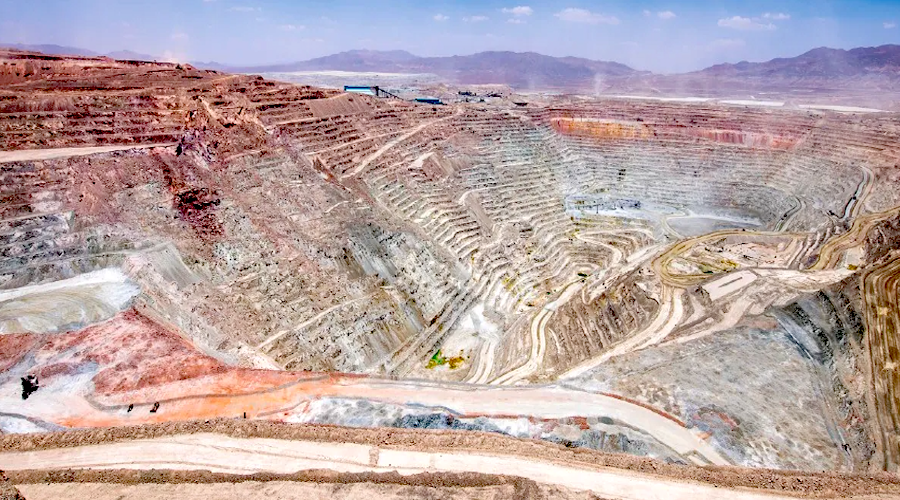
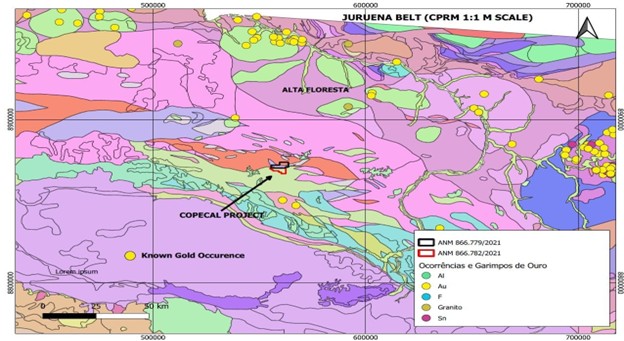


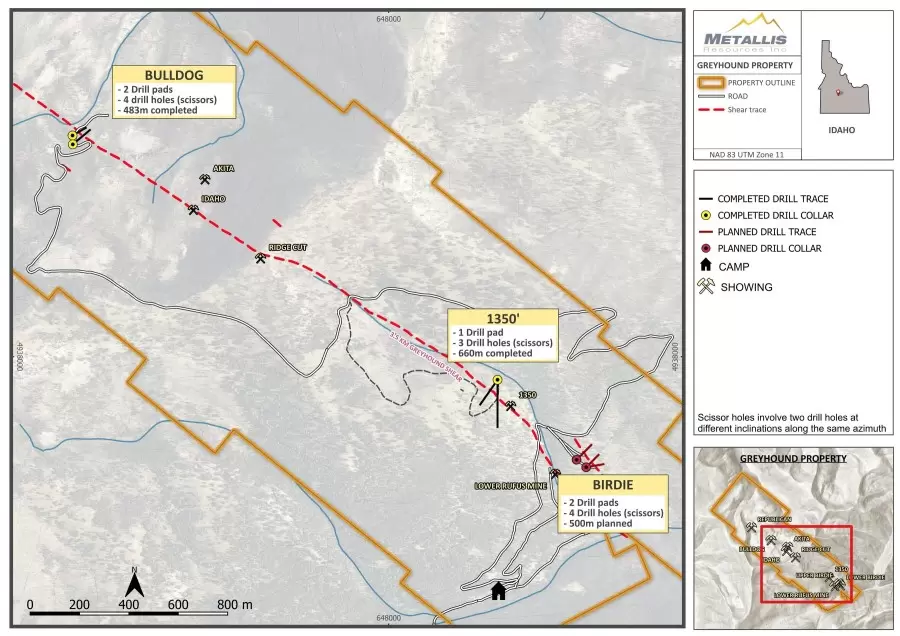


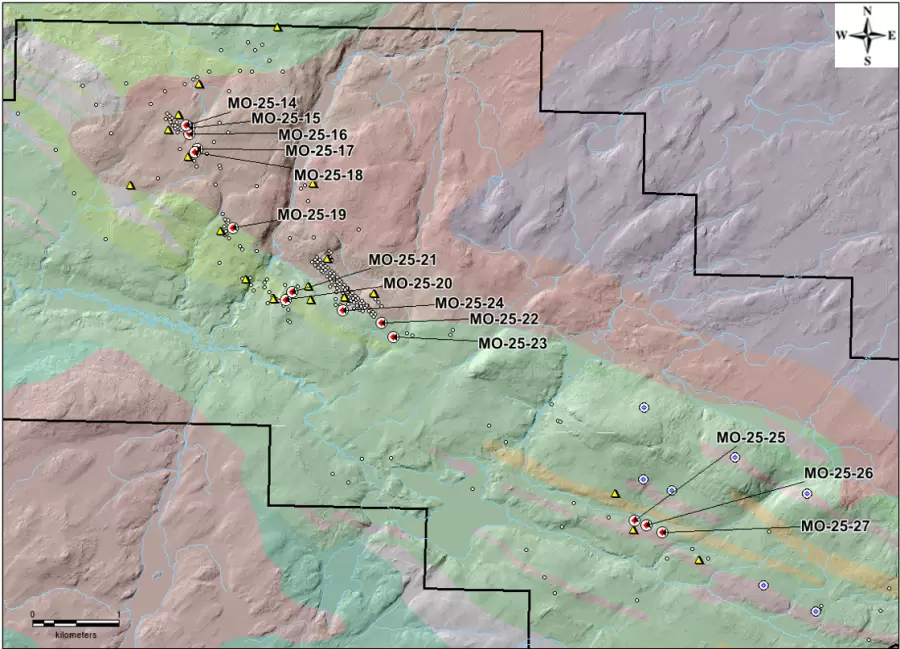

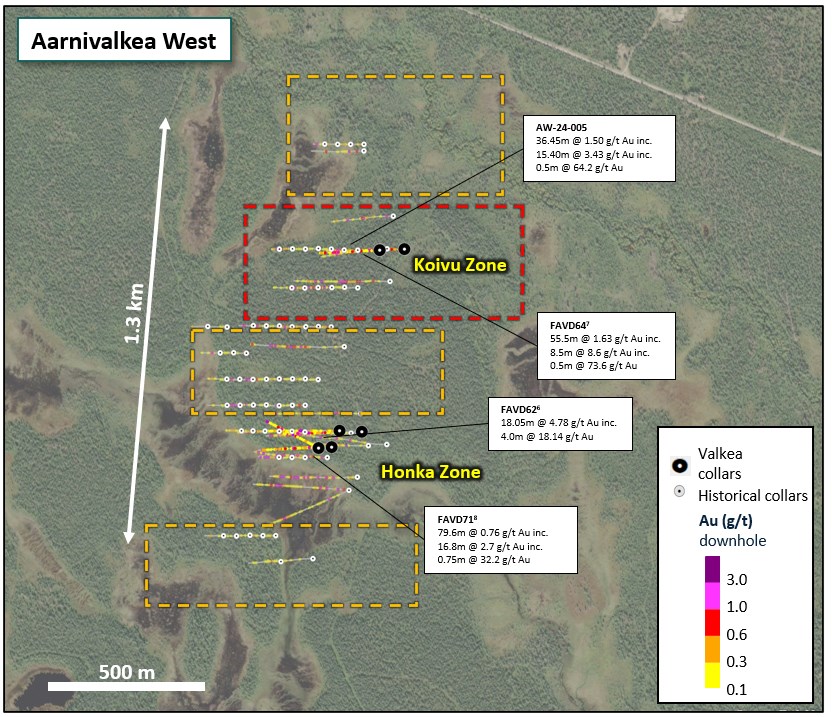

 Follow us on Twitter
 Become our facebook fan