



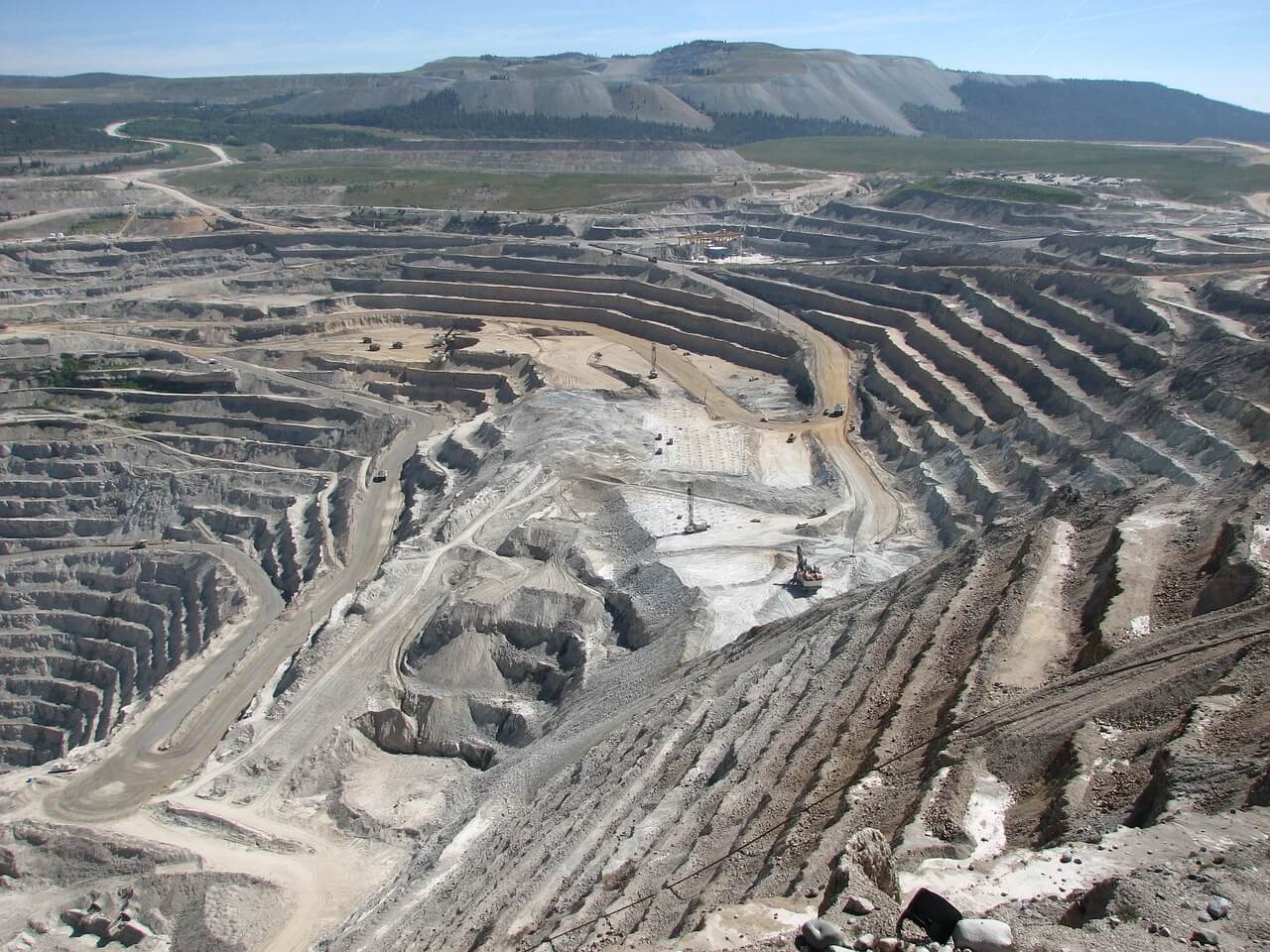
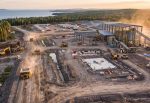
Image source: https://pixabay.com/photos/mining-mine-copper-1626484/
BHP has received the first key environmental approval required to advance its long-term investment program at the Escondida copper mine in northern Chile, allowing construction to begin on an initial US$1.3 billion infrastructure upgrade package.
The approval was granted by Chile’s Antofagasta Environmental Assessment Commission and covers modifications to sulphide leaching facilities and upgrades to electrical infrastructure at the operation. The approved work forms the opening stage of a multi-year investment program that could see between US$10.7 billion and US$14.7 billion invested across BHP’s Chilean copper assets.
Located in the Atacama Desert about 170 kilometres southeast of Antofagasta, Escondida is the world’s largest copper mine. BHP operates the mine with a 57.5% ownership interest. Rio Tinto holds 30%, while the remaining 12.5% is owned by the Japanese consortium JECO Corp.
Initial Approval Clears Path for Future Escondida Upgrades
The approved project represents the first construction package within a series of planned developments intended to maintain production from Escondida as ore grades continue to decline.
Following completion of the sulphide leaching and power upgrades, BHP plans to proceed with additional mine and processing plant investments, each requiring separate regulatory approvals prior to construction.
Among the largest planned developments is a new concentrator designed to replace the aging Los Colorados processing plant. BHP submitted the environmental application for that project in March 2026. The concentrator is expected to require between US$4.4 billion and US$5.9 billion in capital expenditure and is planned to maintain processing capacity at approximately 460,000 tonnes of ore per day.
If permitting proceeds as planned, construction of the concentrator could begin in early 2027, with first production targeted for 2031-2032.
Declining Ore Grades Drive Investment Strategy
The expansion program is primarily intended to offset the long-term decline in ore grades at Escondida, a challenge affecting many mature copper operations across Chile.
Lower grades mean larger volumes of rock must be mined and processed to produce the same amount of copper. Maintaining production, therefore, requires substantial investment in new processing infrastructure, mine development, and supporting facilities.
Escondida has produced approximately 38 million tonnes of copper since production began in 1990 and accounts for roughly 7% of the global mined copper supply. Maintaining output from an operation of that scale carries significance for the international copper market, particularly as demand continues to increase.
Copper consumption is expected to grow as investment in electricity networks, electric vehicles, renewable energy projects, and data centre construction continues, all of which require large quantities of the metal.
BHP Expands Investment Across Its Chilean Copper Portfolio
BHP has set a target to increase its global copper production to more than 2 million tonnes annually by the mid-2030s. Achieving that objective depends heavily on continued performance from its Chilean operations, with Escondida representing the company’s largest producing asset.
Alongside the Escondida expansion, BHP has submitted plans to restart and expand the Cerro Colorado copper mine in northern Chile through a separate US$1.5 billion project.
The company is also progressing development activities elsewhere in Chile, including its 50:50 partnership with Lundin Mining in the Vicuña district.
Altogether, BHP expects to invest between US$10.7 billion and US$14.7 billion across its Chilean operations during the coming years, making the program one of the largest mining investment commitments currently planned in South America.
Further Approvals Remain Before Full Program Moves Ahead
Although the latest decision allows work on the first stage to begin, additional environmental approvals are still required before the remaining projects can proceed.
Future applications covering the new concentrator, further mine upgrades, and other planned developments will each undergo Chile’s environmental review process before construction can commence.
The timeline for the complete investment program will therefore depend on the pace of regulatory approvals and continued progress in engineering, construction planning, and project execution. If completed according to schedule, the investment program is expected to support production from Escondida well into the 2040s.
 Follow us on Twitter
 Become our facebook fan




Comments are closed.