




As a global agricultural powerhouse, Brazil’s productivity is fundamental to worldwide food security. Yet, this strength has a significant vulnerability: an overwhelming reliance on imported potash, a critical fertilizer component. To solve this reliance, Brazil Potash is advancing its ambitious Autazes Project, a venture poised to dramatically shift the nation’s agricultural landscape by creating a secure, domestic source of this vital nutrient.
Brazil currently imports over 95% of the potash it consumes, exposing one of its most important economic sectors to volatile international prices and geopolitical supply chain risks. The Autazes Potash Project, located in Amazonas state, represents a direct and powerful response to this strategic challenge. With a projected annual production of 2.4 million tons, the project is set to supply approximately 17% of Brazil’s current potash demand, marking a major step toward fertilizer independence and economic resilience.
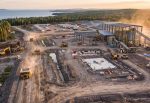
Recent months have seen the project transition from plan to reality with a series of key milestones demonstrating significant momentum. The company recently announced the completion of site preparation for its future port terminal on the Madeira River, a critical piece of infrastructure that will facilitate the efficient transport of potash to farmers throughout the country. This progress on the ground is a tangible indicator of the project’s advancement toward construction and eventual operation.
Financially, Brazil Potash has also signaled its growing strength and appeal to the investment community. The recent launch of Brazilian Depositary Receipts (BDRs) on the B3 stock exchange in São Paulo opens a new avenue for domestic investment in the project, reflecting confidence in its long-term viability and national importance.
The project’s strategic planning extends to its operational partnerships. A key alliance with Amaggi, one of Brazil’s largest agricultural producers and logistics operators, will leverage a low-cost, efficient river barge system for transportation. This partnership not only de-risks the logistical chain but also integrates the project directly with a major end-user, ensuring a streamlined path from mine to market.
While developing a project of this scale in the Amazon requires careful consideration of environmental and social factors, Brazil Potash has undertaken extensive planning and engagement. The company has secured essential environmental licenses from the state environmental agency, IPAAM, and engaged in a multi-year consultation process with local communities, including the Mura indigenous people, which resulted in majority support for the project’s development. Furthermore, the company has initiated programs for archaeological monitoring and rescue, underscoring a commitment to preserving the region’s cultural heritage alongside its economic development.
The Autazes Project is ultimately a piece of strategic national infrastructure. By substituting imports, the project is expected to generate substantial economic benefits, create thousands of direct and indirect jobs, and spur development in the Amazonas region. For Brazil’s farmers and the broader economy, the prospect of a stable, domestically produced supply of potash promises a more secure and prosperous future. As Brazil Potash continues to hit its development targets, it is paving the way for a new era of agricultural sovereignty for the nation.
 Follow us on Twitter
 Become our facebook fan




Comments are closed.