




The construction of the Autazes Potash Project by Brazil Potash has the potential to create a new economic anchor in the heart of the Amazon, delivering jobs and critical infrastructure that will reshape the region. This project exemplifies the power of Brazil’s construction industry, an engine for national development, which is currently engaged in a series of large-scale initiatives across the country aimed at modernizing infrastructure and securing economic independence.
Brazil’s construction sector is fundamental to its economy. As the country pushes forward with its Growth Acceleration Program (PAC), major investments are flowing into transportation, energy, and logistics. Projects like the expansion of the Fiol 2 railway, crucial for transporting iron ore, and the ongoing development of national highway corridors, demonstrate a nationwide commitment to building the infrastructure necessary for a modern economy. The Autazes project fits directly into this national strategy, and once built, will help address a critical vulnerability in the country’s agricultural supply chain while developing a remote region.
The project’s direct economic contributions begin with jobs. Brazil Potash will create approximately 1,300 direct jobs during the multi-year construction phase alone. Once the mine is operational, it will employ a permanent workforce of ~1,300 people. Economic models show that for every direct job, an estimated ten indirect jobs will be generated in support services, logistics, and local commerce, bringing the total employment impact to an estimated ~15,000 new jobs. This influx of opportunity targets the local workforce of Autazes and surrounding communities, providing stable, long-term employment in a region with limited economic alternatives. Crucially, the company has forged a strong partnership with the local Mura Indigenous people, ensuring they are priority candidates for employment and direct beneficiaries of the project’s economic output.
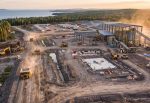
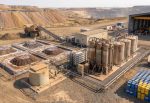
The project involves building an advanced underground mine, a large-scale ore processing plant, and a modern port facility on the banks of the Madeira River, a major artery for river transport. A key element of this undertaking is the construction of a 165-kilometre, 230kV transmission line. This power line will not only service the mine but will also connect an estimated 200,000 local residents to the national energy grid, ending their reliance on expensive and unreliable diesel generators and drastically improving their quality of life. Furthermore, the project necessitates the expansion and paving of the road connecting the mine complex to the new port, leaving behind a legacy of improved local transportation infrastructure.
Strategically, the Autazes project directly confronts one of Brazil’s biggest economic challenges. As an agricultural superpower, Brazil is the world’s leading producer of soybeans, coffee, and sugar, yet it imports over 95% of the potash required for its fertilizers. This dependency exposes its most important industry to global price shocks and geopolitical instability.
The Autazes mine has the potential to change this dynamic. Once fully constructed, the Autazes project is estimated to produce 2.4 million metric tons of potash annually, it will supply nearly 20% of Brazil’s needs. This domestic production will strengthen the country’s food security and improve its trade balance by saving approximately US$1 billion in foreign currency outflows each year.
The entire project is being executed with specific environmental and community considerations. The mine and facilities are being built on land that was cleared for cattle farming decades ago, thus avoiding new deforestation. Brazil Potash operates in strict compliance with environmental licenses from the Amazonas State Environmental Protection Agency (IPAAM), which include robust programs for fauna rescue and comprehensive environmental management. The strategic location on the Madeira River enables efficient and low-cost transportation via river barges. Connecting to Brazil’s renewable-heavy power grid will significantly reduce the operation’s carbon footprint compared to importing potash from overseas.
Ultimately, the Autazes Potash Project is a large-scale construction initiative that builds local capacity, enhances national economic sovereignty, and provides a clear model for responsible resource development in the Amazon.
 Follow us on Twitter
 Become our facebook fan




Comments are closed.