



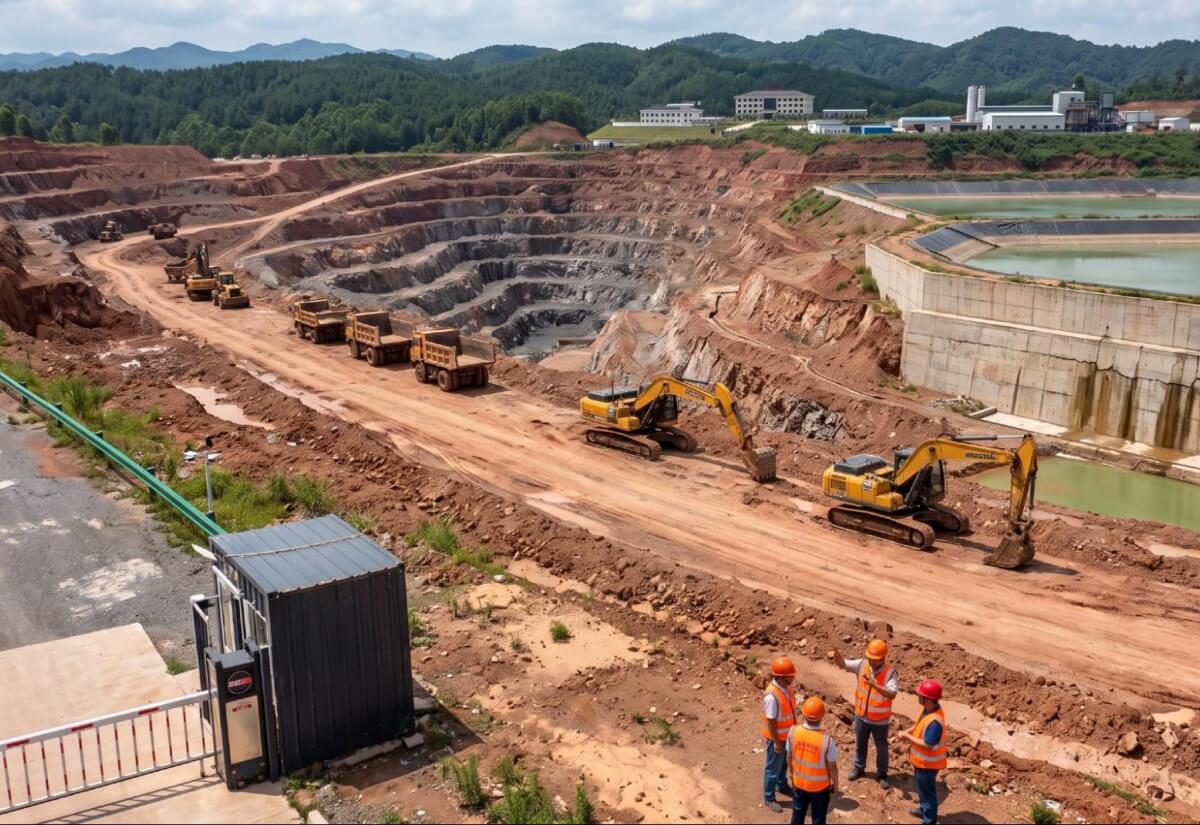
CATL’s Jianxiawo lithium mine in Jiangxi faces another delay after regulators revoked its environmental approval, forcing the company back into the environmental impact assessment process.
The development puts further pressure on expectations for a restart at China’s largest lithium mine by planned capacity. Benchmark Mineral Intelligence has reduced its estimate for Jianxiawo’s 2026 production to 32,000 tonnes of lithium carbonate equivalent (LCE) from 62,500 tonnes. Its 2027 forecast remains close to 99,000 tonnes LCE.
Environmental Approval Becomes Key Hurdle
Jianxiawo has been caught up in China’s tighter regulation of lithium resources since its mining licence expired in August 2025. The deposit contains lithium-bearing lepidolite clay, and changes to mineral classification rules brought additional licensing requirements.
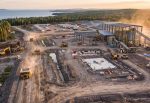
On June 29, 2026, CATL’s mining subsidiary obtained a new safety production permit, which raised expectations that operations could resume. Benchmark reviewed satellite imagery showing renewed work in June, but operations stopped again during the first week of August.
The latest setback comes after regulators revoked Jianxiawo’s environmental approval, forcing CATL to restart the environmental assessment process.
The mine also faces scrutiny over its tailings pond, with an unresolved dispute and more than 70 formal complaints.
Nearly 50% Cut to 2026 Output Forecast
Benchmark’s revised 2026 estimate represents a reduction of 30,500 tonnes LCE, equivalent to almost half of its previous forecast.
The lower estimate accounts for production already lost during the shutdown and the possibility that approval could slip into the fourth quarter. Benchmark has retained its estimate of approximately 99,000 tonnes LCE for 2027, although a longer approval process could alter that outlook.
Jianxiawo has planned annual capacity approaching 150,000 tonnes LCE, making the operation a significant source of potential Chinese supply. The mine’s scale means even a partial-year disruption could materially affect expected domestic output.
Other Jiangxi Mines Could Face Similar Actions
The regulatory action could also affect other lithium producers in Jiangxi.
Benchmark estimates that other mines in the province could contribute approximately 108,000 tonnes LCE in 2026. Authorities are examining mining operations and licences elsewhere in the region, raising the possibility of further interruptions if inspections identify similar problems involving waste management or tailings infrastructure.
Producers could also bring forward extraction if they fear future inspections may prevent them from using planned production quotas. This could shift supply timing even when annual production capacity remains intact.
Lithium Market Faces Tighter Supply Conditions
The prolonged outage at Jianxiawo comes as battery demand continues to rise.
Electric vehicle sales and stationary energy-storage deployment are increasing lithium consumption, while Chinese battery manufacturers continue to require large volumes of lithium chemicals.
China’s lithium carbonate futures market has also become a major pricing and hedging venue since its launch on the Guangzhou Futures Exchange in 2023. Increased trading activity has made expectations around domestic production more visible in prices.
For CATL, the immediate priority is completing the environmental approval process. Until that happens, Jianxiawo’s large production capacity remains unavailable at scale.
A restart during the fourth quarter would restore some lost 2026 supply. If approval extends into 2027, the market would have to account for another period without one of China’s largest potential lithium sources.
 Follow us on Twitter
 Become our facebook fan




Comments are closed.