Brazil Potash Corp. has detailed a series of commercial, financial, and operational milestones achieved in 2025 and outlined its priorities for the coming year as the company progresses on the Autazes Potash Project in Amazonas, Brazil.
Chief Executive Officer Matt Simpson said the year marked significant progress for the company. “2025 has been a transformative year for Brazil Potash, marked by exceptional progress across commercial, financial, operational, and community initiatives,” he said. He added that the company had “secured binding commitments for over 90% of our planned production, strengthened our world-class Board and leadership team, advanced critical site preparation, and deepened our partnerships with local communities.”
Offtake Agreements and Market Developments
Brazil Potash finalized two major offtake agreements in 2025 with Keytrade and Kimia Solutions (to a total of three offtake agreements), raising its total committed sales to roughly 91% of expected output. The contracts span between 10 and 17 years and are structured as binding take-or-pay arrangements. The company also introduced Brazilian Depositary Receipts on the B3 Exchange, giving domestic investors access to its fertilizer project.
Leadership Appointments
The company broadened its leadership group with several additions. Mayo Schmidt, former Chairman and CEO of Nutrien, became Executive Chairman. The Board added Christian Joerg, a veteran in agricultural commodities with extensive Middle East experience, while the Advisory Board added Marcelo Lessa, previously the Principal Investment Officer for agribusiness of the IFC/World Bank. Sergio Leite was named President of Potássio do Brasil, bringing experience in project financing and management of large industrial developments.
Site Preparation and Infrastructure Steps
Construction-related work progressed through vegetation management and preparation at both the plant and port sites. Brazil Potash also began archaeological monitoring and heritage education efforts. A memorandum of understanding was reached with Fictor Energia for approximately $200 million in a Build/Operate/Own/Transfer (BOOT) deal for the power line, a cost that the company said would be removed from its capital expenditure needs upon a final binding agreement.
Financing Actions
The company raised $28 million through a private placement with institutional investors and secured a $75 million equity line of credit with Alumni Capital. BTIG was mandated to lead project-level equity financing, and discussions continued with development finance institutions, export credit agencies, and commercial banks. Several of these organizations conducted visits to the project site, according to the company.
Community Initiatives
Brazil Potash said it expanded engagement with local Mura Indigenous communities during 2025 and opened discussions on an Impact Benefit Agreement. Thirteen memoranda of understanding were signed for training programs intended to prepare local workers for jobs in construction and eventual operations. The company also advanced fauna rescue work and environmental management activities in line with regulatory requirements.
2026 Priorities
The company’s agenda for 2026 centers on advancing engineering, financing, and early construction:
- Engineering: Advance detailed engineering work for mine shafts and the processing plant, identified as prerequisites for securing debt financing.
- Equity Partner: Continue efforts, led by BTIG, to secure a strategic equity investor at the project level.
- Infrastructure Funding: Seek third-party financing for specific components (similarly to the power line deal), including a river barge port, a steam plant, 20 MW of construction power infrastructure that will later serve as backup capacity, and trucking services between the plant and port.
- Workforce Training: Begin comprehensive training programs in local communities to prepare workers for project-related employment.
- Construction Activities: Order long-lead equipment and progress civil works once engineering milestones and financing arrangements are met.
Looking ahead, Simpson said the project is advancing amid broader supply-chain and agricultural challenges. “With binding commitments from Brazilian agricultural leaders, support from local communities, and a world-class team in place, Brazil Potash is positioned to deliver a project of national strategic importance,” he said. “In an era of unprecedented global challenges – from conflicts affecting fertilizer supply to climate impacts on agriculture – our project represents food security infrastructure that Brazil and the world desperately need. Every day we advance toward production is a day closer to more stable, secure food supply for billions of people worldwide.”
Brazil Potash Corp. (“Company”) has paid or will pay to [] (“Publisher”), in cash, the amount of US$[1000] for marketing services, including advertisements. This ad is part of publisher-paid marketing services. Such compensation should be understood as a relevant conflict of interest in relation to the publisher’s ability to maintain impartiality.
FORWARD-LOOKING STATEMENTS
This publication contains forward-looking statements, including statements regarding the expected growth of the company and/or the industry in question and planned future milestones of the Company. The publisher notes that such statements, because they involve information different from historical data, imply risks and uncertainties that could affect the actual results of operations. Factors that may cause discrepancies include, but are not limited to: government regulations on potash production, market size and growth, short-term and long-term financing capacity, project execution, and price pressure.

In its latest ruling, the Federal Regional Court of Brazil’s 1st Region (TRF-1) issued a unanimous judgment endorsing the Potássio Autazes project by Brazil Potash and rejecting challenges filed by the Manaus Federal Public Prosecutor’s Office and regional NGOs. The court published its ruling on June 6, 2025, confirming that the procedural and substantive aspects of the licensing and consultation process complied with legal requirements.
At the heart of the ruling was validation of consultations carried out by the Mura Indigenous Council (CIM) among Indigenous communities in Autazes following United Nations protocols. The court accepted that the threshold of at least 60 percent of participating communities supported the project had been met (CIM cite the actual support from their vote is >90%). In voting, Judge Flávio Jardim argued that “There does not seem to exist arguments that may allow, at least in summary cognition, that the consultation … was not carried out in good faith and in a way appropriate to the circumstances.” According to the decision, while those communities excluded from consultation should be heard in the future, their dissent does not carry veto power over the project’s continuation.
Another central issue before the court was the legitimacy of the environmental licensing authority. Opponents had argued that the federal environmental protection agency IBAMA should oversee licensing due to the project’s proximity to Indigenous lands. The TRF-1 rejected this argument, holding that because the land in question has not been demarcated as Indigenous territory, the Amazonas state environmental agency, IPAAM, is competent to issue the environmental licenses required for project construction. The court further noted that, should the area later be declared Indigenous land, a congressional regulation would be needed to define the validity of acts undertaken prior to demarcation.
This latest ruling builds on previous TRF-1 decisions. In February 2024, the court overturned a lower court injunction that had suspended the licensing process, restoring the ability for IPAAM to issue permits. In May 2025, a special session of TRF-1 had already affirmed IPAAM’s authority and suspended the effects of a prior Manaus court decision, in which had shifted jurisdiction to IBAMA. With the court’s decision now published, the court leaves no lingering question of the authority of IPAAM or the validity of the consultation at this judicial stage.
By affirming both licensing competence and the legitimacy of the consultation, the court’s decision clears a major legal obstacle for Brazil Potash’s Autazes project. The authorization of prior licenses under IPAAM now stands judicially reinforced, enabling the project to proceed into its next development phases with legal certainty.
Brazil Potash’s Autazes potash project, led by its 100% owned subsidiary Potássio do Brasil, proposes the exploration and extraction of a sylvinite deposit located about 120 km from Manaus in the state of Amazonas. The project, once in production, is anticipated to supply up to 17 percent of Brazil’s demand for potash for over 30 years, reducing dependence on global imports—particularly given supply disruptions stemming from the Russia–Ukraine war and sanctions on Belarus. It anticipates total investments in the order of R$ 13 billion and the generation of more than 17,000 direct and indirect jobs over its operational life.
With TRF-1’s ruling affirming legal and procedural foundations, Brazil Potash gains reinforced judicial backing and momentum toward implementation.
BRAZIL POTASH CORP., or the “Company,” has or will pay [MiningFeeds] (“Publisher”) $1,000 in cash for marketing services, including advertisements. This advertisement is part of those issuer-paid marketing services. This compensation should be viewed as a major conflict with the Publisher’s ability to be unbiased.
FORWARD LOOKING STATEMENTS. This publication contains forward-looking statements, including statements regarding expected continual growth of the featured company and/or industry. The Publisher notes that statements contained herein that look forward in time, which include everything other than historical information, involve risks and uncertainties that may affect the companies’ actual results of operations. Factors that could cause actual results to differ include, but are not limited to, future legal cases and court rulings, government regulations concerning potash production, the size and growth of the market for potash, the companies’ ability to fund its capital requirements in the near term, the ability to construct the project and long term, pricing pressures, etc.

Leaders from Brazil Potash Corp. have received a formal invitation from the Mura Indigenous Council – CIM to participate in the annual Mura Indigenous Cultural Festival (FECIM) on August 29th and 30th.
The invitation was extended to CEO Matt Simpson, Raphael Bloise, the Interim President of Potássio do Brasil, and Advisory Board Director Con Steers. The company executives are invited to join community events during the festival, which will be held at Jair Tupinambá Park in Autazes. Additionally, the Tuxaua (chief) and leaders of the Aldeia Patauá village extended a separate invitation for the company leaders to attend a lunch in the village.
The company noted that the invitations signify a strengthening partnership with the Mura communities, who are key stakeholders in the development of the company’s Autazes Potash Project.
“We are deeply honored by these invitations from the Mura Indigenous Council – CIM and the Tuxaua and leaders of Aldeia Patauá,” said Matt Simpson, CEO of Brazil Potash. “This reflects the genuine partnership we have built with the Mura people and their continued support for our project. FECIM represents an important celebration of Mura culture and our shared commitment to sustainable development.”
This event follows a Preliminary Cooperation Agreement signed between the two parties in January 2025, which formalized steps toward creating a sustainable development program referred to as “Mura Well Being.”
The Mura Indigenous Council (CIM) represents more than 18,000 Mura Indigenous people across the Madeira River region.
ISSUER-PAID ADVERTISEMENT. BRAZIL POTASH CORP., or the “Company,” has or will pay [] (“Publisher”) in cash $[________1000_____] for marketing services, including advertisements. This advertisement is part of those issuer-paid marketing services. This compensation should be viewed as a major conflict with the Publisher’s ability to be unbiased.
FORWARD LOOKING STATEMENTS. This publication contains forward-looking statements, including statements regarding expected continual growth of the featured company and/or industry. The Publisher notes that statements contained herein that look forward in time, which include everything other than historical information, involve risks and uncertainties that may affect the companies’ actual results of operations. Factors that could cause actual results to differ include, but are not limited to, government regulations concerning potash production, the size and growth of the market for potash, the companies’ ability to fund its capital requirements in the near term, the ability to construct the project and long term, pricing pressures, etc.

Brazil Potash Corp. is rapidly advancing the development of its flagship Autazes Potash Project in Amazonas, delivering key milestones that bring the company closer to domestic potash production and reduced reliance on imports. With Brazil currently importing over 95% of the potash it uses, the Autazes project is a strategic national asset. Once operational, it will supply ~20% of the country’s needs, positioning Brazil Potash as a critical player in the nation’s agricultural supply chain.
Key Installation Licenses for Construction Secured Throughout 2024, Brazil Potash received 21 Installation Licenses for Autazes Project construction from the State of Amazonas Environmental Protection Agency (IPAAM) covering the mine shafts, processing plant, road and port. These licenses authorize the company to begin full-scale construction at the Autazes site. It’s a major regulatory step, confirming Brazil Potash’s compliance with all environmental and technical requirements.These licenses also reflect the successful completion of an extensive review process, including environmental studies and stakeholder engagement, allowing the company to start building core infrastructure.
Port Terminal Development Underway To support efficient logistics, Brazil Potash plans to build a dedicated port terminal on the Madeira River. In May 2025, the company completed site preparation for this terminal, a key logistical asset that will support the transport of potash to Brazil’s central farming regions. By relying on river barges instead of truck transport, the company projects a reduction of up to 1.4 million tons of CO₂ emissions per year compared to traditional methods. This aligns with Brazil Potash’s stated goal of minimizing environmental impact through smarter infrastructure planning.
Advancing Environmental Protections In April 2025, Brazil Potash signed a critical fauna rescue contract with Ecology Suporte Ambiental e Engenharia. The contract covers the safe relocation of wildlife from areas scheduled for vegetation suppression and construction. These activities are taking place under approved vegetation suppression permits, and all rescue operations follow guidelines from Brazil’s IBAMA and IPAAM agencies.This move ensures that environmental protection efforts are embedded into every stage of project development. The fauna rescue program is one of several components of the company’s broader environmental management plan.
Financial Strength and Construction Readiness Earlier this year, Brazil Potash reported strong progress on the financial front, including commercial offtake agreements and access to a $75 million equity line of credit.Once operational, the project will supply 2.4 million tons of potash annually, with scalable potential in later phases. With logistics infrastructure in place, environmental safeguards enforced, Brazil Potash is now positioned to enter the domestic fertilizer market.
ISSUER-PAID ADVERTISEMENT. BRAZIL POTASH CORP., or the “Company,” has or will pay [] (“Publisher”) in cash $[1000 for marketing services, including advertisements. This advertisement is part of those issuer-paid marketing services. This compensation should be viewed as a major conflict with the Publisher's ability to be unbiased. FORWARD LOOKING STATEMENTS. This publication contains forward-looking statements, including statements regarding expected continual growth of the featured company and/or industry. The Publisher notes that statements contained herein that look forward in time, which include everything other than historical information, involve risks and uncertainties that may affect the companies’ actual results of operations. Factors that could cause actual results to differ include, but are not limited to, government regulations concerning potash production, the size and growth of the market for potash, the companies’ ability to fund its capital requirements in the near term, the ability to construct the project and long term, pricing pressures, etc.

As a global agricultural powerhouse, Brazil’s productivity is fundamental to worldwide food security. Yet, this strength has a significant vulnerability: an overwhelming reliance on imported potash, a critical fertilizer component. To solve this reliance, Brazil Potash is advancing its ambitious Autazes Project, a venture poised to dramatically shift the nation’s agricultural landscape by creating a secure, domestic source of this vital nutrient.
Brazil currently imports over 95% of the potash it consumes, exposing one of its most important economic sectors to volatile international prices and geopolitical supply chain risks. The Autazes Potash Project, located in Amazonas state, represents a direct and powerful response to this strategic challenge. With a projected annual production of 2.4 million tons, the project is set to supply approximately 17% of Brazil’s current potash demand, marking a major step toward fertilizer independence and economic resilience.
Recent months have seen the project transition from plan to reality with a series of key milestones demonstrating significant momentum. The company recently announced the completion of site preparation for its future port terminal on the Madeira River, a critical piece of infrastructure that will facilitate the efficient transport of potash to farmers throughout the country. This progress on the ground is a tangible indicator of the project’s advancement toward construction and eventual operation.
Financially, Brazil Potash has also signaled its growing strength and appeal to the investment community. The recent launch of Brazilian Depositary Receipts (BDRs) on the B3 stock exchange in São Paulo opens a new avenue for domestic investment in the project, reflecting confidence in its long-term viability and national importance.
The project’s strategic planning extends to its operational partnerships. A key alliance with Amaggi, one of Brazil’s largest agricultural producers and logistics operators, will leverage a low-cost, efficient river barge system for transportation. This partnership not only de-risks the logistical chain but also integrates the project directly with a major end-user, ensuring a streamlined path from mine to market.
While developing a project of this scale in the Amazon requires careful consideration of environmental and social factors, Brazil Potash has undertaken extensive planning and engagement. The company has secured essential environmental licenses from the state environmental agency, IPAAM, and engaged in a multi-year consultation process with local communities, including the Mura indigenous people, which resulted in majority support for the project’s development. Furthermore, the company has initiated programs for archaeological monitoring and rescue, underscoring a commitment to preserving the region’s cultural heritage alongside its economic development.
The Autazes Project is ultimately a piece of strategic national infrastructure. By substituting imports, the project is expected to generate substantial economic benefits, create thousands of direct and indirect jobs, and spur development in the Amazonas region. For Brazil’s farmers and the broader economy, the prospect of a stable, domestically produced supply of potash promises a more secure and prosperous future. As Brazil Potash continues to hit its development targets, it is paving the way for a new era of agricultural sovereignty for the nation.
ISSUER-PAID ADVERTISEMENT. BRAZIL POTASH CORP., or the “Company,” has or will pay [MiningFeeds] (“Publisher”) in cash $[1,000] for marketing services, including advertisements. This advertisement is part of those issuer-paid marketing services. This compensation should be viewed as a major conflict with Publisher’s ability to be unbiased.
FORWARD LOOKING STATEMENTS. This publication contains forward-looking statements, including statements regarding expected continual growth of the featured company and/or industry. The Publisher notes that statements contained herein that look forward in time, which include everything other than historical information, involve risks and uncertainties that may affect the companies’ actual results of operations. Factors that could cause actual results to differ include, but are not limited to, government regulations concerning potash production, the size and growth of the market for potash, the companies’ ability to fund its capital requirements in the near term, the ability to construct the project and long term, pricing pressures, etc.

The construction of the Autazes Potash Project by Brazil Potash has the potential to create a new economic anchor in the heart of the Amazon, delivering jobs and critical infrastructure that will reshape the region. This project exemplifies the power of Brazil’s construction industry, an engine for national development, which is currently engaged in a series of large-scale initiatives across the country aimed at modernizing infrastructure and securing economic independence.
Brazil’s construction sector is fundamental to its economy. As the country pushes forward with its Growth Acceleration Program (PAC), major investments are flowing into transportation, energy, and logistics. Projects like the expansion of the Fiol 2 railway, crucial for transporting iron ore, and the ongoing development of national highway corridors, demonstrate a nationwide commitment to building the infrastructure necessary for a modern economy. The Autazes project fits directly into this national strategy, and once built, will help address a critical vulnerability in the country’s agricultural supply chain while developing a remote region.
The project’s direct economic contributions begin with jobs. Brazil Potash will create approximately 1,300 direct jobs during the multi-year construction phase alone. Once the mine is operational, it will employ a permanent workforce of ~1,300 people. Economic models show that for every direct job, an estimated ten indirect jobs will be generated in support services, logistics, and local commerce, bringing the total employment impact to an estimated ~15,000 new jobs. This influx of opportunity targets the local workforce of Autazes and surrounding communities, providing stable, long-term employment in a region with limited economic alternatives. Crucially, the company has forged a strong partnership with the local Mura Indigenous people, ensuring they are priority candidates for employment and direct beneficiaries of the project’s economic output.
The project involves building an advanced underground mine, a large-scale ore processing plant, and a modern port facility on the banks of the Madeira River, a major artery for river transport. A key element of this undertaking is the construction of a 165-kilometre, 230kV transmission line. This power line will not only service the mine but will also connect an estimated 200,000 local residents to the national energy grid, ending their reliance on expensive and unreliable diesel generators and drastically improving their quality of life. Furthermore, the project necessitates the expansion and paving of the road connecting the mine complex to the new port, leaving behind a legacy of improved local transportation infrastructure.
Strategically, the Autazes project directly confronts one of Brazil’s biggest economic challenges. As an agricultural superpower, Brazil is the world’s leading producer of soybeans, coffee, and sugar, yet it imports over 95% of the potash required for its fertilizers. This dependency exposes its most important industry to global price shocks and geopolitical instability.
The Autazes mine has the potential to change this dynamic. Once fully constructed, the Autazes project is estimated to produce 2.4 million metric tons of potash annually, it will supply nearly 20% of Brazil’s needs. This domestic production will strengthen the country’s food security and improve its trade balance by saving approximately US$1 billion in foreign currency outflows each year.
The entire project is being executed with specific environmental and community considerations. The mine and facilities are being built on land that was cleared for cattle farming decades ago, thus avoiding new deforestation. Brazil Potash operates in strict compliance with environmental licenses from the Amazonas State Environmental Protection Agency (IPAAM), which include robust programs for fauna rescue and comprehensive environmental management. The strategic location on the Madeira River enables efficient and low-cost transportation via river barges. Connecting to Brazil’s renewable-heavy power grid will significantly reduce the operation’s carbon footprint compared to importing potash from overseas.
Ultimately, the Autazes Potash Project is a large-scale construction initiative that builds local capacity, enhances national economic sovereignty, and provides a clear model for responsible resource development in the Amazon.
ISSUER-PAID ADVERTISEMENT. BRAZIL POTASH CORP., or the “Company,” has or will pay [MiningFeeds] (“Publisher”) in cash $[1,000] for marketing services, including advertisements. This advertisement is part of those issuer-paid marketing services. This compensation should be viewed as a major conflict with Publisher’s ability to be unbiased.
FORWARD LOOKING STATEMENTS. This publication contains forward-looking statements, including statements regarding expected continual growth of the featured company and/or industry. The Publisher notes that statements contained herein that look forward in time, which include everything other than historical information, involve risks and uncertainties that may affect the companies’ actual results of operations. Factors that could cause actual results to differ include, but are not limited to, government regulations concerning potash production, the size and growth of the market for potash, the companies’ ability to fund its capital requirements in the near term, the ability to construct the project and long term, pricing pressures, etc.
The above references an opinion and is for information purposes only. It is not intended to be investment advice. Seek a licensed professional for investment advice. The author is not an insider or shareholder of any of the companies mentioned above.
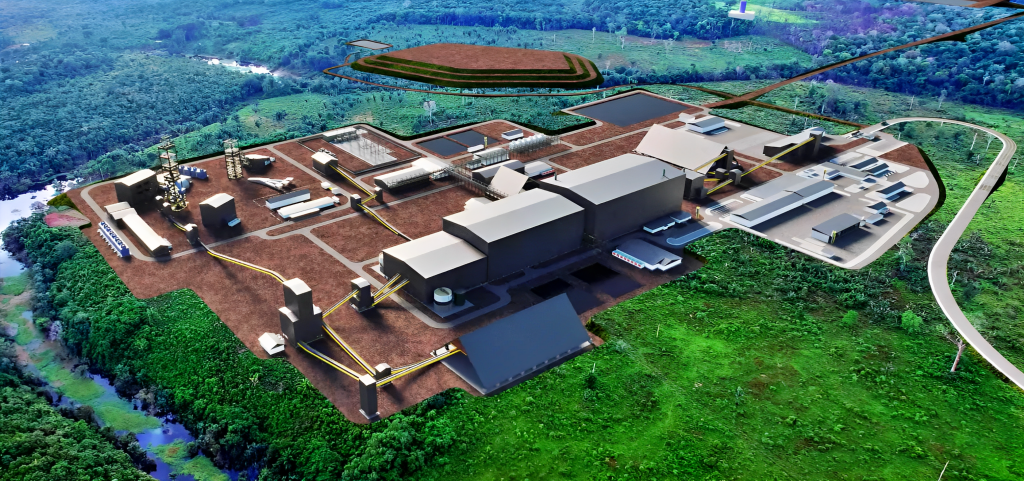
Brazil Potash has successfully obtained all the necessary permits and licenses for the construction of its Autazes Potash Project. This development marks a significant milestone in Brazil’s efforts to enhance food security both domestically and globally. The Project is strategically located in the municipality of Autazes, Amazonas, and is set to become a critical component of the nation’s agricultural sector.
Adriano Espeschit, President of Potássio do Brasil, commented in a press release: “This crucial achievement allows us to move forward in the construction of the large-scale project, which has already started with initial activities on site, but will last an average of four years to be fully ready for operation. We are finalizing the planning of necessary tasks, such as the relocation of wildlife, archaeological surveys, and the suppression of vegetation in an appropriate and environmentally responsible way. These preparatory efforts are essential to lay the groundwork for the start of civil works by the end of this year. Until then, we are preparing for large-scale construction activities on several fronts, representing a significant advancement in the development schedule of our Project. We believe that the Project will create increased benefits for the communities in the region.”
Project Location and Environmental Considerations
The Autazes Potash Project is situated on low-density former cattle farmland in the municipality of Autazes, Amazonas. Notably, the construction and operation of the Project will have no impact on any primary growth rainforest. This consideration is crucial given the global concern over deforestation and environmental degradation in the Amazon region. Brazil Potash has emphasized its commitment to environmental sustainability throughout the planning and development stages of the Project.
Licensing and Permits
Brazil Potash, through its wholly-owned subsidiary Potássio do Brasil Ltda., has obtained a total of 21 Installation Licenses, Specific Environmental Licenses, and Authorizations for the Capture, Collection, and Transport of Wild Fauna. These were issued by the Institute of Environmental Protection of Amazonas (IPAAM). The licenses cover all aspects of the Project, including the sinking of two mine shafts, the construction of the processing plant, a river barge port, and a 13-kilometer road connecting the processing plant to the port.
Initial Construction Activities
Preliminary construction activities for the Project have already commenced, facilitated by the issuance of some earlier Installation Licenses. Among these activities, the drilling of two wells for drinking water collection was completed. Each well reached a depth of approximately 130 meters. These initial works were carried out near the village of Urucurituba in Autazes. The Project has already started to benefit the local community, particularly through the contraction of local accommodation services and food service providers.
Community Impact and Job Creation
Brazil Potash is committed to ensuring strict compliance with all environmental criteria established in the licensing documents for the Autazes Potash Project. As construction progresses, the Company expects to create significant opportunities for the communities of Autazes and the surrounding region. The procedures for hiring personnel for civil construction have already been initiated, and a network of service providers and suppliers is being developed. These stakeholders can register for free on the Potássio do Brasil website, allowing them to participate in the Project’s growth.
The construction of the Autazes Potash Project is expected to have a far-reaching impact on both regional and national development. Most importantly, it will play a crucial role in enhancing food security in Brazil and the world by ensuring a steady supply of potash, a key fertilizer in agricultural production.
Future Development and Operational Phase
Upon the completion of the construction phase, and following government inspection to ensure compliance with safety standards and Brazilian legislation, Potássio do Brasil anticipates receiving the required Operating License and Mining Concession. The Project is projected to have an extraction and operational period of at least 23 years, during which potash ore will be mined and processed to support agricultural needs.
Commitment to Sustainability
Brazil Potash has also made a strong commitment to sustainability by pledging to use primarily renewable energy sources for its operations. This commitment aligns with Brazil’s national strategy to maintain its position as a global leader in renewable energy adoption. By leveraging renewable energy, the Company aims to offset approximately 1.2 million tons of carbon emissions annually, contributing positively to the global fight against climate change.
The power grid operations of the Autazes Potash Project will be connected to the national grid via a transmission line, ensuring a reliable and sustainable power supply. This connection will also bring benefits to local communities that currently depend on diesel generators, providing them with a cleaner and more sustainable energy source.
The fully permitted status of the Autazes Potash Project is a major achievement for Brazil Potash and the broader Brazilian agricultural sector. With all necessary licenses and permits in place, the Company is poised to move forward with the construction and eventual operation of a project that promises to enhance food security, support regional development, and contribute to environmental sustainability.
The above references an opinion and is for information purposes only. It is not intended to be investment advice. Seek a licensed professional for investment advice. The author is not an insider or shareholder of any of the companies mentioned above.
Sepror and Potássio do Brasil (Brazil Potash) have joined forces to push forward the development of the mining industry in Amazonas, a move set to generate thousands of jobs within the next four years. This collaboration aims to explore the mineral sylvinite, the primary raw material for potassium, in the municipality of Autazes, located 113 kilometers from Manaus.
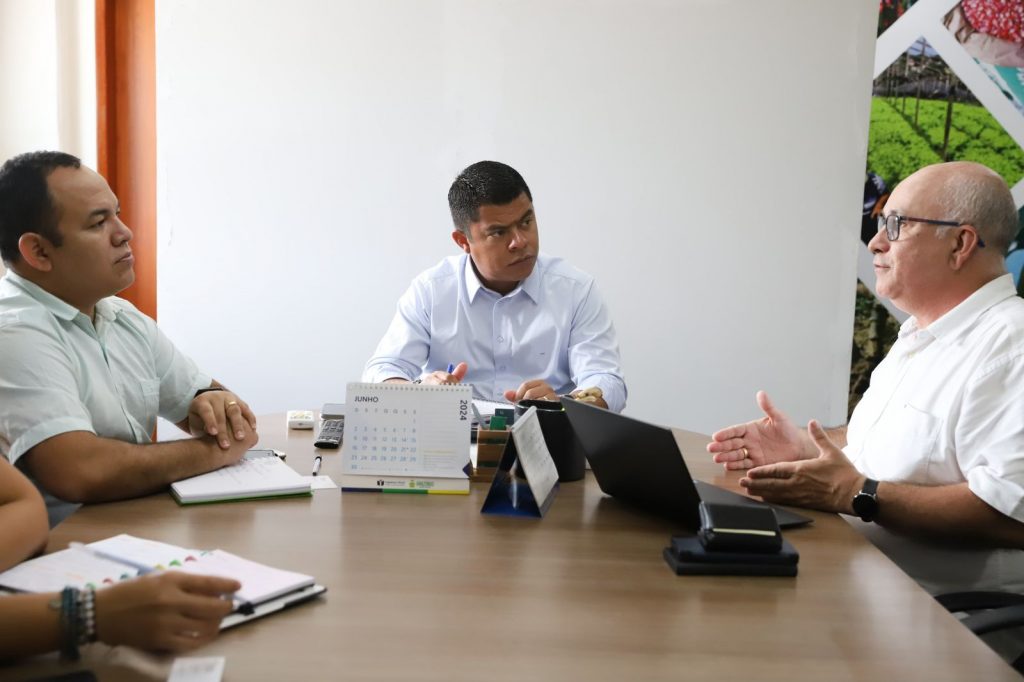
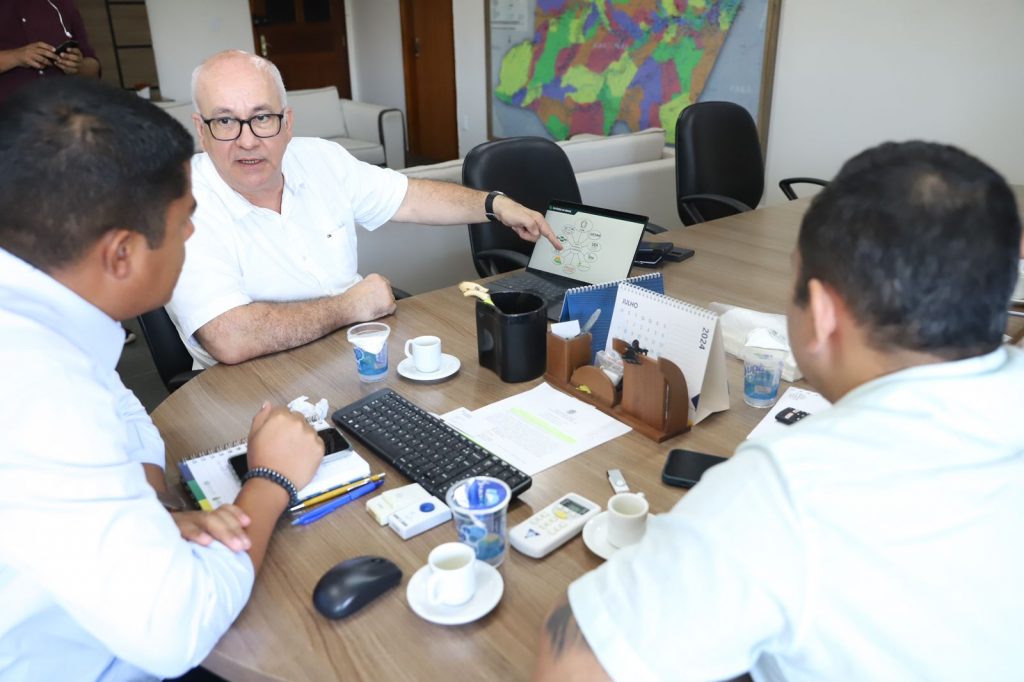
Potássio do Brasil Ltda, led by president Adriano Espeschit, is at the forefront of this project. The company is already in the implementation phase, complying with various legal and environmental standards. This Wednesday, Espeschit met with the Secretary of State for Rural Production, Daniel Borges, and executive secretaries Larissa França and Eirie Vinhote to discuss a Technical Cooperation Agreement (TCT). This agreement aims to benefit the communities in the Rio Madeira region where the mining industry will be established.
Daniel Borges commented: “We, as the Government of Amazonas, support the Autazes Potassium Project with great enthusiasm, understanding that the demand for this mineral is large and permanent, that is, it will greatly help the Brazilian Primary Sector, in addition to the benefits of implementing this structure in the interior of our state, which will benefit thousands of people with new job opportunities, all aligned with the Amazon region and its specificities.”
The exploration of sylvinite has been contemplated for over 30 years. Now, it is on the verge of becoming a reality, promising to bring significant economic benefits to the local population. The projects under this initiative will include individual and collective training, as well as the creation of new businesses to supply products and services, such as uniforms and food for the employees of Potássio do Brasil.
Daniel Borges emphasized that the development of the Primary Sector is a key priority for Governor Wilson Lima. The exploration of Autazes Sylvinite stands out as a major driver of this development. Potássio do Brasil plans to occupy a 500-hectare area for the exploration of sylvinite. However, the company’s social commitments extend beyond this area. They include acquiring land for economically viable crops, which was among the topics discussed during the meeting. These proposals aim to bring development to the indigenous communities and tribes of the Mura ethnic group residing in the region.
“Potassio do Brasil began investing in the Amazon in 2016 and we have already outlined several projects that will bring sustainable development to this region, even before the Silvinita mining industry began operating. So, in addition to all the licensing and authorization, we are seeking out stakeholders like Sepror, to be as assertive as possible regarding the needs of the communities and the correct way to reach them. I am grateful for the reception and I assure you that I am optimistic about the possibility of a partnership with Sepror”, highlighted Adriano Espeschit.
Potássio do Brasil has guaranteed that at least 80% of the workforce in the silvinite exploration industry will be sourced from Amazonas, with a preference for individuals from the Autazes region. This commitment opens up numerous opportunities for training and employment for the local population.
In addition to this major project, Potássio do Brasil has already initiated several other projects in collaboration with various institutions. One notable partnership is with the Brazilian Agricultural Research Corporation (Embrapa). Together, they have established two native tree seedling nurseries, which have produced tens of thousands of trees. Two indigenous staff members have planted at least 60,000 trees on deforested and degraded lands, contributing significantly to the restoration of the green layer above ground.
The partnership between Sepror and Potássio do Brasil marks a significant step forward in the development of the mining industry in Amazonas. With the alignment of the Technical Cooperation Agreement and the ongoing projects, this collaboration promises to bring economic growth, job creation, and environmental restoration to the region. The exploration of sylvinite in Autazes is set to become a cornerstone of Amazonas’ economic development, benefiting both the local population and the broader region.
The above references an opinion and is for information purposes only. It is not intended to be investment advice. Seek a licensed professional for investment advice. The author is not an insider or shareholder of any of the companies mentioned above.
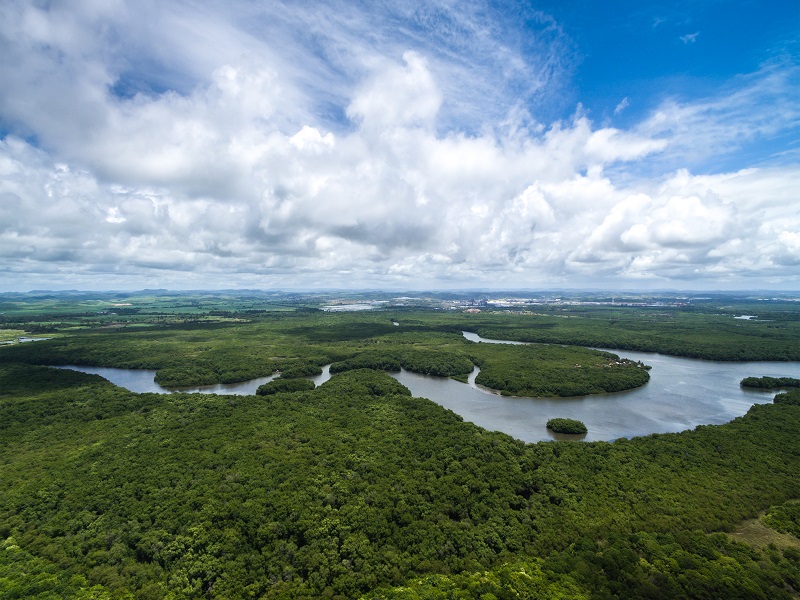
Brazil Potash has announced the formation of an advisory board to support the advancement of its Autazes potash project towards construction. The board will be chaired by Mayo Schmidt and includes Kátia Abreu, Luis Adams, Helio Diniz, Maria Claudia Guimaraes, Cidinho Santos, and William Steers. These individuals bring a wealth of experience in various sectors, particularly in Brazil’s agricultural, legal, financial, and mining industries.
Brazil Potash’s Executive Chairman Stan Bharti commented “Brazil Potash has assembled a very impressive advisory board with extensive depth of networks in the fertilizer sector, Brazil’s government and the investment community that will contribute meaningfully to transitioning our construction ready Autazes Project into the next major potash producer. Each advisory board member is a skilled leader with a strong network that will provide good advice and insights to our international board of directors with majority having on-the-ground presence in the heartland of Brazil’s farming community, Mato Grosso.”
Mayo Schmidt, the advisory board chair, has an extensive background in leading major companies. He previously served as Chairman and CEO of Nutrien, the world’s largest potash producer, where he managed global acquisitions and initial public offerings. Schmidt also held top positions at Viterra and Hydro One and has a history of working with major agricultural companies like General Mills and ConAgra.
Kátia Abreu, a former Brazilian Minister of Agriculture and Senator, brings significant political and agricultural expertise. Abreu has served as head of Brazil’s National Agriculture and Livestock Confederation, representing over a million producers. She was also a vice-presidential candidate in Brazil’s 2018 elections.
Luis Adams, a former Attorney General of Brazil, offers legal expertise. Adams is currently a partner at Tauil Chequer Advogados, associated with Mayer Brown in São Paulo. His tenure as Attorney General under Presidents Lula and Dilma saw him lead major judiciary cases and environmental agreements.
Helio Diniz, one of Brazil Potash’s founders, has over 40 years of experience in mining. He played a crucial role in the development of Brazil’s Sao Bento gold mine and the discovery of the Araguaia Nickel Deposit. Diniz also has experience with Xstrata and Forbes & Manhattan Inc., founding several companies, including Aguia Metais, Belo Sun Mining, and Irati Petroleo e Energia.
Maria Claudia Guimaraes brings financial market experience, having held senior positions at Bank of America Merrill Lynch, ING Bank, and ABN AMRO. She has served as an independent director for companies like Petrobras and currently runs Baobá Investimentos, a strategic financial advisory firm.
Cidinho Santos, a former Senator for Mato Grosso, focuses on agriculture. He co-owns Unibras Industria e Comercio de Biodiesel Ltda. and Uniao Avicola Agroindustrial Ltda., which are involved in biodiesel production and poultry processing.
William Steers has over three decades of experience in capital markets and project development in Brazil. He has worked with Docas Investimentos S.A. and served as an independent director for Petro Rio S.A., Brazil’s largest private oil and gas company.
Brazil Potash’s domestic production is expected to significantly impact global food security. Brazil, a leading exporter of agricultural goods, currently imports over 95% of its potash needs despite having one of the largest potash basins in its backyard. The company aims to reduce greenhouse gas emissions by cutting maritime transportation and producing potash locally.
Brazil Potash’s project is nearing construction readiness, with a completed feasibility study, EISA, and most necessary permits obtained. The company expects to deliver potash at competitive costs, contributing to Brazil’s agricultural sector and reducing environmental impact.
The above references an opinion and is for information purposes only. It is not intended to be investment advice. Seek a licensed professional for investment advice. The author is not an insider or shareholder of any of the companies mentioned above.

The above references an opinion and is for information purposes only. It is not intended to be investment advice. Seek a licensed professional for investment advice. The author is not an insider or shareholder of any of the companies mentioned above.

The above references an opinion and is for information purposes only. It is not intended to be investment advice. Seek a licensed professional for investment advice. The author is not an insider or shareholder of any of the companies mentioned above.

In a major milestone for Potássio do Brasil, a subsidiary of Brazil Potash, the company announced on May 3, 2024 that it has begun the implementation activities of the Autazes Potash Project on May 1, 2024. The first equipment has arrived in the village of Urucurituba, in Autazes, Amazonas, and the initial hires are already taking place, marking the beginning of a transformative project for the region.
The company remains committed to ensuring quality and efficiency in every detail of the process while minimizing any environmental impact. The company prioritizes its responsibility to the people and the environment, and progress will continue in the short, medium, and long term to uphold these values. As part of its commitment to the local community, Potássio do Brasil is providing opportunities for the selection of resumes and suppliers interested in working with the company and being part of this valuable project.
The commencement of implementation activities at the Autazes Potash Project aligns with Potássio do Brasil’s purpose of ensuring food security in Brazil and the world through the extraction of potash. This milestone marks an important day for Autazes and the surrounding region, as the project is expected to bring significant economic benefits and job opportunities to the area.
Installation Licenses and Project Progress
In a series of positive developments for the Autazes Potash Project, Brazil Potash Corp. has received several installation licenses from the Amazon State Environmental Protection Institute (IPAAM). These licenses allow the company to begin construction on various aspects of the project, following several years of environmental, social, and technical studies, as well as the successful completion of local Indigenous People’s ‘free, prior, and informed consultations.
The installation licenses granted to Brazil Potash Corp. cover crucial components of the project, including the construction of a river barge port on the banks of the Madeira River, a stockpile at the port, and the drilling of two water collection wells. These licenses are in addition to the previously issued installation license for the construction of the mine shaft and underground workings. The river barge port, located near the village of Urucurituba, in Autazes, is expected to supply 2.4 million tons of potash, targeting domestic farmers in Brazil. This port is anticipated to have a higher capacity than the existing ports in the Northern Arc, which are the main route of entry for imported fertilizers in the Amazon Basin.
The additional installation licenses will have a major impact on the project’s development and operational aspects. The construction of the river barge port and stockpile will improve the project’s logistical capabilities, facilitating the transportation and distribution of potash from the mine to the market. The drilling of two water collection wells will ensure an adequate water supply for the project’s operations, supporting sustainable and responsible mining practices.
By obtaining these installation licenses, Brazil Potash Corp. will now proceed with the necessary infrastructure development and operational preparations, moving closer to the commencement of construction and eventual production at the Autazes Potash Project. These advancements demonstrate the company’s commitment to responsible mining practices and its dedication to contributing to the region’s economic growth while prioritizing environmental stewardship and community engagement.
As Potássio do Brasil begins the implementation activities of the Autazes Potash Project, the company remains firm in its purpose of ensuring food security in Brazil and the world through the extraction of potash.
The above references an opinion and is for information purposes only. It is not intended to be investment advice. Seek a licensed professional for investment advice. The author is not an insider or shareholder of any of the companies mentioned above.
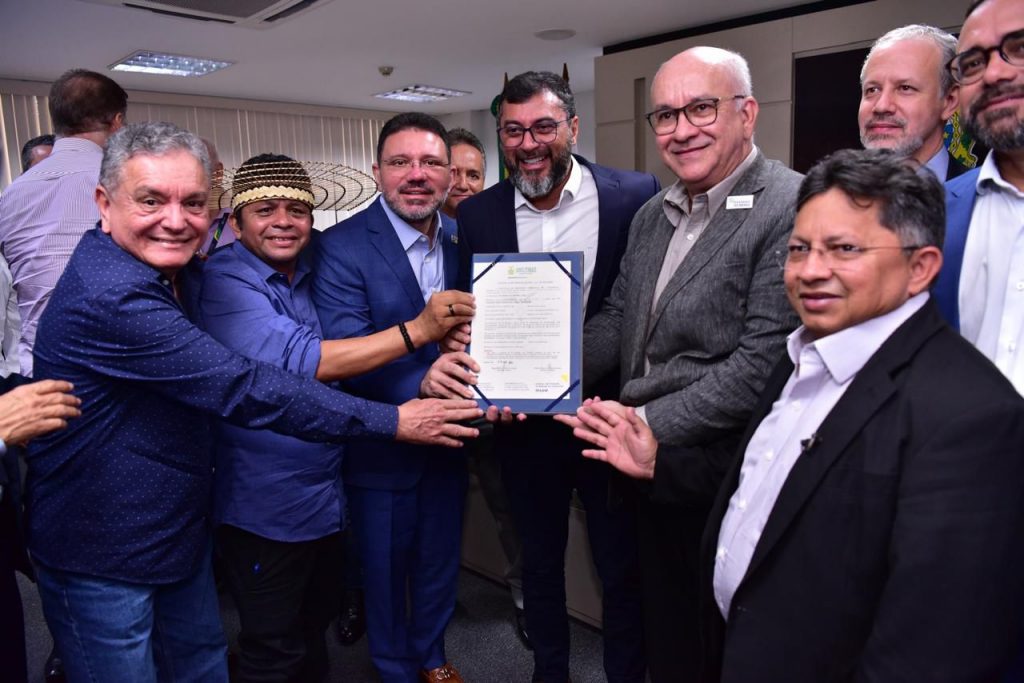
Brazil Potash through its wholly-owned subsidiary Potasssio do Brasil, has been granted three additional Installation Licenses (LIs) by the Amazon State Environmental Protection Agency (IPAAM) for the construction of the Autazes Potash Project in Autazes, located 112 km from Manaus. The licenses, issued on April 26th, cover the construction of a river port on the Madeira River, a stockpile at the port, and the drilling of two water collection wells. This brings the total number of LIs issued for the project to four out of an anticipated eleven, with the remaining licenses expected to be granted in the near future.
President of Potássio do Brasil, Adriano Espeschit, commented in a press release: “With Installation Licenses being granted for the mine, port, port stockpile and two water collection wells the Company is ready to start construction activities in the field, with the mobilization of personnel and equipment, within the areas foreseen and approved by the environmental agency.”
The first LI, allowing for the construction of mine shafts and underground workings, was issued on April 8th at an event attended by various government officials, including Amazon State Governor Wilson Lima, IPAAM President Juliano Valente, and representatives from the Mura indigenous people.
The new river barge port, situated near the village of Urucurituba in Autazes, will have a capacity of 2.4 million tons of potash, surpassing the combined capacity of the existing ports in the Northern Arc (Itacoatiara, Vila do Conde, and Santarém), which currently handle around 1.7 million tons of imported fertilizers in the Amazon Basin. The potash produced at the Autazes Potash Project will be primarily targeted at domestic farmers in Brazil.
Potassio do Brasil has complied with the United Nations International Labor Organization Convention (ILO-169), which requires free, prior, informed, and good-faith consultation with indigenous populations. The Autazes Potash Project was approved by more than 90% of the 34 villages out of a total of 36 that comprise the Mura people of Autazes, significantly exceeding the thresholds set by the Mura, which required 60% participation in the vote with support from at least 60% of the people voting.
Following the issuance of the first LI, Brazil Potash has initiated activities to implement the Autazes Potash Project, including the preparation of detailed engineering studies, a comprehensive review of the activity schedule, and quotations for critical path services. The company has also started drilling a second geotechnical hole approximately 1,000 meters deep to gather essential technical information for shaft sinking and construction.
Additionally, Brazil Potash has begun receiving resumes from individuals interested in working on the Autazes Potash Project through a dedicated page on the company’s website. Within three weeks, hundreds of expressions of interest have been received, demonstrating the strong community interest in participating in the project’s construction. Potential suppliers of goods and services can also submit their information through the company’s website, and presentations on the Autazes Potash Project are planned for the coming weeks to facilitate the contracting process for products and services during the construction and anticipated 25-year operation phases.
The above references an opinion and is for information purposes only. It is not intended to be investment advice. Seek a licensed professional for investment advice. The author is not an insider or shareholder of any of the companies mentioned above.
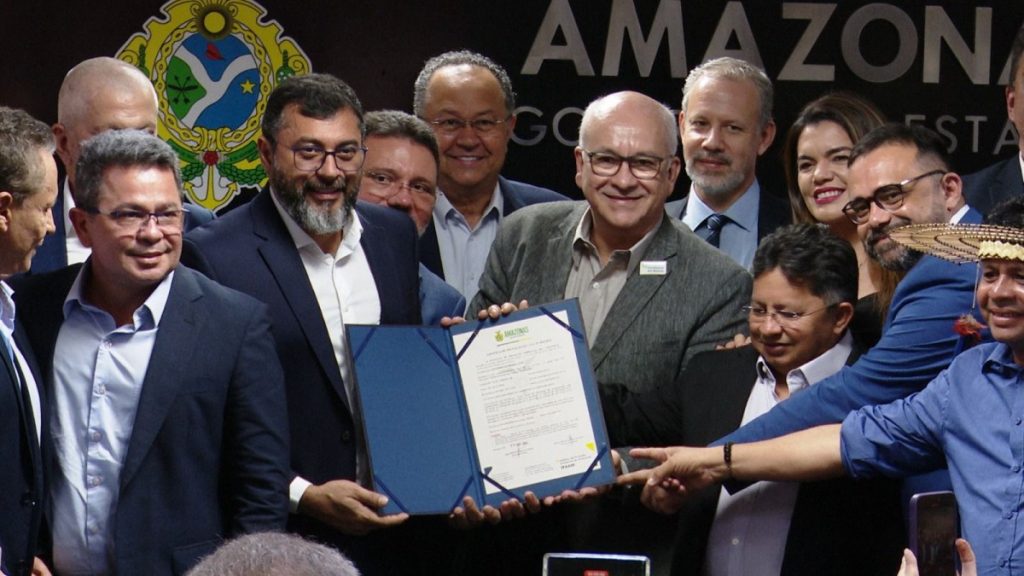
Governor Wilson Lima, on Monday, April 8, 2024, delivered the first environmental license for the Autazes Potash Project managed by Brazil Potash in the municipality of Autazes, located 113 kilometers from Manaus. This decision marks the end of a 15-year waiting period, initiating a project expected to majorly boost the local and national economy. During its installation phase, the project is anticipated to create 2,600 direct jobs. Once operational, it’s projected to generate over 17,000 direct and indirect jobs, making it an important contributor in Brazil’s job market.
Wilson Lima commented at an event at the State Government headquarters: “The implementation of an activity like this generates social indicators, quality of life for indigenous people, work opportunities, employment, income, advances in sanitation, water supply, asphalting of branches, education, health, in short, what It’s important so you can have a better place to live.”
President of Potássio do Brasil, Adriano Espeschit, stated: “Today we can say that Amazonas has a sustainable mining project, starting with this event. With this installation license, we will ensure that it moves forward and that these numbers and results become reality as quickly as possible. Thank you very much to the entire State Government team.”
The project, focusing on the exploration of potassium, a critical raw material for fertilizer production, aims to fulfill 20% of Brazil’s national demand. This initiative could significantly reduce the country’s reliance on imported ore. Potassium from this project will not only support Brazilian agriculture but also contribute to global food security, as stated by Raul Jungmann, the director-president of the Brazilian Mining Institute (Ibram).
“Brazil’s agricultural sector feeds approximately 1 billion inhabitants on the face of the earth. This means that we will reduce our external dependence on this mineral, which is decisive for our production”, stated Jungmann, who sent Ibram’s Director of Relations, Alexandre Valadares, to represent him at the event.
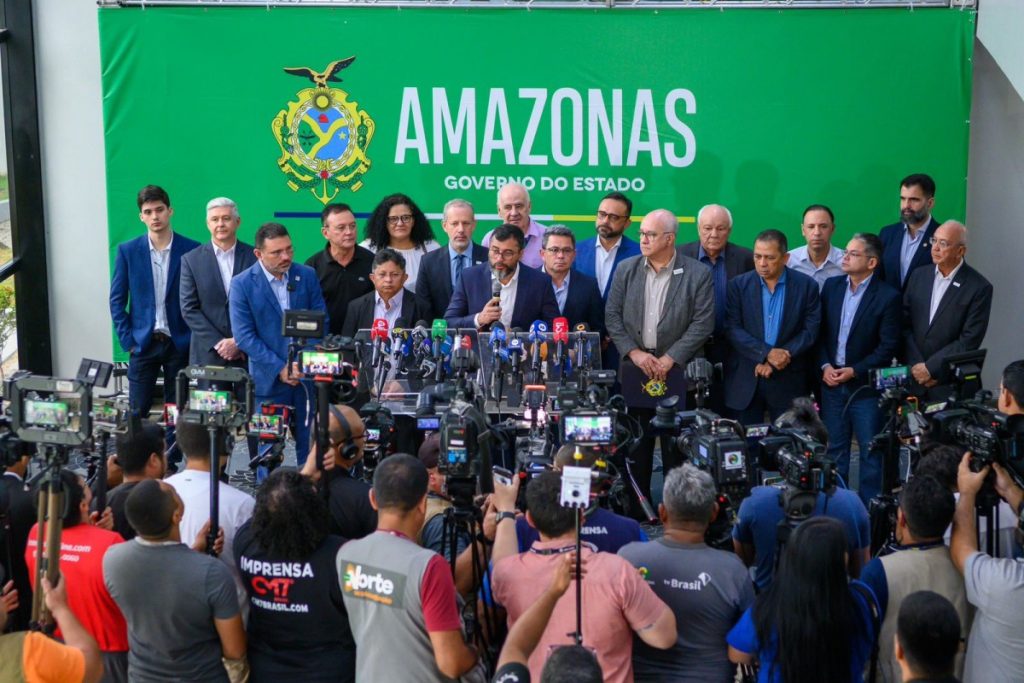
Potássio do Brasil, the company behind this venture, plans to invest US$2.5 billion in the project, with R$1 billion already spent. The construction of the manufacturing plant alone, expected to take 4 and a half years, will provide 2,600 direct jobs. The operation phase will offer 1,300 direct jobs and an additional 16,000 indirect jobs, with an emphasis on employing local workers, aiming for up to 80% local labor use.
The environmental aspect has been a significant consideration. Granted by the National Mining Agency to Potássio Brasil in 2009, the project promises to be among the most environmentally friendly potash explorations globally. This includes low carbon emissions and minimal surface impact due to the high-tech, 800-meter-deep underground mining techniques.
The event, attended by various government and local officials, emphasized the project’s benefits for the Mura people and the entire Amazonas population. The project has gained approval from local communities, including the indigenous Mura ethnic group, and is committed to environmental and social responsibilities. This includes infrastructure investments, social and environmental programs, and workforce training.
“Our people come from a lot of struggles and a lot of race. Now, we are here facing this historic moment. This venture comes to benefit us and has been expected for many years. We followed all the protocols, we complied with all the rules and from now on I only hope for much success for our indigenous people”, said the coordinator of the Mura Indigenous Council, Kleber Mura.
A 165 km long power transmission line and a 12-kilometer road reconstruction are part of the infrastructure development plans. Additionally, a large port for ore transportation and support for family farming with 2% of Potassium Chloride production are also planned. These efforts aim to provide extensive benefits to the Amazonas population, ranging from job creation and income generation to regional infrastructure development and environmental preservation.
“Ipaam’s role is to ensure that all licensing requirements are met as long as it authorizes the activity. It is a historic milestone for the State Government, because it enables an economic matrix that, I point out that after the Manaus Free Zone, is the second biggest ‘boom’ in the economy of Amazonas”, said the director-president of Ipaam, Juliano Valente.
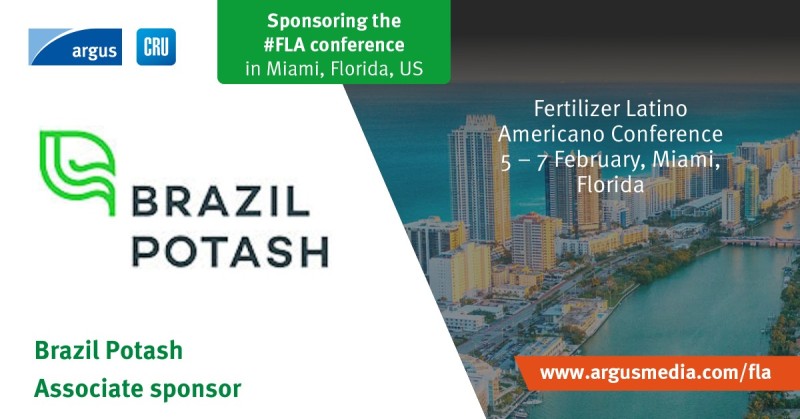
Brazil Potash, the leading potash development company in the country, is sponsoring the high-profile Fertilizer Latino Americano (FLA) 2024 International Conference being held this week from the 5th to the 7th of February in Miami. As a premier sponsor, Brazil Potash has an important role in the event, which has attracted over 800 attendees from across Latin America’s fertilizer industry.
CEO Matt Simpson is participating in the opening panel discussion focused on Brazil’s ambitious National Fertilizer Program. With decades of experience developing potash assets around the world, Simpson brings valuable insight into ramping up domestic potash production to reduce Brazil’s heavy imports of this key fertilizer ingredient.
Simpson will also be able to introduce Brazil Potash’s flagship Autazes Project, located in the Amazon region of central Brazil. Through its wholly-owned subsidiary, Potássio do Brasil Ltda, the company is advancing a large, shallow potash deposit near the town of Autazes. An initial economic assessment last year outlined a potential Tier 1 mine producing 4.3 million tonnes per year of potash over a 38-year lifespan.
Potash is a critical nutrient for Brazil’s mammoth agriculture industry, which must import over 96% of its current potash needs. By developing domestic potash production, Brazil can insulate itself from supply shocks and price spikes on global markets. The nation’s farmers also stand to benefit from more stable, lower potash prices over the long term.
Autazes Project for Brazil’s Fertilizer Independence
With mineralization starting at just 16 metres below surface, the Autazes Project offers some of the lowest-cost potash production potential in the industry. The deposit could supply potash to Brazilian farmers for decades to come as the country moves towards self-sufficiency.
Brazil Potash is working closely with municipal leaders in Autazes on a public consultation process as it moves towards feasibility and permitting over the next two years. The low-impact, efficient mine design includes backfilling the above-ground tailings into the mine as it advances. The company has also emphasized the critical role of potash in boosting yields on key crops like soy, corn, coffee, sugarcane, oranges, and cotton.
Conference Focused on Fertilizer’s Future in Latin America
With food security and agricultural productivity urgent priorities across Latin America, the FLA 2024 conference has attracted hundreds of stakeholders seeking strategic solutions. Over 800 attendees are taking part in panel talks, presentations, and exhibitions by top companies and experts.
The event also features Brazil’s Minister of Agriculture as a keynote speaker. Government representatives from Mexico, Peru, Argentina, Columbia and other Latin American countries are also participating.
In addition to domestic potash production strategies, conference programming covers global fertilizer price dynamics, new NPK plant investments, distribution logistics, raw material access, and more. The future of sustainable agrochemicals is another prominent theme this year.
For more information about the conference, click here.
The above references an opinion and is for information purposes only. It is not intended to be investment advice. Seek a licensed professional for investment advice. The author is not an insider or shareholder of any of the companies mentioned above.
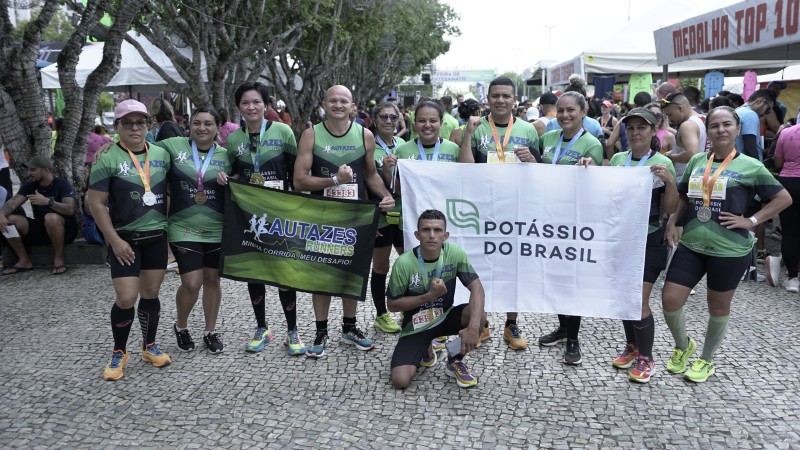
Potássio do Brasil, a subsidiary of Brazil Potash, recently facilitated the participation of 18 athletes from the Autazes Runners team in the 5th edition of the Manaus International Marathon. The event, held in Manaus, Amazonas, featured races of varying distances, starting as early as 4 am.
The company’s involvement aimed to address the logistical challenges faced by the runners and to promote health and community engagement. This move aligns with Potássio do Brasil’s broader commitment to fostering sportsmanship and well-being in the region.
Adriano Espeschit, President of Potássio do Brasil, expressed his satisfaction in supporting the local athletes. “We, at Potássio do Brasil, believe that sport is a powerful tool to promote health and community cohesion. By supporting these athletes from the Autazes Runners team, we want to boost sport in the municipality of Autazes and inspire the people of Autazes to adopt an active and healthy lifestyle,” he said.
Transforming Autazes
This support has reportedly transformed the city’s sports culture. Caio Cruz, the coordinator of the Autazes Runners team, noted the increasing popularity of running in Autazes, attributing it to the efforts of Brazil Potash and their own developmental work. “Before, it was unusual to see people running. Today, if you pass by Avenida Vinte de Novembro, which is the main road in our city, at night, you will see a crowd of people running, all thanks to the work we are developing and now with the support from Potássio that they have provided to Autazes Runners. We just have to thank Potássio do Brasil for the support and encouragement they have given to our city and our team,” Cruz stated.
New Records, New Starts
Edivane Bessa, a member of the Autazes Runners team, acknowledged the significance of Brazil Potash’s repeated support, especially for amateur athletes like themselves. “This is not the first time that Potássio has supported us, which is very gratifying, as we are amateur athletes. Potássio has offered assistance to our group of athletes who are unable to come here from Autazes [Manaus]. So for us, it’s a privilege because we’re receiving this support that we didn’t have previously. Now, we will return even happier for having completed the routes and achieved our personal records from last year,” Bessa mentioned.
The company’s support for local sports is contributing to Autazes’ growing reputation as a supportive environment for sporting and physical activities, fostering a positive impact on the city’s health and lifestyle culture, all while continuing to develop the important Autazes Potash Project.
The above references an opinion and is for information purposes only. It is not intended to be investment advice. Seek a licensed professional for investment advice. The author is not an insider or shareholder of any of the companies mentioned above.

As the mining industry grapples with the complex challenges of environmental responsibility and social license to operate, Potássio do Brasil, a subsidiary of Brazil Potash, is taking a proactive stance. On November 22nd, Davidson Aquino, the company’s financial director, actively participated in the “Workshop on Mine Closure” hosted by the Brazilian Mining Institute (Ibram) at the Mining Hub in Belo Horizonte. This two-day event served as a platform for industry stakeholders to collaborate on developing a comprehensive new planning guide for mine closure, encompassing the latest national regulations, international best practices, and practical considerations for implementation.
The workshop reviewed aspects of mine closure, dedicating panels to each of the following critical areas:
- Planning: Establishing a robust framework for mine closure right from the outset, ensuring seamless integration with the overall mining project and minimizing potential environmental and social impacts.
- Future Use: Exploring innovative and sustainable post-closure scenarios for reclaimed mine sites, fostering economic diversification and community engagement.
- Social License: Recognizing the importance of obtaining and maintaining community acceptance for mining operations, with mine closure playing a vital role in building trust and ensuring long-term project viability.
- Costs: Accurately estimating and effectively managing the financial implications of mine closure, ensuring adequate resource allocation and mitigating potential economic risks.
Aquino actively engaged in discussions, sharing the company’s own experiences and perspectives on mine closure, particularly in the context of the ambitious Autazes Potash Project. For Potássio do Brasil, mine closure is not just a regulatory requirement but a strategic imperative, and part of its commitment to sustainable mining practices.
The company’s vision for the Autazes Potash Project goes beyond resource extraction. The company is planning a mine operating in harmony with the sensitive Amazonian ecosystem, leaving behind a positive legacy even after operational activities end. This commitment is reflected in the company’s detailed mine closure plan, which includes the complete removal of all facilities and the meticulous reforestation of the used surface area, transforming the once-mined land into a thriving natural habitat.
Aquino’s participation in the Mining Hub workshop underscores Brazil Potash’s proactive approach to responsible mining, and the company’s active engagement in knowledge sharing and collaborative efforts to develop best practices in mine closure.
The updated “Mine Closure Guide” developed through this collaborative initiative has the potential to serve as a valuable roadmap for the entire Brazilian mining industry, guiding companies towards more sustainable and responsible practices. As the demand for ethically sourced minerals continues to rise, Brazil Potash’s commitment to responsible mine closure positions it as a leader in the industry.
The above references an opinion and is for information purposes only. It is not intended to be investment advice. Seek a licensed professional for investment advice. The author is not an insider or shareholder of any of the companies mentioned above.
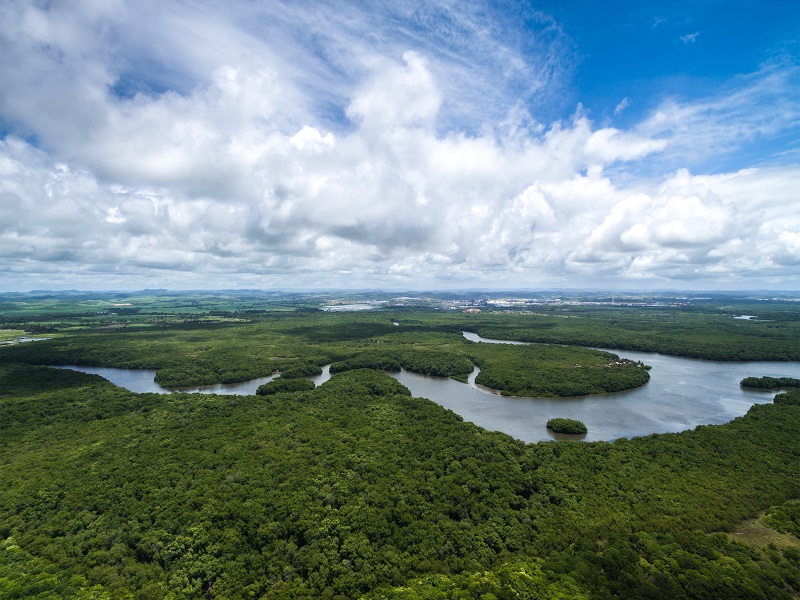
In an interview with Global Business Reports, Adriano Espeschit, President of Brazil Potash, provided an update on the company’s potash project in Autazes, located 120 km from Manaus in the Amazonas state. This underground mine, accompanied by a beneficiation plant, is significant for Brazil, a country that currently imports 98% of its potash needs. The project aims to produce 20% of the national demand for potash, and Espeschit took the time to highlight exactly what makes The Autazes Potash Project so special for Brazil and the global potash market.
Project’s Reserve and Expansion Plans
The Autazes project boasts a substantial reserve, determined through extensive exploration involving 43 rows, each over 1,000 meters. These efforts have guaranteed a production lifespan of 23 years, with an annual output of 2.2 million tons. Additionally, there are plans for expansion, potentially doubling or even tripling production in future phases.
Local Impact and Workforce
Espeschit emphasized the project’s commitment to the local community. A key aspect of this commitment is the plan to employ 80% of the workforce from the local region. This strategy includes providing necessary training to locals, equipping them with the skills required to work in the project, thereby boosting local employment and skill development.
Environmental, Social, and Governance (ESG) Goals
The project’s alignment with ESG goals is a critical element of its design and operation. The mining area, previously deforested and used for cattle grazing, will see minimal surface impact due to the underground mining approach. This method significantly reduces environmental disturbances compared to open-pit mining. The project aims for responsible waste management, with plans to reuse or backfill waste material, leaving minimal environmental footprint. The closure plan includes leaving beneficial infrastructure, like roads and ports, for community use.
Importance for Brazilian Self-Sufficiency
The project is vital for Brazil’s agribusiness, which contributes about 28-30% of the country’s GDP and is heavily reliant on imported fertilizers. The National Fertilizer Plan, aiming to increase domestic production of potash to at least 2 million tons per year by 2030, is heavily dependent on the success of the Autazes project. This project is not only crucial for Brazil’s agricultural sector but also plays a significant role in the global context, considering the increasing food production demands.
Prospects for Brazil’s Mining Industry
Espeschit highlighted the immense opportunities in Brazil’s mining sector, underscoring the need for more exploration to understand the country’s geological potential. He cited the example of the country’s vast river basin and the untapped potential in various commodities, including lithium, where recent exploration has led to significant industry growth.
Financing Strategy
The construction of the project is planned to be executed on time and within budget. The financing strategy involves a mix of equity and external financing, with the latter expected to cover around 70% of the costs. Brazil Potash, listed on the NYSE, has a diverse international investor base. Discussions are ongoing with development banks from countries where the project’s suppliers are located, highlighting the project’s global economic connections.
For more information and to read the complete interview with Global Business Reports, click here.
The above references an opinion and is for information purposes only. It is not intended to be investment advice. Seek a licensed professional for investment advice. The author is not an insider or shareholder of any of the companies mentioned above.
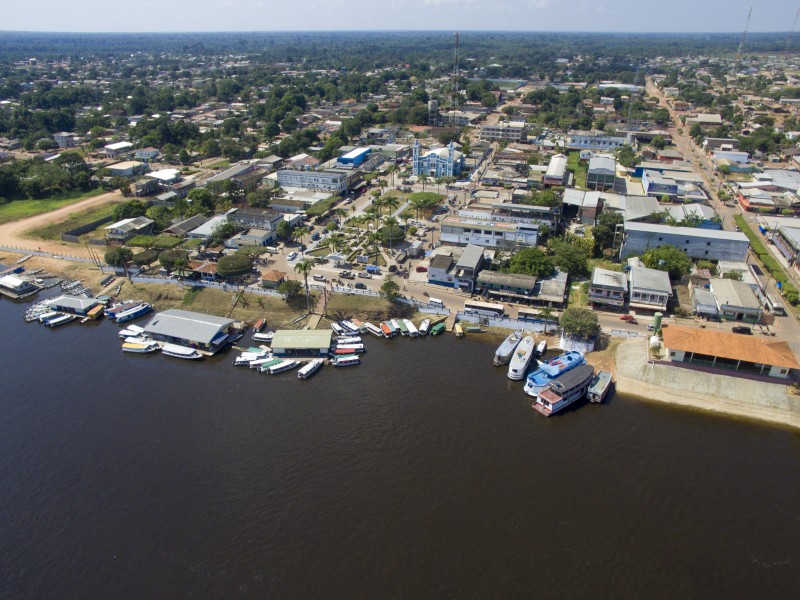
Brazil’s agricultural sector is a major factor in global food security, contributing approximately 30% to the nation’s GDP. This sector has positioned Brazil with a significant trade surplus, a trend recently highlighted by Robin Brooks, Chief Economist at the Institute of International Finance. Brooks stated, “Brazil’s massive trade surplus this year gets dismissed as an outlier event, but it isn’t. There’s been a gradual move towards bigger and bigger agricultural exports which power the trade surplus. This trade surplus isn’t an outlier. It’s a lasting transformation.”
In 2023, Brazil is poised to surpass $100 billion in agricultural exports, an amount unmatched by any other South American country. This economic strength is further strengthened by Brazil’s stable currency, high employment levels, and robust foreign exchange reserves. Despite some unresolved economic challenges, the collective efforts of Brazilian farmers, companies in the sector, and government support at federal and state levels have laid a solid foundation for wealth creation and distribution.
The global climate of instability has impacted food security and the availability and pricing of essential commodities. For Brazil, potash, a key fertilizer component, has emerged as both a strategic and vulnerable resource. Potash enhances plant resilience against drought, temperature extremes, and pests. The global potash market is largely dominated by Canada, Russia, and Belarus, who historically have supplied over 80% of the market. The Russian invasion of Ukraine and subsequent trade restrictions on Russia and Belarus led to a dramatic increase in potash prices, from $250 to over $1,200 per ton. This spike presented Brazilian farmers with not only increased costs but also the risk of interrupted potassium chloride shipments. Diplomatic efforts were made to ensure the continuity of potash supplies, which also resulted in substantial payments to Russia during its invasion of Ukraine. Had potash prices remained at $1,200, Brazil would have faced an expense exceeding $16 billion, a significant burden given the country’s extensive potash reserves.
Brazil, which imports 98% of its potash needs, has seen a tenfold increase in its usage per hectare, coinciding with increased agricultural yields. Now, Brazil possesses a world-class potash deposit in the Amazonas State, comparable to those in Canada, Russia, and Belarus – the Autazes Potash Project by Brazil Potash. This deposit, located approximately 850 meters underground, is a remnant of an ancient sea. The proposed extraction and processing techniques are similar to those used in Canada, which involve mining the ore (salt), extracting the potash, and reintegrating the sodium chloride tailings underground. This project is environmentally advantageous, particularly considering the lengthy transportation of Canadian potash to Brazil and Brazil’s predominantly renewable energy grid.
The strategic importance of this resource for Brazil and global food security is evident. However, there are potential benefits for the Mura indigenous communities near the project and who live in the state. Currently, Brazilian farmers pay royalties to indigenous communities in Canada through Canadian mining companies. Canpotex, a Canadian firm, has exported over 50 million tons of potash to Brazil, resulting in payments of approximately $17.5 billion. These royalties support community wellbeing, employment, and business opportunities for indigenous groups in Canada.
In contrast, the Indigenous Mura Council (CIM), representing 36 tribes and over 12,000 indigenous people near the Autazes potash project in Brazil, has shown support for the project following a comprehensive consultation process. The project, which is not located on a reserve, is crucial for Brazil and its agricultural sector. The benefits, including shared prosperity with the residents of Autazes, local indigenous communities, and the State of Amazonas, underscore its potential to contribute significantly to global food security.
Food security has been highlighted at the United Nations, COP28, and other global summits where world leaders have tried bringing attention to this critical issue. Now, the world will look to projects that can help secure a future with steady agriculture around the world, with potash mining and projects like the Autazes Potash Project ready to help meet those goals.
The above references an opinion and is for information purposes only. It is not intended to be investment advice. Seek a licensed professional for investment advice. The author is not an insider or shareholder of any of the companies mentioned above.
The Autazes region, located 112 kilometres from Manaus, has been experiencing a significant increase in wildfires, prompting urgent response measures to support the affected environment and assist the socially vulnerable communities nearby. In response to the intensifying fires exacerbated by the dry river season, Potássio do Brasil, a Brazil Potash subsidiary, has stepped in to provide humanitarian and environmental assistance to the municipality of Autazes.
Adriano Espeschit, President of Potássio do Brasil, commented: “This is a moment of humanitarian aid where everyone must come together for the sake of the environment and, above all, the people. We are collaborating with the community, and their issues are our concerns as well, so we are joining forces in the fight against wildfires in the municipality.”
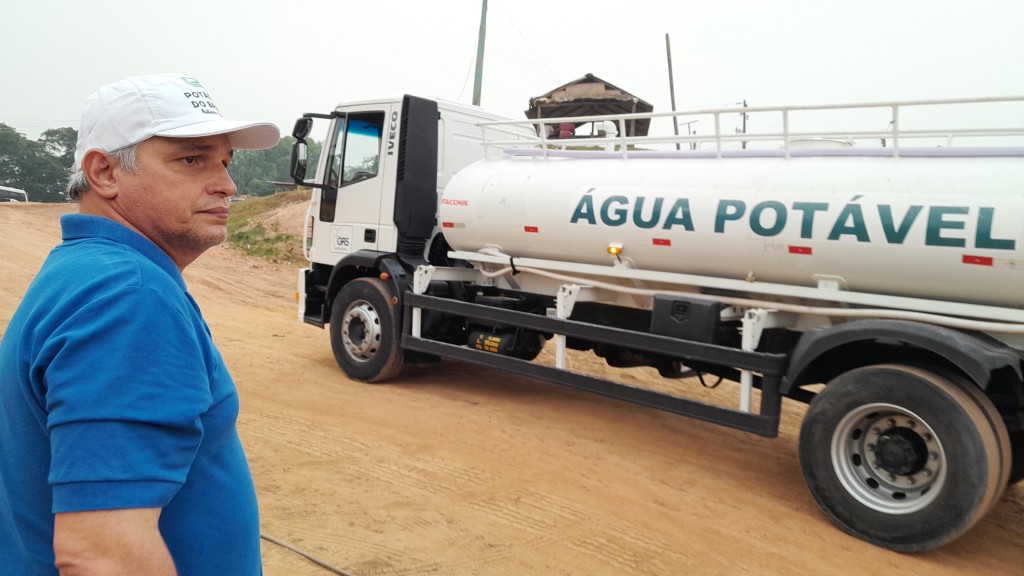
Following a request from the Indigenous Mura Council (CIM) for clean water for the indigenous people of the 36 villages in the municipality, Potássio do Brasil supplied two water trucks to address the water shortage during the crisis. The trucks were delivered over the weekend to the CIM’s headquarters. In addition to water supply, Potássio do Brasil donated 40 sets of Personal Protective Equipment (PPE) to local firefighting teams to help ensure their safety while battling the blazes.
More than 20 firefighters are working tirelessly to control the wildfires within the rural communities of the municipality. Their efforts are part of a broader collaboration that includes the Autazes Environmental Department, Municipal Guard, Civil Defense, Traffic Department, Camera Monitoring Center (Ciops), Civil and Military Police, and the Fire Department.
Potássio do Brasil is also extending its support to the state government by providing essential food baskets for distribution to families in social vulnerability, both indigenous and non-indigenous, throughout the state.
The company, which has plans to produce potash fertilizer in Autazes, is actively involved in various socio-economic and environmental projects aimed at benefiting the local population.
The above references an opinion and is for information purposes only. It is not intended to be investment advice. Seek a licensed professional for investment advice. The author is not an insider or shareholder of any of the companies mentioned above.
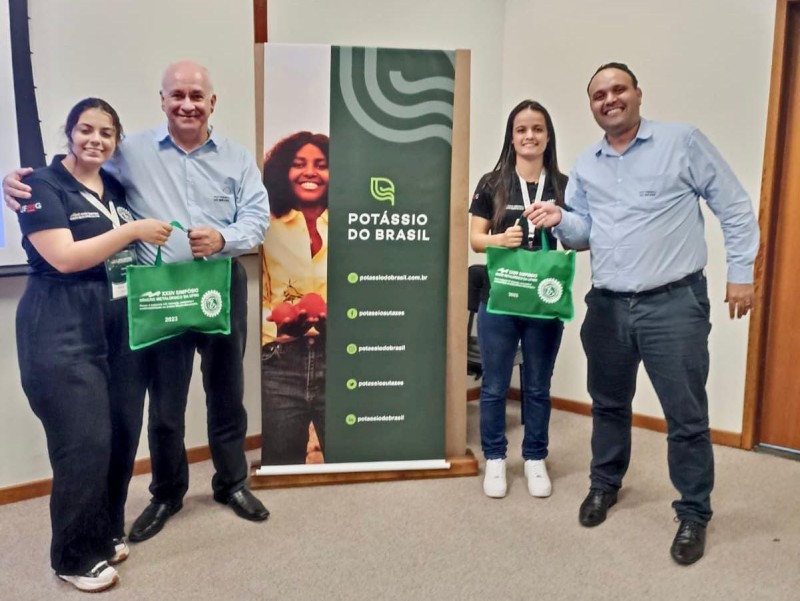
Brazil Potash was a highlight and presenter at the 34th edition of the Mining-Metallurgical Symposium, held at the Federal University of Minas Gerais (UFMG). This annual event, taking place from October 23rd to the 27th in Minas Gerais, was hosted by the Grêmio of Metallurgical Engineering and Mining Engineering at UFMG. The symposium serves as a converging point for professionals and scholars to exchange insights on important matters impacting the mining and metallurgical industries.
Theme and Contributions
This year’s theme, “Industry 4.0: innovation, economy, and sustainability,” set the stage for discussions surrounding the advancement and modernization of the industry. Adriano Espeschit, president of Potássio do Brasil a subsidiary of Brazil Potash, delivered a lecture titled “Mining in/out of Indigenous Lands,” providing a deep dive into the intricacies of mining operations in sensitive areas. His talk also shed light on the challenges linked to the Autazes Potash Project in Amazonas, one of the most conscientious and eco-friendly potash projects around the world.
Davidson Aquino, the financial director at Potássio do Brasil, addressed the symposium attendees, elaborating on the critical nature of potash as a strategic mineral. Aquino’s speech emphasized potassium chloride fertilizer’s role in bolstering food security and combating hunger worldwide, alongside highlighting the strategic significance of the Autazes Potash Project for the Brazilian agricultural sector and global markets.
The Brazilian Potash Market and Potássio do Brasil’s Role
Brazil’s potash market plays a crucial role in the country’s agricultural success, given that potash is a key component of fertilizers used to enhance crop yields. Despite being one of the world’s leading consumers of potash, Brazil relies heavily on imports to satisfy its agricultural demands. This dependence makes initiatives like the Autazes Potássio Project especially important, as they represent steps toward self-sufficiency in a critical resource.
Brazil Potash has been proactively engaging with the mining community, participating in conferences and exhibitions to underscore the Autazes Potash Project’s societal benefits. The company’s active role and consistent updates on industry practices demonstrate a commitment to staying on top of mining sector trends and contributing to sustainable practices within the industry.
Industry Perspectives and Future Outlook
The discussions at the symposium highlighted a collective understanding of the need for innovative and sustainable approaches to mining, especially around projects like Autazes Potash Project, which are located in areas with delicate ecological and social balances. As the industry moves forward, the ideas and strategies stemming from these discussions are expected to shape the future of mining, particularly in regions rich in natural resources like Brazil.
The 34th UFMG Mining-Metallurgical Symposium provided a platform for Brazil Potash executives to articulate the details and strategic importance of their projects but also created a wider dialogue on the responsible and sustainable extraction of minerals in the age of Industry 4.0. As Brazil continues to develop its domestic potash resources, companies like Brazil Potash will be expected to lead, shaping the narrative for mining in the region.
The above references an opinion and is for information purposes only. It is not intended to be investment advice. Seek a licensed professional for investment advice. The author is not an insider or shareholder of any of the companies mentioned above.
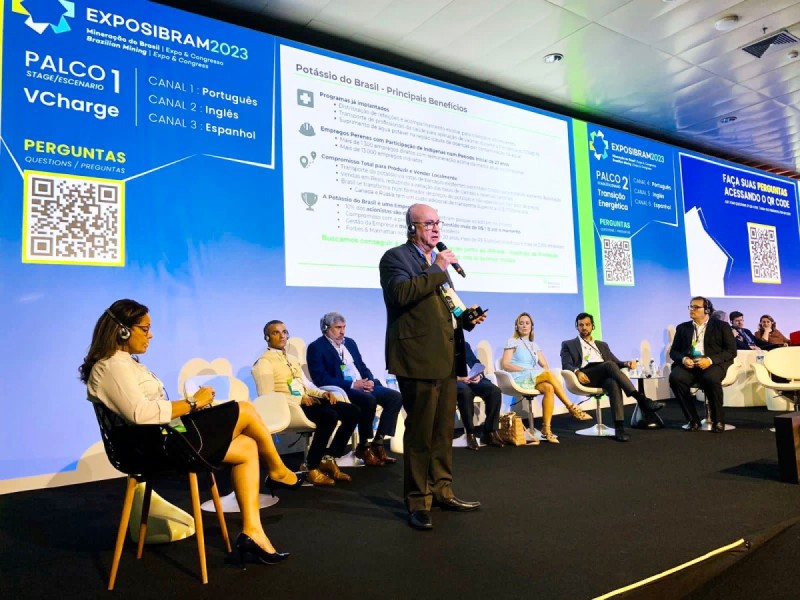
On August 30th, Adriano Espeschit, the President of Potássio do Brasil, a subsidiary of Brazil Potash, joined a panel discussion from 9:00 am to 11:00 am at the Expo & Brazilian Congress of Mining, commonly known as Exposibram. The event is taking place from August 28th to 31st at the Hangar Centro de Convenções & Feiras da Amazônia, in Belém, Pará, and is organized by the Brazilian Institute of Mining (IBRAM).
Regarded as one of Latin America’s premier mining gatherings, Exposibram aims to foster dialogue between the mining industry and broader society, focusing especially on sustainability issues. The event attracts a diverse audience including mining firms, suppliers, academic institutions, business delegations, government bodies, and entities associated with the public sector. Together, they explore the future outlook of the global mineral industry.
Topics for the lectures and discussions at Exposibram are chosen with a view to the global political and socio-economic landscape. Panels cover various aspects like business perspectives in the mineral sector, technological innovations, diversity and inclusion, social responsibility, environmental concerns, and investment trends.
This year, the conference agenda also included a speech by Espeschit during a panel titled “Public Policies for Strategic Minerals in Brazil.” The company Potássio do Brasil, which Espeschit represents, also maintains a booth at the event. Here, attendees can get acquainted with the Autazes Potash Project, an initiative planned for implementation in the municipality of Autazes in the state of Amazonas.
Brazil Potash and its subsidiary were highlighted on the opening day of Exposibram 2023. The exhibition hall, which features some of Brazil’s largest mining companies, was inaugurated by Helder Barbalho, the governor of the host city, and Raul Jungmann, the CEO of IBRAM. Davidson Aquino, the Finance and Administration Director of Potássio do Brasil, stood in for Espeschit during the opening ceremonies where discussions revolved around current scenarios and future trends in the mineral sector.
The Autazes Potash Project, showcased at the company’s stand, aims to produce potassium chloride fertilizer in Autazes, employing methods that align with Environmental, Social and Governance (ESG) criteria. This marks the second consecutive year that Potássio do Brasil has participated in Exposibram, reinforcing the company’s commitment to fostering socioeconomic development in Amazonas through sustainable and technologically advanced initiatives.
The above references an opinion and is for information purposes only. It is not intended to be investment advice. Seek a licensed professional for investment advice. The author is not an insider or shareholder of any of the companies mentioned above.
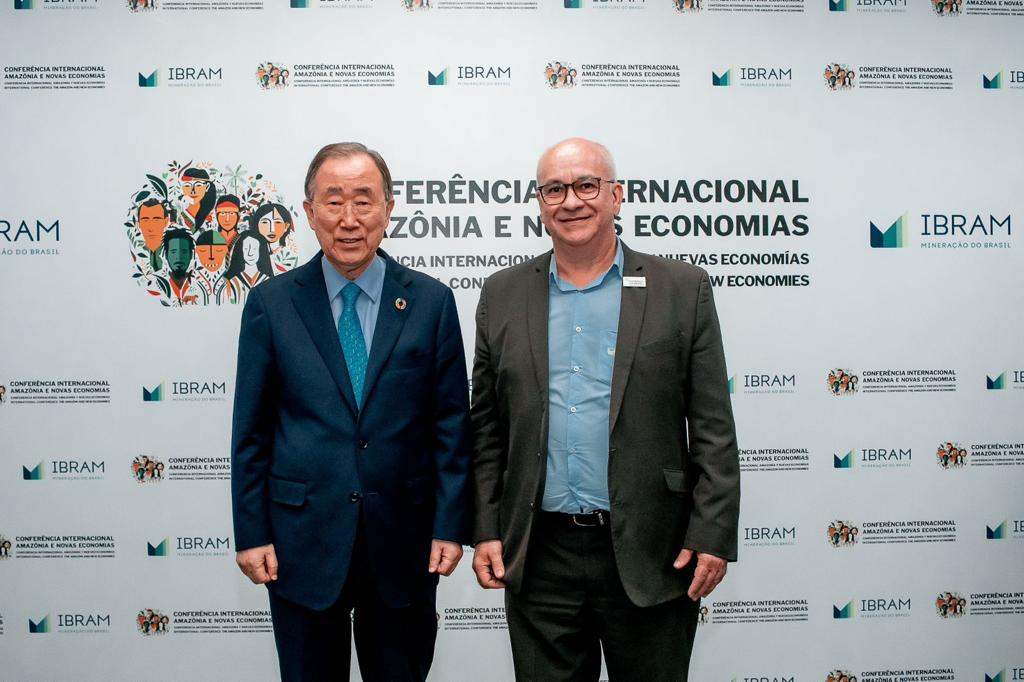
The Autazes Potash Project was spotlighted as a strategically important mineral initiative for Brazil at two recent high-profile events: the Expo & Brazilian Mining Congress (Exposibram 2023) and the International Amazon and New Economies Conference. Both conferences took place in Belém, PA, from August 28th to September 1st. Adriano Espeschit, President of Potássio do Brasil, was responsible for presenting the project. Espeschit focused on the crucial role of potash, particularly in Brazilian agribusiness, which is responsible for almost 10% of global food production.
The company initiated its presence at Exposibram 2023 with an educational booth designed to give attendees a thorough understanding of the upcoming potash fertilizer project in Autazes, AM. The company also participated in the second edition of the Canadian Breakfast Meeting where it introduced the Autazes Potash Project to suppliers involved in the mining sector. The most notable moment for Potássio do Brasil at Exposibram was undoubtedly Espeschit’s participation in a panel discussion about public policies for strategic minerals in Brazil. There, he detailed the role of the Autazes Potash Project in global food security, highlighting its grounding in Environment, Social, and Governance (ESG) principles. According to Espeschit, Potássio do Brasil has the potential to supply up to 20% of potassium chloride to the Brazilian agribusiness sector, which is significant considering that Brazil currently imports 98% of its potassium chloride.
Adriano Espeschit commented: “Potássio do Brasil can contribute up to 20% of potassium chloride supply to Brazilian agribusiness. Consumption that, in agribusiness, we are totally dependent on because we import 98%”. Our project is entirely sustainable. We will produce green potash with 80% less carbon footprint compared to projects in Canada and Russia, thanks to our Brazilian energy matrix, which is 84% renewable. By producing potash fertilizer, we are firmly committed to contributing to achieving the UN’s second Sustainable Development Goal, Zero Hunger.
Following Exposibram, representatives from Potássio do Brasil attended the International Amazon and New Economies Conference, which focused on a variety of topics including new economies, the bioeconomy, and circular economy. Over 130 companies and institutions in the mineral sector, including Potássio do Brasil, pledged to develop environmentally responsible practices to conserve the Amazon. Espeschit stated that the company’s participation and sponsorship of this event was an explicit commitment to sustainable development in the Amazon and bolstering food security globally, without causing environmental or social harm.
Notable speakers at the conference included global figures like South Korean diplomat Ban Ki-moon, former Prime Minister of Great Britain and Northern Ireland Tony Blair, and former President of Colombia Iván Duque Márquez. All emphasized the necessity of sustainable development as a means to reduce poverty. Márquez specifically invited the audience to ponder the future of new economies in the Amazon, stressing the importance of incorporating traditionally Amazon-related activities into development plans.
For context, the Expo & Brazilian Mining Congress is an annual event organized by the Brazilian Mining Institute (Ibram) and is one of Latin America’s most significant gatherings in the mineral sector. The event provides a robust platform for discussions about the mineral industry’s key scenarios and trends. The International Amazon and New Economies Conference, also coordinated by Ibram, brings together stakeholders from various sectors, including indigenous communities, academia, and both the public and private sectors, to discuss sustainable development and environmental issues. The conference aims to foster solutions that balance economic growth, inequality reduction, and conservation efforts.
The above references an opinion and is for information purposes only. It is not intended to be investment advice. Seek a licensed professional for investment advice. The author is not an insider or shareholder of any of the companies mentioned above.
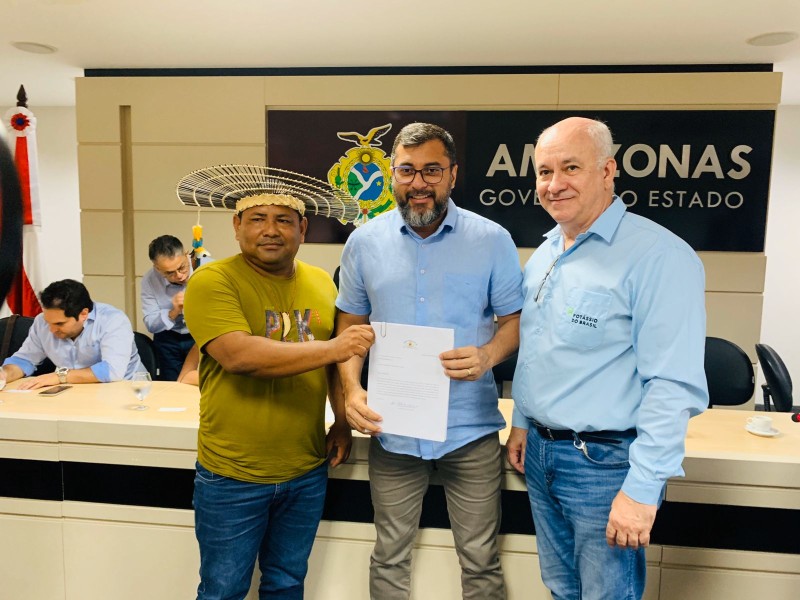
In a significant development for Brazil Potash’s Autazes potash project in the Amazonas State of Brazil, the Mura Indigenous people have voiced their support for the project. The Mura recently concluded free, prior, and informed consultations and participated in a vote which resulted in unanimous favour of the project’s construction. This decision signals a meaningful demonstration of the Mura’s wishes and is an important step in the project’s advancement.
Leaders of the Mura community from Autazes, who represent 36 villages and around 12,000 indigenous residents, made a formal visit to the Government of Amazonas’ headquarters on Monday, September 25th. During this visit, they submitted a report and record of a General Assembly meeting that took place the previous week among indigenous chiefs in Autazes. This assembly ratified the community’s decision to support the Autazes Potash Project. The event also saw the participation of Potássio do Brasil, as well as state deputies, secretaries, and the president of IPAAM, the environmental licensing agency responsible for the project.
Wilson Lima, Governor of Amazonas, commented: “This is a very important day, a historic day because we are taking a significant step towards changing the lives of the people who reside in the state of Amazonas, especially those in the municipality of Autazes. This is a fundamental step, and I consider it the most important one, which is the process of consulting the Mura people about the potassium exploration activity in the municipality of Autazes. We are talking here about another economic model for the state of Amazonas. We have the Zona Franca, which we will not relinquish, we have the natural gas issue, which we have already made significant progress on, and the next step is the potassium matter.”
José Cláudio dos Santos Pereira, the general coordinator of the Indigenous Mura Council (CIM), said, “For us, this is very important because it represents the future, the economic progress of Autazes and the state of Amazonas. But it is important to emphasize that the Mura people understand that we are working alongside the Federal Justice, and we do not intend to challenge it. We understand that IPAAM is the licensing authority and should proceed with the process.”
Adriano Espeschit, the president of Potássio do Brasil, weighed in on the importance of the project to global food security and ending world hunger: “This is a new moment for Autazes, for Amazonas, for Brazil, and why not say it for the world, as food security depends on fertilizers for agriculture, to feed people and eradicate hunger in our world. As President Lula said at the opening of the UN Assembly, over 750 million people are suffering from hunger. This is a strategic project to end world hunger. We will work on the next steps to advance licensing and begin the project’s installation in Autazes.”
Governor Wilson Lima of Amazonas stated that the Mura people’s endorsement is pivotal not only for the Autazes municipality but also for the broader Amazonas region. He mentioned the possibility of establishing a new economic model for the state based on this support. José Cláudio dos Santos Pereira, the general coordinator of the Indigenous Mura Council (CIM), represented the Mura community during this occasion. He presented a letter and a report from the General Assembly, confirming that indigenous leaders have accepted the project’s implementation.
The meeting also included several key figures alongside the indigenous leaders. These individuals included the president of Potássio do Brasil, state deputies, and state secretaries overseeing Economic Development, Science, Technology, and Innovation, Mining, Gas, and Energy, as well as the President of the Amazonas Environmental Protection Institute (Ipaam) and the mayor of Autazes.
While the project is not situated on indigenous land, it falls within 10 kilometres (around 6 miles) of two indigenous reserves. These communities hold the legal right to consultation in accordance with International Labour Organization 169 protocols. The Mura people had the autonomy to determine which tribes would be consulted, as well as the format for consultation and vote support threshold. A series of gatherings were conducted to inform the Mura about the project’s potential impacts and benefits. Ultimately, consultations took place with 36 tribes, some located as far away as 70 kilometers (about 45 miles) from the project site. A vote was organized with the participation of over 200 Mura individuals, culminating in a positive outcome in favor of the project.
The Mura community stands to gain various benefits from the development of the Autazes Potash Project. These benefits include opportunities for direct employment, funding for new businesses that can contribute to the project and local community, and the initiation of several programs aimed at improving general well-being as dictated by the Mura’s wellness program.
It’s worth noting that Brazil Potash still awaits a review from Brazil’s government Indigenous people’s agency, FUNAI, concerning the Company’s Indigenous Consultation Study (the “ECI”). This review is one of the final steps necessary for obtaining the Installation License needed to commence project construction. The Mura’s informed and positive vote undoubtedly sends a constructive signal to FUNAI, emphasizing the community’s wish for the project to proceed and for the necessary permits to be granted.
The above references an opinion and is for information purposes only. It is not intended to be investment advice. Seek a licensed professional for investment advice. The author is not an insider or shareholder of any of the companies mentioned above.

On August 6th, the Brazilian Senate held an important debate regarding “Fertilizers in Brazil”. Although Brazil has the potential to become the world’s foremost fertilizer producer, the nation produces only 20% of its fertilizer needs. Brazil’s current dependency on the international market has led to an alarming reliance on importing at least 80% of the fertilizers required for enhancing the quality and productivity of its crops.
Senator Laércio Oliveira (PP-SE) voiced concerns over Brazil’s susceptibility to global events, citing the ongoing conflict between Russia and Ukraine, which has heightened the country’s dependence on foreign fertilizers and adversely affected its economy. He emphasized the pressing need to diversify imports and explore other nations as potential suppliers. Furthermore, Senator Oliveira pointed out that Russia accounts for 23% of Brazil’s fertilizer imports, with Brazil expending approximately US$ 15 billion on fertilizer imports in 2021 alone.
National Fertilizer Plan: A Vision for the Future
Senator Oliveira advocated for the National Fertilizer Plan, which ambitiously aspires to slash Brazil’s dependence on foreign fertilizers to about 50% by 2050. Alongside this, Senator Oliveira proposed the Fertilizer Industry Development Program, a project he pioneered. This project, as elucidated by Senator Eduardo Gomes (MDB-TO), intends to invigorate the domestic production of fertilizers by offering incentives to companies in the sector to invest in machinery, equipment, services, and the establishment of new factories.
The Need for National Production and Diversification
The emphasis on increasing national production resonated with many senators. Senator Angelo Coronel (PSD-BA) highlighted the current imbalance, with Brazil importing 8% of the world’s total fertilizer production but generating only 20% of its domestic consumption. Senator Mauro Carvalho Junior (União-MT) touched upon the environmental challenges linked to potassium chloride production, a fertilizer staple in Brazilian agriculture. He stressed the significance of supporting the entire productive sector, recognizing its role in employment and economic growth.
Natural Gas: A Key Component in Fertilizer Production
Rodolfo Saboia, the general director of the National Agency of Petroleum, Natural Gas, and Biofuels (ANP), underlined that fertilizer production heavily relies on natural gas. He acknowledged the challenges of ensuring affordable gas prices but assured the agency’s commitment to enhancing natural gas supply at competitive prices.
Several representatives from multiple national ministries weighed in on the importance of fertilizers for Brazil. Vitor Eduardo de Almeida Saback, from the Ministry of Mines and Energy, emphasized that fertilizers, especially NPK (nitrogen, phosphate, and potassium), are crucial for improving agricultural productivity. Bruno Santos Abreu Calligaris, from the Ministry of Development, underscored the necessity for Brazil to innovate and adapt fertilizer technology to its unique tropical environment, aligning with sustainability and environmental preservation.
Brazil Potash and the Autazes Potash Project: A Step Towards Self-Reliance
Brazil Potash stands out as a major step in Brazil’s quest to reduce its reliance on potash imports. The potash mining company, strategically located, aims to curtail Brazil’s over 95% dependence on potash imports, offering a sustainable alternative for a country that has predominantly relied on overseas potash supplies.
Its flagship venture, the Autazes Potash Project, situated 120 km southeast of Manaus, is a testament to Brazil Potash’s commitment. With the endorsement of the Brazilian government, this project has the potential to cater to 20% of Brazil’s potash requirements. Utilizing 85% renewable energy resources, the project endeavours to mitigate carbon emissions and minimize environmental implications.
Central to Brazil Potash’s operation is the potash extraction process, extracting potash from depths of 800 meters and refining it into fertilizer that fortifies soil and augments agricultural productivity. The company’s efforts are intrinsically tied to ensuring nutritious food reaches consumers.
Emphasizing sustainable growth, Brazil Potash establishes strong ties with communities, public agents, and NGOs. Their commitment to environmental preservation and indigenous rights is evident in the meticulous preliminary environmental studies conducted for the Autazes Potash Project.
By welcoming investors aligned with its vision, Brazil Potash hopes to challenge the existing Canadian-Russian potash duopoly, signalling a transformative phase in Brazil’s potash sector.
A Need to Bolster Domestic Production Quickly
Brazil’s current dependency on foreign fertilizers underscores the importance of bolstering domestic production and seeking alternative international suppliers. The initiatives proposed by Senator Laércio Oliveira and the promise of projects like the Autazes Potash Project by Brazil Potash are important steps toward guaranteeing Brazil’s agricultural sector thrives without compromising its economic and environmental interests.
The above references an opinion and is for information purposes only. It is not intended to be investment advice. Seek a licensed professional for investment advice. The author is not an insider or shareholder of any of the companies mentioned above.
Adriano Espeschit, the President of Potássio do Brasil, recently provided an insightful lecture on “Potassium Mining in the Amazon – Food Security for Brazil and the World” as part of the 2023 lecture cycle of the Associação Paulista de Engenheiro de Minas (APEMI). The focus of his discussion was the Autazes Potassium Project, which is currently under the environmental licensing process.
The Autazes Potash Project, under the umbrella and management of Brazil Potash, is located in the Amazonas region. The project has substantial potential to revolutionize Brazil’s potash landscape. Targeting potash, a vital mineral for producing potassium-rich fertilizers, the project has the capability to produce an estimated 2.2 million tonnes annually when fully operational.
The strategic location of the project, the proximity to major farming regions, and access to renewable energy sources equip the project for success. It offers the opportunity to reduce Brazil’s reliance on imported potash while also boosting local and national economies through job creation and revenue generation.
Consultation and Consent Protocol
Espeschit highlighted the consultation and consent protocol involving the indigenous Mura de Autazes and Careiro da Várzea people. The protocol comprises seven steps to inform the Autazes community and the region about the Potássio project. Currently, the project is transitioning through the third and fourth steps of this phase.
Impact on Agribusiness and Regional Development
The Autazes Potash Project promises significant benefits to Brazilian agribusiness and the regional development where it will be established. Espeschit emphasized the potential reduction of fertilizer imports, crucial for the country’s agricultural sector. Moreover, the project will contribute to regional infrastructure development, including paving the connecting road between Vila de Urucurituba and Lago de Soares and constructing a port near Vila de Urucurituba in Autazes.
Espeschit also shed light on the potassium chloride extraction process and the underground mining method using chambers and pillars.
Socioeconomic and Environmental Commitments
Potássio do Brasil has committed to hiring 80% of local labor, thus promising substantial job creation for the local community. Moreover, the company plans to implement over 30 socioeconomic-environmental projects in Autazes.
Espeschit reiterated the company’s environmental responsibility, promising no residues left on the surface of the project. Moreover, there’s a commitment to reforest an area ten times larger than that used for the implementation of the enterprise, demonstrating a solid commitment to environmental sustainability.
Nourishing Communities and Promoting Sustainable Agriculture
Beyond its mining activities, Brazil Potash is committed to transforming the lives of residents in the communities where it operates. The company has made considerable contributions to tackle food security issues in many parts of Brazil. During the COVID-19 pandemic, large quantities of food were donated to the local communities surrounding the Autazes Potash Project.
In addition to addressing immediate food security needs, Brazil Potash has also demonstrated commitment towards promoting sustainable agriculture within these communities. The company recently donated over 5,000 seedlings grown in their nursery located in the Urucurituba village in the Autazes municipality to the Amazonas state government. This initiative not only boosts rural production and promotes food security, but it also contributes to climate change mitigation by sequestering greenhouse gasses.
The Future of Potash Mining
Espeschit’s insightful discussion at APEMI’s lecture series underlined the Autazes Potash Project’s potential in revolutionizing the potash landscape in Brazil. The project’s substantial benefits extend from agribusiness to local communities and sustainability initiatives. As the project navigates through its licensing phase, it has the potential to contribute to Brazil’s potash self-sufficiency, job creation, and socio-environmental development.
The above references an opinion and is for information purposes only. It is not intended to be investment advice. Seek a licensed professional for investment advice. The author is not an insider or shareholder of any of the companies mentioned above.
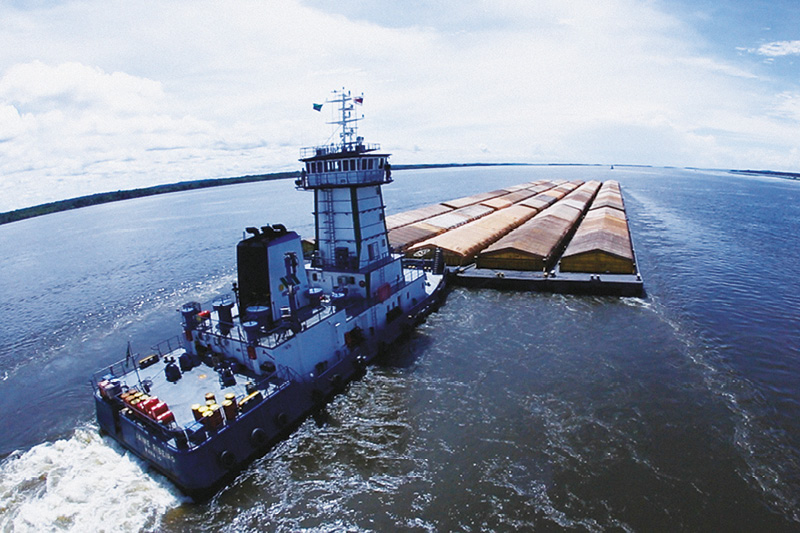
Brazil Potash’s Autazes project, located in the Amazonas region, has the potential to significantly alter the country’s potash landscape, and is progressing toward production every day. The project’s main focus is on potash, an essential mineral for the production of potassium-rich fertilizers. The region’s potash reserves are estimated to be vast, with the potential to produce 2.2 million tonnes annually once the project is fully operational.
The Autazes Potash project’s strategic location, with access to an abundant renewable energy source and proximity to major farming regions, makes it uniquely positioned for success. It could not only alleviate the country’s reliance on imported potash, but also contribute to the local and national economy via job creation and increased revenues.
The Consultation Process and Installation License
The installation license, a pivotal step towards the project’s materialization, has been a focus for the Brazil Potash management. This license is necessary to commence project construction. Its acquisition involves a multi-step consultation process with various stakeholders, including the local communities, environmental agencies, and governmental bodies.
Recently, the President of Brazil’s Federal court (TRF-1) ruled to reinstate Brazil Potash’s Preliminary (Social and Environmental) License, a crucial milestone in obtaining the Installation License. This indicates the government’s willingness to back projects that could contribute to the country’s self-sufficiency in critical sectors and stimulate economic growth.
Impact on Local Communities
One of the main benefits of the Autazes Potash Project is its far-reaching and positive impact on local communities. Brazil Potash is not just focused on mining potash; it is committed to transforming the lives of the residents in the communities where it operates.
Nourishing Communities
Food security is a significant issue in many parts of Brazil, and Brazil Potash is helping to combat this issue through various initiatives. The company has donated large quantities of food to the local communities surrounding the Autazes Potash Project during COVID 19. These donations help to alleviate immediate food security concerns, and they also foster goodwill and trust between the company and the communities in which it operates.
Fostering Sustainable Agriculture
In addition to addressing immediate food security needs, Brazil Potash is also invested in promoting sustainable agriculture within these communities. The company recently donated over 5,000 seedlings to the Amazonas state government, grown in their own nursery located in the Urucurituba village in the Autazes municipality. These seedlings, which include a variety of fruit, forest, ornamental, and medicinal plants, are intended to boost rural production, promote food security, and contribute to combating climate change by sequestering greenhouse gasses.
This initiative aligns with Brazil Potash’s commitment to sustainability and environmental stewardship. It also empowers local farmers by providing them with resources to enhance their livelihoods in a sustainable manner.
Infrastructure Development
Brazil Potash understands the importance of robust infrastructure in community development. That’s why the company has donated construction materials to local municipalities, contributing to the development of community infrastructure. These materials have facilitated the construction and repair of facilities, enhancing the overall quality of life for local residents.
Job Creation and Economic Stimulation
Perhaps the most profound impact of the Autazes Potash Project will be its contribution to local economies through job creation. Brazil Potash has committed to employing local residents in the project, thereby creating a significant number of job opportunities in a region where employment options might otherwise be limited.
In addition to direct employment, the project is also expected to stimulate other sectors of the local economy indirectly. For example, the influx of workers and economic activity surrounding the project could increase demand for local goods and services, benefiting a wide range of businesses and stimulating economic growth in the region.
Potential for a Better Future for Brazilian Agriculture
Brazil’s agriculture sector is expected to benefit from the Autazes Potash project. Potash, a major component of fertilizers, plays a critical role in enhancing soil fertility and crop yield. However, Brazil imports most of its potash requirements, primarily from Canada, Russia and Belarus.
With the Autazes project, Brazil could reduce its dependency on foreign potash, ensuring a stable, locally sourced supply. This could translate to cost reductions for Brazilian farmers due to decreased transportation and import costs. Furthermore, it could lead to a more sustainable and resilient agricultural sector, less susceptible to global supply chain disruptions.
The country has also been receptive to Autazes because the project aligns with Brazil’s efforts towards environmental sustainability. Brazil Potash has a strong focus on environmental, social, and governance (ESG) practices, as demonstrated by its ‘A’ rating from Morgan Stanley Capital International (MSCI). The company also recently donated over 5,000 seedlings to the Amazonas state government, further solidifying its commitment to community development and environmental conservation.
Brazil Potash’s Autazes project, with its vast potential, is poised to redefine the country’s agricultural landscape. It signifies a promising future for Brazilian agriculture, underpinned by sustainability, self-sufficiency, and improved economic prospects. As Brazil Potash continues its journey, the global potash industry and the world are closely watching, with great anticipation, for the beginning of a new era in potash production and global food security.
The above references an opinion and is for information purposes only. It is not intended to be investment advice. Seek a licensed professional for investment advice. The author is not an insider or shareholder of any of the companies mentioned above.

The first half of 2023 has been a whirlwind of activity for the management of Brazil Potash, and on June 5, 2023, the company provided a shareholder update. Notably, their efforts have garnered robust support from Brazil’s newly established federal government and considerable interest in the remaining potash offtake rights. The momentum was underscored by a keynote panel speech delivered at the International Fertilizer Association (IFA) annual conference.
The conference, attended by a crowd of over 1,500, included the top executives of major fertilizer companies worldwide. Among the distinguished participants was Matt Simpson, Brazil Potash’s CEO. His keynote address emphasized the significance of “building sustainable supply chains to ensure food security,” with particular emphasis on the concept of “selective globalization.” This suggests that domestic production of certain essential goods should be prioritized to guarantee supply availability.
Simpson’s remarks bear particular relevance to Brazil, a country recognized as one of the globe’s most prolific agricultural exporters, with an output exceeding US$110 billion per annum. Given its vast freshwater resources, fertile land, and a climate suited for year-round crop cultivation, Brazil’s role in global food security is set to expand in tandem with global population growth. However, it faces a vulnerability in importing over ~98% of its potash needs, primarily from Canada, Russia and Belarus, despite housing one of the world’s largest basins.
This message has resonated with Brazilian governmental bodies, as evidenced by recent public declarations of support from influential figures like Vice President Geraldo Alckmin, Governor of Amazonas Wilson Lima, and Mayor of Autazes Andreson Cavalcante. Their backing has catalyzed the progression of the licensing process, leading to a ruling by the President of Brazil’s Federal court (TRF-1) to reinstate Brazil Potash’s Preliminary (Social and Environmental) License. This is considered a crucial forward stride toward obtaining the Installation License required to commence project construction.
Simultaneously, Brazil Potash has been engaging in discussions with several esteemed companies to secure long-term take or pay contracts for an additional 1.5 million tonnes, with an eye on equity investment. This is part of their strategy to assure banks providing debt financing of credible counterparties interested in purchasing their potash and agreeing on price terms. The remaining 200,000 tonnes of annual production is projected to be reserved for spot sales, ensuring production flexibility.
Brazil Potash has also prioritized its Environment, Social, and Governance (ESG) strategy, a testament to which is the completion of work that can be reviewed on the Company’s website. Morgan Stanley Capital International (MSCI), a respected third party, reviewed and rated the company’s policies and actions, awarding them an ‘A’ rating. This places Brazil Potash in the top quartile of their producing peers, underscoring their commitment to leadership in this domain.
In the quest to drive the project’s development, Brazil Potash has been meticulously working towards forming a robust board of directors with industry and thought leaders. More information on this will be shared in future shareholder updates.
Even as Brazil Potash celebrates the progress of key initiatives, its focus remains unwavering on obtaining licensing and strengthening its community presence. The company is committed to contributing significantly to global food security and, crucially, delivering robust shareholder returns.
The above references an opinion and is for information purposes only. It is not intended to be investment advice. Seek a licensed professional for investment advice. The author is not an insider or shareholder of any of the companies mentioned above.
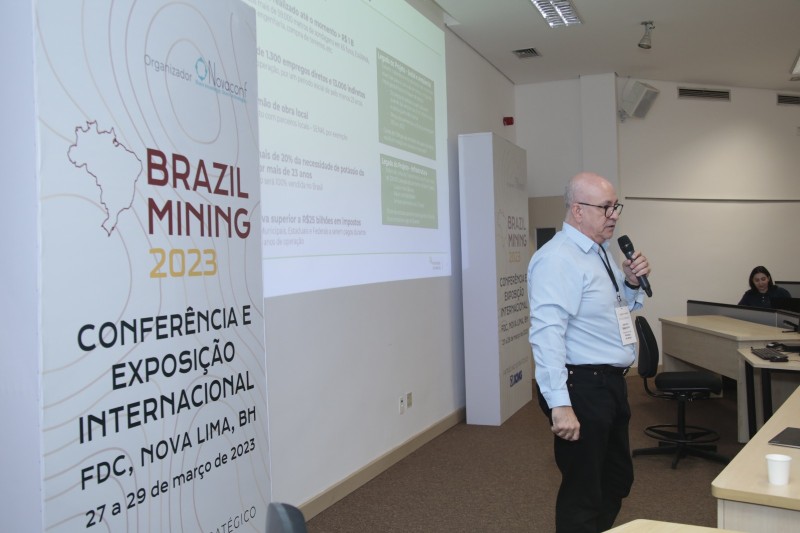
At the Brazil Mining 2023 International Conference and Exhibition held in Nova Lima, Adriano Espeschit, president of Potássio do Brasil (PdB), a subsidiary of Brazil Potash (BPC) delivered a lecture on “Food security: Brazil and global potash demand.” The conference, organized by Novaconf, attracted roughly 70 participants from various fields in the mining industry to discuss innovations, forge partnerships, and explore investment projects in Brazil.
Potássio do Brasil’s attendance at the conference aimed to showcase the Potássio Autazes Project and emphasize its significance for Brazil’s agricultural sector. Espeschit highlighted that the project would be “a milestone in the productive sector in Brazil” by bolstering agribusiness and providing food security. Furthermore, it would promote sustainable development in Autazes, the municipality where the project will be implemented.
The company is currently awaiting the Installation License (LI) from the Instituto of Environmental Protection of Amazonas (Ipaam) to begin constructing facilities and extracting potassium chloride from the sylvinite mine in Autazes, located 112 km from Manaus. The company has already received the Preliminary License (LP) from the same organization.
At a recent meeting of the Board of Directors of the Superintendence of the Manaus Free Trade Zone (Suframa), Vice President of the Republic and Minister of Development, Industry, Commerce and Services (Mdic), Geraldo Alckmin, pledged the government’s support for the project. Brazil is a leading global food producer and a major importer of fertilizers, particularly potassium chloride. Espeschit revealed that Brazil imports 98% of the potassium used in its agriculture.
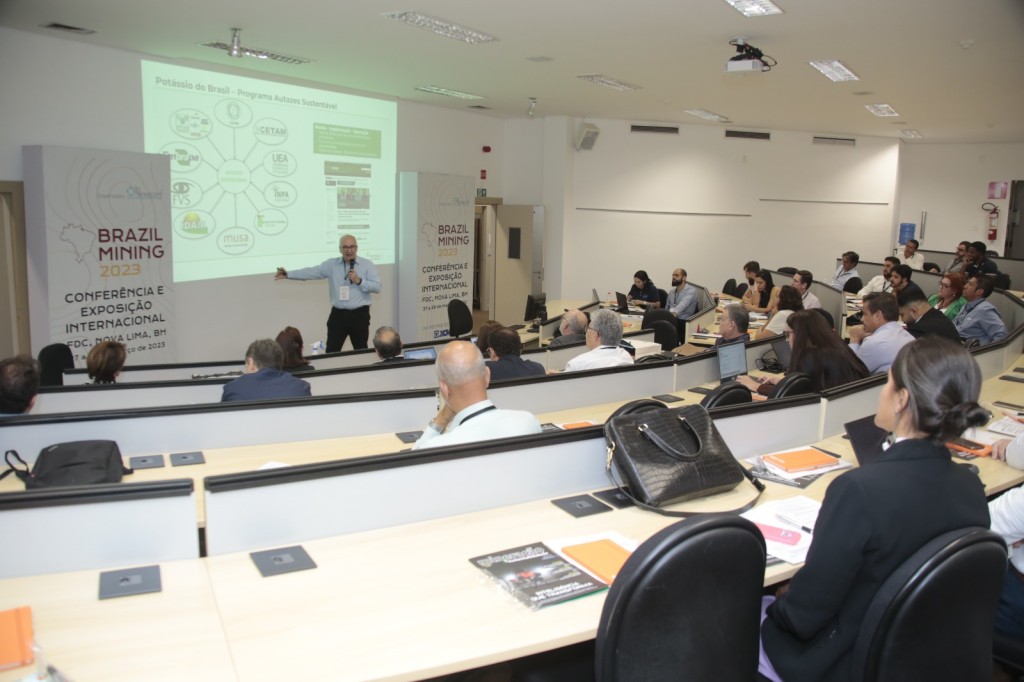
Espeschit added that potassium would be extracted 800 meters underground and the company’s facilities would be built on previously used pastureland, avoiding deforestation of native forests. He emphasized the company’s commitment to reforesting an area ten times larger than the one occupied by its facilities.
The above references an opinion and is for information purposes only. It is not intended to be investment advice. Seek a licensed professional for investment advice. The author is not an insider or shareholder of any of the companies mentioned above.
If you would like to receive our free newsletter via email, simply enter your email address below & click subscribe.
 Follow us on Twitter
 Become our facebook fan
CONNECT WITH US
Tweets
Tweet with hash tag #miningfeeds or @miningfeeds and your tweets will be displayed across this site.
MOST ACTIVE MINING STOCKS
Daily Gainers
 CMC Metals Ltd. CMC Metals Ltd. |
CMB.V | +900.00% |
 Eden Energy Ltd Eden Energy Ltd |
EDE.AX | +200.00% |
| GoviEx Uranium Inc. |
GXU.V | +42.86% |
| Eagle Nickel Ltd. |
ENL.AX | +41.67% |
| Citigold Corp. Limited |
CTO.AX | +33.33% |
| Mount Burgess Mining NL |
MTB.AX | +33.33% |
| Exalt Resources Limited |
ERD.AX | +31.94% |
| Casa Minerals Inc. |
CASA.V | +30.00% |
| Cariboo Rose Resources Ltd |
CRB.V | +28.57% |
| Belmont Resources Inc. |
BEA.V | +28.57% |