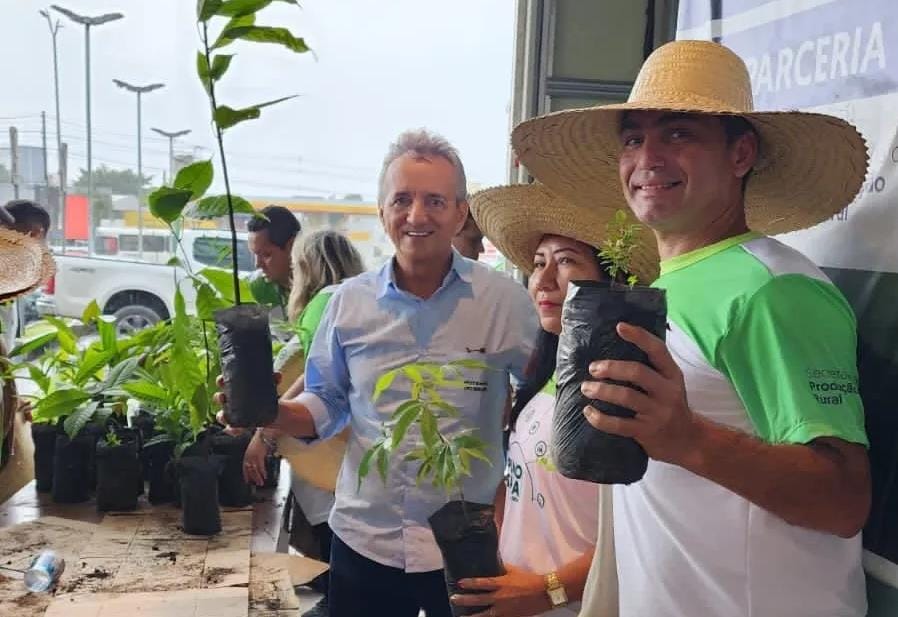
In an effort to further its mission of community development and environmental sustainability, Brazil Potash, through its subsidiary, Potássio do Brasil, has generously provided 5,766 seedlings of various kinds to the Amazonas state government. The seedlings, which include fruit, forest, ornamental, and medicinal varieties, were cultivated in the company’s nursery situated in the Urucurituba village in the Autazes municipality.
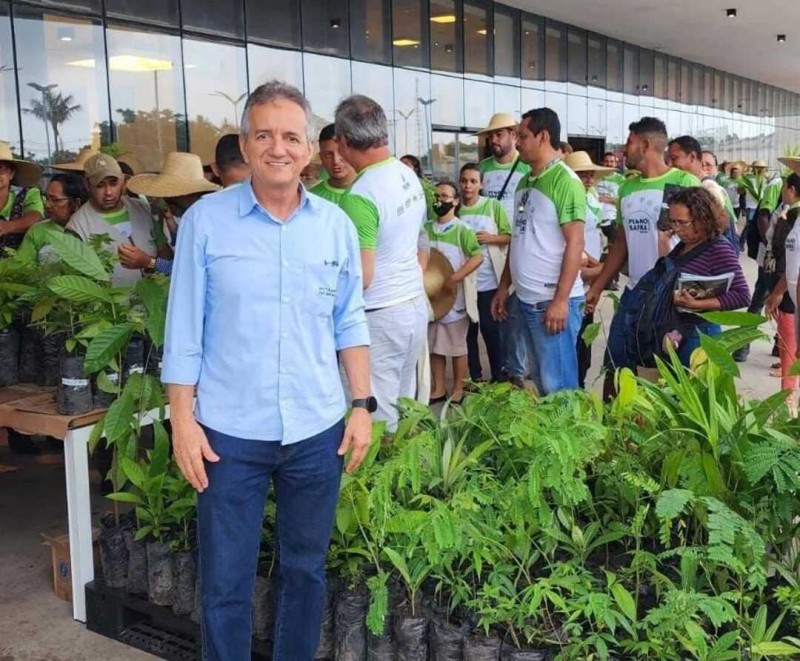
The handover took place on May 5th during the inauguration of the 2023-2024 Crop Plan at the Vasco Vasquez Convention Center. This initiative is set to uplift over 1,200 small-scale farmers in the Manaus Metropolitan Region and beyond, extending its reach to various municipalities within the Amazonas interior.
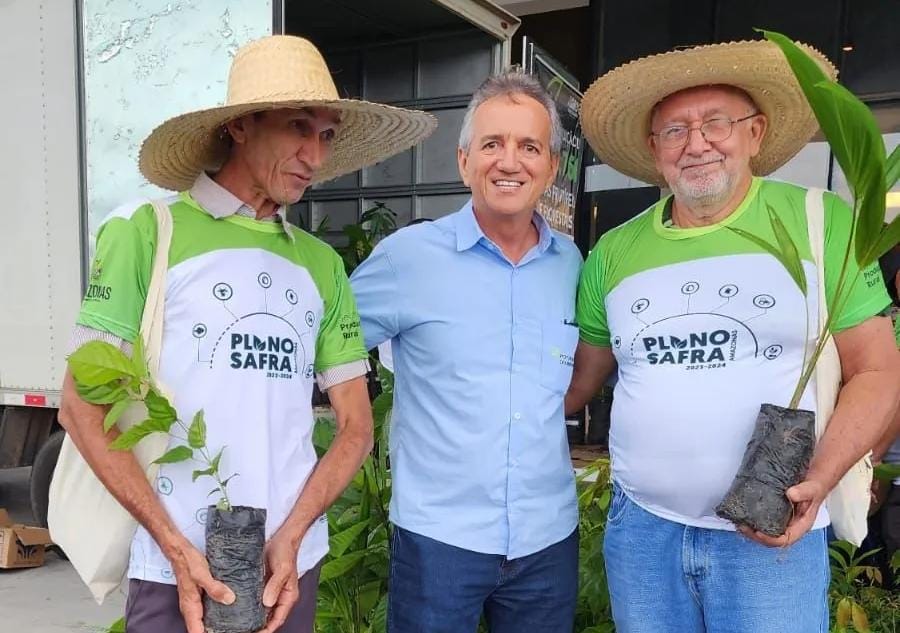
Representing Potássio do Brasil at the event, ESG director Lúcio Rabelo elaborated on the intent behind the donation. In line with the goals of the Autazes Potash Project, he highlighted the company’s commitment to bolster rural production, enhance food security, and mitigate climate change by sequestering greenhouse gases. Additionally, he emphasized on their strategy to safeguard water resources, rehabilitate degraded lands, and restore local biodiversity.
This move mirrors Potássio do Brasil’s commitment to align with the State Government’s efforts to confront the global climate crisis, reflecting its corporate ethos of contributing positively to the community.
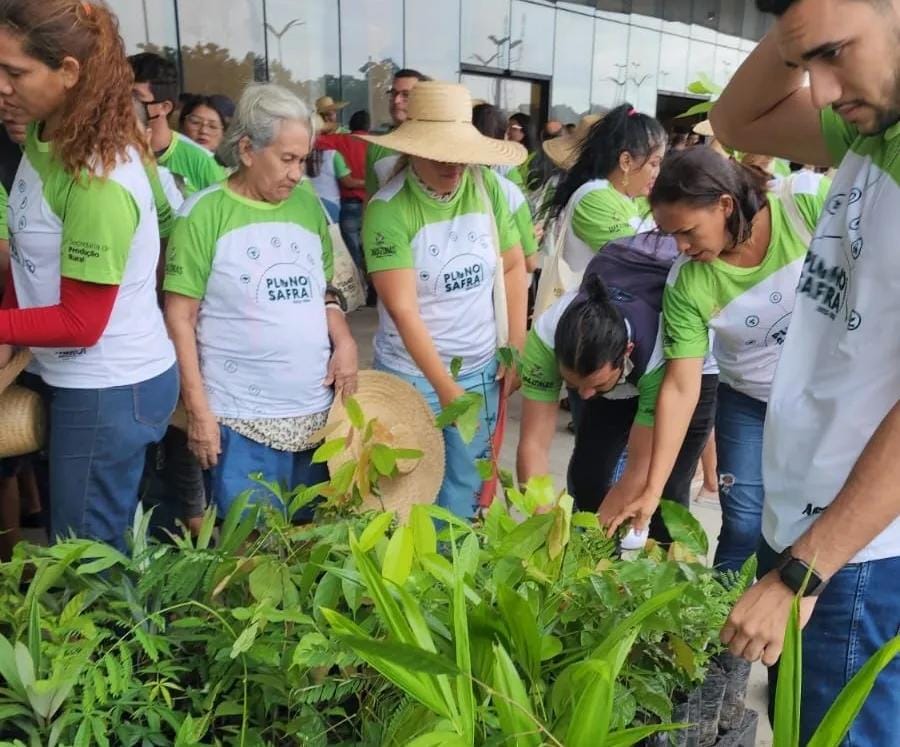
Notably, the Urucurituba nursery, established in 2021, has already yielded over 42,000 seedlings representing 55 different agroforestry species. This substantial output underpins the company’s dedication to fostering a sustainable future, a key aspect of Brazil Potash’s mission and a cornerstone of the Autazes Potash Project.
The above references an opinion and is for information purposes only. It is not intended to be investment advice. Seek a licensed professional for investment advice. The author is not an insider or shareholder of any of the companies mentioned above.

Brazil Potash is set to invest US$2.5bn in its Autazes potash project in Amazonas state, a significant step for the company and its flagship potash project. The project aims to extract and process sylvinite for the production of potassium chloride with a capacity of 2.2Mt/y. The Autazes project will be located 112km from Manaus, Amazonas state, and is expected to produce 20% of the volume consumed through Brazilian crops. The Autazes potash project is moving closer to approval and the inevitable and significant investment that will come with it, approaching the point where the company will begin to monetize the project through multiple channels and strategies.
Licensing and Financing Strategies
The project has already received the preliminary license issued by Amazonas’ environmental authority, Ipaam. The installation license from Ipaam is the only one remaining, and the company expects news regarding its licensing this year to begin building the project. Brazil Potash plans to invest US$2.5bn in the project and is working on several fronts in relation to funding.
The company has signed an offtake agreement with Brazilian agricultural conglomerate Amaggi, agreeing to buy 500,000t/y of the production for at least 15 years, helping the company in its search for financing. Brazil Potash has also received positive feedback from the development bank BNDES and is talking to other international development banks. The company is in talks with potential suppliers from Europe, North America, and China to purchase equipment.
Energy Supply and Logistics
To address the energy supply issue, Brazil Potash will build a 165 km transmission line to connect the project to the national grid. This will benefit the local population of around 200,000 people who currently use diesel oil to generate power for their homes. The project has an agreement with Hermasa from Amaggi group, which will deliver the product to ports in the region for logistics.
Importance of Investment in the Potash Mining Industry
Potash mining plays an essential role in agriculture as it is a vital element in the production of fertilizers. The Autazes project will produce a relevant amount of potassium chloride, which corresponds to 20% of the volume consumed through Brazilian crops. Potash mining in Brazil has been lagging behind other countries, and the Autazes project’s success will encourage more investment in the industry. Brazil Potash is committed to engaging local communities and indigenous peoples of the region, with the goal of having around 80% of the region’s people in its workforce.
With positive indications from development banks and an offtake agreement with a major agricultural conglomerate, Brazil Potash is well-positioned to move forward with the project and deliver the biggest new potash project in decades.
The above references an opinion and is for information purposes only. It is not intended to be investment advice. Seek a licensed professional for investment advice. The author is not an insider or shareholder of any of the companies mentioned above.
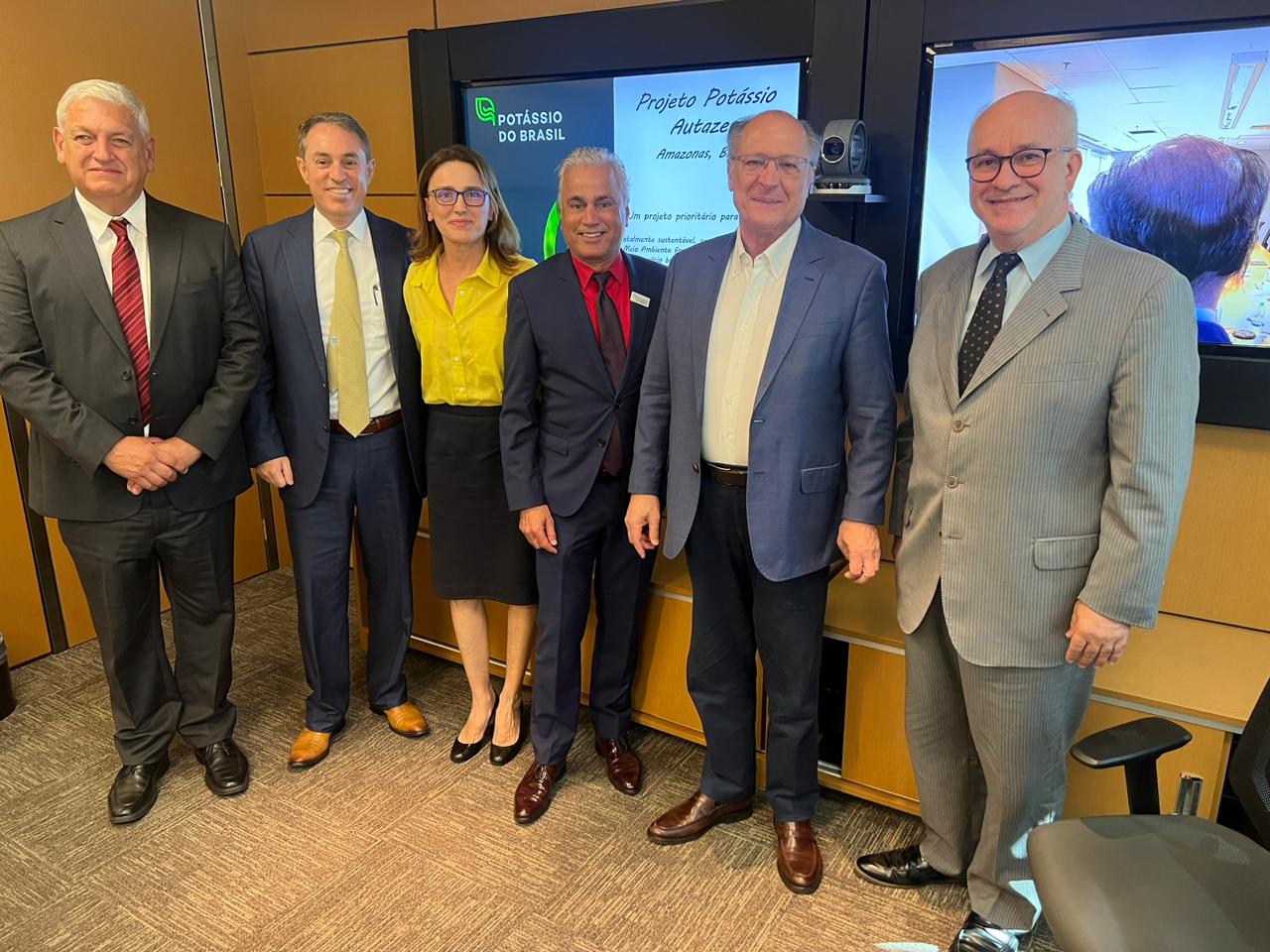
Potássio do Brasil’s President, Adriano Espeschit, and Chairman of Brazil Potash, Stan Bharti, recently presented the Autazes Potash Project to the new management of the Federal Government on March 3, 2023. The project was presented in Brasília to the Minister of Agriculture and Livestock, Carlos Fávaro, and his technical team, as well as to the Minister of Mines and Energy, Alexandre Silveira. The aim of the presentation was to seek the government’s support for the project, which will be implemented in the municipality of Autazes in the state of Amazonas.
The Autazes Potash Project is set to contribute significantly to Brazil’s self-sufficiency in the production of potash, a key component in fertilizer production. The project aims to extract 2.5 million tons of potash per year, which will be used domestically.
In a meeting with the Vice President of Brazil, Geraldo Alckmin, the Autazes Potash Project was presented by Espeschit, Bharti, and other members of the company’s board of directors. Alckmin, who is also the Minister of Development, Industry, Commerce and Services, praised the project and emphasized the need to strengthen the fertilizer industry in Brazil.
The Autazes Potash Project will also bring economic benefits to the region, providing job opportunities and boosting local infrastructure. The project will require an investment of approximately US$2.5 billion and is expected to generate over 5,000 direct and more than 10,000 indirect jobs during its construction and operation phases.
The Autazes Potash Project has already undergone extensive feasibility studies, and Potássio do Brasil is close to obtaining all the necessary environmental licenses to begin construction. The project will utilize the latest mining technologies and sustainable practices, including the use of renewable energy sources to power the operations.
The president of Potássio do Brasil, Adriano Espeschit, expressed his excitement about the project and the potential it holds for Brazil’s economy and environment. He also invited the Vice President, Geraldo Alckmin, to visit Autazes and see firsthand the positive impact the project will have on the region.
The Autazes Potash Project is set to become a significant contributor to Brazil’s fertilizer industry and a key player in the global potash market. The project’s successful implementation will help reduce Brazil’s dependence on foreign countries for potash and strengthen the country’s position as a leading producer of agricultural products.
The above references an opinion and is for information purposes only. It is not intended to be investment advice. Seek a licensed professional for investment advice. The author is not an insider or shareholder of any of the companies mentioned above.
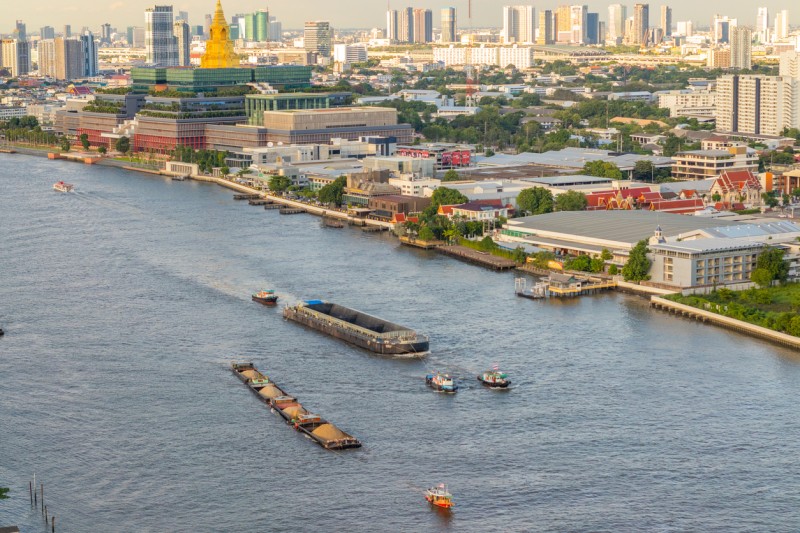
Brazil Potash’s Autazes Potash Project promises to be one of the biggest mining investments in Brazil in years, with the company intending to invest $2.5 billion immediately once it obtains its installation license. To prepare, the company has been busy signing offtake agreements to secure the funding when it is needed.
The project financing will rely on the company having advance sales contracts with renowned clients, which Brazil Potash has already begun to do with Amaggi. The first contract with Amaggi was for the purchase of 500,000 tonnes, with a second agreement negotiating the remainder of the mine’s potential of 1.9 million tonnes.
The proposed output for the Autazes Potash Project is also significant because the company plans to double the production numbers. Currently, consultation work is ongoing with the Mura Indigenous group, and is one of the final steps before the company is able to obtain the installation license.
The Changing Potash Market
Three key countries have dominated the potash market in the past: Canada, Belarus, and Russia. This has created issues for food security and pricing stability as the three countries have a monopoly on the market. Brazil Potash’s Autazes Potash Project has the potential to change this, with the company’s CEO, Adriano Espeschit, stating that the project will have a major impact on the global potash market.
The Autazes Potash Project will also add to the diversity of potash production and break up the current monopolistic structure. This could lead to more competitive pricing for potash and create more stability for the market. In addition, the project has the potential to provide jobs and economic growth in the region, as well as stimulate the Brazilian economy.
Beyond the economic impact, the project is a sustainable engineering investment that will produce potassium chloride, an extremely important fertilizer. Brazil is a major agricultural producer, and the Autazes Potash Project could help to ensure that the country has access to the potash it needs for its crops. With current food prices at all-time highs around the world, providing farmers access to better pricing for fertilizers could help balance the market and make it more economical to produce and sell their products.
The company is currently in the pre-production phase and is open for investment, as it continues to explore offtake agreements to ensure the project’s success and future investment of $2.5 billion. That investment would make Brazil Potash one of the largest mining investments in Brazil in years.
The above references an opinion and is for information purposes only. It is not intended to be investment advice. Seek a licensed professional for investment advice. The author is not an insider or shareholder of any of the companies mentioned above.
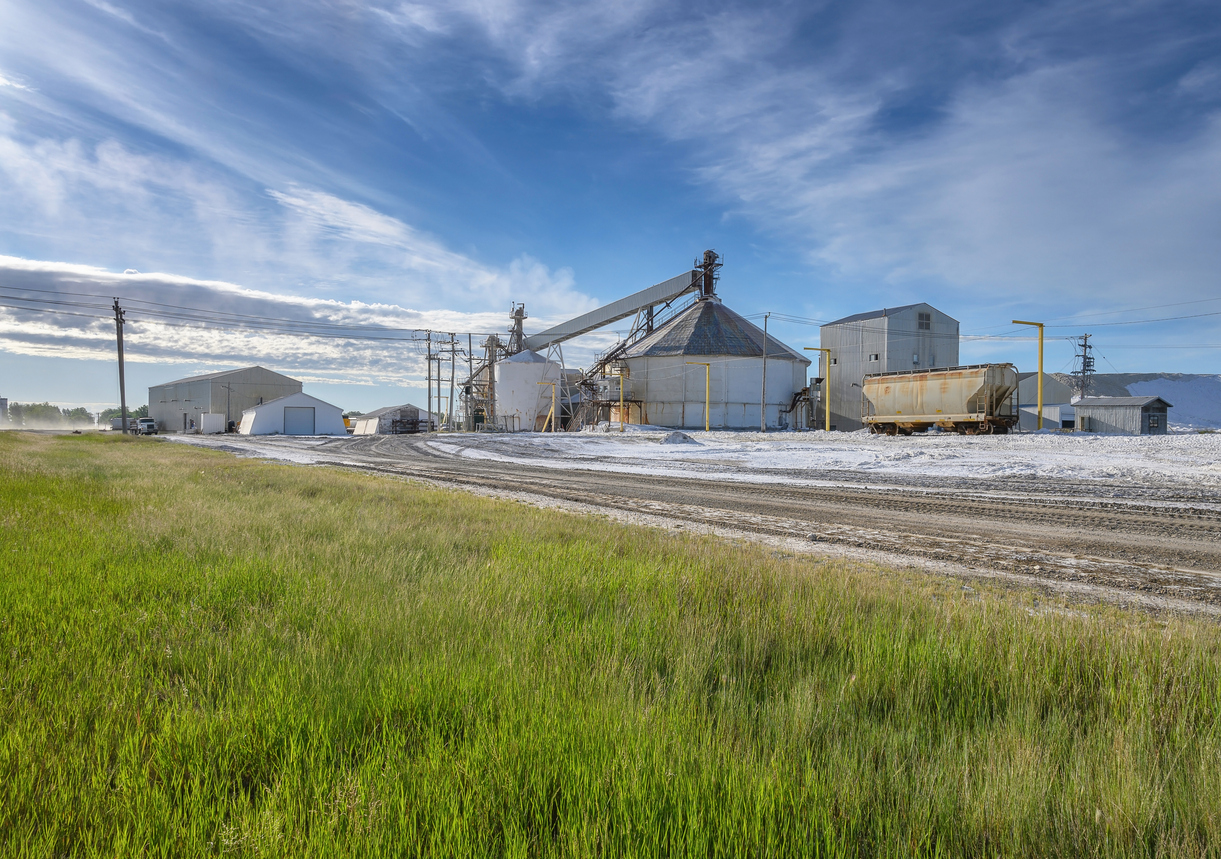
As the year kicks off and investors prepare for the future, here are some of the potash mining companies that should be on their radar in 2023. These companies have created some of the biggest producing projects, opened new hiring or investment initiatives, or are developing new projects that are set to change the potash market completely.
Brazil Potash
Brazil Potash is a Canadian potash mining company developing the Autazes Potash Project in Manaus, Amazonas State in Brazil. The project aims to double potash output in the coming years and make Brazil self-sufficient in terms of potash production in the near future. The project is a sustainable engineering investment that will produce potassium chloride, an extremely important fertilizer.
Brazil is currently a net importer of potash, due to a combination of factors like limited production and growing demand. With Brazilian demand expected to continue growing, the project has the potential to make a huge dent in the demand domestically. The country is the world’s largest net exporter of agricultural products and food but requires potash imports to hit those numbers. This could be solved with domestic potash production which would drive down agricultural input costs immensely.
The company is currently in the pre-production phase but is open to investment, providing an opportunity for investors to get in on the ground floor of an exciting new potash project.
Western Resources (TSX:WRX)
Western Resources (TSX:WRX) and its wholly owned subsidiary, Western Potash, are working to build a capital-efficient, environmentally friendly potash solution mine at the Milestone Project in Saskatchewan. The full ramp up of operations is projected to begin in mid-2023. In June 2022, WRX announced the next phase of Milestone Project restart, which will involve the completion of processing facilities and the development of solution mining.
Karnalyte Resources (TSX:KRN)
Karnalyte Resources (TSX:KRNN) is a company specializing in the construction of its advanced Wynyard Potash Project in Central Saskatchewan. The company has completed feasibility studies, and the project is ready for construction, with financing in the process of being secured.
Why Potash Mining is More Critical Than Ever
The potash mining industry is seeing more investment and attention than ever before for a few key reasons:
Potash and Fertilizer Shortages Threaten Food Security
One of the biggest risks to global food security is the current and potential shortages of potash and fertilizers. Potash is a critical mineral for crop growth and food production, as it increases yields and helps to keep soil healthy. As population growth and demand for food and resources increases, potash and fertilizer shortages could become a major concern.
With potash and fertilizer prices rising, potash mining is becoming an increasingly attractive industry with the potential to help ensure food security. By investing in potash production, countries can reduce their reliance on imports and gain more control over their own food security.
A Monopolized Market
The potash market is currently dominated by only a few major players, with most of the major extraction and production operations concentrated in North America and Russia. This has led to a lack of competition, which has resulted in artificially high prices and a lack of innovation.
Investing in potash mining companies and diversifying production could help create a more competitive and open market, which could lead to lower prices and better products.
Opportunity for Growing Brazil’s Domestic Potash Market
Brazil is the world’s largest net exporter of agricultural products and food, yet it is a net importer of potash. This is due to a combination of factors, such as limited production and growing demand. With Brazilian demand expected to continue growing, there is a vast opportunity for potash mining companies to capitalize on this potential.
The Autazes Potash Project from Brazil Potash, for example, aims to make Brazil self-sufficient in terms of potash production in the near future, which could drastically reduce agricultural input costs and provide a more secure food supply for the country.
Potash mining is an incredibly important industry for global food security, and with the right investments and initiatives, it could help to ensure a more secure future. In 2023, investors should keep a close eye on the potash mining companies mentioned above, as they are well-positioned to capitalize on the opportunities in the sector.
The above references an opinion and is for information purposes only. It is not intended to be investment advice. Seek a licensed professional for investment advice. The author is not an insider or shareholder of any of the companies mentioned above.
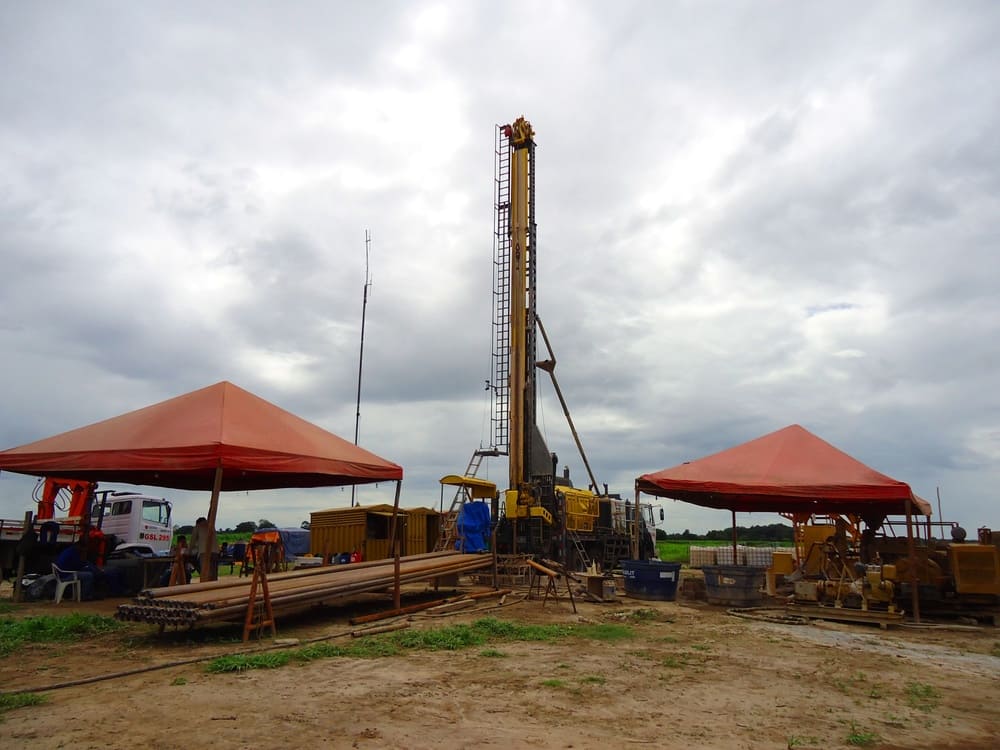
Brazil is home to a vast supply of potash, a natural mineral found in abundance within the country’s soil. This mineral is helpful in the production of fertilizer and is an important resource for the agricultural industry. Thanks to recent advancements in technology, the potential of Brazil’s potash mining industry has been unlocked, allowing Brazilian miners to access and harvest this mineral in a safe and efficient manner. Let’s explore the potential of Brazil’s potash mining industry, the technology that is being used, and the economic benefits it could bring to the country and the potash mining market.
Brazil Potash is a Canadian mining company with its flagship Autazes Potash Project near Manaus, Brazil. The Brazilian government has given the project its support, and last year there had been plenty of discussion about the importance of fertilizers to the country. The administration released the National Fertilizer Plan, highlighting the importance of potash in the country’s fertilizer mix.
The Autazes Potash Project’s goal is to double the current production, changing the domestic market completely. Currently, the global potash market is dominated by a small group of countries including Russia, Canada, and Belarus. This in turn makes it more expensive for companies and countries to import potash for important applications such as improving crop yields and fertilizer quality.
The Autazes Potash Project has the potential to be so large that it could single-handedly change the potash market dynamic and ultimately shift Brazil from a net importer to a net exporter in the future.
Brazil is one of the world’s largest exporters of agricultural products, and its potash mining industry is not contributing to this success. The country has a large number of potash deposits, estimated to be around 45 billion tons, which is enough to cover the world’s demand for the mineral for decades. The deposits are located mainly in the northern regions of Brazil, and they are considered to be some of the most promising in the world.
The Development of a Potash Mining Project
There are several stages to a potash mining project that must be completed before the mineral can be effectively and safely extracted. The first step is to conduct a geological survey of the area, which includes the use of geophysical instruments to determine the size and shape of the potash deposits. After this, a drilling program is conducted to further characterize the deposits and create a three-dimensional map of them. This is followed by the construction of a mine, which is typically done using underground mining techniques.
Once the mine is operational, the mineral is extracted and processed in a number of ways, depending on the type of potash being mined. Potash can be processed into a variety of different products, including fertilizer, animal feed, and industrial chemicals. After this, it is ready to be transported to its destination.
The Benefits of Potash Mining in Brazil
Potash mining in Brazil has a number of benefits to the country’s economy. It creates jobs in the mining industry and helps to drive the development of rural areas. It also generates taxes for the government and provides a reliable source of income for the communities around the mines.
The increased production of potash also helps to promote the sustainable development of the agricultural sector. The fertilizer produced from potash helps to increase crop yields and improve soil fertility, which can help to reduce hunger and poverty in rural areas.
Unlocking Brazil’s Full Potash Potential
Thanks to projects like the Autazes Potash Project, Brazil is now on the verge of unlocking the full potential of its potash industry. This will bring significant economic benefits to the country and the potash market as a whole. It will also help to reduce the global dependence on a small group of suppliers and provide a reliable source of potash to the world.
The above references an opinion and is for information purposes only. It is not intended to be investment advice. Seek a licensed professional for investment advice. The author is not an insider or shareholder of any of the companies mentioned above.
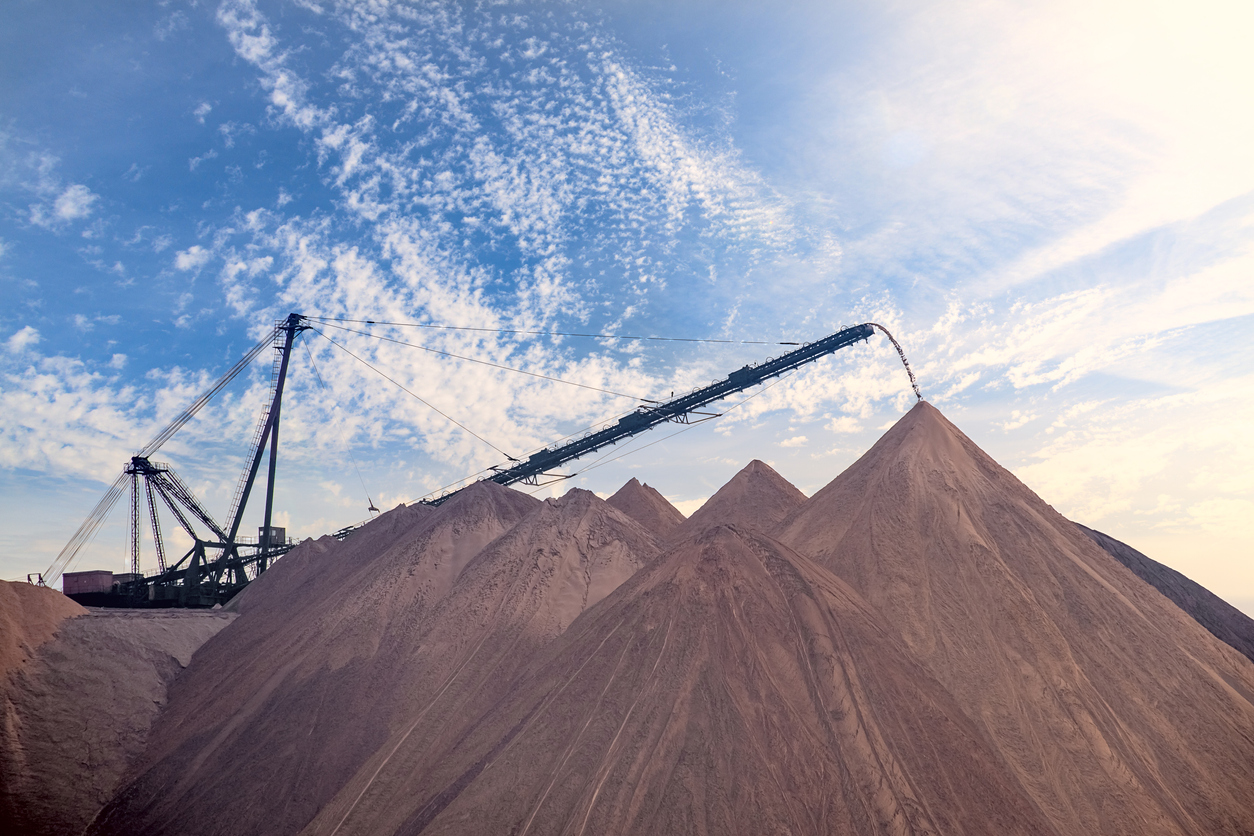
The world’s global food supply is highly connected, and it is important that potash producers step up to help ensure global food security. Potash is an essential nutrient for plant growth and development, and without it, crops will not be able to grow to their full potential. By stepping up to support global food security, potash producers can help improve the yield of a crop and its quality, ensuring that it can be used for food production.
This can help to reduce food insecurity and poverty, as well as provide access to more nutritious food for those who need it. It can also help to reduce environmental damage from the overuse of fertilizers and chemicals on crops, helping to protect the planet for future generations.
Countries like Brazil are the perfect example of how boosting domestic potash production could lead to benefits across the entire agriculture sector and beyond. Brazil’s agricultural industry is one of the country’s largest employers, and the potash industry is a major contributor to the country’s economy. However, right now, Brazil is a net importer, and this raises costs for the industry and creates risks to supply chains.
Brazil Potash, a potash mining company, is developing the Autazes Potash Project near Manaus. The goal of the project is to develop a more environmentally-friendly method of extracting potash from the ground while doubling twice the current Brazilian production and changing the domestic potash market dynamic in Brazil.
The Brazilian government has given the project its support, and this year there has been plenty of discussion of the importance of fertilizers to the country. The administration released the National Fertilizer Plan, highlighting the importance of potash in the country’s fertilizer mix.
Brazil Potash’s management team is another reason that this project is such an important one. The team has a strong track record of developing and bringing projects into production. In addition, the company’s board of directors includes advice from representatives from some of the world’s largest agribusiness companies, which provides valuable insights into the industry.
Brazil is not the only country looking to change the potash market. The current market dominance of a few countries including Canada, Russia, and Belarus has left some of the most food-insecure countries in need of a new domestic potash strategy. Across regions like Africa, Asia, and Latin America, potash producers are looking for ways to develop and increase local potash production to provide a more secure supply of the mineral to citizens and agricultural companies.
The other area the Autazes Potash Project solves is the supply chain backlog and dependence on overseas imports. When the pandemic shut down shipping and borders, this created a backlog and increased costs for many countries. By providing a domestic potash supply, Brazil can avoid these issues and ensure its agricultural industry remains productive.
The Autazes Potash project will not only create direct jobs at the site but indirect jobs and other investments in the communities in which it operates and further collaboration with local and national governments. Brazil’s new government has positioned itself as a champion of global trade and investment, and this new political environment will also help the company in its mission to expand and double production as quickly as possible. The company is currently in the pre-production phase and is open for private investment, directly through Brazil Potash.
The future of global food security is uncertain, but it is clear that potash producers will play an important role in helping to ensure that everyone has access to nutritious food. With the Autazes Potash Project, Brazil Potash is paving the way to a more secure and sustainable agricultural future for all Brazilians, and the world.
The above references an opinion and is for information purposes only. It is not intended to be investment advice. Seek a licensed professional for investment advice. The author is not an insider or shareholder of any of the companies mentioned above.
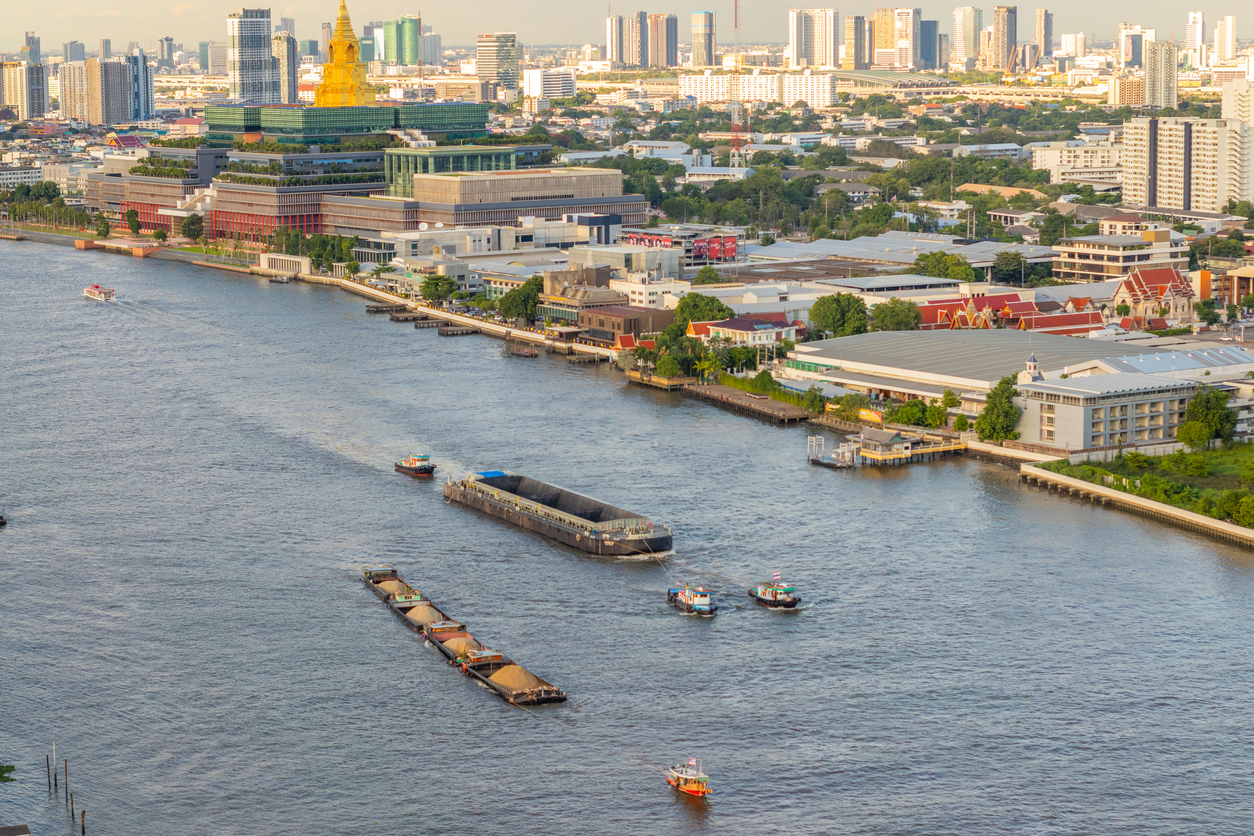
Brazil Potash has announced that it is continuing to advance its Autazes potash project toward submission and has submitted an Indigenous Consultation Study (ECI). This accompanies the completion of an update of the engineering technical report. The report outlines projected project costs and economics.
There are a total of 78 items to be completed and approved by several Brazilian government agencies. This will allow the company to obtain an installation license for the project, a requirement for Brazil Potash to begin construction at Autazes. The company has already completed 76 of these items and submitted item 77 (ECI) to the government indigenous rights protection agency, FUNAI.
FUNAI has 90 days to review the proposal and give Brazil Potash a response, ideally an approval. After obtaining approval for the ECI from FUNAI, Brazil Potash will need to provide it to the Amazonas Environmental Protection Institute (IPAAM) and three indigenous support programs: (i) Program of Support to Indigenous Communities, (ii) Program of Social Communication, and (iii) Subprogram of Environmental Education.
With this submission, Brazil Potash is looking for the reinstatement of its Preliminary License from the Court overseeing the process, at which point IPAAM can issue the installation license. Company management has also recently updated the engineering, cost, and economic technical report to provide a current view of key project metrics. This will help the company provide an overview and clear picture ahead of raising funds for construction.
The last comprehensive study was completed in 2016, and as of the 2022 assessment, the company has noted that an escalation in costs for construction capital and general operating expenses is offset by an upward shift in potash sales prices and a very favourable exchange rate.
After completing the updated technical report, the company has reinforced its view on the project’s economic viability and attractiveness and its massive potential to transform the current Brazilian agricultural landscape. As such, the Autazes potash project will serve as a platform for future growth once it is in production.
The above references an opinion and is for information purposes only. It is not intended to be investment advice. Seek a licensed professional for investment advice. The author is not an insider or shareholder of any of the companies mentioned above.
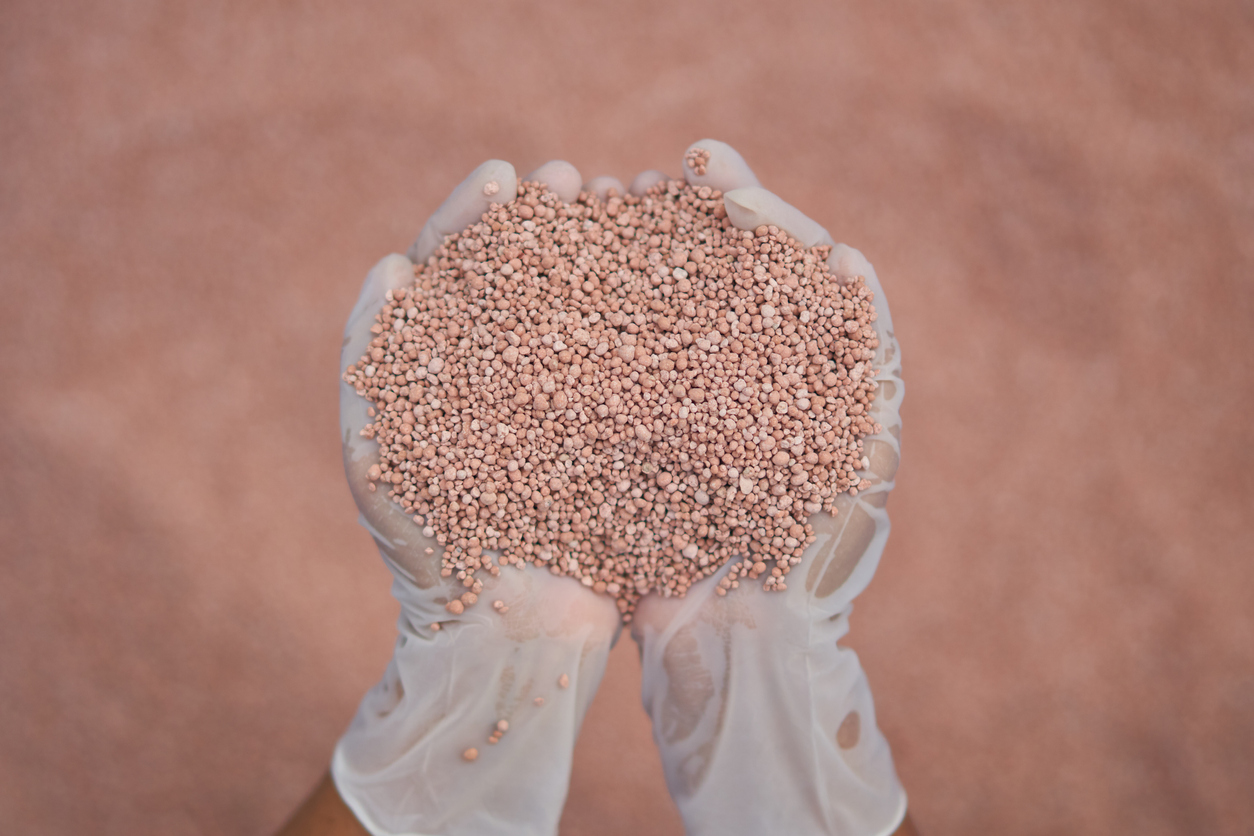
The world has changed dramatically in the last few decades, with the rise of alternative energy sources such as solar and wind. The potash mining industry is also beginning to shift its focus, looking for cleaner and more environmentally-friendly methods of extracting the valuable mineral.
Potash is used in several industrial applications, such as fertilizer, plastics and ceramics. The mining process of potash uses a great deal of water and energy, and it has been linked to environmental damage, including water contamination and air pollution.
One project that is looking to address these concerns is the Autazes Potash Project in Brazil from Brazil Potash. The goal of the project is to develop a more environmentally-friendly method of extracting potash from the ground while doubling current production and changing the domestic potash market dynamic in Brazil.
One of the main advantages of the Autazes Potash Project is that it uses a more sustainable method of extracting potash from the ground. The project will employ a process for extracting Sylvinite, a rock made up of halite (salt) and Sylvite, or Sylvine (potassium chloride), which will not harm the earth’s surface soil or environment. The chambers and pillars technique will be utilized throughout the entire extraction operation.
This method is much more environmentally-friendly than traditional methods of extracting potash, which uses a great deal of water and energy. It also does not damage the environment or the local water supply to the extent of traditional mining, which is a major concern with other methods of extracting potash by solution mining.
The potash market is facing challenges due to the entrenched nature of the producing countries and the largest importers of the mineral. The Autazes Potash Project is looking to address these challenges by bringing a new project to the market to fill Brazil’s massive demand for potash.
Brazil’s agricultural industry is one of the country’s largest employers, and the potash industry is a major contributor to the country’s economy. However, right now, Brazil is a net importer. This raises costs for the industry and creates risks to supply chains. The current disruptions in the market due to issues with Russian and Belarusian exports have highlighted the urgent need for a project like Autazes to be permitted as soon as possible.
The Brazilian government has given the project its support, and this year there has been plenty of discussion of the importance of fertilizers to the country. The administration released the National Fertilizer Plan, highlighting the importance of potash in the country’s fertilizer mix.
Brazil Potash’s management team is another reason that this project is such an important one. The team has a strong track record of developing and bringing projects into production. In addition, the company’s board of directors includes advice from representatives from some of the world’s largest agribusiness companies, which provides valuable insights into the industry.
The Autazes Project is a major step forward in the quest to find more environmentally-friendly methods of extracting potash. The project has the potential to revolutionize the way the potash market works, and it has the backing of the Brazilian government. If the project is successful, it could lead to a more environmentally-friendly way of extracting potash, and ultimately, a cleaner and healthier environment while balancing the Brazilian domestic potash market.
The above references an opinion and is for information purposes only. It is not intended to be investment advice. Seek a licensed professional for investment advice. The author is not an insider or shareholder of any of the companies mentioned above.
The mining industry is one of the leading innovators when it comes to green technologies and operations. As the world transitions to a greener, more renewable energy future with less reliance on fossil fuels, the mining industry is looking for cleaner, more sustainable alternatives in some operational practices.
One of the most promising clean mining technologies is called “sustainable mining”. Sustainable mining is a mining method that reduces the environmental impact of mining operations by using methods that minimise the use of water, energy and land.
A prime example of this is Brazil Potash’s Autazes Project, which is a clear sustainable engineering investment that will produce potassium chloride, an extremely important fertilizer.
The project will employ a process for extracting Sylvinite, a rock made up of halite (salt) and Sylvite, or Sylvine (potassium chloride), which will not harm the earth’s surface soil or environment. The chambers and pillars technique will be utilized throughout the entire extraction operation. In order to remove the ore, which is approximately 800 meters deep, the company will need to excavate two shafts. The Sylvinite ore will be brought to the surface through these wells, and processed so that the Potassium Chloride (fertilizer) can be separated from the Sodium Chloride (kitchen salt).
Companies are learning to manage operations in a more sustainable way out of necessity, but are driving innovation much faster than other industries out of motivation. That means making a few specific areas more efficient.
Tailings
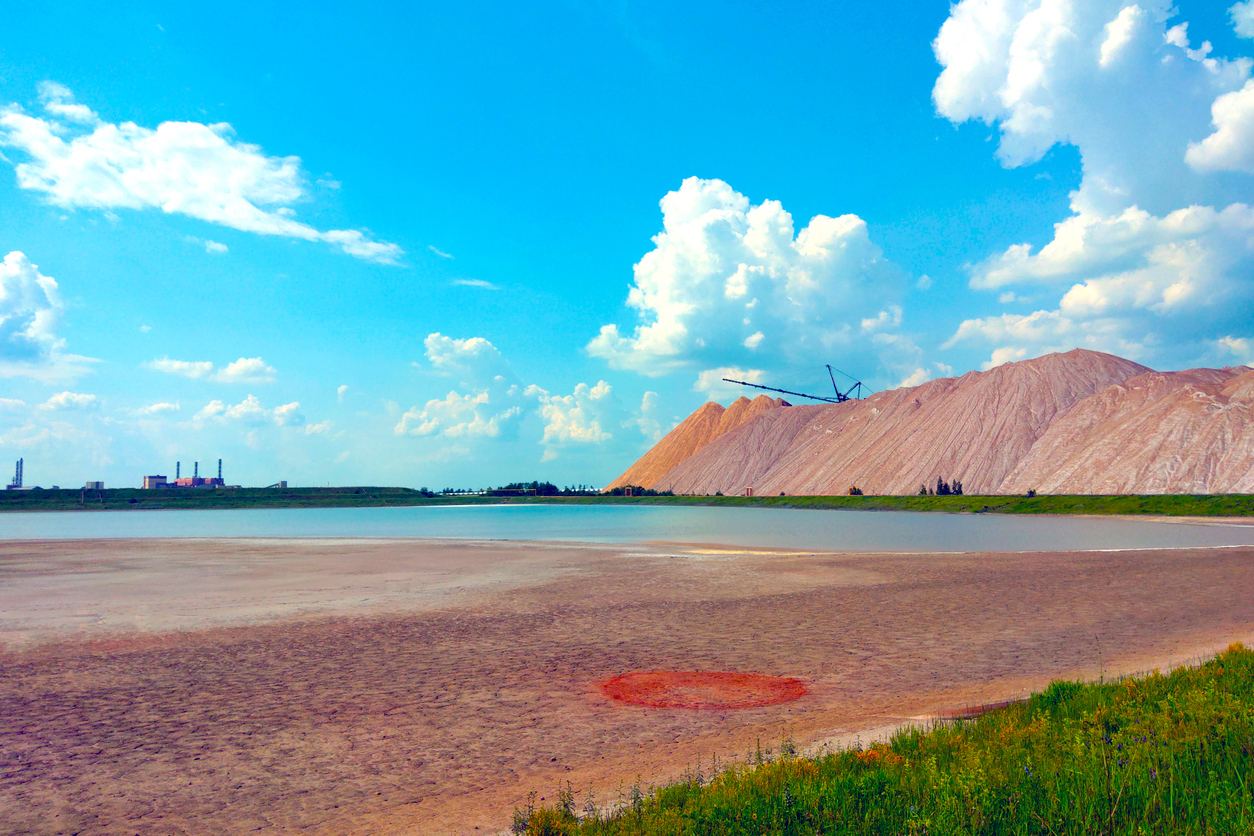
This is the process during which the mining company removes the tailings from the beneficiation process by putting them into tailings piles. Tailings piles can be a major environmental issue because they can accumulate sediments and pollute water supplies.
There are now many companies looking for ways to clean up their tailings without releasing harmful toxins into the environment. One promising alternative is called filtration. Filtration allows Brazil Potash to stockpile the table salt in sealed piles. Latter the salt will return to the empty rooms in the underground.
Technology
Technology has played an important role in the development of sustainable mining methods. Some of the most important advances include:
-Remote sensing: Remote sensing is the use of technology to collect data about the environment without being physically present. This technology can be used to identify and monitor environmental issues such as water pollution and air quality, and help to plan and implement sustainable mining operations
-Augmented reality: Augmented reality is a technology that allows users to see information about the environment surrounding them in a more tangible way. This technology can be used to help plan and monitor sustainable mining operations, and to understand the impact of mining on the environment.
-Robotics: Robotics allows machines to be controlled and operated using software. Robotics has been used in many different industries, but is especially suited for the mining industry because it can help to automate repetitive tasks and improve safety.
Transportation
Of course one of the biggest emissions sources in any industry has historically been transportation. The mining industry has responded to this challenge by developing more sustainable transportation methods.
Some of the most promising transportation alternatives for the mining industry include:
-Electric vehicles: Electric vehicles are vehicles that use electric power to move. They have many benefits, including the fact that they produce little to no emissions.
-Self-driving trucks: While self-driving cars have been slow to hit the market, the mining industry is implementing self-driving trucks faster than ever. These trucks can navigate faster and better than human drivers, and can help to reduce the amount of time that is spent transporting goods.
They can also handle repeat routes in forward and reverse gears, saving time for turning around in tight spots for some projects.
As the world transitions to a more sustainable future, the mining industry is leading the way in developing cleaner, more sustainable alternatives. These technologies have the potential to reduce the environmental impact of mining operations, and help to restore degraded ecosystems. For companies like Brazil Potash bringing a more sustainable world forward through potash, a critical mineral for fertilizer, leading the way with its operations is a prime example of how the mining industry continues to innovate and put forward the ideas of the future.
The above references an opinion and is for information purposes only. It is not intended to be investment advice. Seek a licensed professional for investment advice. The author is not an insider or shareholder of any of the companies mentioned above.
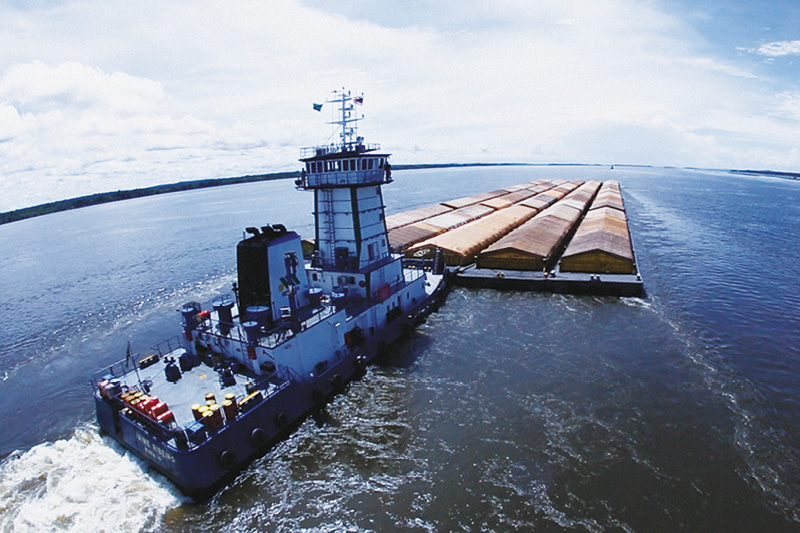
Brazil Potash announced on October 3, 2022, that it had signed multiple legally binding agreements with Amaggi Exportação e Importação Ltda. Amaggi is one of the largest global privately held soybean producers with operations complementary to Brazil Potash that include commodities trading, logistics operations, agricultural farming, and energy production. All of the agreements will apply to Brazil Potash’s Phase One Autazes production equalling 2.4 million tonnes of potash per year which includes a 15 to 17-year term and a mutual option for the companies to extend them.
The three agreements are as follows:
- Offtake Agreement, with take or pay terms and conditions for 500,000 tonnes per year of potash;
- Marketing Agreement to sell Brazil Potash’s remaining 1.9 million tonnes of potash per year; and
- Barge Transportation Agreement to ship the initial planned 2.4 million tonnes of potash per year of production to inland ports close to major farming regions within Brazil.
Stan Bharti, Chairman of Brazil Potash commented in a press release: “It’s game changing for Brazil Potash to sign binding contracts with AMAGGI. It is the ideal company for Brazil Potash to contract with as they consume a large amount of potash for application on their farmed land; they also have an extensive distribution and logistics network through their wholly owned subsidiary, Hermasa, which operates a barge-to-ocean vessel transshipment terminal only 40 miles upstream from our Autazes project. I have known Blairo Maggi for a number of years and am excited to be working with AMAGGI and its talented team.”
Blairo Maggi, one of the shareholders of AMAGGI commented in a press release: “Brazil is a country rich in farming know-how with massive amounts of cultivated land, fresh water and an ideal temperature to allow for year-round growing. However, despite being one of the world’s largest consumers of potash, globally, we are heavily exposed given that 98% of this essential plant nutrient is imported. Having a large-scale domestic source of conventional potash – as proposed by Brazil Potash – is important to help ensure both Brazil’s and global food security. I am therefore happy that AMAGGI is able to be part of this important project.”
After the project becomes operational, Hermasa will allocate resources for the covered potash transportation primarily from Brazil Potash’s port near Urucurituba village on the Madeira River to Porto Velho, or through the Amazonas and Tapajos rivers on to other destinations.
The above references an opinion and is for information purposes only. It is not intended to be investment advice. Seek a licensed professional for investment advice. The author is not an insider or shareholder of any of the companies mentioned above.
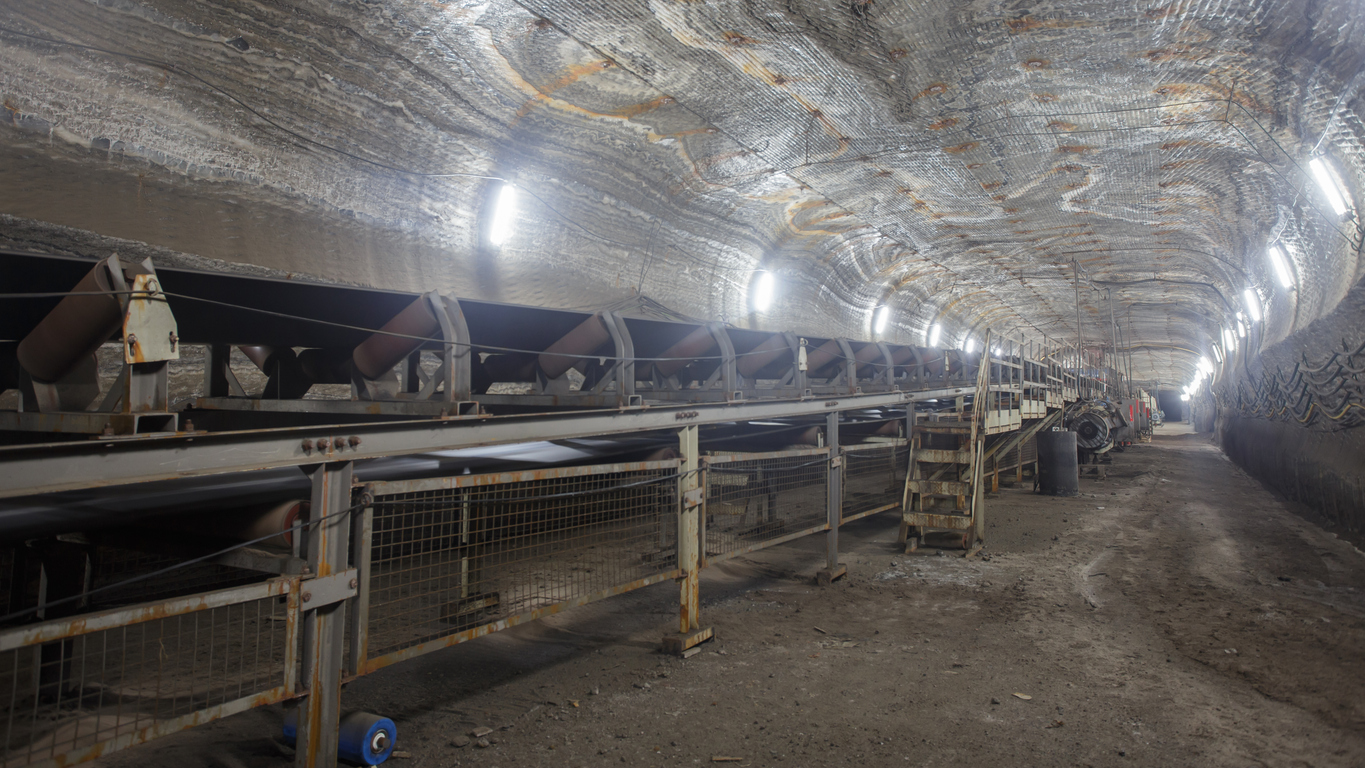
The world economy is quickly moving to a more sustainable, environmentally friendly model, but this transition is causing some shortfalls in available resources, a new study finds. The study, published in The Geographical Journal, shows that the global demand for sulphur is outpacing the supply, which is causing shortages in the chemical.
This is a problem because sulphur is an important component in a range of industrial processes, including fertilizer production and steelmaking. The study warns that the global sulphur shortage could create major economic problems, including higher food prices and lost jobs, as well as difficulty extracting potash.
The study recommends that the global economy find other ways to produce sulphur and potash, such as by developing new technologies or by importing the chemical from other countries like Brazil, in which a renewed push for domestic production has driven new investment and an exciting new project.
Currently, potash mining company Brazil Potash is developing the Autazes project, which aims to double potash output in the coming years and make Brazil self-sufficient in terms of potash production in the near future. The project is a sustainable engineering investment that will produce potassium chloride, an extremely important fertilizer.
The project will employ a process for extracting Sylvinite, a rock made up of halite (salt) and Sylvite, or Sylvine (potassium chloride), which will not harm the earth’s surface soil or environment. The chambers and pillars technique will be utilized throughout the entire extraction operation. In order to remove the ore, which is approximately 800 meters deep, the company will need to excavate two shafts. The Sylvinite ore will be brought to the surface through these wells, and processed so that the Potassium Chloride (fertilizer) can be separated from the Sodium Chloride (kitchen salt).
The world’s demand for sulphur is outpacing the global supply, causing shortages in the chemical and potential economic problems. Brazil is the world’s largest net exporter of agricultural products and food but requires potash imports to hit those numbers. This could be solved with domestic potash production which would drive down agricultural input costs immensely.
On top of the risks to global food security, now there is concern that one of the most important efforts the energy industry has faced may be in jeopardy without such a project. Sulfuric acid is used in the production of phosphorous fertilizers, and for extracting battery metals from ores in the case of cobalt and nickel. The process of smelting these metals requires large amounts of sulphur.
There are also methods of extracting potash with it. Potash comes into play because it is a key component of making phosphorous fertilizer, and when phosphorous prices spike, so do the prices of other fertilizers. Demand is set to rise from 246 to 400 million metric tons by 2040. This is due to more intensive agriculture and the world moving away from fossil fuels.
“Sulfur shortages have occurred before, but what makes this different is that the source of the element is shifting away from being a waste product of the fossil fuel industry,” lead researcher Mark Maslin said in a statement.
“What we’re predicting is that as supplies of this cheap, plentiful, and easily accessible form of sulfur dry up, demand may be met by a massive increase in direct mining of elemental sulfur. This, by contrast, will be dirty, toxic, destructive, and expensive.”
What is needed to solve the shortage is a multi-focal approach to innovation and new projects. More research is needed for renewable potash mining, and new projects need to be developed faster.
Additionally, global fertilizer shortages could be alleviated by a move away from fossil fuels and towards a more sustainable, environmentally friendly model, but only if the raw materials can supply that shift. That would require more potash projects around the world, especially outside the current dominant potash-producing countries of Russia, Belarus, and Canada.
The above references an opinion and is for information purposes only. It is not intended to be investment advice. Seek a licensed professional for investment advice. The author is not an insider or shareholder of any of the companies mentioned above.
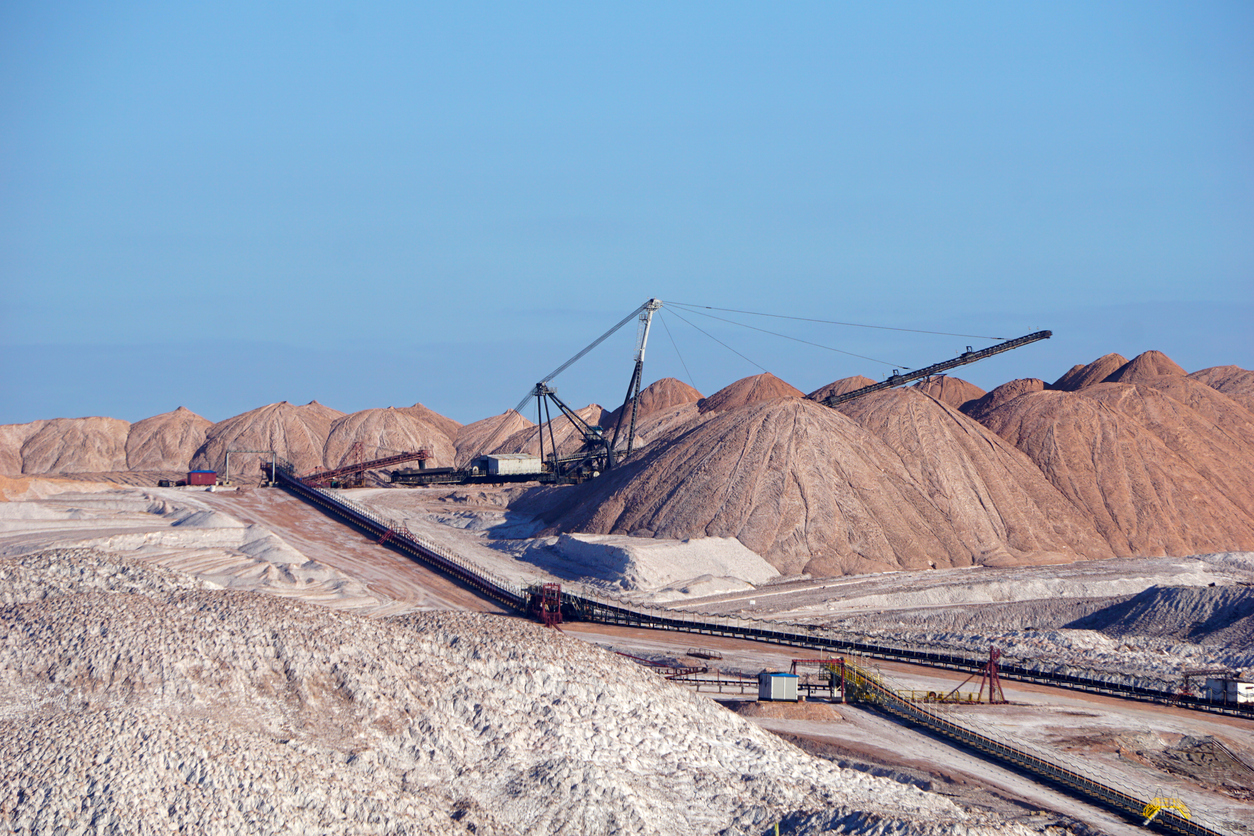
The global food supply is becoming increasingly unbalanced, as conditions like conflict and drought continue to rise. This has led to a situation where a few countries now control the potash market, which is essential for ensuring global food security. Brazil Potash’s Autazes Project aims to change that by doubling output in the coming years and making Brazil self-sufficient in terms of potash production in the near future. Here’s why it could be a key investment for global food security.
The Potash Market Has Strong Fundamentals
The demand for potash is driven by a number of factors, including population growth, urbanization, and the need for higher-yielding crops. This means that the market fundamentals are strong and continue to support higher prices. There is a highly concentrated supply side with price support and further upside potential because of the sanctions placed on Belarus and Russia. Countries like Brazil that have the potential to increase production are in a strong position to take advantage of this situation.
It is also the best option as a fertilizer, with the lowest environmental footprint and constant demand. The barrier is that crop area and yields need to rise.
Investment in Food Security is a Multi-Generational One
Feeding the world’s growing population is an ongoing challenge that requires a long-term commitment. Investing in food security is not something that can be done overnight, but rather it is a multi-generational effort. Brazil Potash’s Autazes Project is one example of how this type of investment can pay off in the long run. By increasing production and making Brazil self-sufficient in terms of potash production, the project has the potential to make a significant impact on global food security for decades to come.
The Company Has a Leading ESG Profile
Brazil Potash is a company with a strong commitment to environmental, social, and governance (ESG) issues. This is evident in their Autazes Project, which aims to double output while also protecting the environment. The company has also taken steps to ensure that the local community will benefit from the project, through initiatives like training programs and infrastructure development. This leading ESG profile is another reason why Brazil Potash’s Autazes Project could be a key investment for global food security.
Brazil is Currently an Import-Dependent Market With Growing Demand
Brazil is currently a net importer of potash, due to a combination of factors like limited production and growing demand. With Brazilian demand expected to continue growing, the project has the potential to make a huge dent in the demand domestically. The country is the world’s largest net exporter of agricultural products and food but requires potash imports to hit those numbers. This could be solved with domestic potash production which would drive down agricultural input costs immensely.
Brazil is also a naturally advantageous market for agriculture with significant amounts of arable land, freshwater, and exports for agricultural goods of approximately $110 billion.
Management Has a Strong Track Record
Brazil Potash has an extremely experienced management team with backgrounds from Vale, Shell, Rio Tinto, BHP Billiton, Hatch, and Nutrien. The team has a strong track record of developing and bringing projects into production. In addition, the company’s board of directors includes advice from representatives from some of the world’s largest agribusiness companies, which provides valuable insights into the industry.
The project has received strong support from the Brazilian government as well, and fertilizers have become a national priority since the release of the National Fertilizer Plan.
Bringing a massive potash project to production like Autazes has the potential to swing the balance of power in the potash market and increase Brazil’s role as a key player in global food security. With strong fundamentals, a committed management team, and a supportive government, Brazil Potash’s Autazes Project could be the one to do so.
The above references an opinion and is for information purposes only. It is not intended to be investment advice. Seek a licensed professional for investment advice. The author is not an insider or shareholder of any of the companies mentioned above.
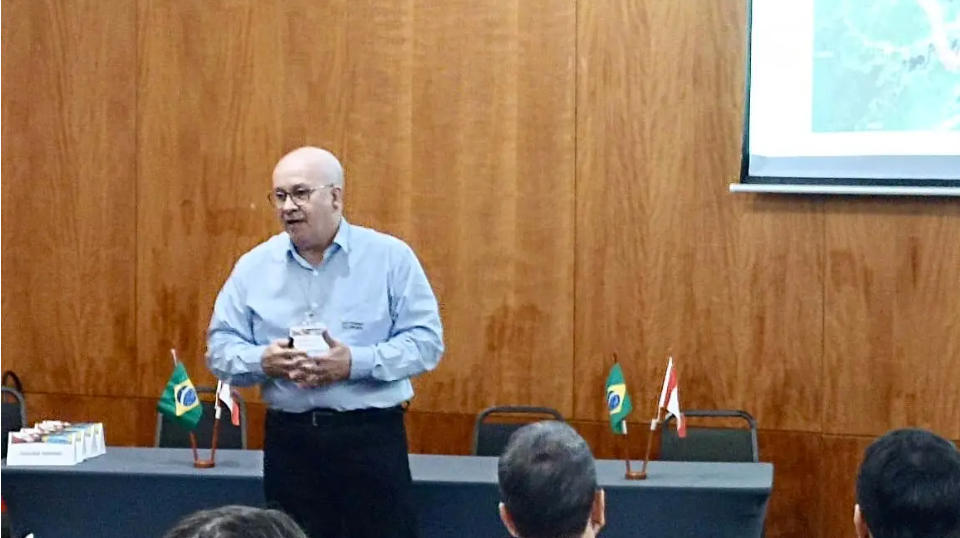
On Monday September 12, 2022, Adriano Espeschit, president of Brazil Potash presented the Autazes Project to representatives of the Canadian government and Canadian companies at an event called “Breakfast Procurement Needs” held at Mercure Lourdes hotel in Belo Horizonte.
“The event was organized by the government of Canada, which brought Canadian companies interested in new projects here in Brazil. Then, several companies presented their projects. And Potássio do Brasil made a point of being present presenting the Potássio Autazes Project”, said the president of Brazil Potash.
At the event, there were representatives from the federal government of Canada, the Mining Suppliers and Trade Association, the Province of Québec, and the Chamber of Commerce Brazil/Canada. In addition, several Canadian companies sent representatives to participate.
The Autazes Project is a sustainability engineering investment for the production of Potassium Chloride – an important fertilizer for Brazilian agribusiness – in the municipality of Autazes. The distance from Manaus is 112 km.
The project will employ a process for extracting Silvinite, a rock made up of halite (salt) and Silvita (potassium chloride), which will not harm the earth’s surface soil or environment. The chambers and pillars technique will be utilized throughout the entire extraction operation.
In order to remove the ore, which is approximately 800 meters deep, the company will need to excavate two shafts. The Silvinite ore will be brought to the surface through these wells, and processed so that the Potassium Chloride (fertilizer) can be separated from the Sodium Chloride (kitchen salt).
After the separation of Potassium Chloride and Sodium Chloride, the fertilizer will be transported via barges from a private port that is to be built by the company on the bank of the Madeira River. The market they are aiming this product toward is Brazilian agribusiness consumers.
“The Sodium Chloride will be stored in an impermeable place to protect the soil and the water table, and then it will return to the subsoil, filling the open chambers, that is, there will be no residues on the surface at the end of the Project’s useful life”, explains the president of Brazil Potash.
The project, which is now in the environmental licensing stage, has a predicted useful life of more than 23 years and will put Amazonas state among Brazil’s top fertilizer producers. When it reaches the average annual production of 2.4 million tons of Potassium Chloride, this input will meet roughly 20% of Brazilian demand. Preliminary studies, on the other hand, indicate that production capacity may be expanded up to 45% of Brazilian demands. The project will be soon implemented, and in turn, guarantee tax revenues for the Municipality, State and Union.
As a result, Brazil Potash will aid in the reduction of dependency on imports from countries such as Canada, Russia, Belarus, Germany, and Israel. It’s worth noting that Brazil is at present the world’s second-largest consumer of potassium but only produces 5% of its consumption need.
Potássio do Brasil Ltda. (controlled by Brazil Potash) is a private Brazilian company that manufactures fertilizers. It has been present in the Amazon region since 2009 and has British, Australian, Canadian and Brazilian investors with more to come as the project expands. The potassium ore will be extracted and treated in Amazonas before being turned into fertilizer.
The Autazes Project is in the environmental licensing phase with the Institute for Environmental Protection of Amazonas (Ipaam) as the competent body to license projects in Amazonas state. The LP is available, and the Installation License is pending.
The above references an opinion and is for information purposes only. It is not intended to be investment advice. Seek a licensed professional for investment advice. The author is not an insider or shareholder of any of the companies mentioned above.
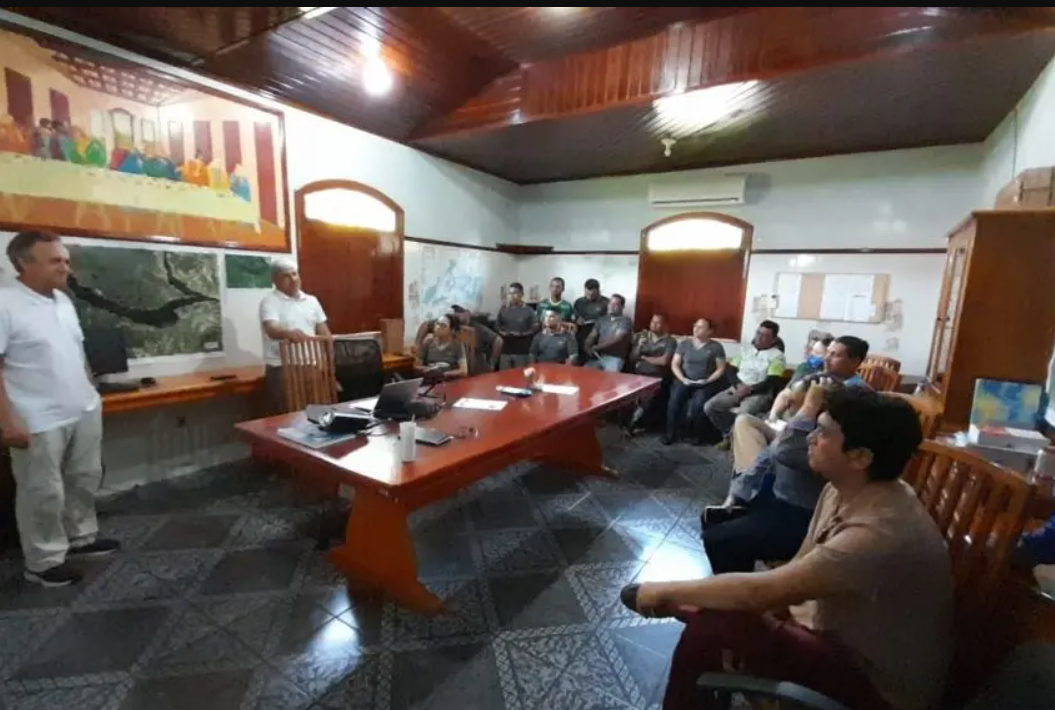
Brazil Potash recently presented its flagship Autazes Potash Project to students in the Technical Surveying Course at the Centro Tecnológico do Amazonas (CETAM). The centre trains professionals in mapping which is fundamental to engineering projects. This was an opportunity for students to learn about the project, an important potash project in Brazil, currently in the licensing phase.
Lúcio Rabelo, the director of ESG at Brazil Potash, said the presentation demonstrated to students the influence of the Autazes Potash Project on society, the economy, and the environment. According to Rabelo, CETAM students will have an opportunity to apply what they learned in the course when they participate in the Project.
Lucio Rabelo commented: “These are young people who are graduating, receiving a qualification, who will have the opportunity to apply the knowledge they are receiving. They verified that, indeed, many opportunities will arise to help, in the great project that is being implemented here, so that the municipality can develop.”
At the moment, the Autazes Potash Project is in the environmental licensing stage. It has a prior license (LP) and is waiting for an installation license (LI) as a result of a legal agreement, at the Federal Court, between the firm and the Mura People, which was launched in 2019. The enterprise continues to be open to discussion with society about how the Autazes Potash Project can serve as one of Amazonas’ future development models.
The project will create 2,600 direct jobs every year during implementation Then, once the Potassium Chloride factory is operational, working from the soil of the Autazes Potash Project, 1,300 direct jobs will be created, as well as 17,000 indirect positions.
The finalist students were in attendance and the presentation was part of the last module of the course: Practices II, led by professor and engineer Márcio Góes. Professionals who will be responsible for mapping are educated during the Surveying course.
Mr. Góes commented: “I think this is something magical for us because we live in a region of magnitude, when it comes to geography, gigantic, with little investment. When we see a project like Autazes Potash Project, we are sure that the Amazon is here to make a difference in the world, with all our trees standing. And we come to believe when we know a project like this, that it is possible, yes, to bring progress keeping our forest, our fauna and our flora intact.”
The professor noted that it’s nice to see a project that improves the region, in addition to offering tremendous possibilities and infrastructure. He also said he has two perspectives on the Autazes Potash Project: one as a teacher and one as a riverside caboclo.
After the conclusion of the Project presentation, Fabiana Oliveira, coordinator of CETAM in Autazes, stated that she was satisfied. “I leave here with my heart overflowing with joy to know that we are included and that it is going to have a wonderful impact. We really need to know. When we know, our hearts are calmer, knowing we are on the right path,” she said.
The presentation of the Autazes Potash Project is vital for student Adriano Gomes since it gives him direction in his professional future and transforms people’s perception of the Project. “I arrived here and heard many people talking about the Potassium issue. And, today, we leave here with another mentality, which is really something that comes to add to our municipality, to our community. For us, who are leaving now, graduating, it is something very hopeful, where we will have our share of contribution”, he explained.
The above references an opinion and is for information purposes only. It is not intended to be investment advice. Seek a licensed professional for investment advice. The author is not an insider or shareholder of any of the companies mentioned above.
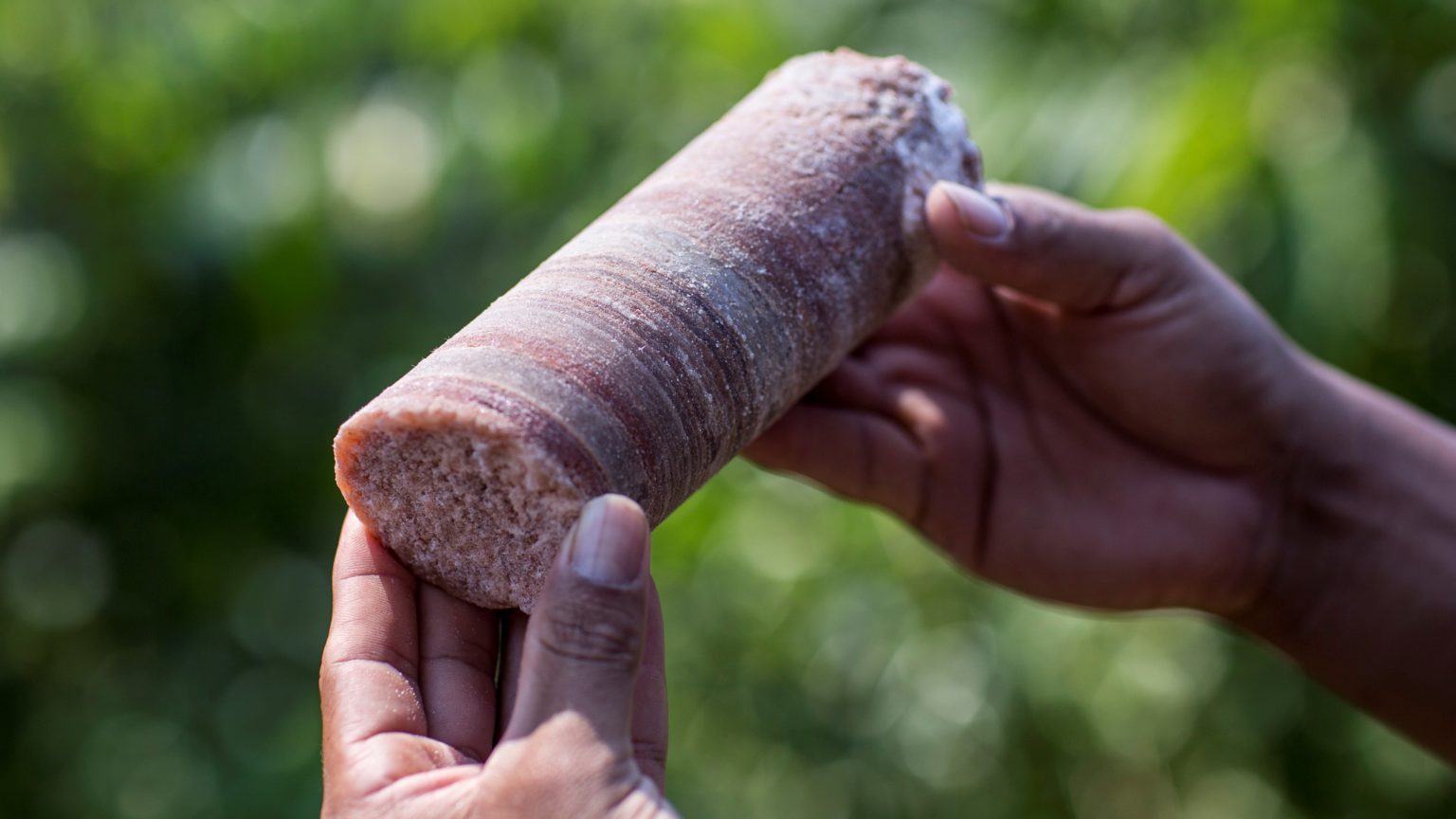
Brazil Potash Corp. has announced the closing of its Regulation A, Tier 2 offering of common shares, no par value per share, as of the end of July 2022. The company raised over US$40 million, and is well capitalized for ongoing operations as it prepares to increase output at its flagship Autazes Project.
Brazil Potash is an extraction company currently preparing for the implementation of the Autazes Potash Project 120 km southeast of Manaus. The company will serve customers in the agricultural sector of Brazil and intends to produce more than 20% of potash consumed by Brazil annually. Brazil Potash is still in the pre-revenue development stage and has not commenced mining operations yet.
Brazil Potash is aiming to reduce the strain of the global demand for potash amid record prices and global demand. The current record prices of potash are the result of a combination of increased global demand for potash and sanctions against Russia and Belarus, which hinder their ability to export potash. Since Russia and Belarus historically supply approximately 40% of the world’s potash, the current sanctions have further reinforced the need for domestic potash production in Brazil to help ensure global food security.
Potash prices have remained above $1,100 USD per tonne and Brazilian demand is currently robust, with imports of potash increasing 42% year over year to 3.1 million tonnes in the first quarter of 2022, according to Reuters.
The company’s management team, backed by a group of third-party experts, also recently finalized Brazil Potash’s Environmental, Social and Governance (ESG) report. The report confirms management’s beliefs that the Autazes Project will be one of the most environmentally clean potash projects in the world, emitting 79% less greenhouse gas emissions than existing potash producers. The report will be made available on the company’s website soon.
The Autazes Project is making a huge impact in the fight against climate change by reducing greenhouse gas emissions. The project will get 85% of its energy from renewable sources, and the company will avoid unnecessarily long distances when transporting its produced potash.
Autazes has support from all levels of the Brazilian government. The Brazilian Minister of Agriculture recently visited Canada to meet with fertilizer companies including Brazil Potash. The minister asked what the country could do to help accelerate the construction of the Autazes Project while offering support for the companies present and the industry in Brazil.
Beyond this visit, the Governor of Amazon, Wilson Lima, met with Adriano Espeschit, President in Brazil, and it´s ESG Director Lucio Rabelo to get an update on the project. The engagement and support from the Brazilian government reflect a strong initiative to bring new potash projects online in the country and reduce Brazil’s reliance on imports as soon as possible.
Brazil Potash has also engaged ERCOSPLAN, a German engineering firm, to update the company’s technical report and feasibility study for Autazes. The initial technical report and feasibility study were done by WORLEY in 2016 with strong support and participation from ERCOSPLAN.
The above references an opinion and is for information purposes only. It is not intended to be investment advice. Seek a licensed professional for investment advice. The author is not an insider or shareholder of any of the companies mentioned above.

Brazil Potash, a Canada-based potash mining company, has put forward a bold vision for a bold new potash project in Brazil that aims to both challenge the oligopoly entrenched in the industry and create a better future for Brazil. That project is the Autazes Project.
Potash Mining
Currently, there are two main ways potash is mined – conventional and solution. Conventional mining entails the sinking of shafts to reach the underground potash and the use of boring machines to extract it for transport to the surface where it is concentrated into a saleable product. With solution mining, hot water is piped down to the underground potash to dissolve it for transportation back to surface for processing.
The state of the potash market is currently controlled by a small group of companies, known as an oligopoly. This control gives these companies a large amount of power over price and availability. Brazil is one country that is highly dependent on imported potash – the country imports 96% of the potash it needs out of which 47% comes from Russia and Belarus which are both sanctioned. This leaves Brazilian agriculture at the mercy of these foreign suppliers.
Brazil Potash will aim to challenge that market by introducing a new project with multiple competitive advantages. The first is the sheer size of the Amazon potash basin that Brazil Potash’s Autazes project will source its potash from. The Amazon potash basin is estimated to be one of the largest proven potash fertilizer projects in the world, comparable to the massive potash basins in Canada and Russia where ~80% of the world’s potash is sourced.
The project also has a major logistical advantage because it will be located on existing farmland near the Amazon river system. Thanks to the favourable infrastructure, ideal location, and a successful feasibility study and environmental and social impact assessment already complete, the Autazes project will be the lowest-cost source of potash for Brazil – a major shift for the industry and the country.
Currently, the company sees a life of mine of 23 years based on exploring only ~7% of the Amazon potash basins potential, with an estimated annual EBITDA of US$ 1.1 billion. Once the mine is producing, this could give the Brazil Potash an approximate market cap between US$ 7 billion and US$ 10 billion based on just its initial planned production of 2.4 million tonnes per year to supply ~20% of Brazil’s current needs.
Autazes
The Autazes project is designed to be more than a game-changing potash mine. The company sees the project as an impact project with benefits across multiple social and economic factors. The project will create around 5000 direct and indirect jobs over several decades of operation that will have a positive impact on the local and regional economy.
Brazil Potash has a strong ESG policy in place, with plans for investing in local school programs, ensuring that no primary rainforest is affected by the project (small footprint) and that the potash supply will go on to facilitate the reuse of the existing arable land to help mitigate deforestation further. The company has estimated that the project will reduce greenhouse gases by more than 1.3 million tonnes per year.
Potash mining is a capital-intensive process, but with a strong project and a favourable market, Brazil Potash is well-positioned to take on the challenge and become a new player in the potash industry.
Roadmap Underway
Brazil Potash has brought its Autazes project to a near construction-ready state having completed a bankable feasibility study, environmental and social impact assessment, and public hearings with over 4000 people including currently ongoing indigenous consultations.
The next stage will see the company raise the US$ 2.1 billion needed for the construction of the Autazes Project to bring it into operation to supply this essential nutrient to feed not only the people of Brazil but people globally.
The above references an opinion and is for information purposes only. It is not intended to be investment advice. Seek a licensed professional for investment advice. The author is not an insider or shareholder of any of the companies mentioned above.
According the United Nations, the world’s population is projected to reach 9.8 billion by 2050 and 11.2 billion by 2100. Countries will need to maximize resources and reduce their reliance on imports to feed their citizens. This reality, in turn, is creating opportunities for companies to play an important role in developing the necessary infrastructure to make agriculture sustainable and reduce carbon emissions.
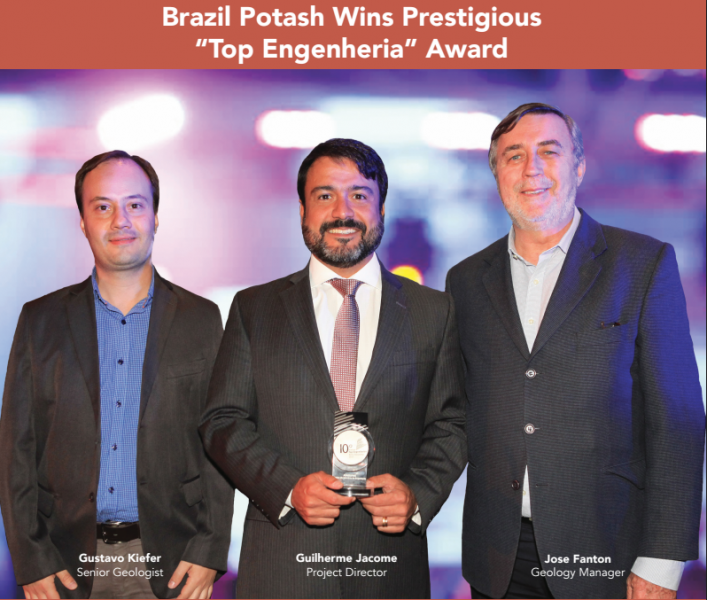
This year, Brazil Potash, a potash mine development company located in Brazil, received the “Top Engenharia” award as the most recognizable engineering project currently underway in the country’s agribusiness sector by the Federal University of Minas Gerais (“UFMG”) Alumni Association. Every year, UFMG conducts a survey of over 3,000 alumni of its Engineering School, asking them to identify which companies in each sector demonstrate engineering excellence. Brazil Potash’s Autazes project stood out not only for the critical infrastructure it would provide, but also the environmental benefits it will bring.
Potash is an essential nutrient to growing food with no substitute and is therefore vital to feeding the rising global population. At 8.8MTpa of consumption, Brazil is the world’s second largest and fastest growing market for potash, but imports 95% of its needs from mines located 14,000 to 20,000 kilometers away.
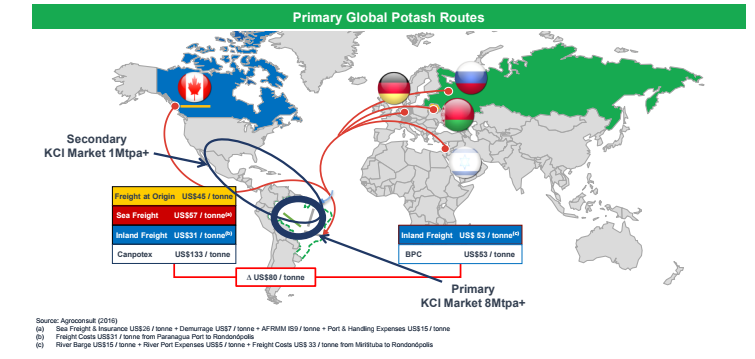
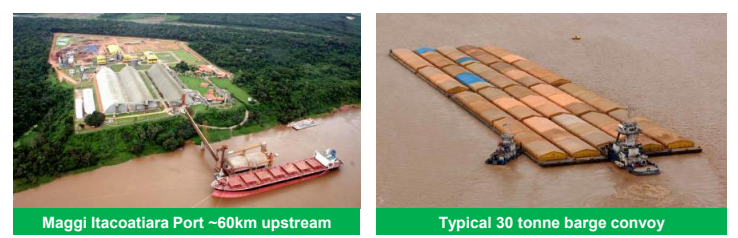
Brazil Potash holds exclusive title to a world-class scale potash basin located in the Amazon State of Brazil only 8 kilometers from a major river system that will be used to transport initial planned production of 2.4MTpa on river barges to farmers in Brazil. Based on today’s depressed global oil prices and shipping rates, Brazil Potash is able to mine, process and deliver its potash for the same cost as importers logistics costs alone. This substantial and sustainable logistics cost advantage will increase with anticipated global raising oil prices and results in a Green House Gas (GHG) emission savings of roughly 508kTpa. This project could substantially reduce the country’s reliance on potash imports, while enhancing food security, increasing crop yields and improving supply chain management for Brazilian farmers.
Brazil Potash plans to bring its Autazes potash deposit into production in a low-density cattle farming region of the Central Amazon Basin. Autazes is located 120km southeast of Manaus (population 1.8 million), which is the major economic hub in the region with an international airport. This project will create thousands of good jobs for people, providing stable and secure sources of income in a region with few jobs.
Brazil Potash has completed a Bankable Feasibility Study (BFS), Environmental Impact Assessment (EIA), obtained the Preliminary Social and Environmental License (LP), acquired majority of the land required for the plant and port and diamond drilled 65 holes totaling 59,000m. The company has proven and probable reserves supporting 34 years of mine life based on drilling only ~10% of the land package held.
Construction of a 165-km long electrical transmission line will connect over 100,000 people in the region to the national electricity grid, people who are largely dependent on diesel generated power. The local municipality will benefit from increased tax revenues, which will result in improved schools, water quality, roads and healthcare services.
With over US$185 million invested to date on development, the project is fast approaching the construction phase. This project is critical to the development and security of Brazil’s food supply and will ensure a robust agricultural industry for years to come.
If you would like to receive our free newsletter via email, simply enter your email address below & click subscribe.
 Follow us on Twitter
 Become our facebook fan
CONNECT WITH US
Tweets
Tweet with hash tag #miningfeeds or @miningfeeds and your tweets will be displayed across this site.
MOST ACTIVE MINING STOCKS
Daily Gainers
 CMC Metals Ltd. CMC Metals Ltd. |
CMB.V | +900.00% |
 Eden Energy Ltd Eden Energy Ltd |
EDE.AX | +200.00% |
| GoviEx Uranium Inc. |
GXU.V | +42.86% |
| Eagle Nickel Ltd. |
ENL.AX | +41.67% |
| Citigold Corp. Limited |
CTO.AX | +33.33% |
| Mount Burgess Mining NL |
MTB.AX | +33.33% |
| Exalt Resources Limited |
ERD.AX | +31.94% |
| Casa Minerals Inc. |
CASA.V | +30.00% |
| Cariboo Rose Resources Ltd |
CRB.V | +28.57% |
| Belmont Resources Inc. |
BEA.V | +28.57% |