



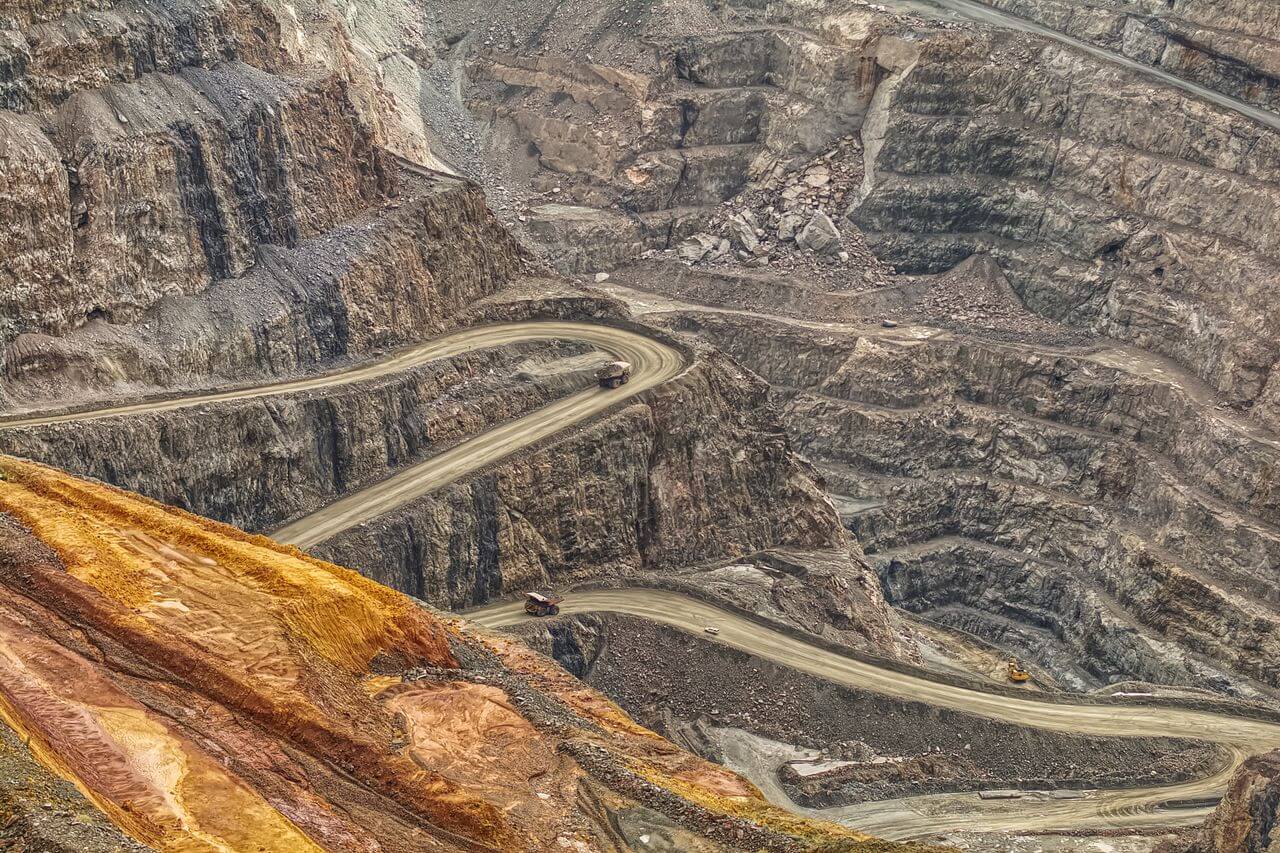
Image source: https://www.pexels.com/photo/aerial-view-of-curving-roads-in-an-open-pit-mine-38500487/
Burkina Faso recorded more than US$6 billion worth of gold through official production and purchasing channels during the first six months of 2026, driven by output from industrial mines and increased state purchases from the country’s artisanal mining sector.
Figures released during the mid-year evaluation of the 2026 performance contract for Energy, Mines, and Quarries Minister Yacouba Zabré Gouba show that industrial mines produced 26 tonnes of fine gold between January and June. During the same period, the National Precious Substances Company (SONASP) purchased approximately 29 tonnes from artisanal and semi-mechanized miners.
Together, those volumes amount to more than 55 tonnes of gold moving through recognized production and procurement channels during the first half of the year. At an international gold price of about US$3,400 per troy ounce, the combined value exceeds US$6 billion.
SONASP Purchases Approach Annual Target
SONASP’s approximate 29 tonnes of gold acquired as of June places the state company well ahead of the halfway point toward its annual procurement target of 45 tonnes.
The company purchases gold produced by artisanal and semi-mechanized miners, while production from industrial mines is reported separately through the country’s regulatory framework. During the first six months of 2026, the volume purchased by SONASP exceeded industrial mine production by about three tonnes.
Bringing more artisanal production into official channels is a primary focus of Burkina Faso’s mining policy. Gold purchased by SONASP passes through government-controlled systems before entering the market, giving authorities greater oversight of production volumes and supporting efforts to improve traceability and limit smuggling.
Reforms Continue Under New Mining Code
Throughout the first half of the year, Burkina Faso also continued to implement reforms introduced under its new Mining Code, adopted in July 2024.
Nine new artisanal mining cooperatives were established across the country to organize small-scale mining, while four artisanal mining corridors were designated to define operating areas for artisanal miners where industrial and small-scale mining coexist.
The government also maintained controls on the weighing, pouring, and packaging of gold as part of its oversight of national production, and enforcement activities targeting illicit gold-trading networks continued as authorities sought to reduce the movement of gold outside regulated markets.
Alongside those measures, geological programs have advanced knowledge of Burkina Faso’s mineral resources, and work has continued on projects managed by the Burkina Faso Mining Participation Company (SOPAMIB), the state-owned mining investment company established to expand government participation in the sector.
 Follow us on Twitter
 Become our facebook fan






Comments are closed.